


Featured Cable Conduit Solutions & Fittings
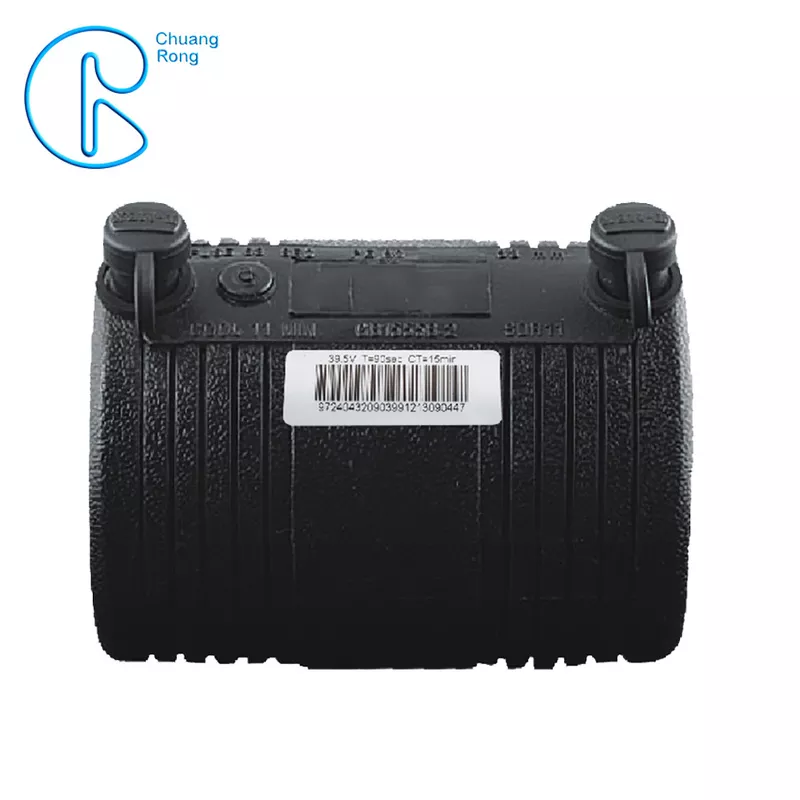
PN16 SDR11 PE100 HDPE Electrofusion Fittings, HDPE Electrofusion Coupler
View Details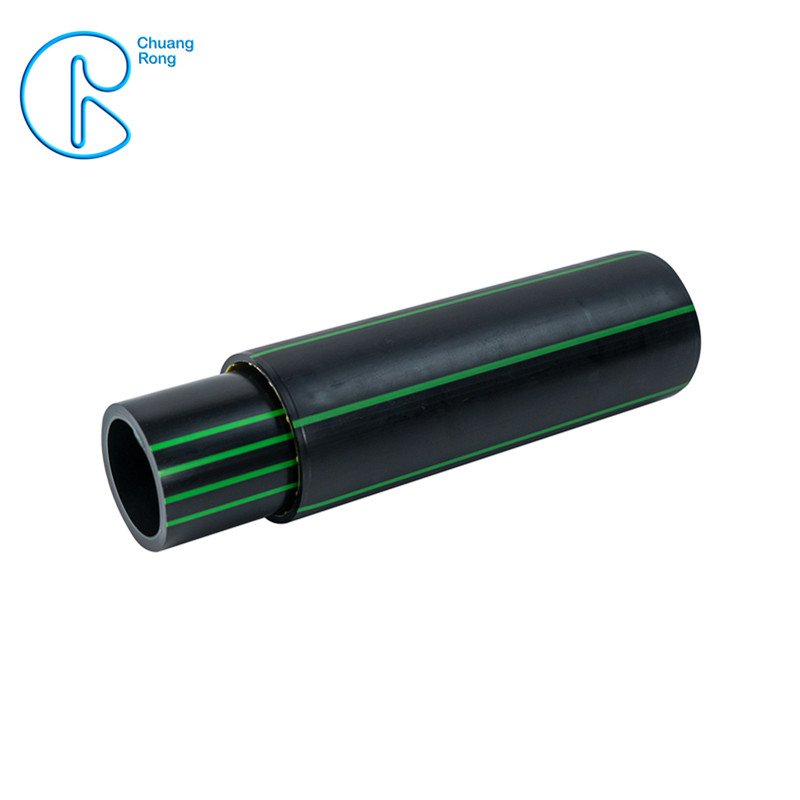
54mm 63mm 75mm Double Protection Pe UPP Pipe for Fuel Petrol Station
View Details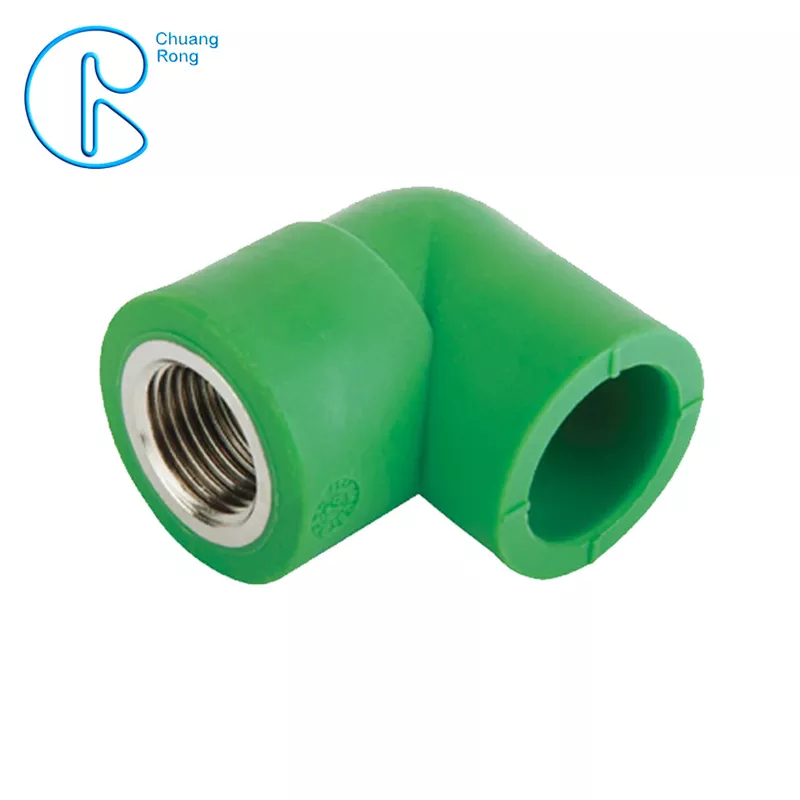
PPR Plastic High Quality Various Types Female Elbow In 90 Degree
View Details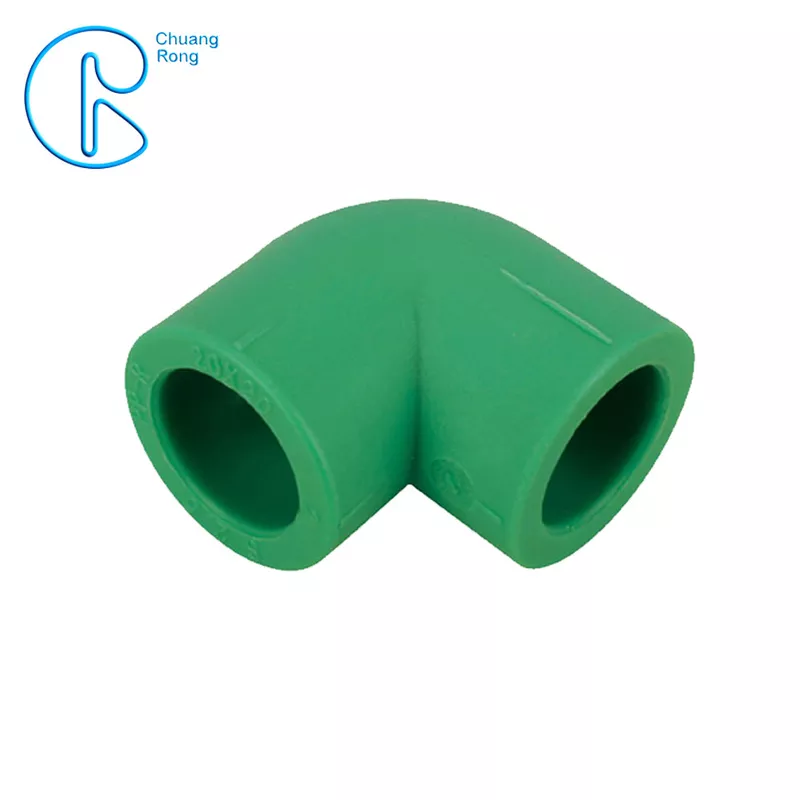
Green Socket Fusion PPR 90 Degree Elbow Fittings Smooth Surface With Injection Molded Tech
View DetailsIndustrial & Commercial Landscape of Underground Cable Conduits
The global transition toward smart cities, renewable energy integration, and high-speed telecommunication networks has triggered a massive overhaul of underground utility infrastructures. In the past, traditional metallic, concrete, or PVC conduits were the industry standards for safeguarding power cables and fiber optic lines. However, these materials frequently suffered from corrosion, joint degradation, structural cracking under seismic shifts, and high installation costs. Today, the industrial consensus has decisively shifted toward High-Density Polyethylene (HDPE) systems. Central to this technological evolution is the Butt Fusion Elbow Bend For Underground Cable Conduit.
Butt fusion technology has revolutionized how underground pipelines are constructed. By heating the ends of two HDPE components—such as a straight conduit and an elbow bend—and pressing them together under controlled pressure, installers create a joint that is molecularly continuous with the pipe itself. In commercial and municipal developments, this joint integrity translates directly into reduced lifecycle costs, zero-maintenance operations, and a lifespan exceeding 50 years. As power grids expand to handle high-voltage direct current (HVDC) lines from offshore wind farms and remote solar arrays, the demand for high-strength, flexible, and thermally stable conduit bends has reached unprecedented levels.
Key Takeaway: The Modern Trenchless Revolution
With municipal regulations restricting open-cut trenching in urban centers, Horizontal Directional Drilling (HDD) has become the dominant installation method. HDPE butt fusion elbow bends are crucial here, providing the structural tensile strength required to withstand the immense pulling forces of trenchless installations without risking joint separation.
Why Butt Fusion Joints are Crucial for Underground Conduits
When routing heavy-duty electrical cables underground, changes in direction are inevitable. Navigating around existing subway lines, water mains, gas pipelines, and building foundations requires precise angles. This is where the Butt Fusion Elbow Bend For Underground Cable Conduit plays an indispensable role. Unlike mechanical joints or solvent-welded fittings, a butt-fused elbow offers several distinct advantages:
- Monolithic Strength: The fused joint is as strong as, or stronger than, the pipe itself. This eliminates the risk of joint separation during soil settlement, seismic events, or high-tension cable pulling.
- Smooth Internal Transition: During cable installation, high-voltage lines or delicate fiber optic bundles are pulled through the conduit under high tension. Any internal lip, gap, or misalignment at the joints can snag or damage the cable sheath. Butt fusion welding, when performed correctly, maintains a smooth, continuous internal pathway.
- Water and Chemical Tightness: Groundwater ingress carries minerals, acids, and contaminants that can degrade cable insulation over time. Butt-fused joints form a continuous, leak-proof barrier, preventing water intrusion even under high hydrostatic pressure.
- Flexible Deflection: HDPE is naturally flexible. An elbow bend combined with the inherent elasticity of HDPE pipes allows the conduit system to flex and absorb ground movement without cracking.
One-Stop Solution for Plastic Piping Systems
CHUANGRONG is a shared industry and trade integrated company, established in 2005. We focus on the production of a full range of quality HDPE pipes & fittings (ranging from 20mm to 1600mm, with pressure ratings including SDR26, SDR21, SDR17, SDR11, SDR9, and SDR7.4), alongside the sale of PP compression fittings, plastic welding machines, pipe tools, and pipe repair clamps.
We own more than 100 sets of advanced pipe production lines and 200 sets of precision fitting production equipment. Our total annual production capacity exceeds 100 thousand tons. CHUANGRONG's offerings span 6 main systems—water, gas, dredging, mining, irrigation, and electricity—covering more than 20 product series and over 7,000 unique specifications.
All products strictly align with international standards including ISO4427/4437, ASTM D3035, EN12201/1555, DIN8074, and AS/NZS 4130, and have received formal certifications from ISO9001-2015, CE, BV, SGS, and WRAS.
More than 20 years of experience serving infrastructure projects in 80 countries worldwide.
Deep-Dive Application Scenarios
1. High-Voltage Power Transmission Grids
Modern electrical grids rely heavily on undergrounding high-voltage (HV) and extra-high-voltage (EHV) cables to protect them from extreme weather events, windstorms, and physical damage. However, HV cables generate significant heat during operation. The conduit system, including the Butt Fusion Elbow Bend For Underground Cable Conduit, must withstand elevated operating temperatures without losing structural stiffness. HDPE PE100 materials are engineered to maintain mechanical integrity under continuous thermal loading. When routing these thick, heavy cables through directional changes, the smooth internal sweep of the butt-fused elbow prevents friction build-up, ensuring the cable sheathing is not compromised during installation.
2. Smart Cities & Fiber Optic Backbones
As cities deploy IoT sensors, 5G small cells, and fiber-to-the-home (FTTH) networks, underground space becomes highly congested. Installing microducts and fiber conduits requires navigating a complex maze of existing infrastructure. Compact, precisely angled butt fusion elbow bends (such as 11.25°, 22.5°, 45°, and 90° configurations) allow engineers to design optimized routes. Because fiber optic cables are highly sensitive to micro-bends and macro-bends (which cause signal attenuation), using sweeping, long-radius butt fusion elbows ensures the cables maintain their minimum bend radius, protecting signal integrity across the network.
3. Horizontal Directional Drilling (HDD) & Trenchless Projects
In urban environments, crossing rivers, highways, and railways via open-cut excavation is often impossible or prohibitively expensive. Trenchless technology, specifically Horizontal Directional Drilling (HDD), is the preferred alternative. During HDD, the entire conduit run is fused together on the surface and then pulled through a pre-drilled borehole. The conduit joints must bear the massive tensile pull-back force. A mechanical coupling would fail under this tension, but a butt-fused joint distributes the tensile stress uniformly. The integrated elbow bends allow the conduit string to smoothly transition from the drilling entry angle back to the level utility trench.
4. Industrial Chemical Zones & Sub-Surface Marine Environments
Industrial chemical plants, refineries, and coastal installations present highly corrosive environments. Saltwater intrusion, acidic soil chemistry, and chemical spills can rapidly corrode metallic conduits. HDPE butt fusion elbows are completely inert to electrochemical corrosion and resistant to a wide spectrum of acids, bases, and organic solvents. This makes them the premier choice for protecting critical power control and communication cables in harsh industrial zones, marine ports, and offshore wind farm landing stations.
One-Stop Supplies and Solutions
As one of the largest PE pipeline manufacturers in China, CHUANGRONG provides customers with a full range of services from design, production, installation, and maintenance to ensure the long-term stable operation of PE pipeline systems.

Complete Product Line

Related Products & Service

Installation & Maintenance

Design & Customization

Technical Support
Technical Specifications and SDR Standards
Selecting the appropriate Standard Dimension Ratio (SDR) is critical when designing an underground cable conduit system. The SDR represents the ratio of the pipe's outer diameter to its wall thickness. For underground power and telecommunication conduits, SDR11 and SDR17 are the industry standards:
- SDR11 (Thicker Wall): Recommended for high-depth installations, heavy traffic load crossings (under highways or railways), and projects utilizing trenchless directional drilling where tensile pull forces are high. SDR11 offers superior crush resistance and tensile strength.
- SDR17 (Medium Wall): Suitable for standard burial depths in pedestrian areas or open-cut trenches where external soil loads are moderate. It provides a larger internal diameter for easier cable pulling while maintaining excellent structural integrity.
The manufacturing process of the Butt Fusion Elbow Bend For Underground Cable Conduit involves precise injection molding or sweep fabrication. Injection-molded elbows offer uniform material density, consistent dimensions, and optimized flow dynamics. The material used is typically PE100 (polyethylene with a minimum required strength of 10 MPa at 20°C for 50 years), which provides outstanding resistance to slow crack growth (SCG) and rapid crack propagation (RCP).
Global Market Trends and Future Outlook
The global market for underground cable conduits is experiencing a strong compound annual growth rate (CAGR), driven by several macro-economic trends:
First, the global grid modernization initiative is pushing overhead power lines underground to mitigate wildfire risks and weather-related outages. Second, the rapid deployment of renewable energy installations, such as offshore wind farms and utility-scale solar arrays, requires miles of high-capacity underground transmission lines. Finally, the rise of the digital economy, cloud computing, and AI data centers demands high-density fiber backbones with zero latency, necessitating robust sub-surface infrastructure.
Looking forward, the integration of smart tracking technologies is a major trend. Future conduit systems may incorporate embedded RFID tags or sensor wires within the butt fusion elbow bends to allow utility operators to locate and monitor the health of underground conduits in real-time. Moreover, the industry is increasingly emphasizing sustainability, utilizing green manufacturing processes and recyclable HDPE materials to lower the carbon footprint of public works projects.
Why Choose CHUANGRONG
CHUANGRONG provides a full suite of services to ensure the long-term stable operation of your PE pipeline systems, backed by certified manufacturing and global logistics.

ONE-STOP SOLUTION

PRODUCTION ON DEMAND

COMPLETE CERTIFICATION

EXCELLENT TEAM
Complete Product Portfolio & Equipment
PN16 SDR11 PE100 HDPE Electrofusion Fittings, HDPE Electrofusion Coupler
View Details
54mm 63mm 75mm Double Protection Pe UPP Pipe for Fuel Petrol Station
View Details
PPR Plastic High Quality Various Types Female Elbow In 90 Degree
View Details
Green Socket Fusion PPR 90 Degree Elbow Fittings Smooth Surface With Injection Molded Tech
View Details
PE100 40-2000mm Machined Flange Adaptor/ Full face (Stub End) HDPE Spigot Fittings
View Details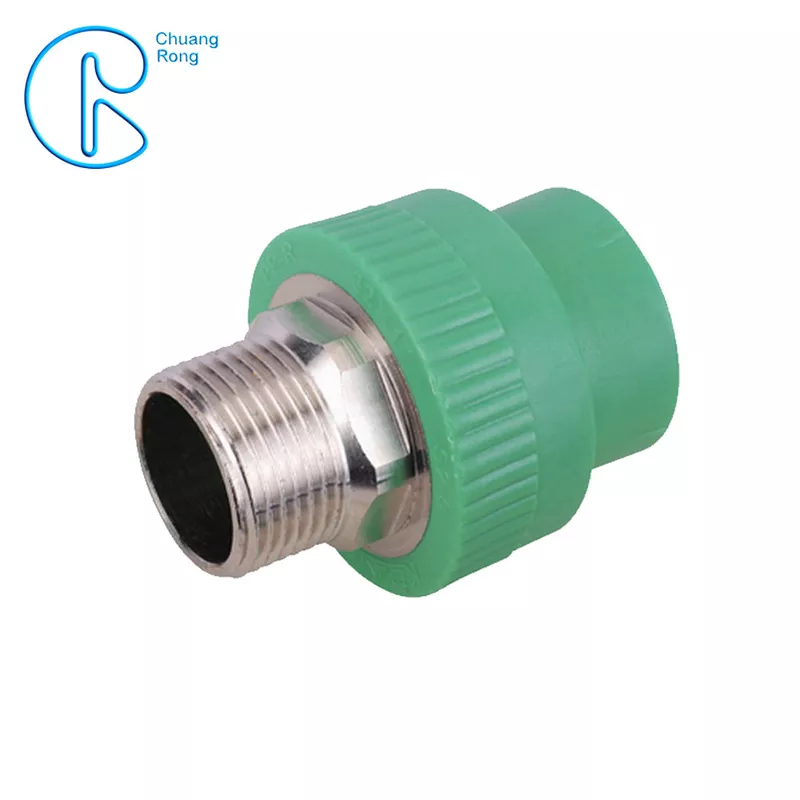
Environment Friendly PPR Pipe Socket Coupling Fitting With Metal Thread
View Details
PN25 SDR6 High Pressure PP-PCT Pipe 20 - 160mm For Indoor Hot Water Supply
View Details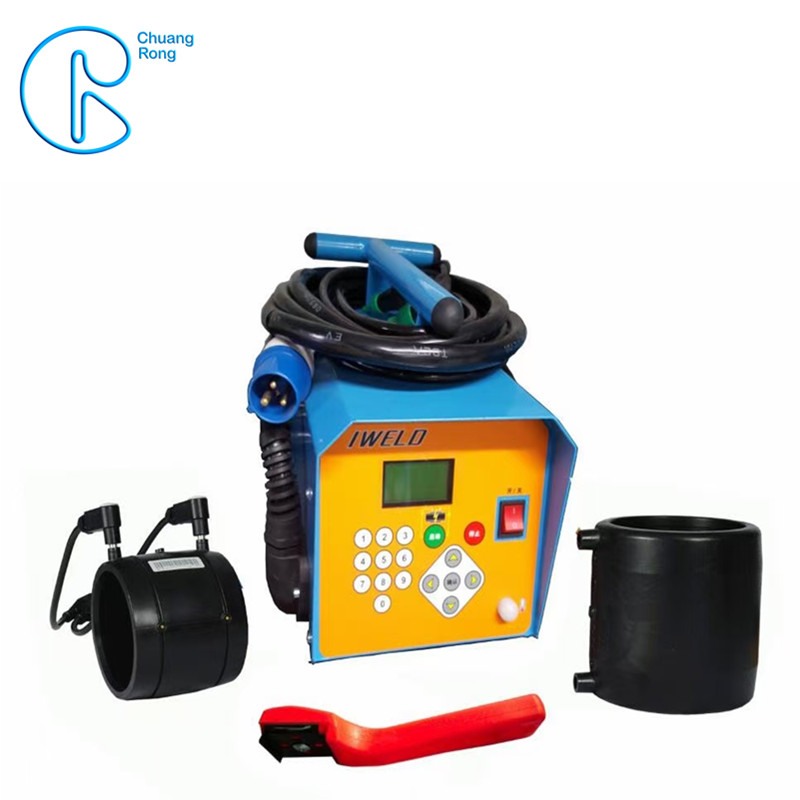
20-400mm Electrofusion Welding Machine For Gas, Water Plastic Pipe Fitting
View Details
Social Links


Our Company
information
Quick Links
contact us
-
ADD:
Room 911, Building T1, The Ring Center, No.333 Dongda Road, Chengdu, China.
- TEL: 0086-18180897627
- EMAIL: chuangrong@cdchuangrong.com
Hot Products - Sitemap - AMP Mobile
Pe Water Pipe, Hdpe Pipe Fittings, Hdpe Pipe And Fitting, Repair Clamp, Male Adaptor, Hdpe Pipe Fitting,
-

Phone
-

E-mail
-

Whatsapp
-

Skype
-

Top
