


Featured Trenchless Pipeline Repair Solutions
Explore our high-performance fittings and accessories optimized for trenchless and poly pipe repair applications.
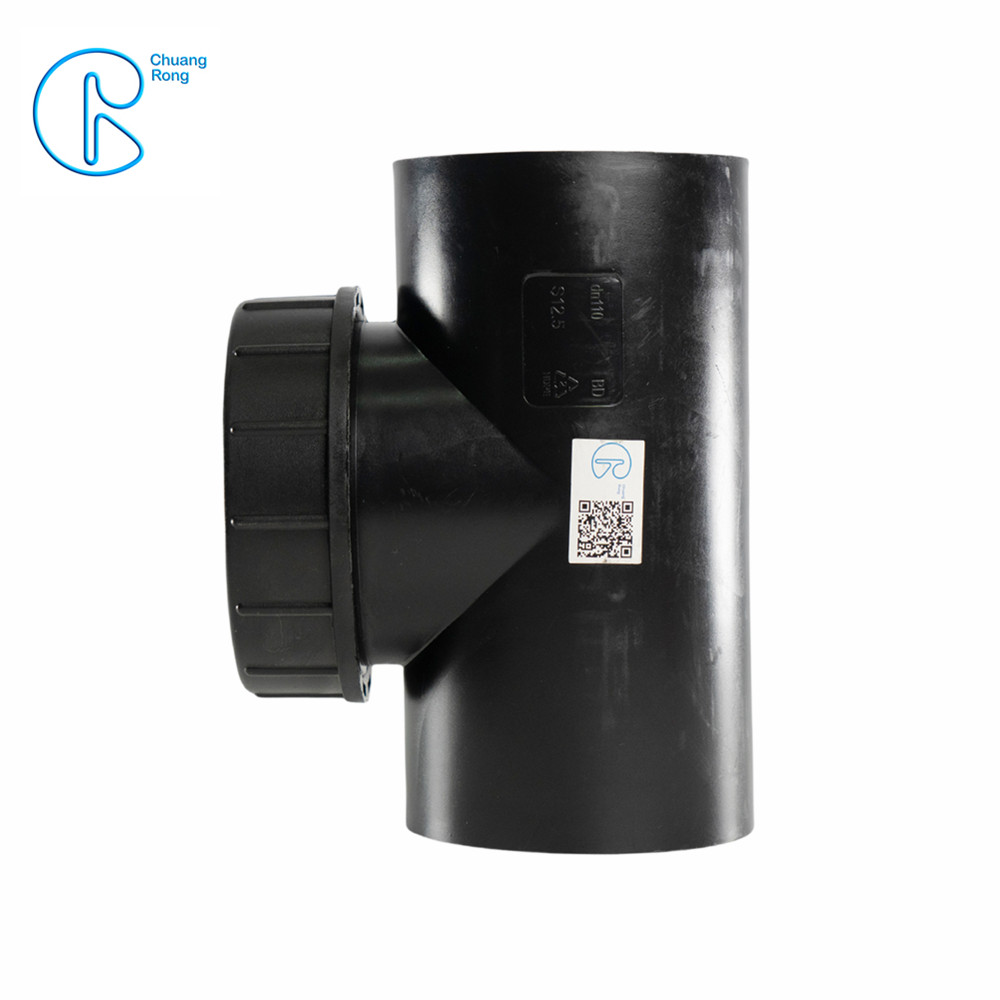
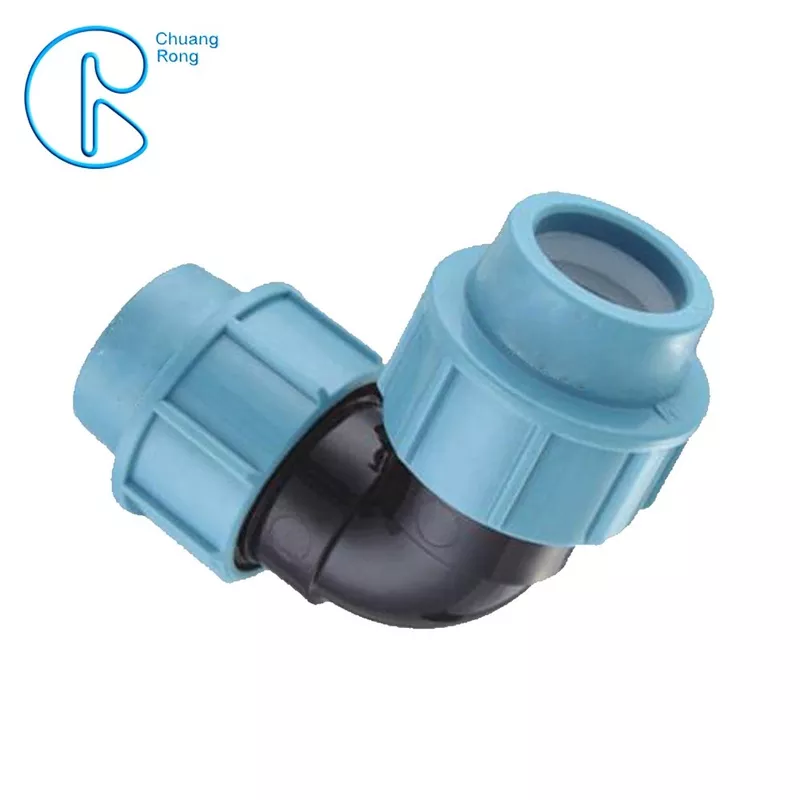
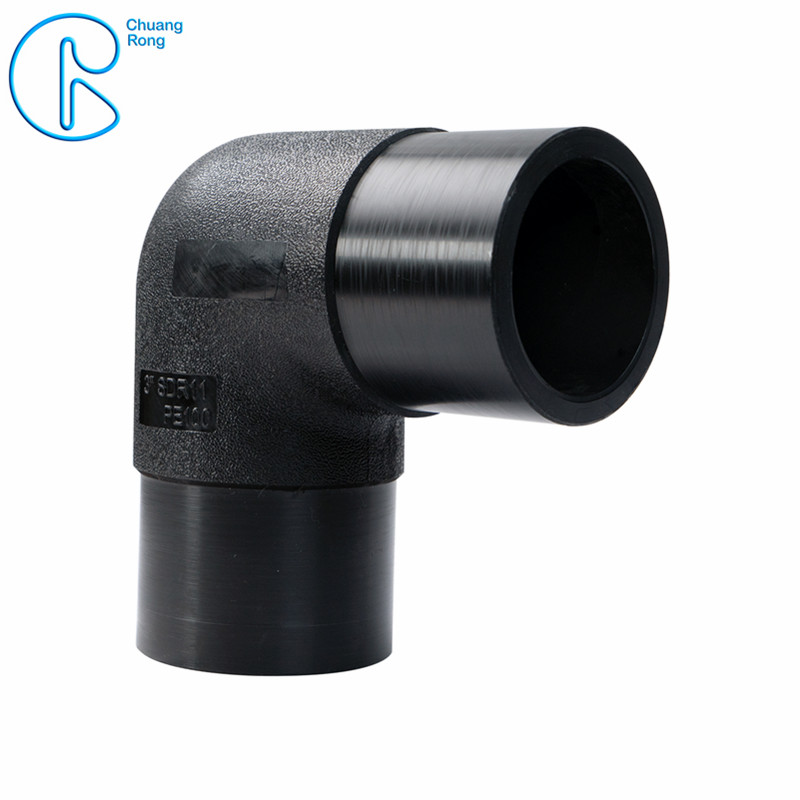
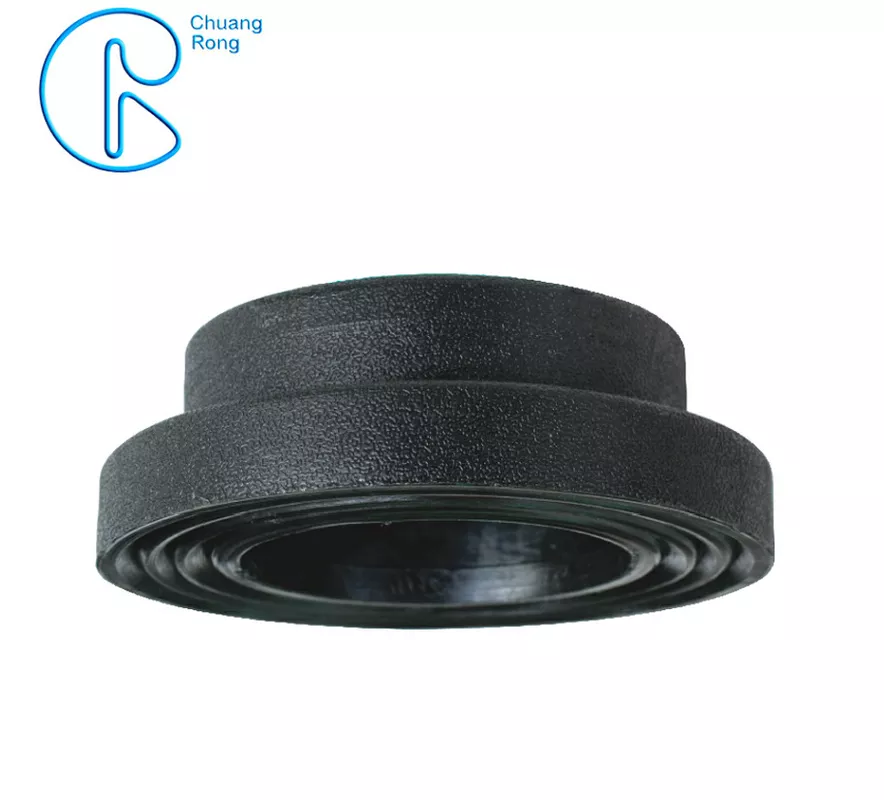
The Crucial Role of Poly Pipe Repair Clamps in Modern Trenchless Pipeline Rehabilitation
In the field of modern civil engineering and municipal infrastructure maintenance, the demand for non-disruptive, cost-effective, and highly reliable pipeline rehabilitation methods has grown exponentially. Trenchless pipeline repair technologies, such as slip lining, pipe bursting, and horizontal directional drilling (HDD), have revolutionized how we manage underground assets. Central to the success of these operations is the poly pipe repair clamp. High-Density Polyethylene (HDPE) and other thermoplastic piping systems have become the global standard for water, gas, mining, and industrial fluid transmission due to their flexibility, corrosion resistance, and long service life. However, physical impacts, ground movement, thermal cycling, and localized stresses can still cause structural damage or joint leaks.
A dedicated poly pipe repair clamp acts as a high-integrity mechanical bridge that seals leaks, reinforces weakened sections, and restores the full operating pressure of the pipeline without requiring extensive excavation. In trenchless operations, where access is restricted to entry and exit pits, the mechanical reliability and ease of installation of these clamps are paramount. They must withstand high external pressures, resist chemical degradation from surrounding soils, and accommodate the unique physical behaviors of polyethylene, such as viscoelastic creep and thermal expansion.
Why HDPE Repair Differs From Traditional Metallic Pipes
Unlike steel or ductile iron, polyethylene has a high coefficient of thermal expansion and exhibits creep under continuous mechanical load. A standard metallic pipe clamp can slip or deform the poly pipe over time. Engineered poly pipe repair clamps utilize specialized internal grid gaskets, radial sealing mechanisms, and flexible stainless steel bands to distribute clamping force evenly, preventing localized pipe deformation while maintaining a gas-tight and water-tight seal.
Commercial and Industrial Status of Trenchless Poly Pipe Repair
Globally, the market for trenchless utility rehabilitation is experiencing a significant surge. Municipalities in North America, Europe, and Asia-Pacific are dealing with aging water and sewer networks that are decades old. Excavating busy metropolitan roads to replace these lines is no longer economically or socially viable due to traffic disruption, loss of business revenue, and high carbon emissions associated with heavy machinery. As a result, trenchless repair methods have become the preferred choice, driving the demand for specialized connection and repair accessories.
Industrial sectors, including chemical processing, mining slurry transport, offshore operations, and oil and gas distribution, are also adopting trenchless poly pipe repair systems. In these environments, pipelines carry abrasive, corrosive, or high-temperature fluids. When a leak occurs, shutdown times must be minimized. The poly pipe repair clamp offers a rapid-response solution that can be installed under wet or flowing conditions, eliminating the need to completely drain the system or wait for complex fusion welding setups. The commercial landscape is shifting toward products that combine mechanical simplicity with long-term material durability, certified to international standards such as ISO, ASTM, and WRAS.
One-Stop Solution for Plastic Piping System
CHUANGRONG is a share industry and trade integrated company, established in 2005. We focus on the production of a full range of quality HDPE pipes & fittings (from 20-1600mm, SDR26/SDR21/SDR17/SDR11/SDR9/SDR7.4), and the sale of PP compression fittings, plastic welding machines, pipe tools, and pipe repair clamps, etc.
We own more than 100 sets of pipe production lines and 200 sets of fitting production equipment. Our production capacity reaches more than 100 thousand tons. Our catalog mainly contains 6 systems of water, gas, dredging, mining, irrigation, and electricity, spanning more than 20 series and more than 7,000 specifications.
Our products are in line with ISO4427/4437, ASTMD3035, EN12201/1555, DIN8074, and AS/NZS4130 standards, and are approved by ISO9001-2015, CE, BV, SGS, and WRAS.
See More About Us →Engineering Analysis: How Poly Pipe Repair Clamps Perform Under Stress
The mechanical design of a poly pipe repair clamp must account for several physical variables. When a trenchless repair is performed—for example, when a new HDPE liner is pulled through an existing fractured ductile iron pipe—the external surface of the poly pipe is subject to friction, scratches, and point-loading from surrounding debris. If a puncture occurs, the repair clamp must seal against a potentially uneven surface.
To achieve this, high-quality clamps utilize a full-circle elastomeric gasket, typically made of EPDM or NBR. The gasket features a gridded pattern that flows into surface imperfections under compression. The outer shell, constructed from high-grade stainless steel (SUS304 or SUS316), provides the tension required to compress the gasket. Heavy-duty lugs, made of ductile iron or cast stainless steel, ensure that the torque applied to the bolts is translated into uniform radial pressure around the circumference of the poly pipe. This prevents the pipe from ovalizing or collapsing, which is a critical risk for thin-walled (high SDR) polyethylene pipes.
Key Performance Parameters of Clamps in Trenchless Applications:
- Viscoelastic Creep Compensation: Polyethylene naturally relaxes under stress. The clamp design must maintain constant tension even as the pipe wall slightly yields over time.
- Thermal Tolerance: Underground pipes experience temperature fluctuations. The clamp must expand and contract dynamically without losing its seal.
- Corrosion Resistance: Since trenchless installations are buried deep underground and are difficult to access, the clamp must resist soil chemicals, acidic groundwater, and galvanic corrosion for a design life exceeding 50 years.
One-Stop Supplies and Solutions
As one of the largest PE pipeline manufacturers in China, CHUANGRONG provides customers with a full range of services from design, production, installation, and maintenance to ensure the long-term stable operation of PE pipeline systems.

Complete Product Line

Related Products & Service

Installation & Maintenance

Design & Customization

Technical Support
Deep-Dive Application Scenarios of Poly Pipe Repair Clamps
The versatility of poly pipe repair clamps makes them indispensable in a variety of complex engineering scenarios. Below we analyze four critical environments where these clamps play a vital role in trenchless pipeline repair:
1. Municipal Water Supply & Wastewater Networks
In urban centers, water mains run beneath roads, buildings, and historical sites. When a localized leak or crack is detected via acoustic sensors, excavation is often impossible. Using trenchless repair techniques, engineers can insert an HDPE liner or use localized spot repair. A poly pipe repair clamp is installed at the connection points between the old metallic main and the new poly pipe section, or used directly on the HDPE pipe to seal localized punctures. The clamp ensures a sanitary, leak-free seal that meets strict drinking water standards (such as WRAS and NSF).
2. Mining and Dredging Operations
Mining operations rely on HDPE pipelines to transport abrasive slurries, chemical reagents, and process water over rugged terrain. These pipelines are subject to constant vibration, external impact from heavy machinery, and internal wear. When a pipe wall thins or punctures, shut-down costs can reach thousands of dollars per minute. Heavy-duty poly pipe repair clamps allow operators to perform quick, structural repairs directly on the line without halting operations. The stainless steel construction resists the corrosive environment, while the robust mechanical grip prevents the clamp from sliding under high vibrational forces.
3. Industrial Chemical Process Lines
Chemical manufacturing plants utilize thermoplastic piping systems to carry acids, bases, and hydrocarbons that would rapidly degrade metallic pipes. If a joint or wall section fails, the repair solution must match the chemical resistance of the pipe. Specialized repair clamps fitted with NBR or Viton gaskets are deployed to contain leaks safely. Because the clamps are installed mechanically, they eliminate the spark hazards associated with hot-work welding in petrochemical environments, significantly improving safety.
4. Natural Gas Distribution Networks
Safety is the absolute priority in natural gas distribution. HDPE is the material of choice for low-to-medium pressure gas lines. When ground shifting or excavation work causes minor damage to a gas line, a fast, reliable, and gas-tight repair is critical. Poly pipe repair clamps engineered for gas service feature specialized sealing rings that prevent gas migration, providing a permanent repair that meets stringent international safety certifications.
Why Choose CHUANGRONG
As one of the largest PE pipeline manufacturers in China, CHUANGRONG provides customers with a full range of services from design, production, installation, and maintenance to ensure the long-term stable operation of PE pipeline systems.

ONE-STOP SOLUTION

PRODUCTION ON DEMAND

CERTIFICATION IS COMPLETE

EXCELLENT TEAM
Future Trends in Trenchless Infrastructure & Smart Repair Clamps
The pipeline repair industry is undergoing a digital and material transformation. One of the most promising trends is the integration of "smart" technologies into mechanical repair clamps. By embedding miniature pressure and acoustic sensors within the clamp body, operators can monitor the structural integrity of the repair in real-time. If the pipe experiences sudden pressure drops, ground shifts, or temperature anomalies, the clamp transmits data wirelessly to the municipal control center, allowing for proactive maintenance before a catastrophic failure occurs.
Another major trend is the development of lightweight composite clamps. While stainless steel remains the industry standard, advanced carbon-fiber and polymer composites are being tested to reduce the overall weight of the clamps, making installation in confined spaces or deep trenchless pits much easier for technicians. Furthermore, manufacturers are focusing heavily on environmental sustainability, utilizing recycled metals and eco-friendly manufacturing processes to lower the carbon footprint of underground utility repairs.
As global urbanization continues to accelerate, the pressure on underground infrastructure will only increase. High-quality poly pipe repair clamps, coupled with innovative trenchless installation technologies, will remain the cornerstone of resilient, reliable, and sustainable utility networks for generations to come. CHUANGRONG continues to invest in advanced manufacturing technologies and material sciences to deliver state-of-the-art piping solutions that keep pace with these global trends.
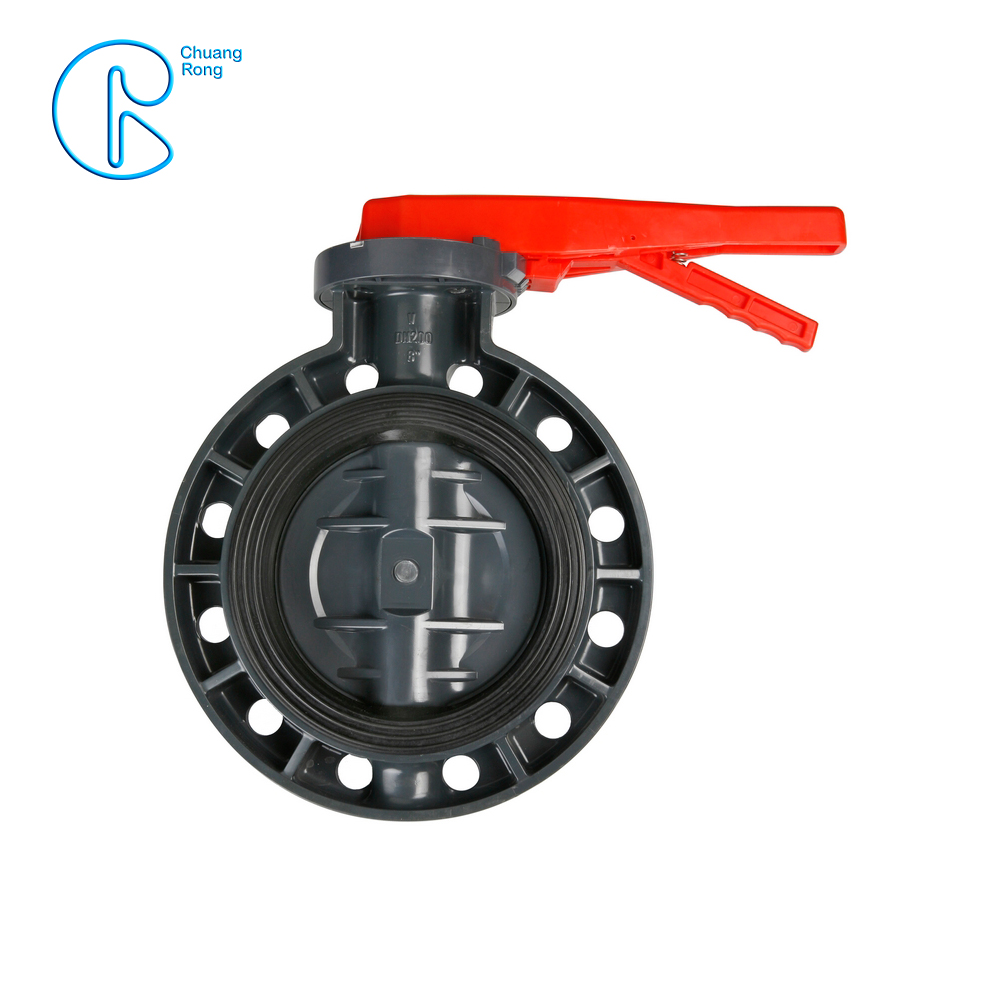
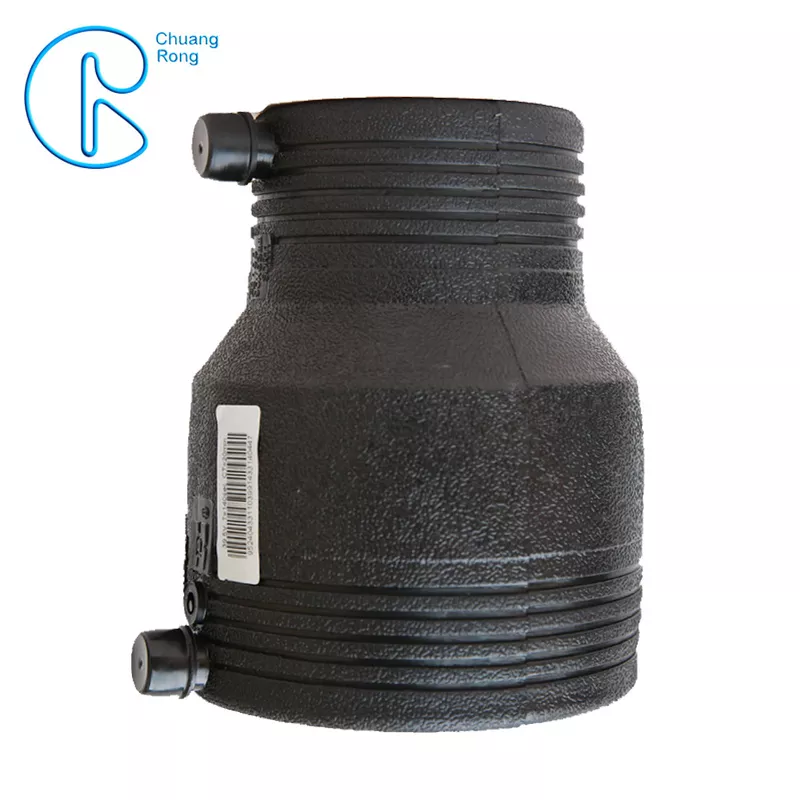
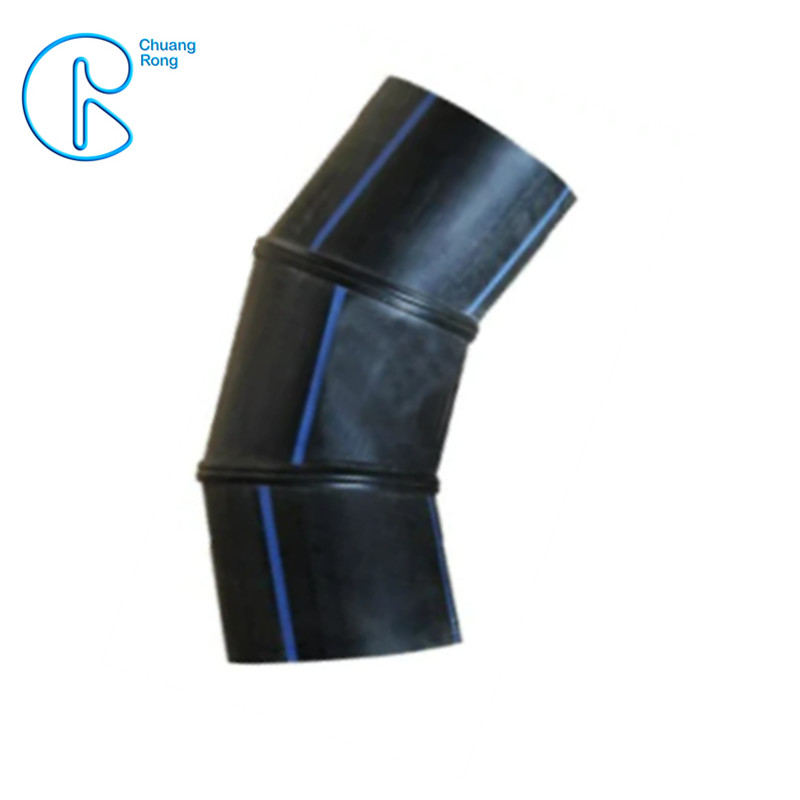
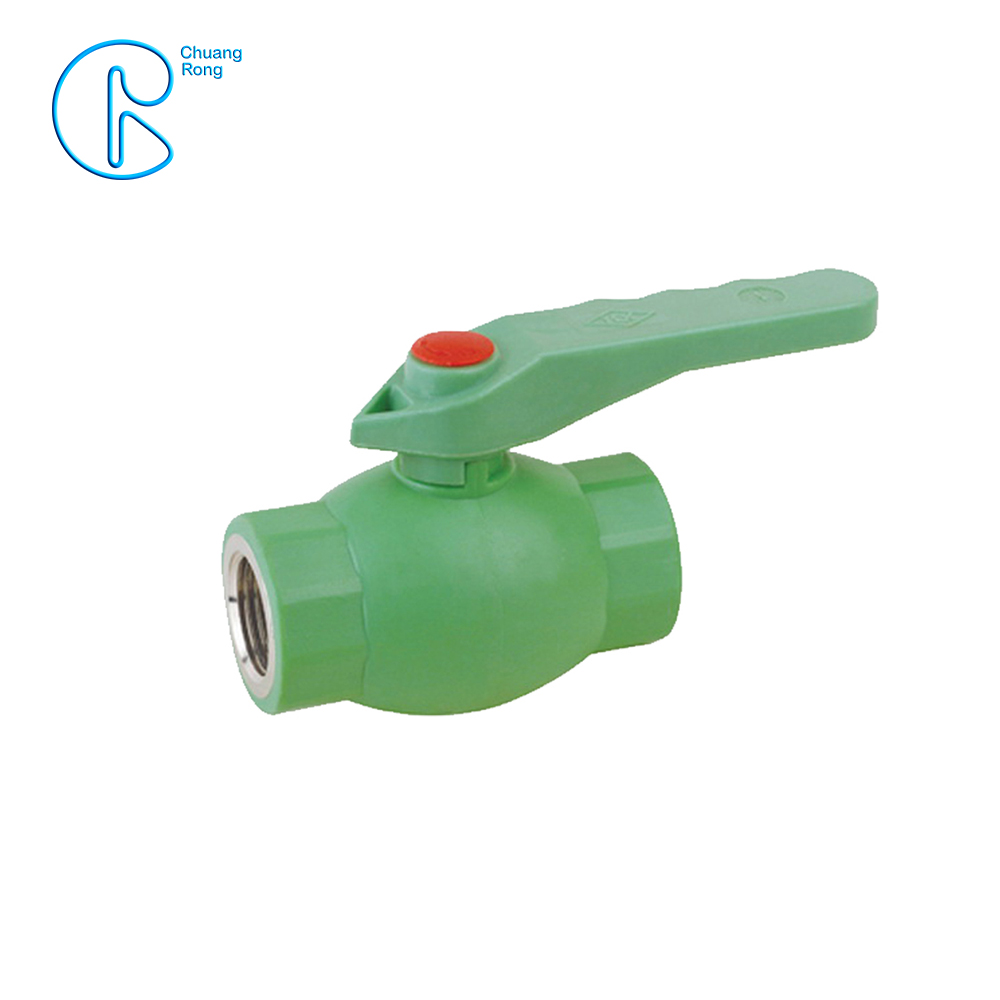
Our Complete Range of Piping & Repair Fittings
Browse our extensive catalog of high-density polyethylene and polypropylene products designed for industrial, municipal, and trenchless pipeline systems.

Social Links


Our Company
information
Quick Links
contact us
-
ADD:
Room 911, Building T1, The Ring Center, No.333 Dongda Road, Chengdu, China.
- TEL: 0086-18180897627
- EMAIL: chuangrong@cdchuangrong.com
Hot Products - Sitemap - AMP Mobile
Hdpe Pipe Fitting, Hdpe Pipe And Fitting, Male Adaptor, Hdpe Pipe Fittings, Pe Water Pipe, Repair Clamp,
-

Phone
-

E-mail
-

Whatsapp
-

Skype
-

Top
