


Featured Pipeline Solutions & Equipment
High-performance piping joints, repair systems, and welding machinery designed for critical infrastructure projects.
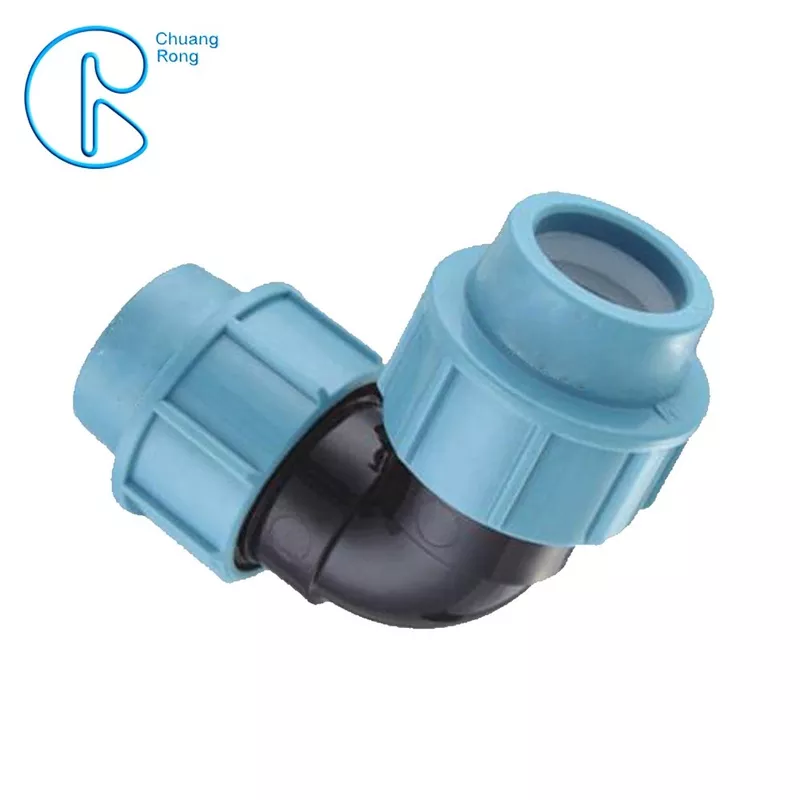
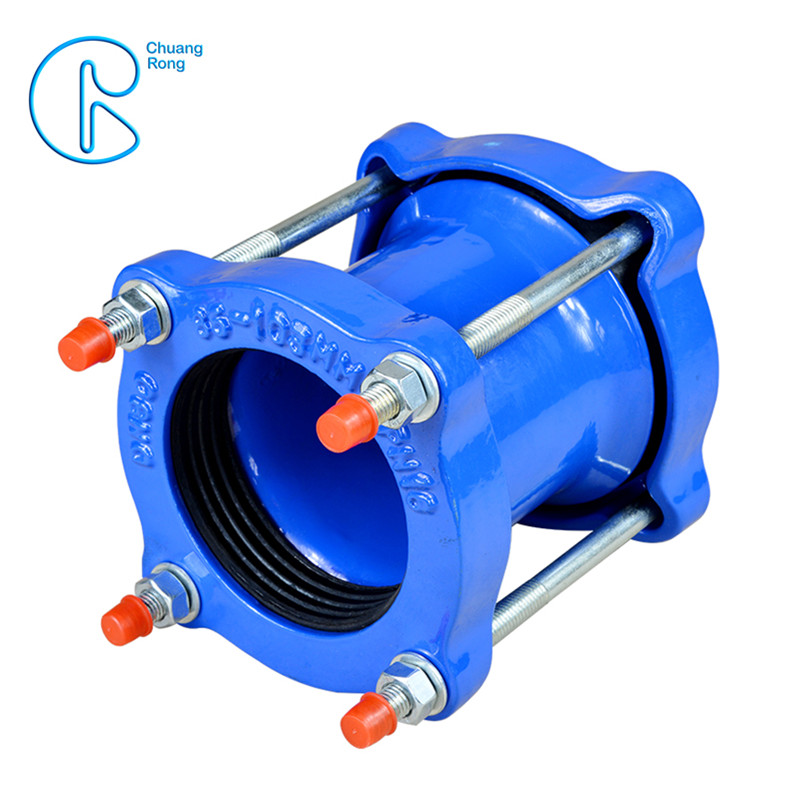
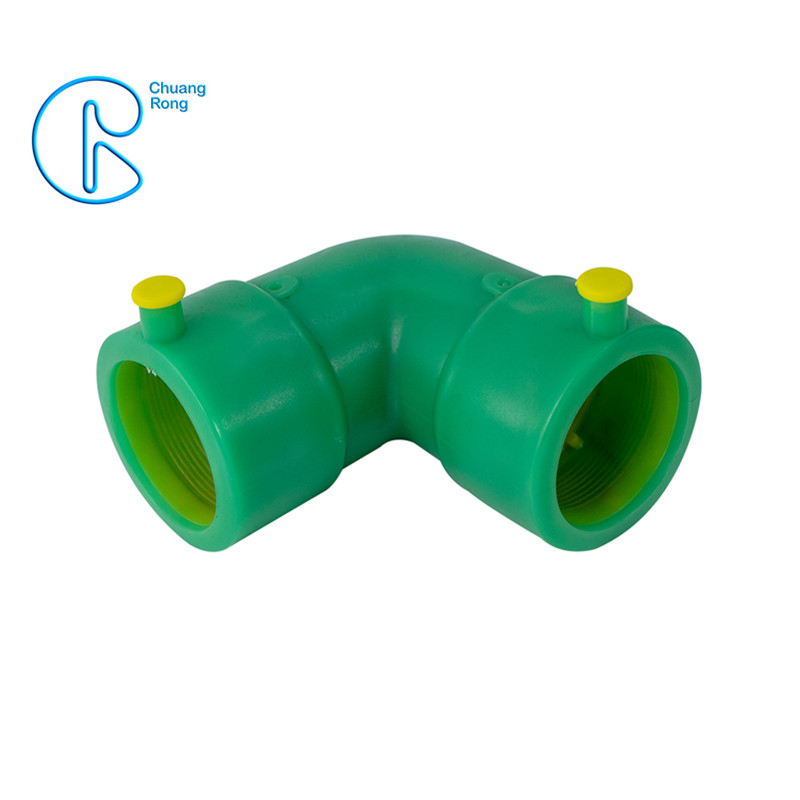
Industrial Pipeline Repair & Infrastructure Landscape in Bangladesh
Did you know? Traditional pipeline repair methods in Bangladesh often required shutting down water or gas supplies to entire residential or industrial zones. Today, modern pipeline repair collars allow for rapid, under-pressure repairs, eliminating service downtime and reducing operational costs by up to 60%.
Why Pipeline Repair Collars are Critical for Bangladesh's Infrastructure
Key Application Scenarios in the Bangladeshi Market
Industry Trends: The Shift Towards HDPE & Electrofusion Technologies
How to Request Quotes for Pipeline Repair Collars in Bangladesh
- Pipe Material: Whether the collar is for HDPE, PVC, Ductile Iron, or Steel pipes, as this affects the gasket design.
- Outer Diameter (OD): The exact outer diameter of the pipe (ranging from 20mm up to 1600mm for large mains).
- Pressure Rating (PN/SDR): The maximum operating pressure the collar must withstand (e.g., PN10, PN16).
- Medium & Temperature: The type of fluid (potable water, natural gas, corrosive chemicals) to select the right rubber gasket (EPDM, NBR, Viton).
- Compliance Standards: Ensure the products comply with international standards like ISO4427, ISO4437, CE, or WRAS.
CHUANGRONG: One-Stop Solution for Plastic Piping Systems
A globally recognized manufacturer and supplier, delivering certified piping solutions to over 80 countries, including Bangladesh.
One-Stop Supplies and Solutions
As one of the largest PE pipeline manufacturers, CHUANGRONG provides comprehensive services from design to installation and maintenance.

Complete Product Line

Related Products & Service

Installation & Maintenance

Design & Customization

Technical Support
Why Choose CHUANGRONG
With decades of global export experience, we ensure high quality, reliable supply, and dedicated technical support.

One-Stop Solution

Production On Demand

Certification Complete

Excellent Team
Our Complete Product Catalog
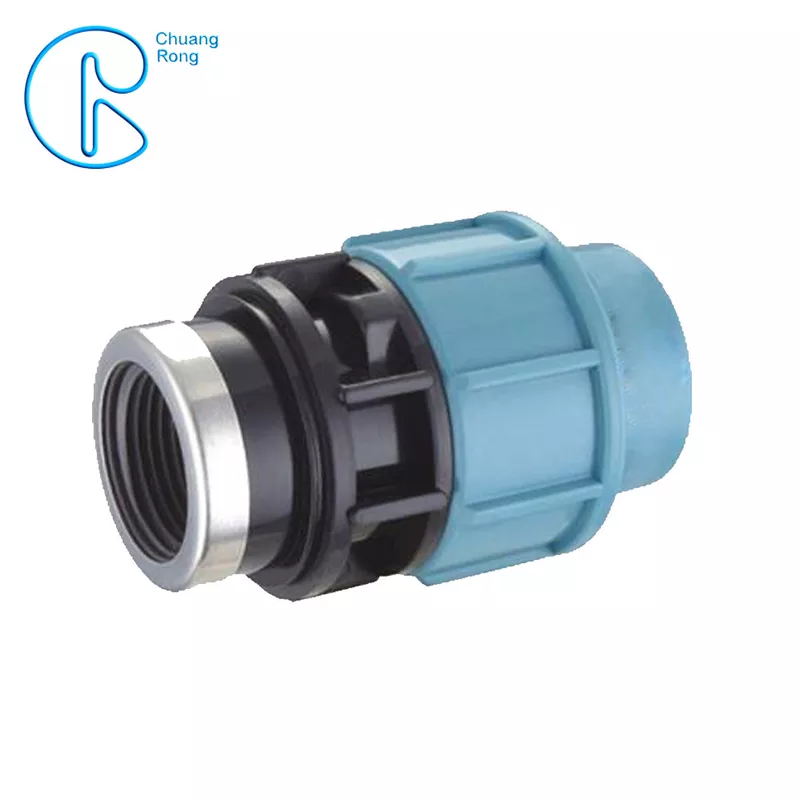
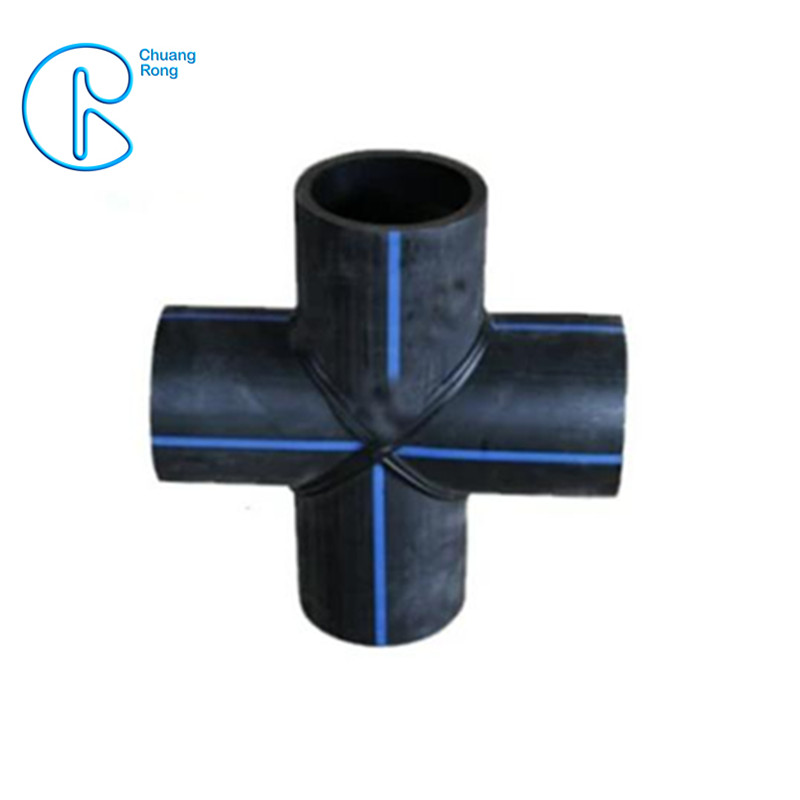
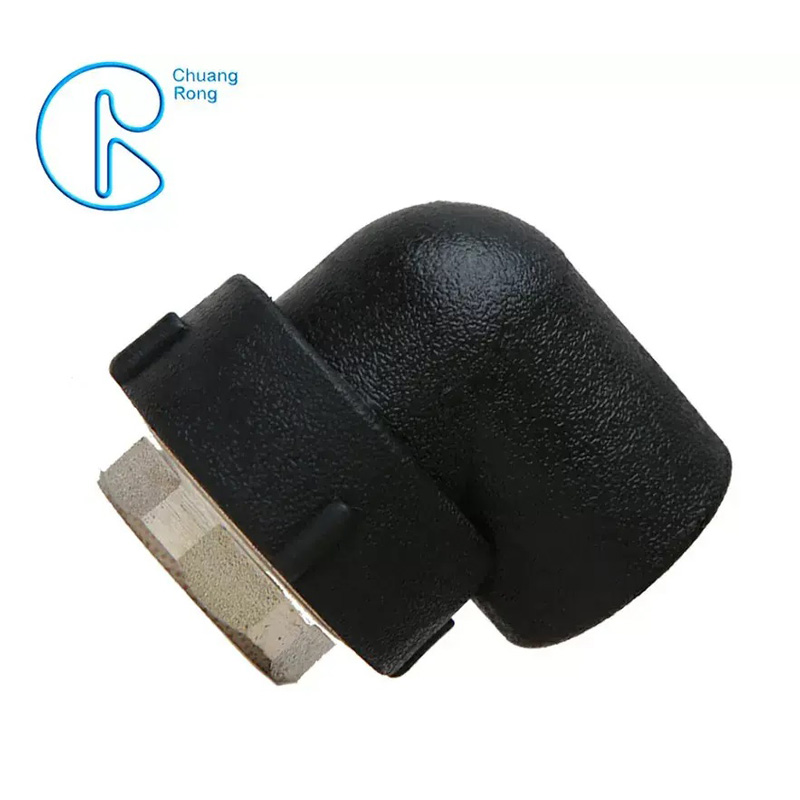
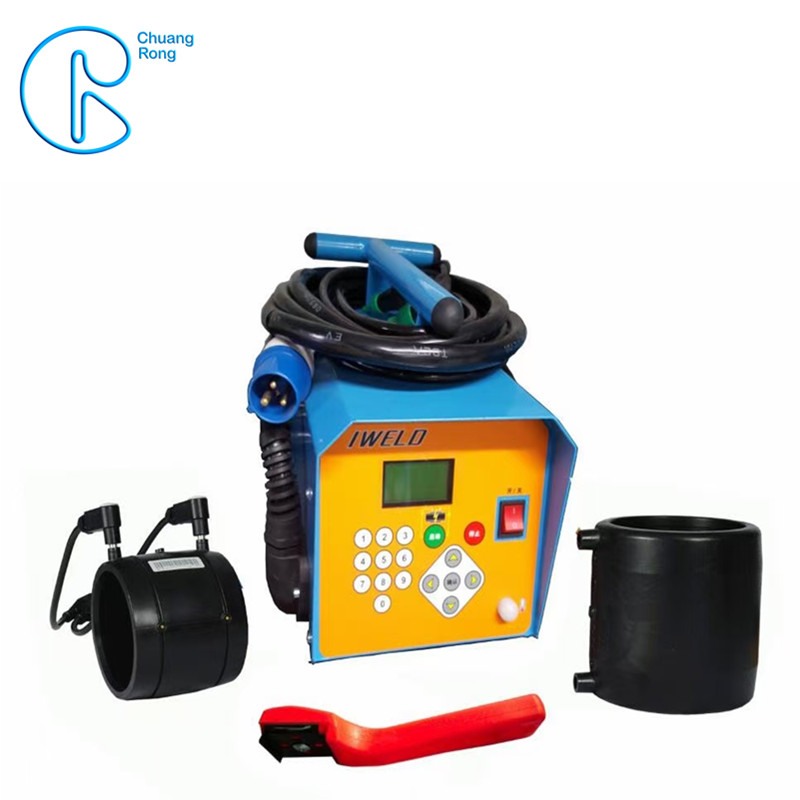
Explore our full range of high-density polyethylene fittings, polypropylene joints, welding machines, and transition fittings.

Social Links


Our Company
information
Quick Links
contact us
-
ADD:
Room 911, Building T1, The Ring Center, No.333 Dongda Road, Chengdu, China.
- TEL: 0086-18180897627
- EMAIL: chuangrong@cdchuangrong.com
Hot Products - Sitemap - AMP Mobile
Pe Water Pipe, Hdpe Pipe Fittings, Hdpe Pipe And Fitting, Repair Clamp, Male Adaptor, Hdpe Pipe Fitting,
-

Phone
-

E-mail
-

Whatsapp
-

Skype
-

Top
