


Featured Pipe Fusion Equipment & Sockets
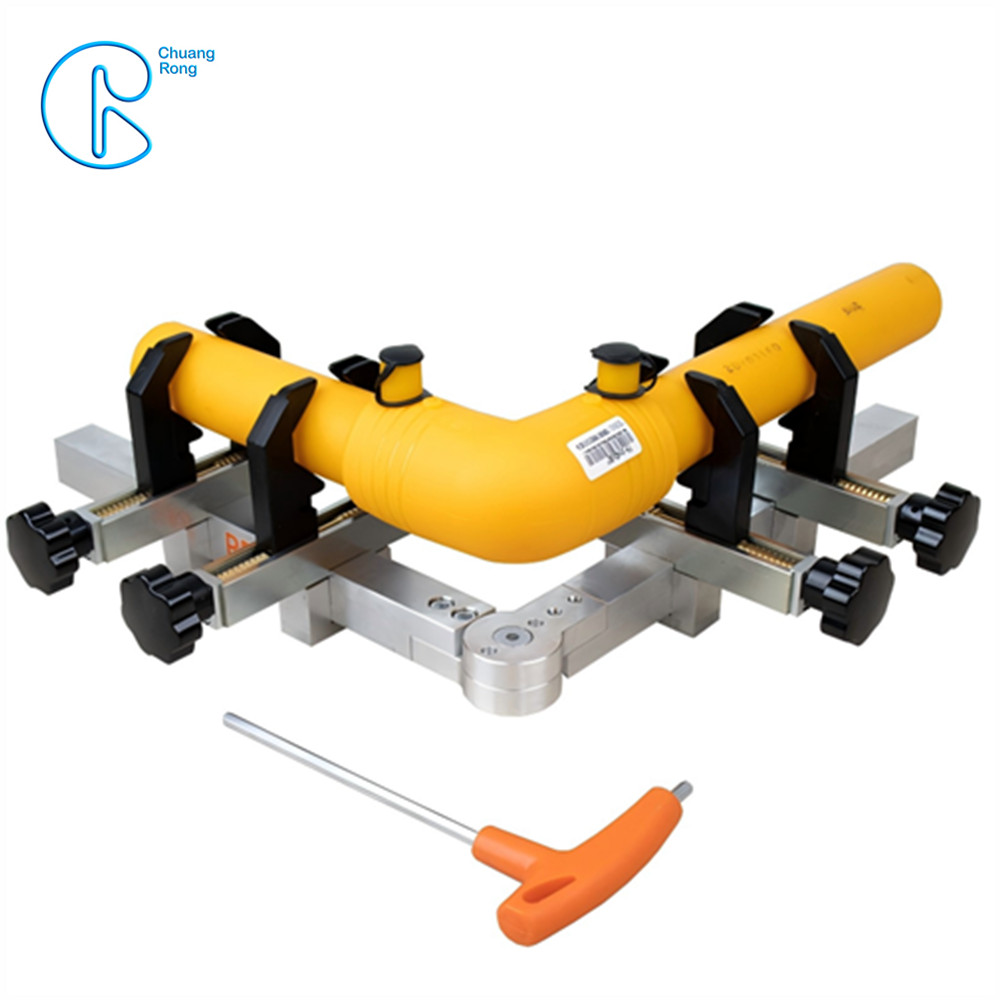
63-500mm Professional Aligner Tool Holding Pipes Still and Aligned During HDPE Electrofusion Welding
Get Quote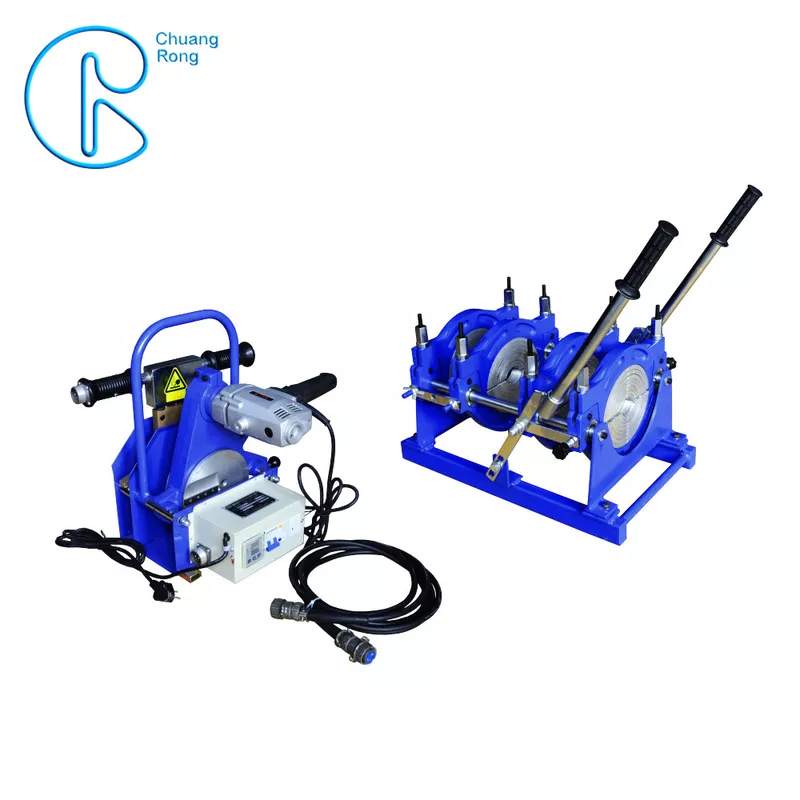
63 - 160 MM / 63 - 200 MM Plastic Pipe Manual Butt Fusion Machine One Year Warranty
Get Quote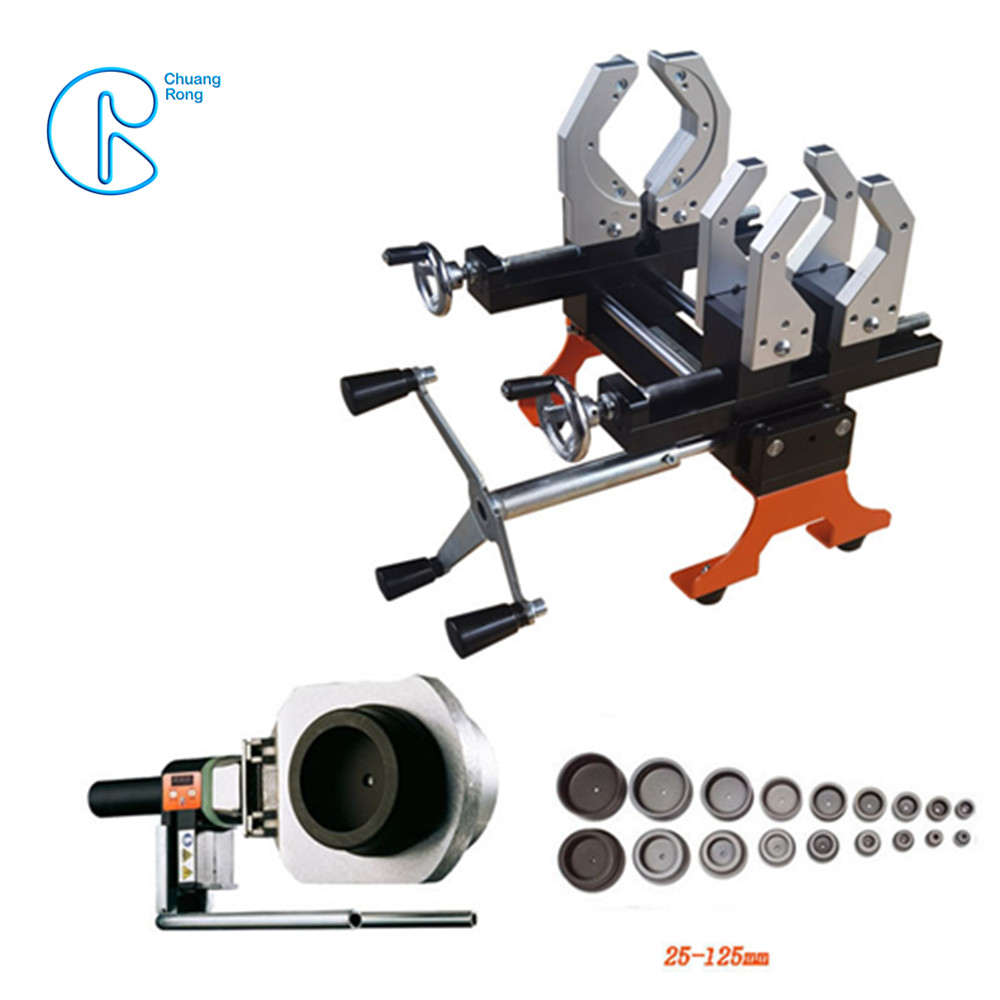
PE PP PB PVDF Pipe 20-125 Portable Manual Socket Fusion Machine
Get Quote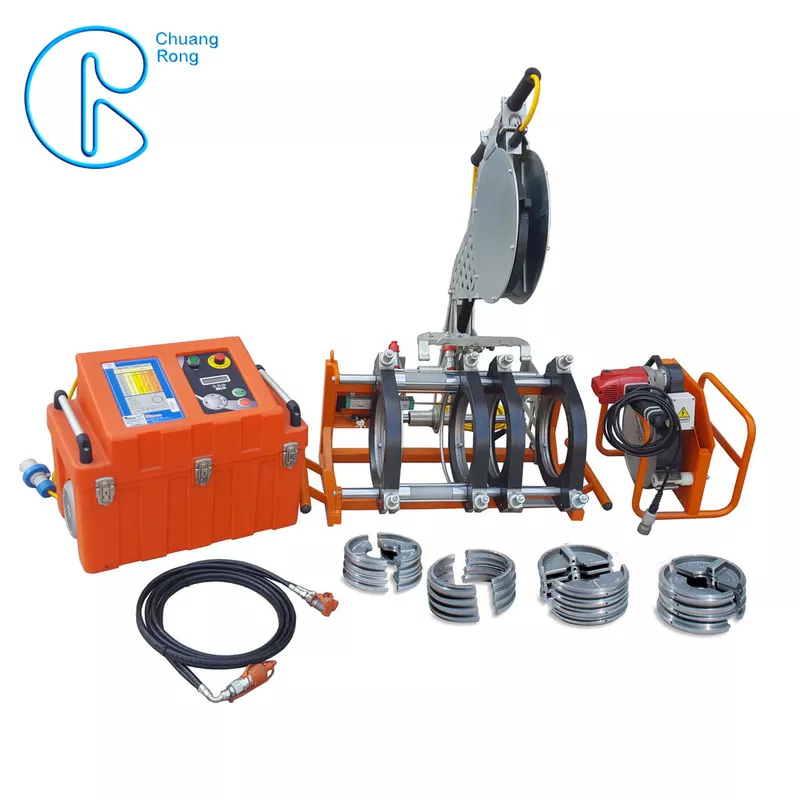
CNC 250 - 315 Plastic HDPE Pipeline Long Working Life Automatic Welding Machine
Get QuoteThe Growing Market for High Frequency Sockets and Fusion Jointing in South Africa
South Africa's industrial, municipal, and commercial sectors are undergoing rapid modernization. As infrastructure projects expand across provinces like Gauteng, KwaZulu-Natal, and the Western Cape, there is an unprecedented demand for reliable, leak-free piping networks. Traditional jointing methods are increasingly being replaced by high-performance plastic piping solutions, where socket fusion and electrofusion play a critical role. If you are searching for a premier High Frequency Socket Quotes & Supplier in South Africa, understanding the local application scenarios, engineering requirements, and technological trends is crucial for making informed procurement decisions.
High-frequency socket fusion and electrofusion fittings are designed to create a molecular bond between plastic pipes (such as HDPE, PPR, PP, and PVDF) and their corresponding sockets. This process ensures that the joint becomes as strong as—or even stronger than—the pipe itself. In South Africa, where water scarcity is a national challenge and acid mine drainage poses severe environmental threats, the integrity of pipe joints is non-negotiable. High-frequency fusion technology offers localized heating control, rapid cooling cycles, and unparalleled joint strength, making it the preferred method for modern pipeline installations.
Industrial and Commercial Landscape of Pipe Fusion in South Africa
South Africa's diverse economy presents unique challenges for fluid and gas transportation. The country's mining sector, which includes deep-level gold, platinum, and coal mines, operates under extreme pressures and highly corrosive environments. Transporting slurry, chemical waste, and processing water requires pipelines that can resist chemical degradation and physical abrasion. High-density polyethylene (HDPE) pipes joined using high-frequency electrofusion sockets provide the ideal solution, preventing hazardous leaks and minimizing maintenance downtime.
In municipal sectors, major metropolitan areas such as Johannesburg, Cape Town, and Durban are actively upgrading their aging water distribution networks. Water loss due to leaks in old metal and asbestos-cement pipes costs municipalities billions of Rands annually. By transitioning to HDPE and PPR piping systems joined via socket fusion and electrofusion, local governments are establishing resilient, flexible networks capable of withstanding ground movement and thermal expansion. This shift has triggered a surge in demand for specialized pipe fusion machinery, aligner tools, and high-quality socket fittings.
Key Local Application Scenarios in South Africa:
- Municipal Water Distribution: High-density polyethylene pipelines with socket fusion joints to prevent water loss in drought-prone regions.
- Mining & Slurry Transport: Heavy-duty HDPE pipelines capable of handling abrasive mine tailings and acidic liquids without joint failure.
- Gas Station Fuel Piping: Double-layer PE electrofusion UPP fittings designed specifically for safe underground fuel transfer in retail petroleum stations.
- Telecommunication & Cable Protection: MPP and HDPE conduits for housing fiber optic cables, using reliable jointing to exclude water ingress.
Technical Insights: High Frequency Socket Fusion vs. Electrofusion
To select the right piping system components, it is essential to understand the distinction between socket fusion and electrofusion, both of which fall under the umbrella of thermal jointing technologies. Socket fusion involves heating the outer surface of the pipe and the inner surface of the socket fitting simultaneously using a specialized heating tool (such as a portable manual socket fusion machine). Once the materials reach their melting points, the pipe is inserted into the socket, cooling to form a homogeneous joint.
Electrofusion, on the other hand, utilizes fittings embedded with electrical heating coils. When connected to an electrofusion control box, an electric current is passed through the coils, heating the interface and melting the surrounding plastic. In high-frequency or high-precision applications, advanced control units monitor temperature, voltage, and fusion time to adapt to ambient temperatures, which is particularly useful in South Africa's highly variable climate—ranging from freezing winter nights in the Highveld to scorching summer days in the Karoo.
Using tools like the 63-500mm Professional Aligner Tool ensures that during the critical heating and cooling phases, the pipes remain perfectly straight. Any misalignment during fusion can lead to structural weaknesses, reducing the operational lifespan of the pipeline.
Market Trends and the Move Towards Automation in South Africa
The South African piping industry is witnessing a significant shift towards automation and digital tracking. Project specifications increasingly require contractors to use CNC (Computer Numerical Control) automatic welding machines. These machines record joint data, including fusion time, temperature, pressure, and operator details. This "joint logging" provides quality assurance for municipal authorities and private developers, ensuring that every weld complies with standards such as SANS (South African National Standards) and ISO.
Furthermore, local distributors and contractors are prioritizing suppliers who can provide comprehensive, one-stop solutions. Sourcing pipes, socket fittings, electrofusion processors, and alignment tools from a single reputable manufacturer reduces compatibility issues, simplifies logistics, and ensures consistent quality across the entire pipeline network.
How to Obtain Accurate Quotes for High Frequency Sockets in South Africa
When requesting quotes for high-frequency sockets, electrofusion fittings, or socket fusion machinery, buyers should provide detailed project specifications to ensure accurate pricing and technical compatibility. Key factors to include in your inquiry are:
- Material Specifications: Specify whether you require HDPE (PE100 or PE80), PPR for hot/cold water systems, or PVDF for chemical applications.
- Dimension Ratio (SDR): The wall thickness and pressure rating (e.g., SDR11, SDR17, PN16) dictate the dimensions of the fittings.
- Standards Compliance: Ensure the products meet relevant international standards such as ISO 4427/4437, EN 12201, or ASTM D3035, which are widely accepted in South Africa.
- Tooling and Accessories: Request quotes for necessary installation tools, such as pipe scrapers, aligners, and fusion welding machines, to guarantee a complete system solution.
Partnering with an experienced global manufacturer like CHUANGRONG allows South African businesses to access factory-direct pricing, extensive technical support, and customized manufacturing capabilities. This ensures projects are completed on schedule, within budget, and to the highest engineering standards.
One-Stop Solution for Plastic Piping Systems
CHUANGRONG is a shared industry and trade integrated company established in 2005. We focus on the production of a full range of quality HDPE pipes & fittings (ranging from 20mm to 1600mm, SDR26/SDR21/SDR17/SDR11/SDR9/SDR7.4), alongside the sale of PP compression fittings, plastic welding machines, pipe tools, and pipe repair clamps.
We own more than 100 sets of pipe production lines and 200 sets of fitting production equipment. Our annual production capacity reaches more than 100 thousand tons. CHUANGRONG's main systems cover water, gas, dredging, mining, irrigation, and electricity, offering more than 20 series and over 7,000 specifications.
Our products comply with international standards including ISO4427/4437, ASTM D3035, EN12201/1555, DIN8074, and AS/NZS 4130, and have been approved by ISO9001-2015, CE, BV, SGS, and WRAS.
Our Solutions and Services
As one of the largest PE pipeline manufacturers, CHUANGRONG provides comprehensive support from design and production to installation and maintenance, ensuring the long-term stable operation of your piping systems.

Complete Product Line
We offer PE pipes, butt fittings, electrofusion fittings, socket fittings, siphon drainage fittings, valves, transition fittings, and installation tools.
More Details
Related Products & Service
Providing extrusion lines, injection molding machines, robotic arms, CNC machining tools, testing equipment, and complete workshop setups.
More Details
Installation & Maintenance
Support from construction to commissioning, utilizing butt fusion, electrofusion, and mechanical connection methods to prevent leaks.
More Details
Design & Customization
Professional team designing pipeline systems to optimize layouts, reduce pressure loss, and develop customized molds for unique specifications.
More DetailsWhy Choose CHUANGRONG
Partnering with us guarantees access to world-class manufacturing standards, reliable logisitics, and specialized technical support for your projects in South Africa and globally.

One-Stop Solution
Specializing in R&D, production, sales, and installation of plastic pipes and fittings to supply customized services for your project.

Production On Demand
Operating five factories with over 100 pipe production lines and 200 fitting production sets to handle large-scale municipal orders.

Complete Certification
Rigorous quality control from raw materials to finished products, certified by ISO9001-2015, CE, BV, SGS, and WRAS.

Excellent Team
A highly experienced, professional, and efficient team serving clients across more than 80 countries worldwide.
Explore Our Full Range of Pipe Fusion & Fitting Products
63-500mm Professional Aligner Tool Holding Pipes Still and Aligned During HDPE Electrofusion Welding
Get Quote
63 - 160 MM / 63 - 200 MM Plastic Pipe Manual Butt Fusion Machine One Year Warranty
Get Quote
PE PP PB PVDF Pipe 20-125 Portable Manual Socket Fusion Machine
Get Quote
CNC 250 - 315 Plastic HDPE Pipeline Long Working Life Automatic Welding Machine
Get Quote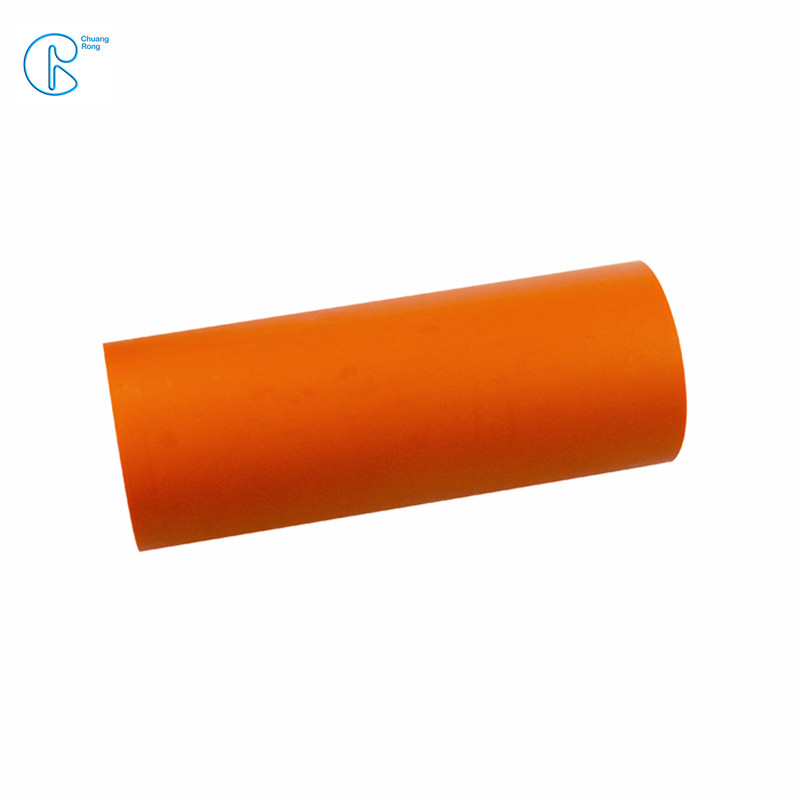
HDPE High Density Polyethylene Pipe MPP Pipe For Cable / Electricity Wire Protection
Get Quote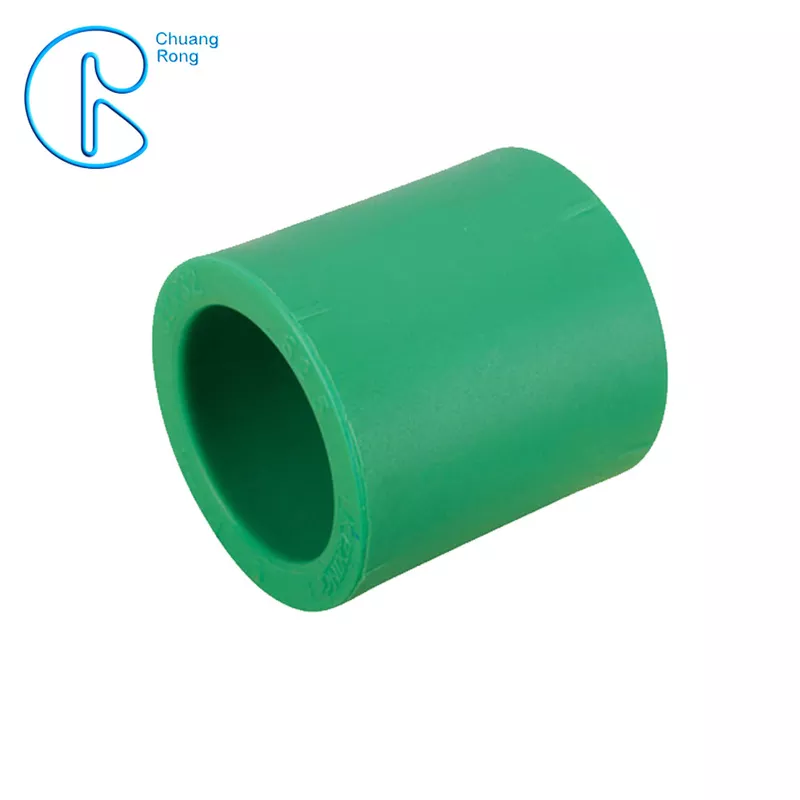
Green PPR 20-160 Socket Water Pipe Fittings PPR Coupling Different Size Fittings
Get Quote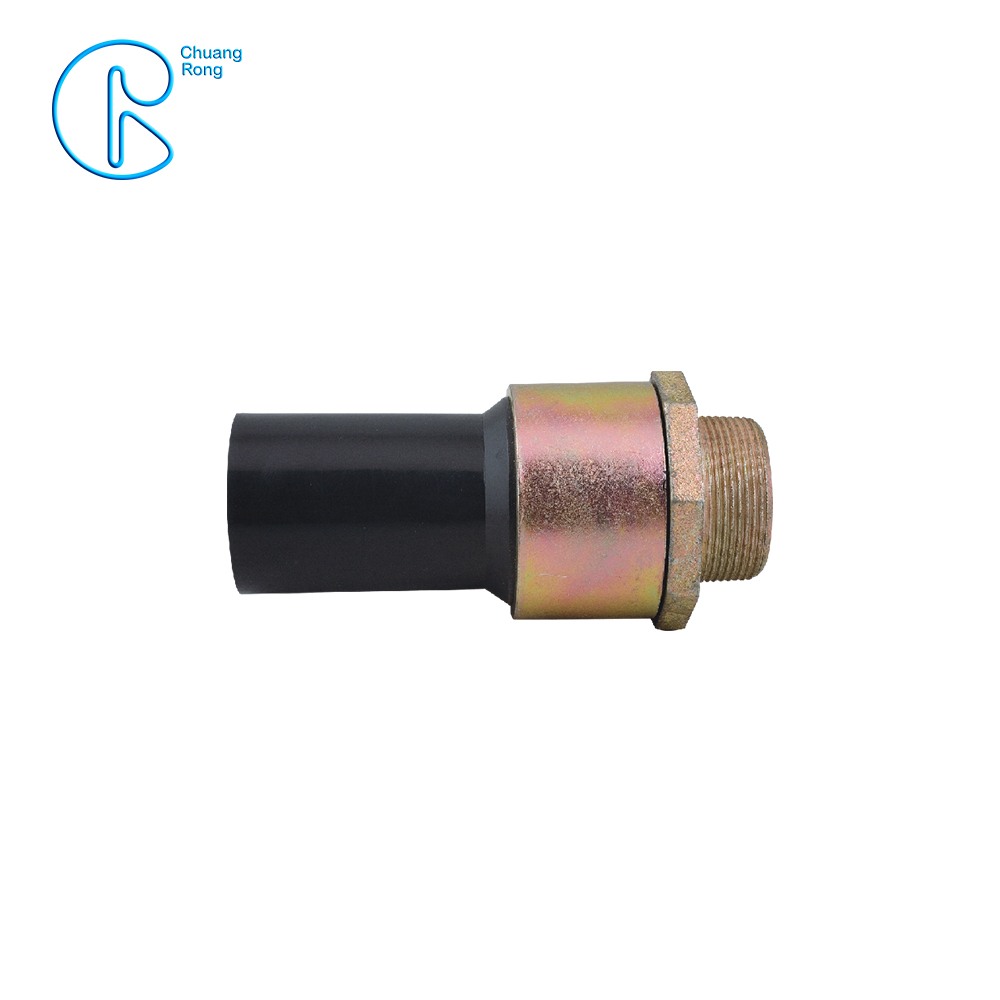
PE - Steel Transition Threaded For Gas and Oil Supply HDPE Pipe Fittings
Get Quote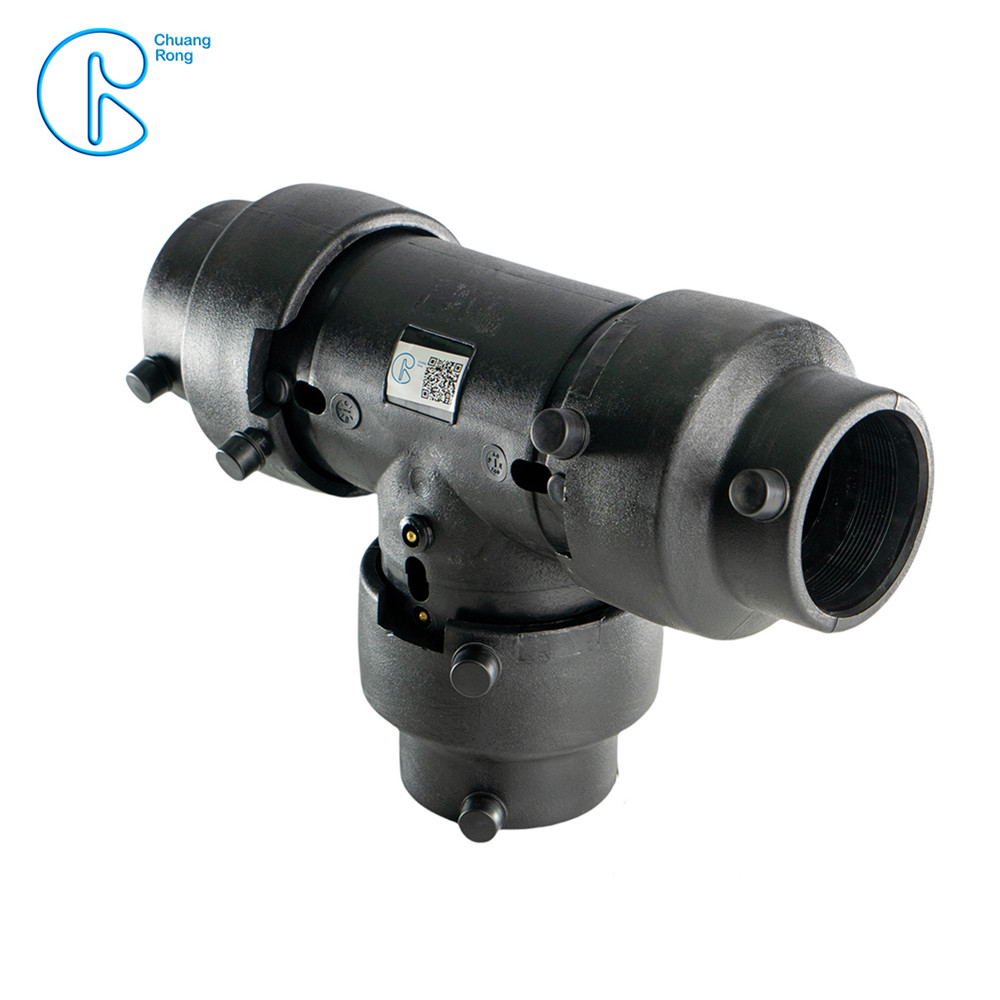
75/63mm Double-layer PE Electrofusion UPP Fittings for Petrol Station/Gas Station
Get Quote
Social Links


Our Company
information
Quick Links
contact us
-
ADD:
Room 911, Building T1, The Ring Center, No.333 Dongda Road, Chengdu, China.
- TEL: 0086-18180897627
- EMAIL: chuangrong@cdchuangrong.com
Hot Products - Sitemap - AMP Mobile
Pe Water Pipe, Hdpe Pipe Fittings, Hdpe Pipe And Fitting, Repair Clamp, Male Adaptor, Hdpe Pipe Fitting,
-

Phone
-

E-mail
-

Whatsapp
-

Skype
-

Top
