


Featured HDPE Jointing & Preparation Tools
Ensure structural integrity and seamless installation in your industrial waste drainage network with our precision equipment.
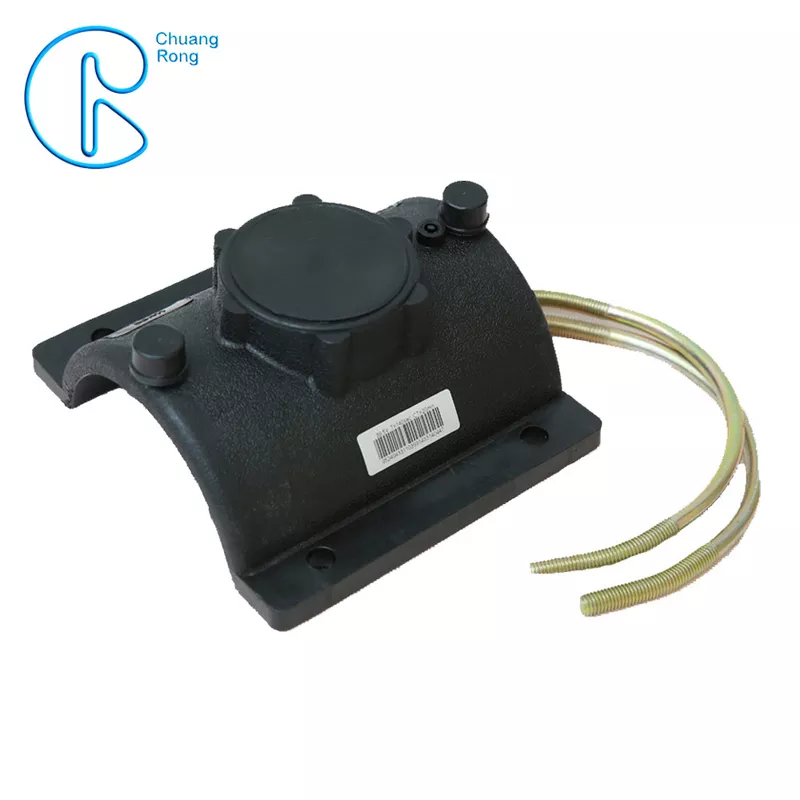
PN16 SDR11 PE100 90-315mm HDPE Electrofusion Fittings Repair Saddle for Industrial Waste Drainage
Learn More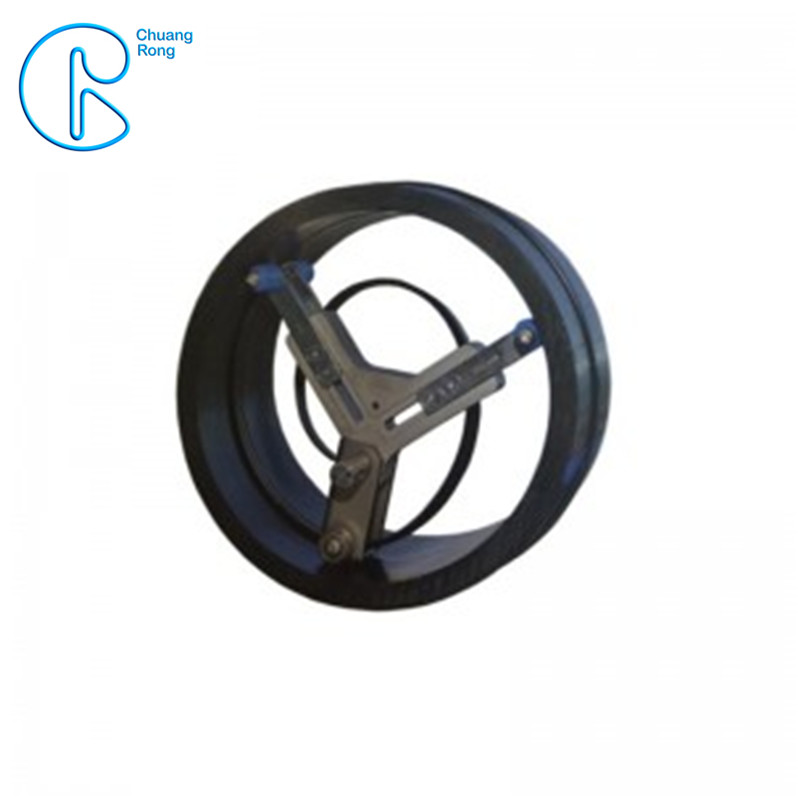
HDPE Pipe Internal & External Debeader Tools for Industrial Waste Drainage Piping
Learn More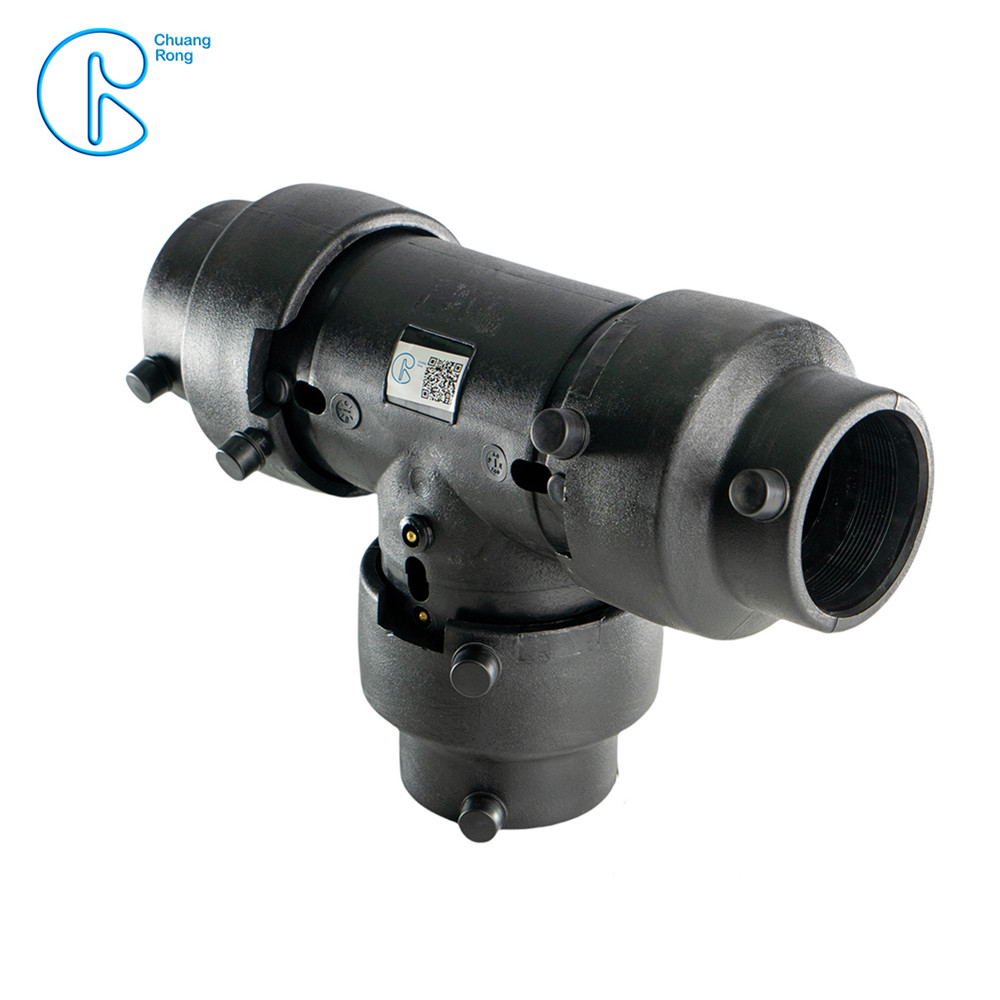
75/63mm Double-layer PE Electrofusion UPP Fittings for Chemical Waste & Drainage Systems
Learn More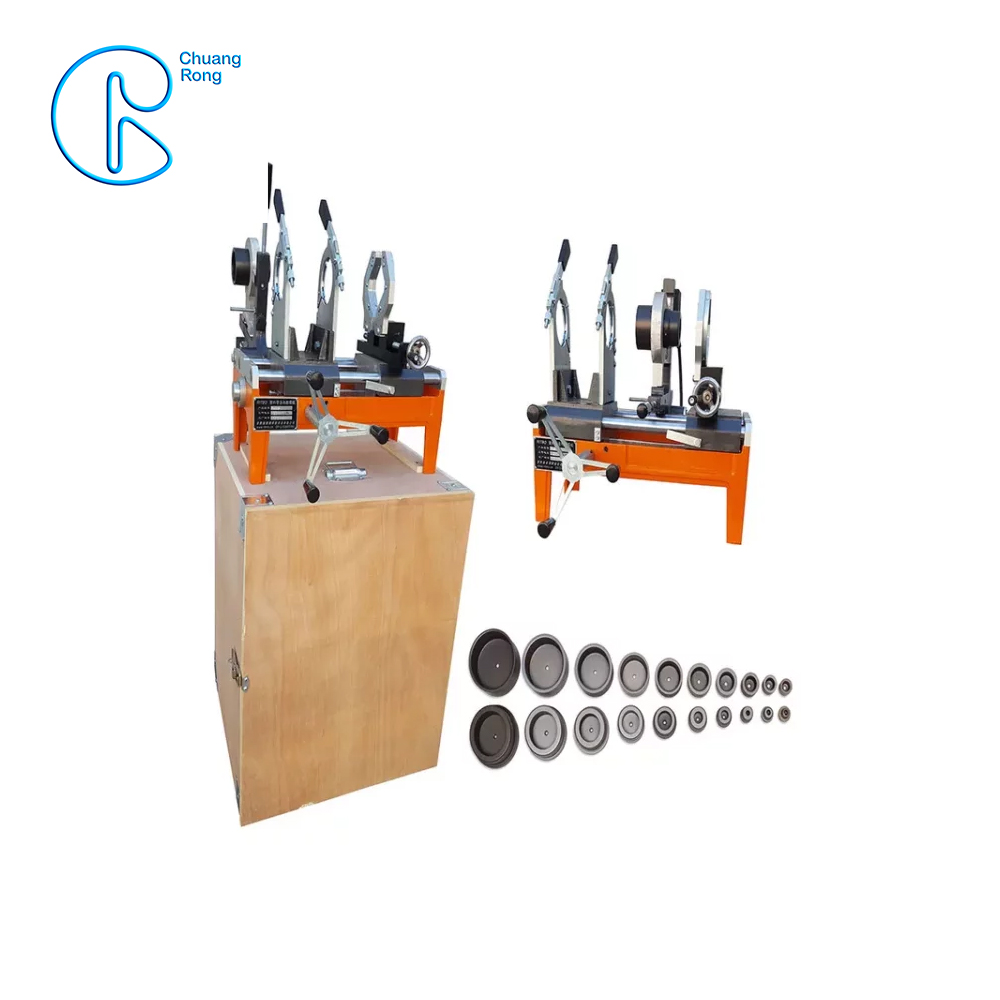
High Performance Socket Fusion Welding Machine for Industrial Waste Drainage Pipes (20-125MM)
Learn MoreThe Vital Role of HDPE Welding Equipment in Industrial Waste Drainage
Industrial waste drainage systems are the unsung heroes of modern production, chemical processing, mining, and manufacturing facilities. These systems are tasked with carrying highly corrosive effluents, abrasive slurries, hot chemical mixtures, and municipal sewage over long distances. The mechanical stress and chemical aggression placed on these pipelines are immense. Traditional piping materials, such as steel, cast iron, and concrete, have historically struggled under these conditions, suffering from internal corrosion, joint degradation, structural cracking, and eventual leakage. The introduction of High-Density Polyethylene (HDPE) revolutionized the industry, offering a lightweight, flexible, and chemically inert alternative. However, the true strength of any HDPE piping network lies not in the pipe itself, but in the integrity of its joints. This is where high-precision HDPE welding equipment for industrial waste drainage becomes the defining factor of system success.
Unlike mechanical joints that rely on gaskets or threads which can degrade over time, HDPE welding creates a homogenous, continuous joint that is molecularly identical to the pipe itself. By utilizing advanced thermal fusion techniques, including butt fusion, electrofusion, socket fusion, and extrusion welding, operators can build a monolithic piping network that completely eliminates the risk of joint leaks. In industrial waste management, where leakage can lead to catastrophic environmental damage, regulatory fines, and operational shutdowns, investing in professional-grade HDPE welding equipment is not just an operational preference; it is a critical safety and compliance mandate.
Industry Insight: Modern environmental regulations, such as the EPA guidelines in the United States and the European Union's Environmental Liability Directive, impose strict zero-leakage policies on industrial waste systems. A single joint failure in a chemical drainage line can result in millions of dollars in soil remediation and civil penalties. Continuous, thermally fused HDPE systems are the industry's primary defense against such liabilities.
The Science and Mechanics of Thermal Fusion in HDPE Piping
To understand the necessity of specialized HDPE welding equipment, one must examine the molecular behavior of High-Density Polyethylene during the fusion process. HDPE is a semi-crystalline thermoplastic polymer. When heat is applied via a controlled heating element, the crystalline structure of the polymer chains relaxes, transitioning into an amorphous, molten state. When two molten HDPE surfaces are pressed together under precise, calculated pressure and allowed to cool slowly, the polymer chains intermingle and recrystallize across the interface. The resulting weld joint possesses mechanical properties equivalent to, or exceeding, those of the parent pipe.
Achieving this level of molecular fusion requires strict adherence to three key parameters: temperature, pressure, and time. If the temperature is too low, the polymer chains will not melt sufficiently to interlock; if it is too high, the material will undergo thermal degradation, weakening the molecular structure. Similarly, incorrect pressure can either squeeze out too much molten material (creating a brittle joint) or fail to bring the molten interfaces into intimate contact. Professional HDPE welding equipment is designed to automate and precisely control these variables, removing human error from the equation and ensuring consistent, repeatable results on the job site.
Key Welding Methodologies for Industrial Waste Drainage
1. Butt Fusion Welding
Butt fusion is the most common and cost-effective method for joining HDPE pipes of larger diameters (typically 90mm up to 1600mm). The process involves planing the pipe ends flat, heating them simultaneously against a coated heater plate, removing the plate, and pressing the molten ends together under hydraulic pressure. For industrial waste drainage, butt fusion is highly favored because it creates a completely smooth flow path, minimizing turbulence and preventing the accumulation of solid waste or chemical deposits inside the pipe. Hydraulic butt fusion machines must be robustly constructed to withstand harsh site conditions in mines, chemical plants, and construction trenches.
2. Electrofusion Welding
Electrofusion is highly specialized and widely used for complex piping layouts, repairs, and connections in confined spaces where operating a large butt fusion machine is impossible. An electrofusion fitting (such as a coupler, elbow, tee, or repair saddle) contains an embedded electrical heating coil. When connected to an electrofusion welding machine, a controlled electrical current is passed through the coils, heating the inner wall of the fitting and the outer wall of the pipe to their melting points. This creates a high-pressure, localized fusion joint. In waste drainage systems, electrofusion is particularly critical for installing branches, connecting to existing networks, and performing maintenance without dismantling large sections of the pipeline.
3. Socket Fusion & Extrusion Welding
For smaller diameter pipes (typically 20mm to 125mm) used in localized chemical drainage, laboratory waste lines, and utility connections, socket fusion is the standard. It utilizes a socket welder to heat the outer surface of the pipe and the inner surface of a socket fitting before joining them. For custom fabrication work—such as building manholes, sumps, tanks, and structural fittings—extrusion welding guns (like the R-SB40) are utilized. Extrusion welding feeds a plastic welding rod into a heated barrel, extruding a continuous bead of molten PE to join sheets or build up complex joints, providing immense flexibility for custom-engineered industrial drainage projects.
Commercial Status and Market Dynamics of HDPE in Industrial Waste
The global market for industrial waste drainage systems is undergoing a rapid transition. Historically dominated by concrete, ductile iron, and polyvinyl chloride (PVC), the industrial sector is increasingly specifying HDPE as the mandatory material for challenging applications. Market research indicates that the demand for HDPE pipes in industrial applications is growing at a compound annual growth rate (CAGR) of over 6.5%. This growth is driven by massive investments in chemical processing plants, water treatment facilities, mining operations, and oil & gas extraction sites worldwide.
From a commercial perspective, the total cost of ownership (TCO) of an HDPE system is significantly lower than that of metallic or concrete alternatives. While the initial material cost of HDPE can be higher than PVC, its durability, ease of installation, and lack of maintenance requirements yield substantial long-term savings. HDPE pipes are flexible enough to be bent on-site, reducing the need for directional fittings. Furthermore, because welded joints are self-restraining, they do not require expensive concrete thrust blocks, which are mandatory for bell-and-spigot mechanical systems. Consequently, the demand for high-quality, certified HDPE welding equipment has surged, as contractors and utility companies seek to build internal capabilities to execute these high-stakes projects.
Deep-Dive Application Scenarios
1. Chemical Processing and Acid Waste Drainage
Chemical manufacturing plants produce highly aggressive effluents, including acids, bases, solvents, and organic compounds, often at elevated temperatures. Concrete pipes deteriorate rapidly under acid attack, while metallic pipes suffer from galvanic and chemical corrosion. HDPE exhibits near-total chemical inertness to a vast range of substances. In these applications, double-containment piping systems are frequently specified. A carrier pipe runs inside a casing pipe, and both are welded using advanced electrofusion or butt fusion equipment. If the primary carrier pipe leaks, the secondary casing contains the chemical waste, triggering sensors to alert operators. The precision of the welding equipment is paramount here, as both the inner and outer joints must be structurally flawless.
2. Mining Slurry and Tailings Disposal
In mining operations, waste materials (tailings) are transported as highly abrasive slurries containing crushed rock, water, and chemical reagents. This slurry is pumped under high pressure to tailings ponds. The abrasive nature of the slurry quickly wears through steel pipes, especially at joints where turbulence occurs. HDPE is highly resistant to abrasion, outlasting steel by up to four times. However, any misalignment or internal bead protrusion at a weld joint can create localized turbulence, accelerating wear at that specific point. Mining contractors rely on heavy-duty butt fusion machines with precise alignment guides and utilize internal debeading tools to remove the inner weld bead, ensuring a perfectly smooth interior profile that maximizes pipeline lifespan.
3. Municipal Wastewater Treatment & Sewer Rehabilitation
As municipal sewer systems age, cracking and root intrusion lead to groundwater contamination and system overloads during heavy rains. Trenchless rehabilitation techniques, such as slip-lining, involve pulling a continuous string of welded HDPE pipe through the existing, deteriorated concrete sewer line. Because the HDPE pipe is welded into a single, continuous piece, it can withstand the high tensile forces required to pull it through hundreds of meters of old pipe. The welding equipment used in these urban projects must be compact, reliable, and capable of generating detailed weld logs to verify the integrity of the joints before they are buried permanently.
4. Landfill Leachate Collection
Landfills generate leachate—a highly toxic liquid formed when rainwater percolates through waste. Leachate collection systems consist of perforated HDPE pipes laid at the bottom of the landfill under hundreds of tons of waste. The piping must withstand extreme vertical loads while carrying a complex chemical cocktail. Any joint failure would allow toxic leachate to contaminate the local aquifer. Butt fusion is the standard for joining these collection lines, as it ensures the joints can withstand the immense structural load and chemical exposure over decades of operation.
Future Technological Trends in HDPE Welding
The future of HDPE welding equipment is deeply connected with digitalization, automation, and the Internet of Things (IoT). The industry is moving away from manual welding processes toward "Smart Welding" systems. Modern butt fusion and electrofusion machines are increasingly equipped with integrated data loggers that record ambient temperature, humidity, heater plate temperature, drag pressure, fusion pressure, and cooling times. This data is uploaded to cloud databases, generating a digital birth certificate for every joint in the network.
Furthermore, GPS tracking is being integrated into welding machines to log the exact geographic coordinates of each weld, allowing asset managers to map the pipeline with high precision. AI-driven algorithms are also being developed to analyze weld parameters in real-time, automatically adjusting heating and cooling cycles to compensate for environmental changes, such as sudden temperature drops or wind. These advancements minimize human error, reduce inspection costs, and provide industrial plant owners with absolute confidence in the integrity of their waste drainage infrastructure.
One-stop Solution for Plastic Piping System
CHUANGRONG is a share industry and trade integrated company, established in 2005. We focus on the production of a full range of quality HDPE pipes & fittings (from 20-1600mm, SDR26/SDR21/SDR17/SDR11/SDR9/SDR7.4), and the sale of PP compression fittings, plastic welding machines, pipe tools, and pipe repair clamps, etc.
CHUANGRONG owns more than 100 sets of pipe production lines and 200 sets of fitting production equipment. Our production capacity reaches more than 100 thousand tons. Its main offerings contain 6 systems of water, gas, dredging, mining, irrigation, and electricity, covering more than 20 series and more than 7000 specifications.
Our products are fully in line with ISO4427/4437, ASTMD3035, EN12201/1555, DIN8074, AS/NZS4130 standards, and are approved by ISO9001-2015, CE, BV, SGS, and WRAS.
More than 20 years of experience in 80 countries worldwide.
One-stop Supplies and Solutions
As one of the largest PE pipeline manufacturers in China, CHUANGRONG provides customers with a full range of services from design, production, installation, and maintenance to ensure the long-term stable operation of PE pipeline systems.

Complete Product Line
CHUANGRONG offers the most complete product line including PE pipes, PE butt fittings, PE electrofusion fittings, PE socket fittings, PE syphon drainage fittings, PE valves, PE/steel transition fittings, PE machined fittings, PE fabricated fittings, PP compression fittings, plastic pipe welding machines & tools, pipe connectors & repair solutions.
See More
Related Products & Service
CHUANGRONG can provide customers with PE pipe/rod extrusion lines, injection molding machines, robotic arms, butt fusion fittings molds, electrofusion fittings molds, PP back rings molds, CNC control machines, CNC lathe machines, workshop fitting machines, band saws, testing equipment, resistance testers, and more.
See More
Installation & Maintenance
CHUANGRONG provides PE pipeline services from construction to commissioning of the whole process of service, ensuring that the pipeline connection is firm, avoiding leakage, and using butt fusion, electrofusion, mechanical connection, and other technical means to complete installation tasks efficiently.
See More
Design & Customization
CHUANGRONG's professional team designs pipeline systems according to customer needs to ensure reasonable layout, reduce pressure loss, and meet specific requirements. We can provide customers with customized products, develop new molds, and introduce new products.
See More
Technical Support
CHUANGRONG can provide you with reliable expertise and technical data at every stage of your project. Our certified professionals can provide professional training for your project staff to ensure compliance and quality control.
See MoreWhy Choose Us
We deliver unmatched manufacturing capabilities, strict quality assurance, and global project support.

ONE-STOP SOLUTION
CHUANGRONG and its affiliated companies specialize in the R&D, production, sale, and installation of new-type plastic pipes and fittings. We provide customers with perfect one-stop solutions for PE pipe systems.

PRODUCTION ON DEMAND
With 5 factories, we are one of the largest suppliers in China. Owning 100+ pipe production lines and 200+ fitting machines, our capacity exceeds 100k tons across water, gas, mining, and dredging sectors.

COMPLETE CERTIFICATION
We possess advanced detection equipment to ensure strict quality control from raw materials to finished products. Standard compliance includes ISO4427/4437, ASTMD3035, EN12201, DIN8074, CE, BV, SGS, WRAS.

EXCELLENT TEAM
Our team is committed to integrity, professionalism, and efficiency. We have established solid business relationships with partners across more than 80 countries, including the US, Chile, UAE, Saudi Arabia, and Indonesia.
Complete HDPE Products & Tools Catalog
Explore our full range of fusion machinery, double-layer piping, electrofusion fittings, and repair clamps engineered for industrial waste drainage applications.
PN16 SDR11 PE100 90-315mm HDPE Electrofusion Fittings Repair Saddle for Industrial Waste Drainage
View Product
HDPE Pipe Internal & External Debeader Tools for Industrial Waste Drainage Piping
View Product
75/63mm Double-layer PE Electrofusion UPP Fittings for Chemical Waste & Drainage Systems
View Product
High Performance Socket Fusion Welding Machine for Industrial Waste Drainage Pipes (20-125MM)
View Product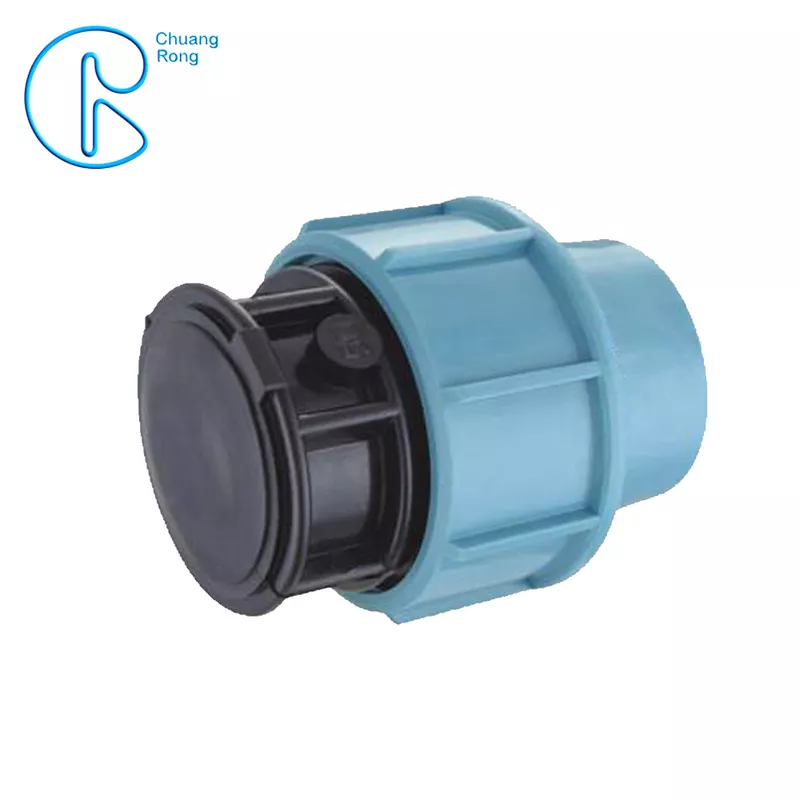
Quick Connector PP Plumbing Fittings Plastic End Cap Adaptor for Industrial Waste Drainage
View Product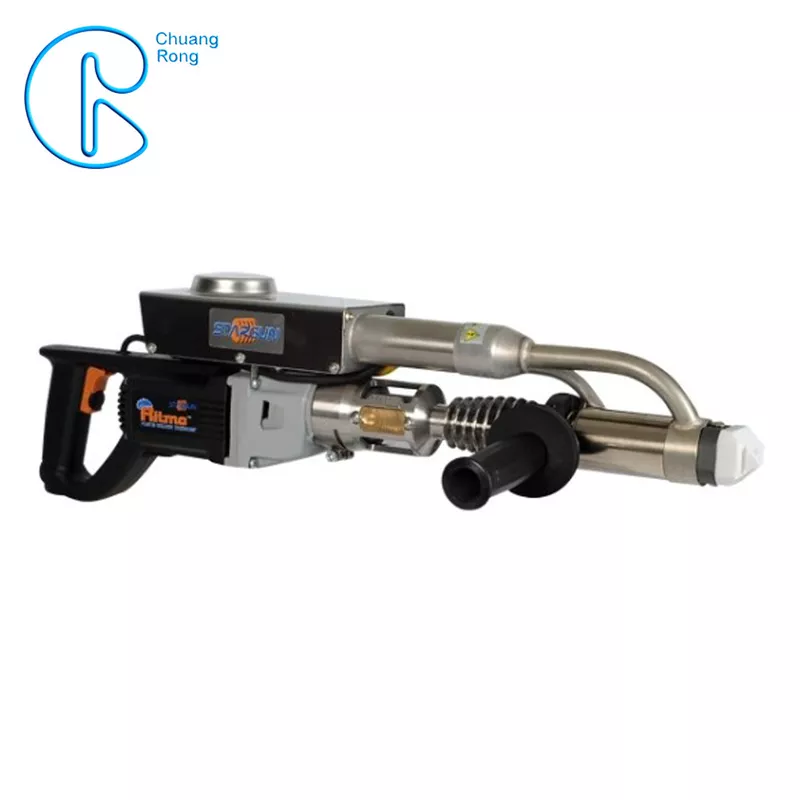
R-SB40 Large Rod Extruder Handle Plastic Extrusion Welding Gun for Waste Pipe Jointing
View Product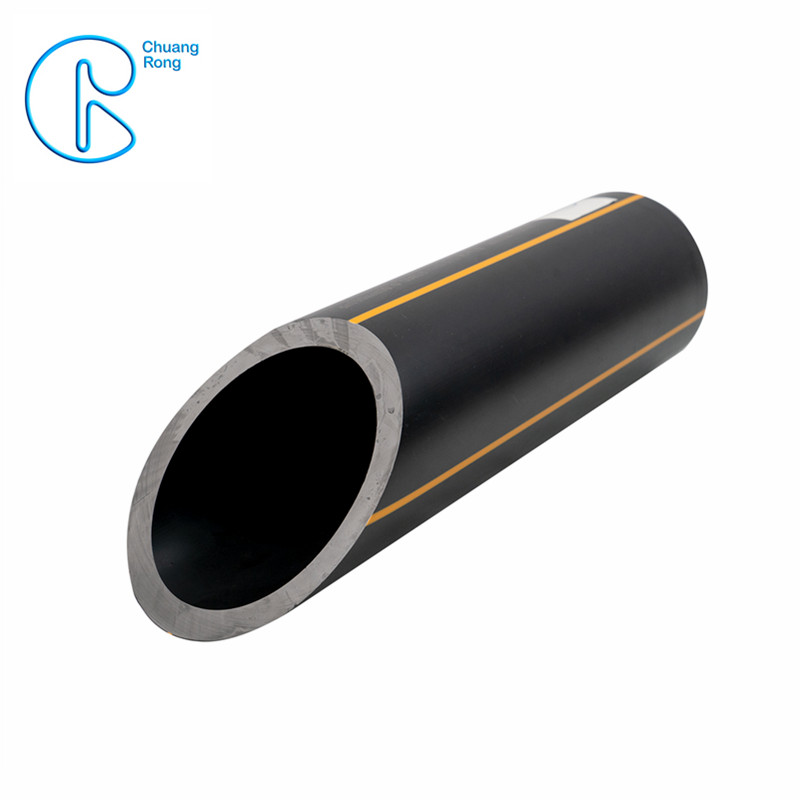
Polyethylene PE80 / PE100 / MDPE Pipe for Industrial Waste Drainage Systems
View Product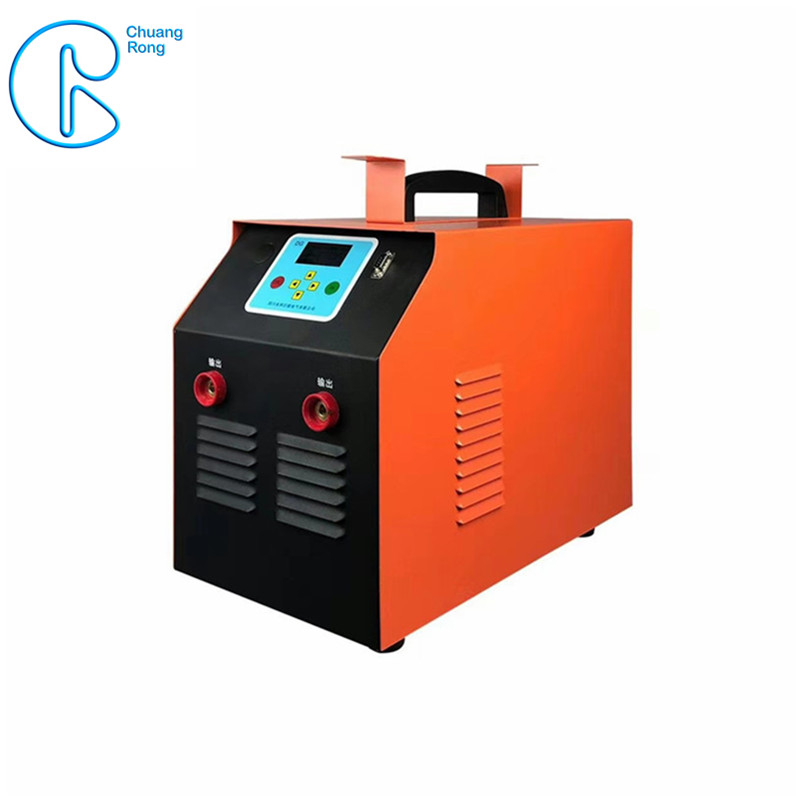
20-1000mm 15KW Electrofusion Welding Machine for Industrial Waste Drainage Pipe Jointing
View Product
Social Links


Our Company
information
Quick Links
contact us
-
ADD:
Room 911, Building T1, The Ring Center, No.333 Dongda Road, Chengdu, China.
- TEL: 0086-18180897627
- EMAIL: chuangrong@cdchuangrong.com
Hot Products - Sitemap - AMP Mobile
Pe Water Pipe, Hdpe Pipe Fittings, Hdpe Pipe And Fitting, Repair Clamp, Male Adaptor, Hdpe Pipe Fitting,
-

Phone
-

E-mail
-

Whatsapp
-

Skype
-

Top
