


Featured HDPE Pipe Connections & Tooling
Explore our top-tier piping systems and fusion machinery designed for robust infrastructure deployment in Ethiopia.
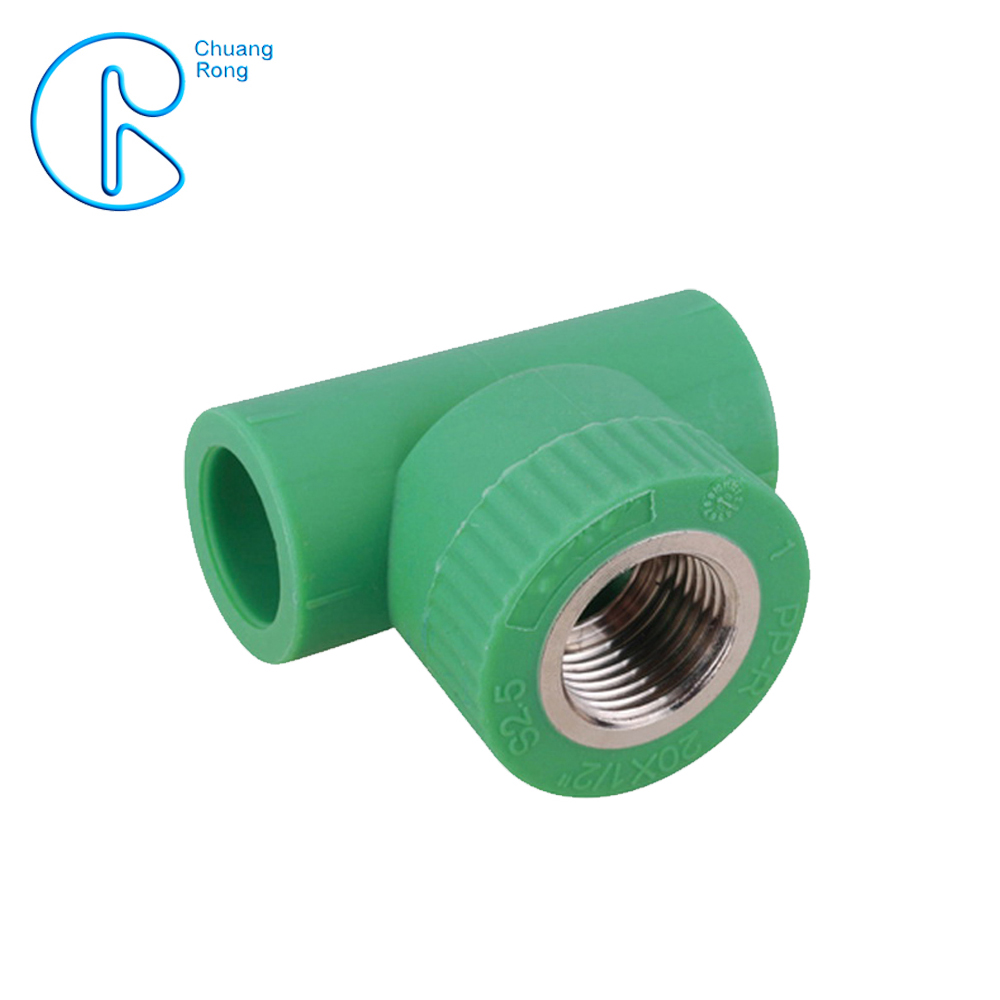
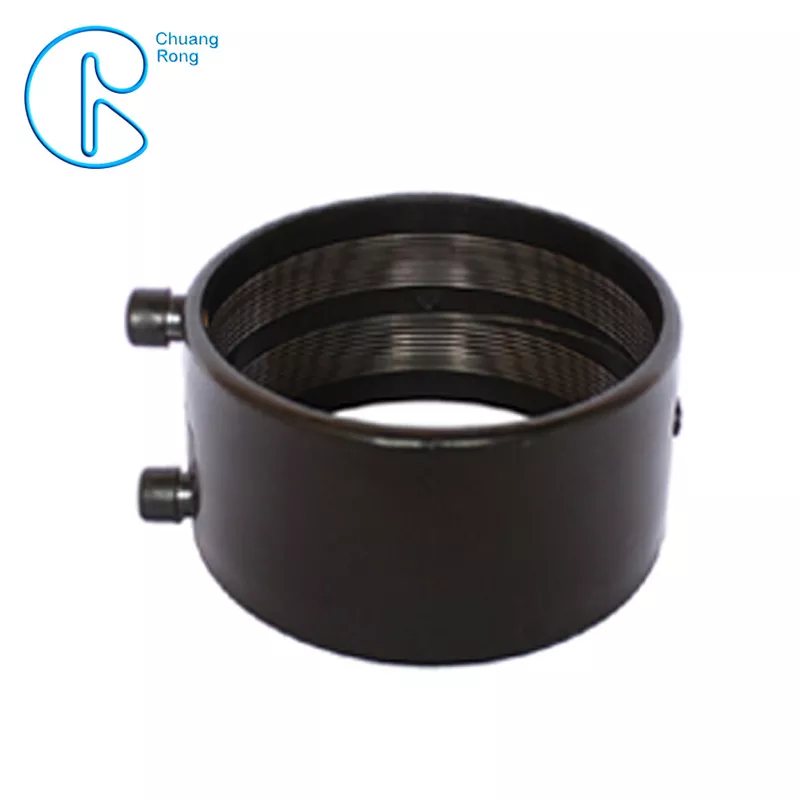
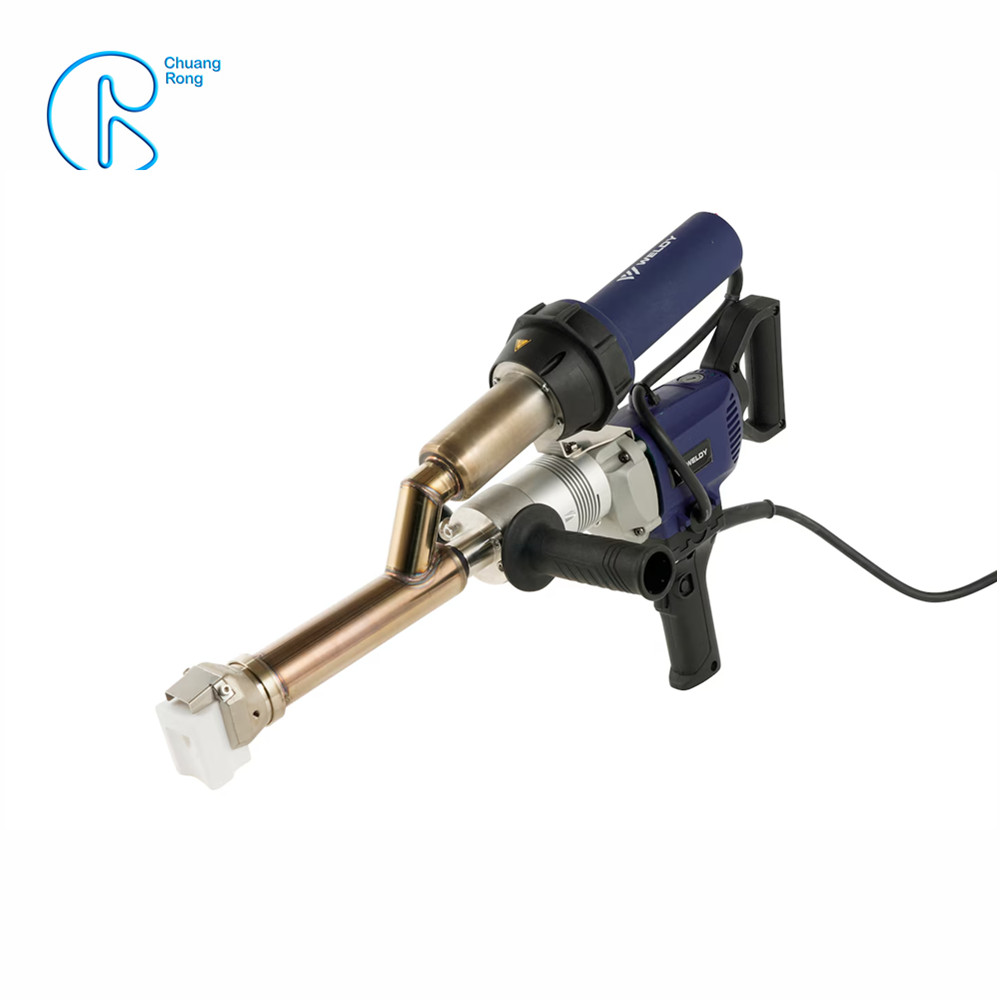
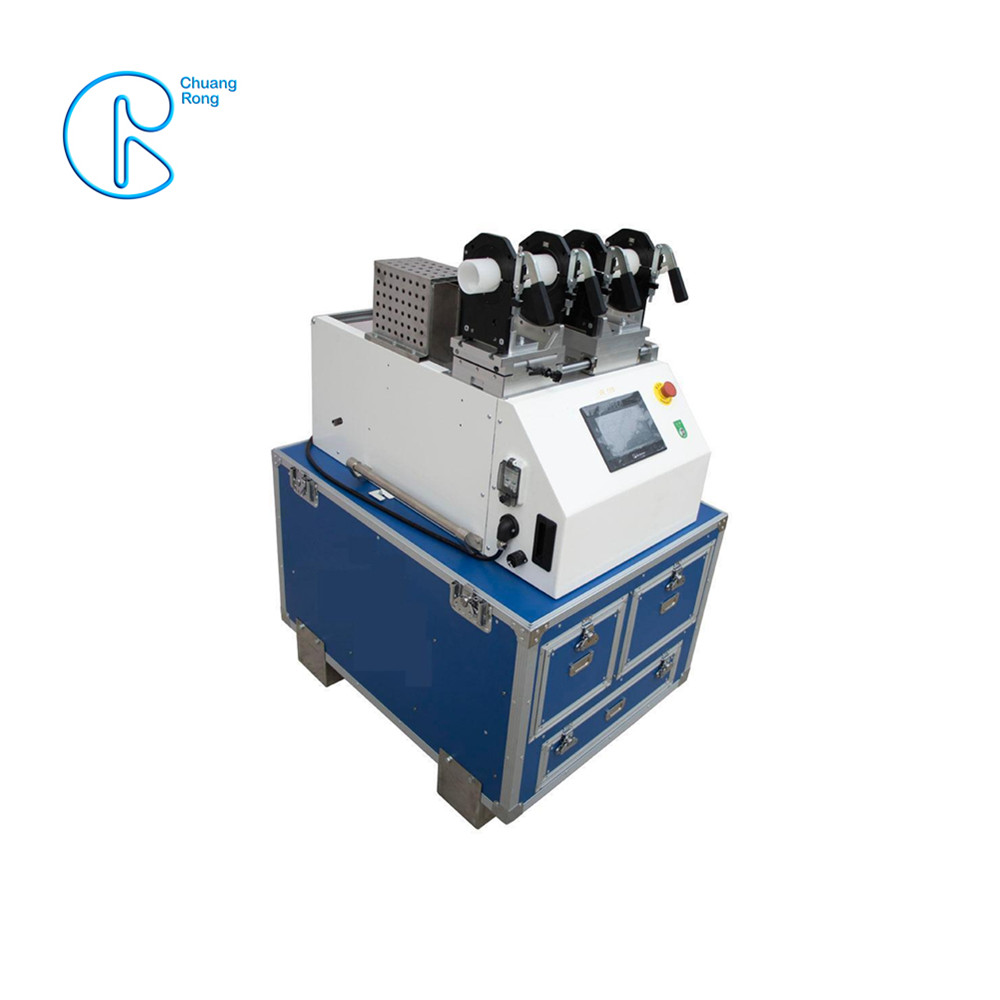
The Growing Demand for HDPE Pipe Connections in Ethiopia
Ethiopia is currently experiencing one of the fastest rates of urbanization and economic growth in East Africa. With massive infrastructure developments, such as the Grand Ethiopian Renaissance Dam (GERD), new industrial parks, and extensive agricultural irrigation projects, the demand for reliable fluid transport systems has surged. High-Density Polyethylene (HDPE) pipes and their associated connections have emerged as the gold standard for modern piping installations across the nation.
As traditional materials like galvanized iron (GI) and concrete pipes face issues of corrosion, high installation costs, and vulnerability to seismic activities in the East African Rift Valley, HDPE offers a flexible, durable, and cost-effective alternative. However, the integrity of any HDPE pipeline depends heavily on the quality of its connections. This is where professional HDPE pipe connection factories and suppliers play a pivotal role, delivering advanced fusion machinery, electrofusion fittings, and compression joints to ensure leak-free operations.
“Modern infrastructure requires materials that can withstand environmental stress. CHUANGRONG's high-performance HDPE pipe connections offer unmatched durability, ensuring clean water and industrial fluids are transported safely across Ethiopia's diverse terrain.”
Industrialization and Urban Development in Addis Ababa and Beyond
The Government of Ethiopia has prioritized industrial development, resulting in the establishment of multiple Industrial Parks (IPs) such as Hawassa, Bole Lemi, Adama, and Kombolcha. These industrial hubs house textile, pharmaceutical, food processing, and chemical factories, all requiring extensive water supply and chemical drainage networks. HDPE pipe connections, with their high chemical resistance and robust structural integrity, are crucial in preventing environmental contamination and ensuring continuous industrial water supply.
Furthermore, municipal water authorities in major cities like Addis Ababa, Dire Dawa, and Bahir Dar are working tirelessly to upgrade aging utility networks. The implementation of electrofusion fittings and high-performance butt fusion joints has drastically reduced water loss rates, a critical factor in urban water resource management.
One-Stop Solution for Plastic Piping Systems
Discover CHUANGRONG's manufacturing capacity and global footprints supporting infrastructure projects worldwide.
CHUANGRONG is a share industry and trade integrated company, established in 2005. We focus on the production of a full range of quality HDPE pipes & fittings (from 20mm to 1600mm, SDR26/SDR21/SDR17/SDR11/SDR9/SDR7.4), alongside the sale of PP compression fittings, plastic welding machines, pipe tools, and pipe repair clamps.
We own more than 100 sets of pipe production lines and 200 sets of fitting production equipment. Our annual production capacity reaches more than 100 thousand tons. CHUANGRONG's portfolio contains 6 main systems covering water, gas, dredging, mining, irrigation, and electricity, offering more than 20 series and over 7,000 specifications.
Our products strictly align with international standards including ISO4427/4437, ASTM D3035, EN12201/1555, DIN8074, and AS/NZS 4130, and are fully approved by ISO9001-2015, CE, BV, SGS, and WRAS.
See More About UsComprehensive Piping Supplies & Services
From standard manufacturing to customized project designs, we support every step of your pipeline deployment.

Complete Product Line
We offer HDPE pipes, butt fittings, electrofusion fittings, socket fittings, syphon drainage fittings, valves, transition fittings, and PP compression fittings.
Learn More
Related Products & Equipment
Providing extrusion lines, injection molding machines, robotic arms, CNC machining tools, band saws, and advanced quality testing equipment.
Learn More
Installation & Maintenance
Supporting pipeline construction from start to commissioning. We specialize in butt fusion, electrofusion, and mechanical connections.
Learn More
Design & Customization
Our engineering team designs custom pipeline systems to optimize layouts, minimize pressure loss, and manufacture specialized custom molds.
Learn More
Technical Support
Get reliable expertise, technical data sheets, and certified professional training at every stage of your project pipeline execution.
Learn MoreKey Application Scenarios of HDPE Pipe Connections in Ethiopia
1. Agricultural Irrigation and Water Harvesting
Agriculture is the backbone of the Ethiopian economy, employing a majority of the population. Large-scale agricultural schemes in the Awash Valley, the Rift Valley, and areas surrounding the Omo River rely heavily on efficient irrigation networks. HDPE pipes are widely used because they can easily handle rough terrain, high solar radiation (UV protection), and dynamic water pressures. Safe, leak-proof HDPE connections prevent valuable water loss, maximizing crop yields for sugarcane, cotton, and horticulture plantations.
2. Mining and Dredging Operations
Ethiopia's rich mineral resources, including gold in the Shakiso region and potash in the Danakil Depression, require heavy-duty slurry and water management systems. HDPE piping systems are highly abrasion-resistant and flexible, making them ideal for transporting abrasive tailings and mine water. Reliable butt fusion joints ensure that pipelines do not fail under intense operational pressure, preventing hazardous spills and operational downtime.
3. Municipal Water Supply and Wastewater Management
Clean drinking water access remains a primary focus of the Ethiopian Ministry of Water and Energy. Traditional piping systems often suffer from high leakage rates due to joint failures. By utilizing PE100 electrofusion couplers and siphonic drainage fittings, municipalities can establish monolithic, continuous pipe networks that are completely sealed. This prevents external contamination from entering the clean water supply and eliminates wastewater leakage into surrounding soils.
Pioneering Piping Innovation
We leverage advanced manufacturing processes to deliver high-precision fittings that withstand extreme pressures, serving critical utility and industrial projects globally.
Years Experience
Delivering piping solutions to over 80 countries.
Tons Capacity
Massive output capacity across five specialized factories.
Production Lines
Equipped with state-of-the-art extrusion technology.
Specifications
A comprehensive range fitting all project requirements.
Emerging Trends in the East African Piping Industry
The piping industry in East Africa is shifting towards smarter, more sustainable materials. The adoption of trenchless technology (HDD - Horizontal Directional Drilling) is growing in Addis Ababa to avoid disrupting busy urban roads during utility installations. HDPE pipes are uniquely suited for trenchless installation due to their high tensile strength and flexible joints, which can be pulled through underground boreholes without breaking.
Additionally, local contractors are increasingly investing in high-quality welding machinery. Automated infrared butt fusion machines and electrofusion control boxes are replacing manual welding methods, ensuring consistent joint quality and reducing the margin of human error during construction.
Why Choose CHUANGRONG
Partner with a premier manufacturer to ensure reliability, high production capacity, and international standards.

ONE-STOP SOLUTION
We specialize in R&D, production, sales, and installation of new-type plastic pipes and fittings, providing customized piping designs.

PRODUCTION ON DEMAND
Operating five factories with over 100 pipe production lines and 200 fitting production units, reaching over 100,000 tons annually.

CERTIFICATION IS COMPLETE
Products meet ISO4427/4437, ASTM D3035, EN12201/1555, and DIN8074, approved by ISO9001-2015, CE, BV, SGS, and WRAS.

EXCELLENT TEAM
An experienced team operating with integrity and efficiency, serving projects across more than 80 countries and regions worldwide.
Complete Product Catalogue
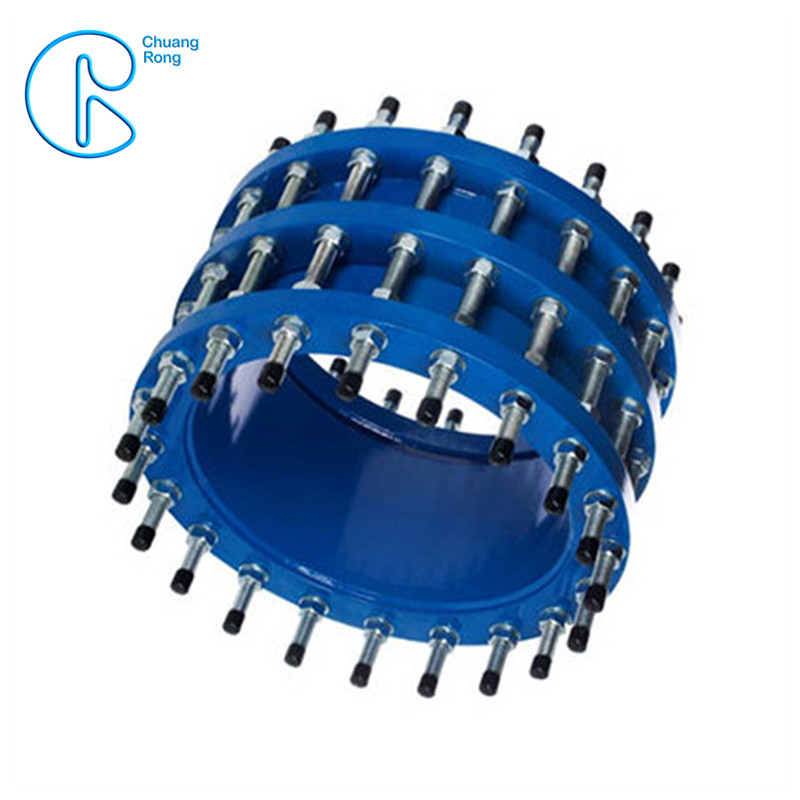
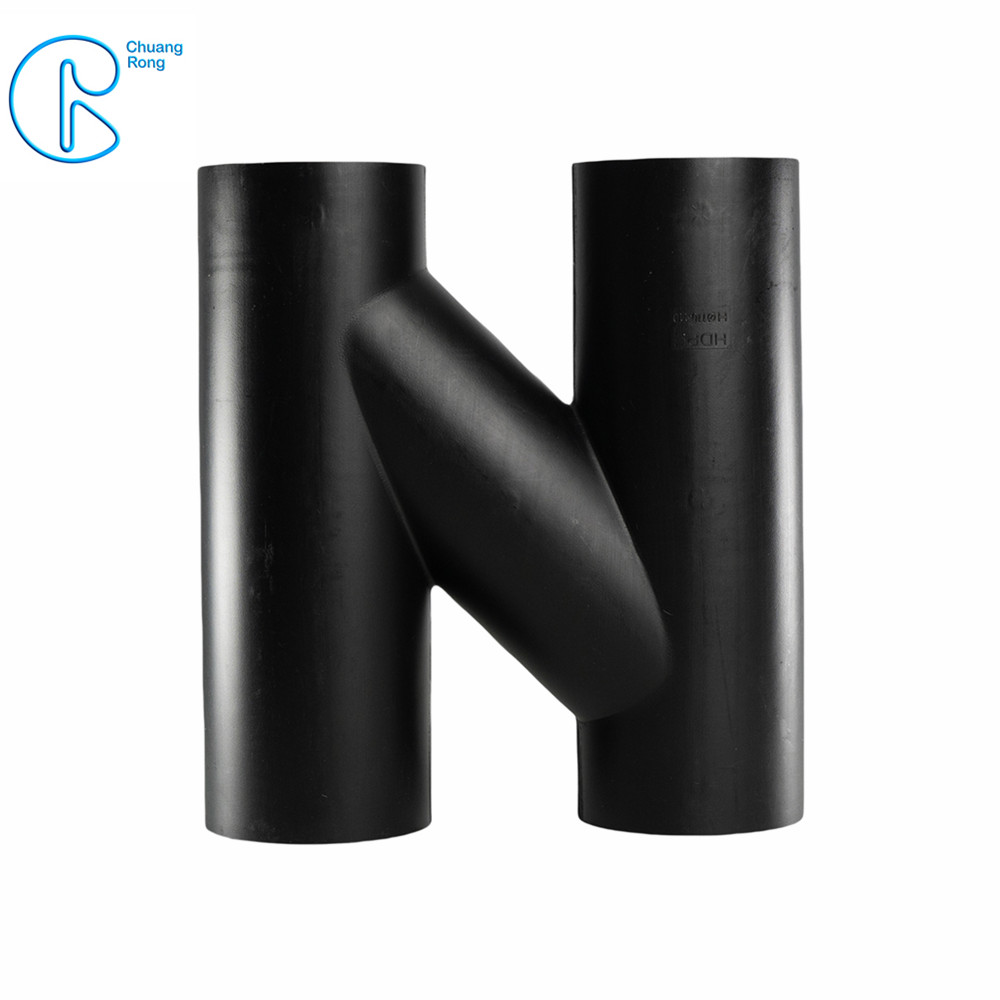
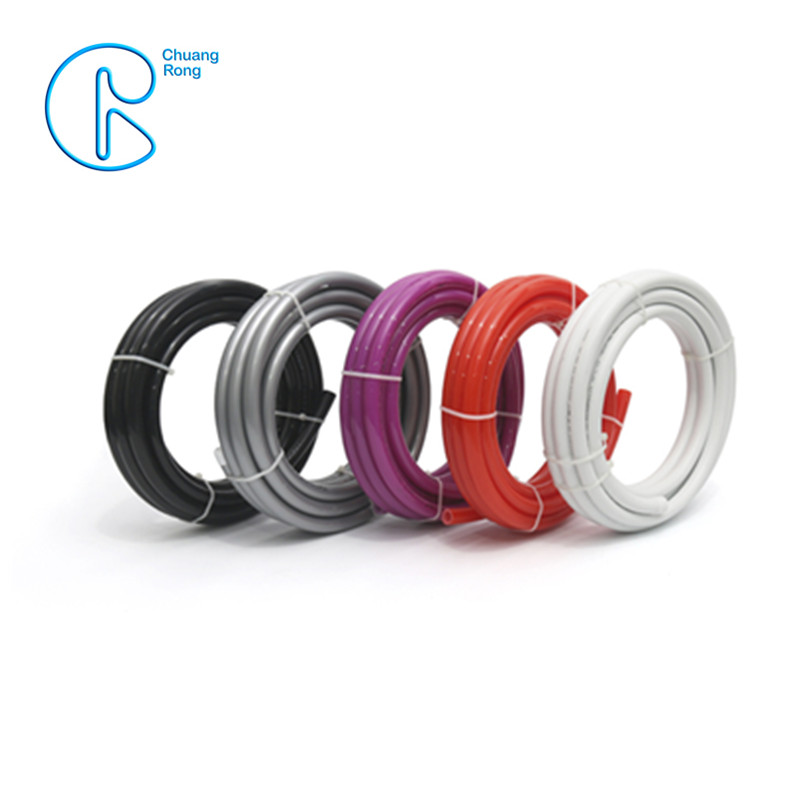
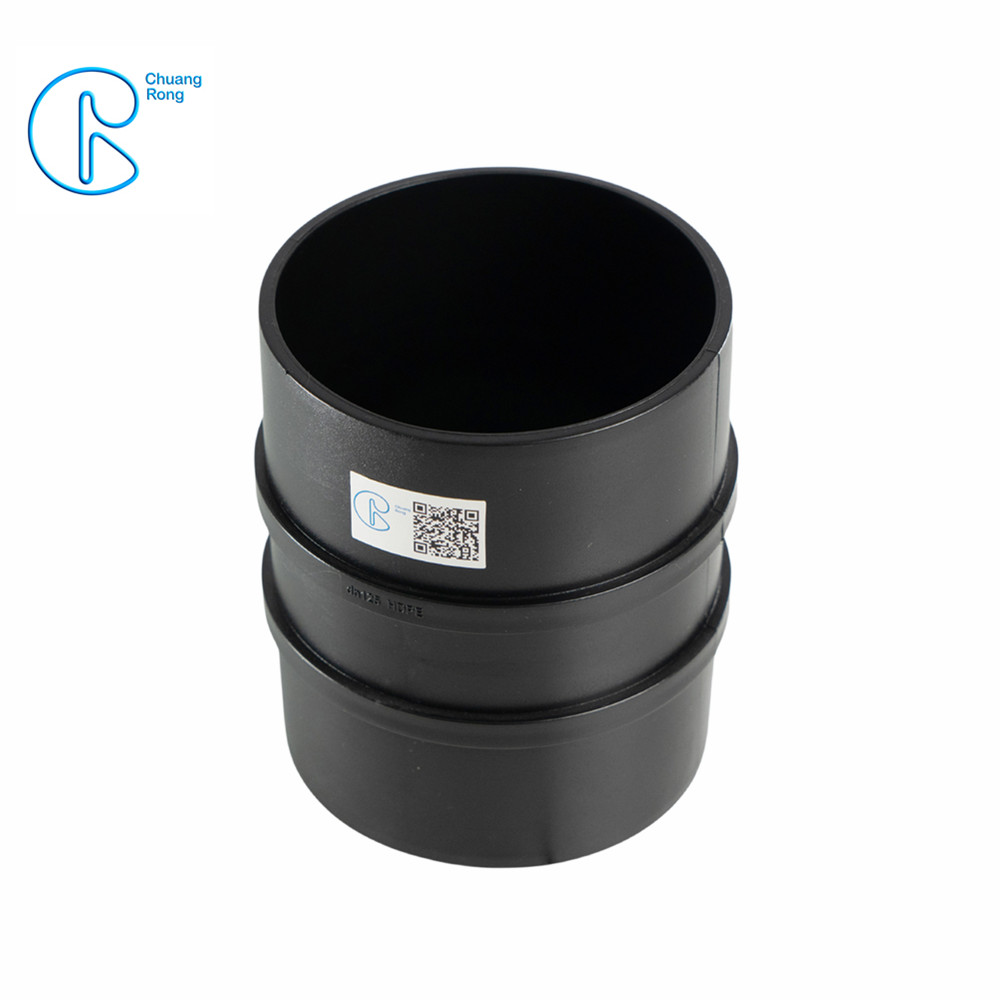
Explore our full selection of high-density polyethylene fittings, transition connectors, and fusion welding machines.
Technical Standards and Quality Control
At CHUANGRONG, quality control is integrated into every stage of production. From sourcing premium raw materials (PE100, PE80) to manufacturing, testing, and distribution, we ensure that our products meet the highest global standards. Our laboratory is equipped with state-of-the-art testing equipment to conduct hydrostatic strength tests, melt flow rate (MFR) tests, carbon black dispersion tests, and longitudinal reversion tests. This guarantees that every HDPE pipe and fitting supplied to the Ethiopian market can withstand the harshest environmental conditions and operate reliably for over 50 years.
Frequently Asked Questions About HDPE Pipe Connections in Ethiopia
Q1: What are the main methods used for joining HDPE pipes in Ethiopia?A1: The three primary methods are Butt Fusion (welding the pipe ends together using heat and pressure), Electrofusion (using specialized fittings with built-in electric heating coils), and Mechanical Connections (using PP compression fittings or flanged joints). Electrofusion is highly recommended for gas distribution and tight urban spaces, while butt fusion is ideal for large-diameter water pipelines.
Q2: Can HDPE pipes withstand the high UV index in East Africa?A2: Yes. High-quality HDPE pipes manufactured by CHUANGRONG contain carbon black additives (typically 2-2.5%), which act as an excellent stabilizer against ultraviolet (UV) radiation. This allows the pipes to be stored and used outdoors in tropical and high-altitude regions like Ethiopia without degrading.
Q3: How do I choose between SDR11 and SDR17 HDPE pipes?A3: SDR stands for Standard Dimension Ratio, which is the ratio of the pipe's outer diameter to its wall thickness. A lower SDR number indicates a thicker wall, which can withstand higher pressures. For instance, SDR11 is rated for PN16 (16 bar), making it suitable for high-pressure water mains and gas lines. SDR17 is rated for PN10 (10 bar), which is commonly used for standard municipal water distribution and gravity sewer systems.
Q4: Why is HDPE preferred over PVC and steel pipes for Ethiopian infrastructure?A4: Unlike steel, HDPE does not rust or corrode, eliminating the need for expensive cathodic protection. Compared to PVC, HDPE is much more flexible, impacts-resistant, and less prone to cracking during installation in rocky or seismic terrains. Additionally, fused HDPE joints are monolithic and leak-free, whereas PVC joints rely on rubber rings which can degrade over time.

Social Links


Our Company
information
Quick Links
contact us
-
ADD:
Room 911, Building T1, The Ring Center, No.333 Dongda Road, Chengdu, China.
- TEL: 0086-18180897627
- EMAIL: chuangrong@cdchuangrong.com
Hot Products - Sitemap - AMP Mobile
Pe Water Pipe, Hdpe Pipe Fittings, Hdpe Pipe And Fitting, Repair Clamp, Male Adaptor, Hdpe Pipe Fitting,
-

Phone
-

E-mail
-

Whatsapp
-

Skype
-

Top
