

The Crucial Role of HDPE Electrofusion Tees in Modern Agricultural Irrigation
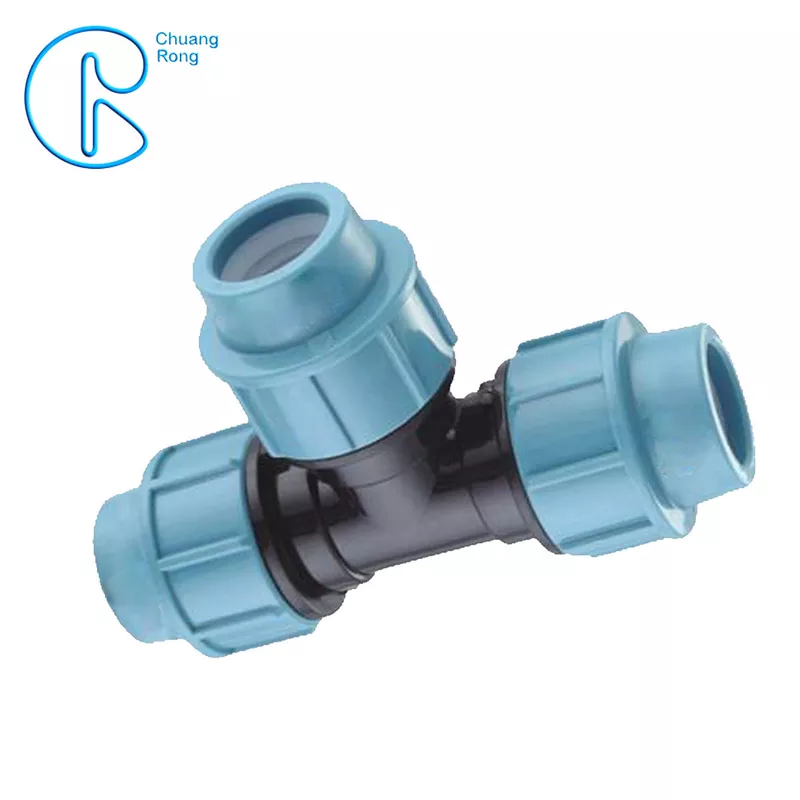
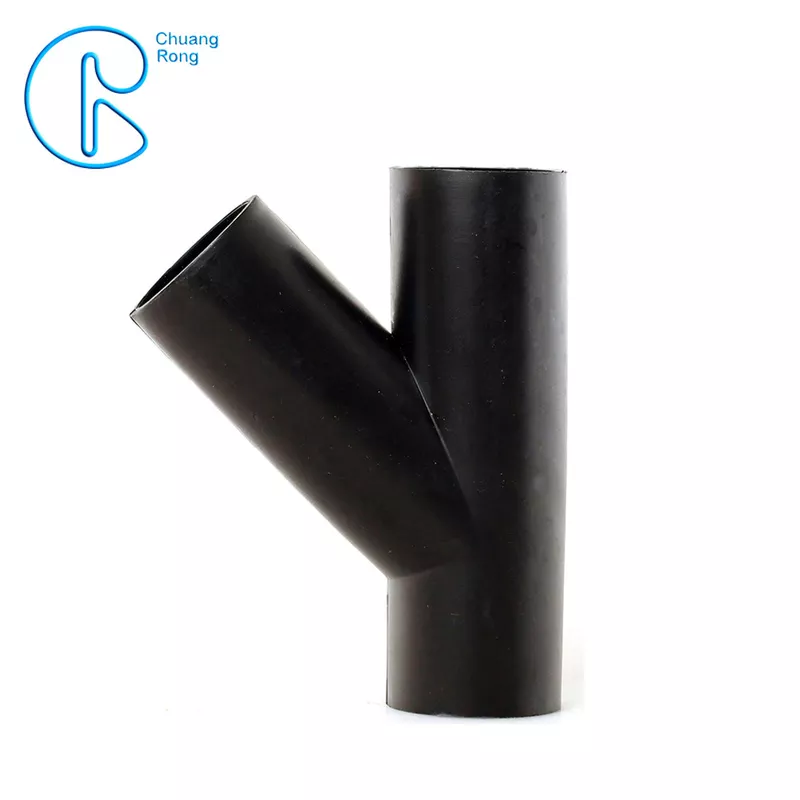
Global agriculture is undergoing a massive paradigm shift. As water scarcity intensifies and the demand for food production escalates, farmers and agricultural engineers are transitioning from traditional flood irrigation to highly efficient, automated micro-irrigation systems. At the heart of these modern networks lies the piping infrastructure. An HDPE Electrofusion Tee for Agricultural Irrigation serves as a vital junction component, enabling seamless branching of mainlines into sub-mainlines and lateral drip lines. By utilizing electrofusion jointing, agricultural operations ensure a fully integrated, leak-free, and high-pressure-resistant pipeline network that can withstand the test of time and harsh environmental conditions.
High-Density Polyethylene (HDPE) has quickly become the material of choice for modern farming. Unlike traditional PVC pipes, which are prone to cracking under intense UV exposure, or metallic pipes that corrode when exposed to soil chemicals and fertilizers, HDPE offers unparalleled flexibility, durability, and chemical resistance. When joined using electrofusion technology, the pipe and the tee fitting melt and fuse at a molecular level, creating a joint that is actually stronger than the pipe itself. This ensures that pressure surges, soil shifts, and heavy machinery traffic over buried pipelines do not lead to catastrophic system failures.
SEO Insight: Implementing HDPE electrofusion tees in agricultural projects dramatically reduces water loss, minimizes pumping energy costs, and eliminates the maintenance overhead associated with mechanical joint failures.
Industrial & Commercial Landscape of Agricultural Piping
From a commercial perspective, the agricultural irrigation market is experiencing rapid growth, driven by government initiatives for water conservation and the rise of smart farming technologies. Large-scale farming enterprises and agricultural developers are increasingly prioritizing long-term Return on Investment (ROI) over cheap, short-lived piping materials. While the initial investment in electrofusion equipment and fittings is higher than that of solvent-welded PVC or mechanical compression fittings, the lifecycle cost is significantly lower. HDPE systems routinely deliver a service life exceeding 50 years with zero maintenance.
Furthermore, the integration of automated valves, IoT sensors, and smart fertigation systems requires a stable, high-pressure piping network. Any pressure drop caused by minor leaks can throw off the calibration of precision drip emitters, leading to uneven crop yields. HDPE electrofusion tees provide the structural integrity required to maintain constant operating pressures across thousands of hectares of farmland, making them an indispensable asset for commercial agribusinesses.
Deep-Dive Application Scenarios of HDPE Electrofusion Tees
1. Precision Drip and Micro-Irrigation Networks
In drip irrigation, water is delivered directly to the root zone of the plants through a complex network of emitters. This requires branching mainlines into numerous sub-mainlines. The HDPE Electrofusion Tee allows for clean, high-strength 90-degree transitions. Because electrofusion creates a smooth internal bore without internal beads (unlike butt fusion), it minimizes hydraulic friction loss, ensuring that water pressure remains consistent from the pump house to the furthest corner of the field.
2. Center Pivot and Linear Move Systems
Large-scale center pivot systems require a massive volume of water delivered at high pressures. The supply lines running to the pivot points must withstand constant pressure fluctuations, water hammer effects, and the physical stresses of the pivot structure's movement. HDPE electrofusion fittings, with their superior fatigue resistance, absorb these dynamic stresses without cracking, ensuring uninterrupted water supply during critical crop growth stages.
3. Fertigation and Chemigation Systems
Modern farming utilizes the irrigation system to distribute liquid fertilizers, pesticides, and soil conditioners directly to crops. These chemicals can be highly corrosive to metal fittings and can degrade standard plastics over time. HDPE is chemically inert, meaning it does not react with acids, bases, or salts. The electrofusion tee ensures that these chemical mixtures are safely routed through the system without leaking into the surrounding soil or corroding the joints.
4. Subterranean Drainage and Water Harvesting
In areas prone to waterlogging, subterranean drainage systems are installed to manage the water table. HDPE electrofusion tees are used to connect lateral drainage pipes to the main collector lines. Because the fused joints are completely root-proof, farmers do not have to worry about tree or crop roots penetrating the joints and clogging the drainage network, a common issue with mechanical or bell-and-spigot joints.
Future Trends: The Evolution of Smart Irrigation and HDPE Technology
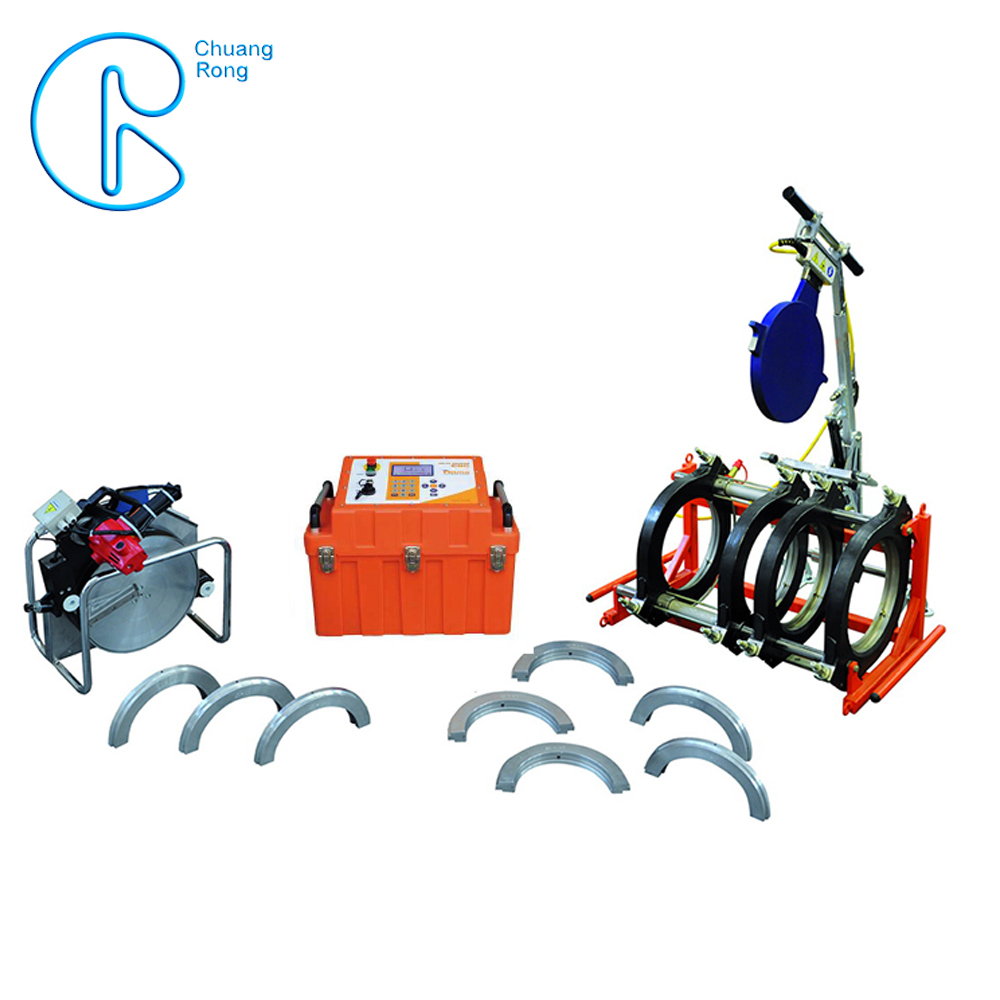
The future of agricultural irrigation is deeply intertwined with digitalization and material science. We are seeing the emergence of smart electrofusion fittings equipped with integrated RFID tags and QR codes. During installation, operators scan these codes to automatically configure the welding parameters on the electrofusion machine. This minimizes human error and ensures a perfect weld every time. Additionally, the data is logged digitally, creating a precise GPS-mapped layout of the underground piping network, which simplifies future expansions or maintenance.
As sustainability becomes a core metric for global agriculture, the recyclability of HDPE is also driving its adoption. Unlike PVC, which is difficult to recycle and releases toxic chemicals when processed, HDPE is fully recyclable. This aligns with the global shift towards circular economies and sustainable farming certifications.