


Featured Agricultural Irrigation Products
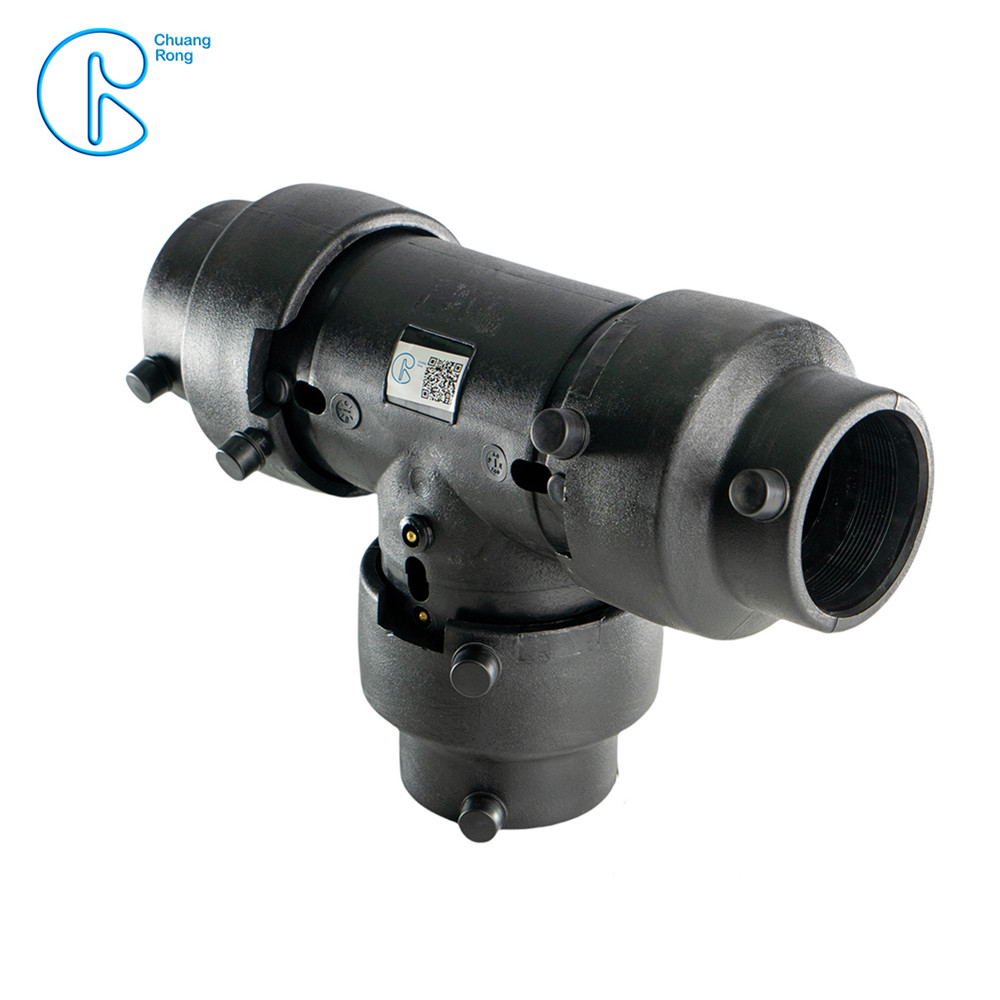
75/63mm Double -layer PE Electrofusion UPP Fittings for Petrol Station/Gas Station
Get Quote & Info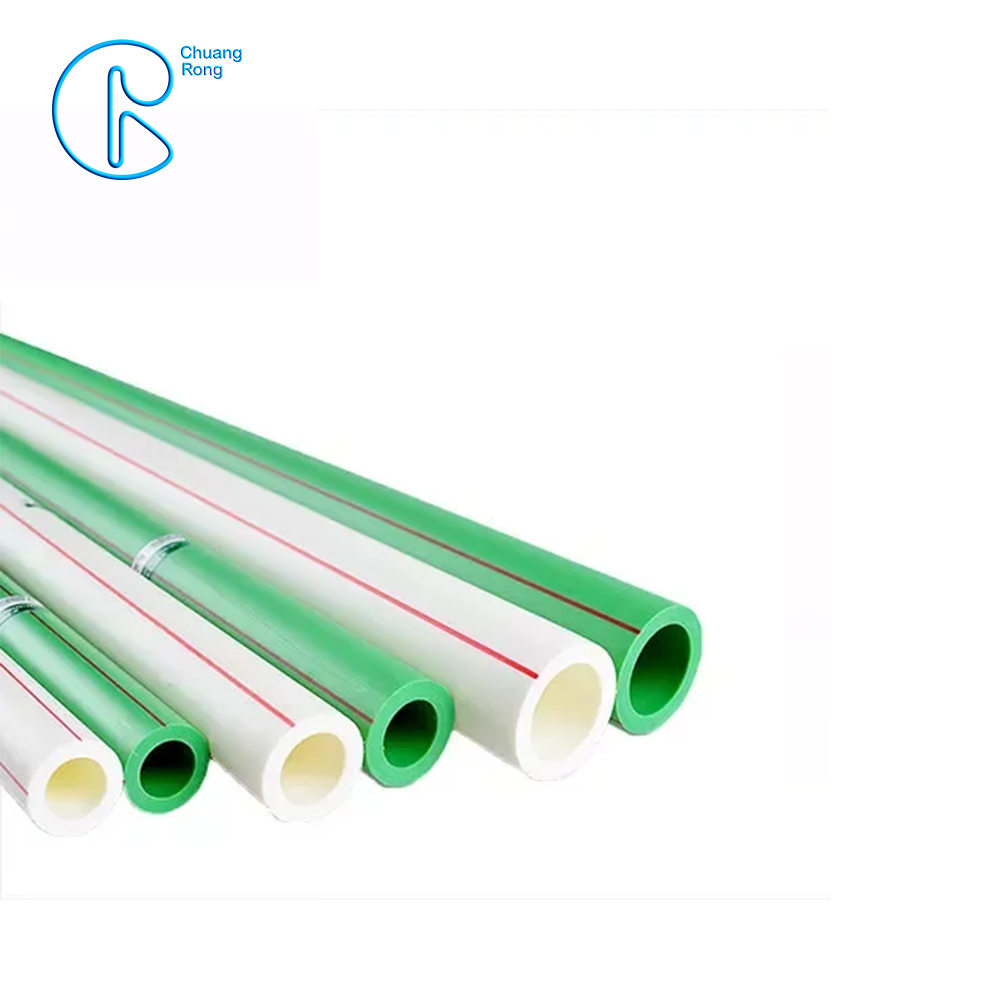
Green And White PN16 PPR Ripe Special Use For Indoor Cold Water
Get Quote & Info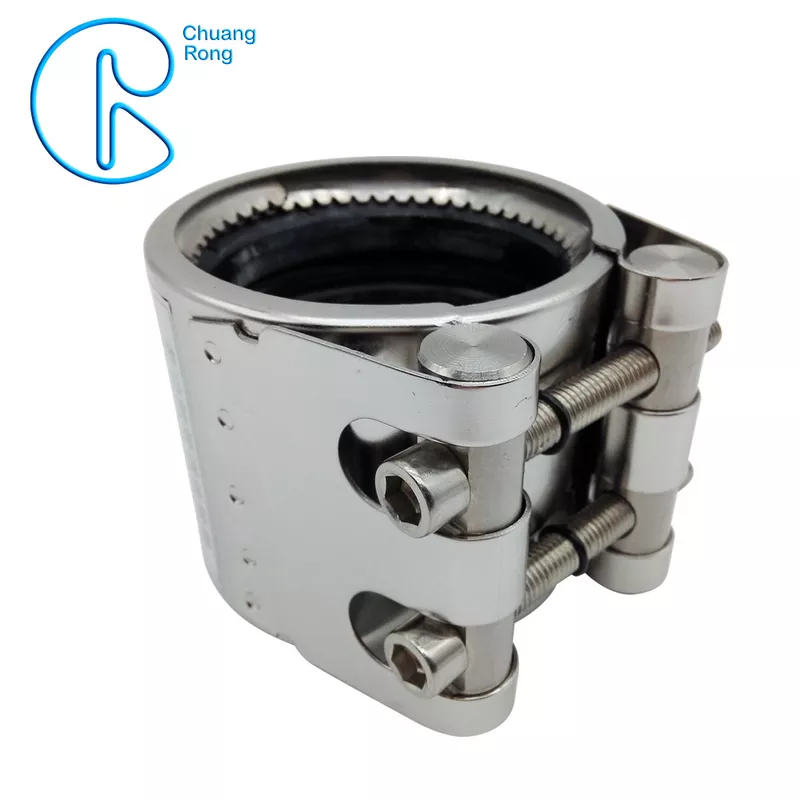
Folding Type Pipe Repair Clamp RCH For Quick Repair Pipe Leak Can Be Customized
Get Quote & Info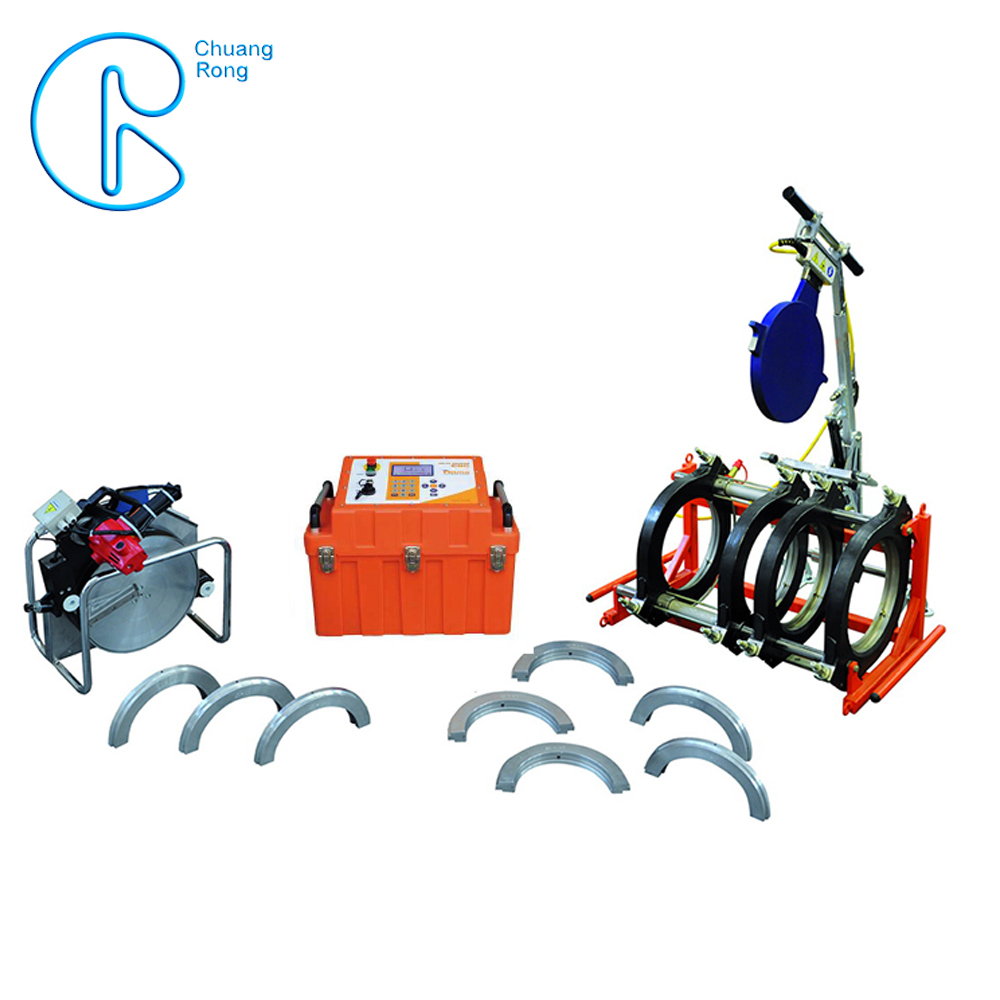
Large Size 1200 mm Plastic Pipe Fittings Hydraulic Buttfusion Welding Machine One Year Warranty
Get Quote & InfoSingapore's Agricultural Evolution & The Demand for HDPE Pipes
Singapore, a global financial hub with limited land resources, is undergoing a profound transformation in its agricultural sector. Under the nation's ambitious "30-by-30" goal, Singapore aims to produce 30% of its nutritional needs locally by the year 2030. To achieve this, the city-state is investing heavily in high-tech urban farming, vertical greenhouses, hydroponic facilities, and advanced aquaculture systems. This technological shift from traditional soil farming to sophisticated, automated growing systems requires a highly reliable and food-safe water distribution infrastructure. Consequently, the demand for high-quality Agricultural HDPE (High-Density Polyethylene) pipes has surged among local agro-tech companies, engineering contractors, and public developers.
Singapore's tropical climate presents unique challenges: high year-round temperatures, intense UV exposure, and high humidity. Traditional metal pipes suffer from rapid oxidation and corrosion, while low-grade plastics degrade quickly under direct sunlight. HDPE pipes offer unmatched UV resistance, chemical inertness (essential when routing nutrient-rich hydroponic solutions), and absolute flexibility, allowing piping networks to navigate tight vertical farming racks efficiently.
The Commercial and Industrial Landscape of Piping in Singapore
The commercial procurement landscape for piping systems in Singapore is highly regulated. Projects managed by agencies such as the Singapore Land Authority (SLA), National Parks Board (NParks), and the Singapore Food Agency (SFA) demand strict compliance with international and local quality control standards. Agricultural developers require piping systems that prevent water loss (crucial for Singapore's water sustainability initiatives) and resist bio-fouling. As a result, premium HDPE pipes with certified safety ratings (such as WRAS, ISO, and CE) have become the industry benchmark. Local engineering companies look for reliable suppliers who can offer competitive quotes, comprehensive design assistance, and ready-to-use welding machinery to facilitate fast on-site installation.
One-Stop Solution for Plastic Piping System
CHUANGRONG is a share industry and trade integrated company, established in 2005. We are focused on the production of a full range of quality HDPE pipes & fittings (from 20-1600mm, SDR26/SDR21/SDR17/SDR11/SDR9/SDR7.4), and the sale of PP compression fittings, plastic welding machines, pipe tools, and pipe repair clamps etc.
CHUANGRONG owns more than 100 sets of pipe production lines and 200 sets of fitting production equipment. Our production capacity reaches more than 100 thousand tons. Its main scope contains 6 systems of water, gas, dredging, mining, irrigation, and electricity, comprising more than 20 series and more than 7000 specifications.
Our products are in line with ISO4427/4437, ASTMD3035, EN12201/1555, DIN8074, AS/NIS4130 standards, and are approved by ISO9001-2015, CE, BV, SGS, and WRAS certifications.
See More About UsMore than 20 years of experience in 80 countries worldwide.
One-Stop Supplies and Solutions
As one of the largest PE pipeline manufacturers in China, CHUANGRONG provides customers with a full range of services from design, production, installation, and maintenance to ensure the long-term stable operation of PE pipeline systems.

Complete Product Line

Related products & Service

Installation & maintenance

Design & customization

Technical support
Agricultural HDPE Applications & Industry Trends in Singapore
1. Hydroponics and Vertical Farm Nutrient Delivery
In vertical farms located in districts like Lim Chu Kang and Sungei Tengah, space is optimized by stacking growing trays. The piping network must deliver water mixed with precise concentrations of fertilizers and nutrients. Standard PVC pipes can leach chemicals or crack under stress. Food-grade HDPE pipes supplied by CHUANGRONG are completely non-toxic and biological-growth resistant, maintaining the purity of the nutrient solution and safeguarding crop health.
2. Automated Drip Irrigation Systems
Water conservation is a top priority in Singapore. Smart drip irrigation systems require micro-irrigation lines integrated with sensors and solenoid valves. HDPE's flexibility and smooth inner surface minimize friction loss, ensuring uniform water pressure across extensive crop layouts. The material's high strain tolerance also prevents cracking under pressure fluctuations caused by automated valves.
3. Aquaponics and Closed-Loop Aquaculture
Aquaculture in Singapore is shifting toward land-based Recirculating Aquaculture Systems (RAS). These facilities require large-diameter pipes (ranging from 110mm to 630mm or more) to handle massive fish waste water volumes. CHUANGRONG's thick-walled PE100 pipes are ideal for this application, offering superior resistance to abrasion caused by organic solids and chemical sanitizers used to maintain water hygiene.
IoT-Enabled Irrigation: Modern Singapore farms are deploying IoT sensors directly onto HDPE pipeline networks to monitor flow rates, pressure drops, and leaks. This integration reduces manual labor and water waste.
Shift to PE100 Material: There is a clear transition from older PE80 materials to high-performance PE100 resins, which offer higher pressure ratings (SDR11/SDR17) and greater resistance to slow crack growth, extending the system lifetime to over 50 years.
Factors Influencing HDPE Pipe Quotes in Singapore
When sourcing quotes for agricultural HDPE pipes in Singapore, buyers should consider several variables: raw material quality (100% virgin PE100 vs recycled resins), pressure class requirements (SDR levels), transport logistics, and local certification compliance. Working directly with an integrated manufacturer like CHUANGRONG ensures factory-direct pricing, customized sizing, and reliable logistics support to meet tight project deadlines.
Why Choose Us
As one of the largest PE pipeline manufacturers in China, CHUANGRONG provides customers with a full range of services from design, production, installation and maintenance to ensure the long-term stable operation of PE pipeline systems.

ONE-STOP SOLUTION

PRODCUTION ON DEMAND

CERTIFICATION IS COMPLETE

EXCELLENT TEAM
Complete Piping & Fitting Product Range
75/63mm Double -layer PE Electrofusion UPP Fittings for Petrol Station/Gas Station
Get Quote & Info
Green And White PN16 PPR Ripe Special Use For Indoor Cold Water
Get Quote & Info
Folding Type Pipe Repair Clamp RCH For Quick Repair Pipe Leak Can Be Customized
Get Quote & Info
Large Size 1200 mm Plastic Pipe Fittings Hydraulic Buttfusion Welding Machine One Year Warranty
Get Quote & Info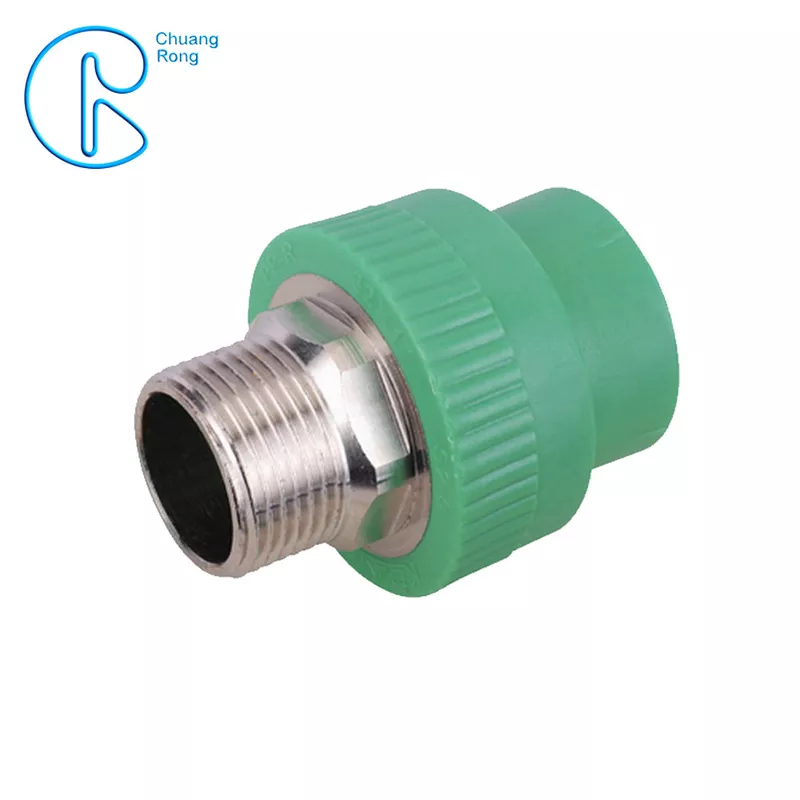
Environment Friendly PPR Pipe Socket Coupling Fitting With Metal Thread
Get Quote & Info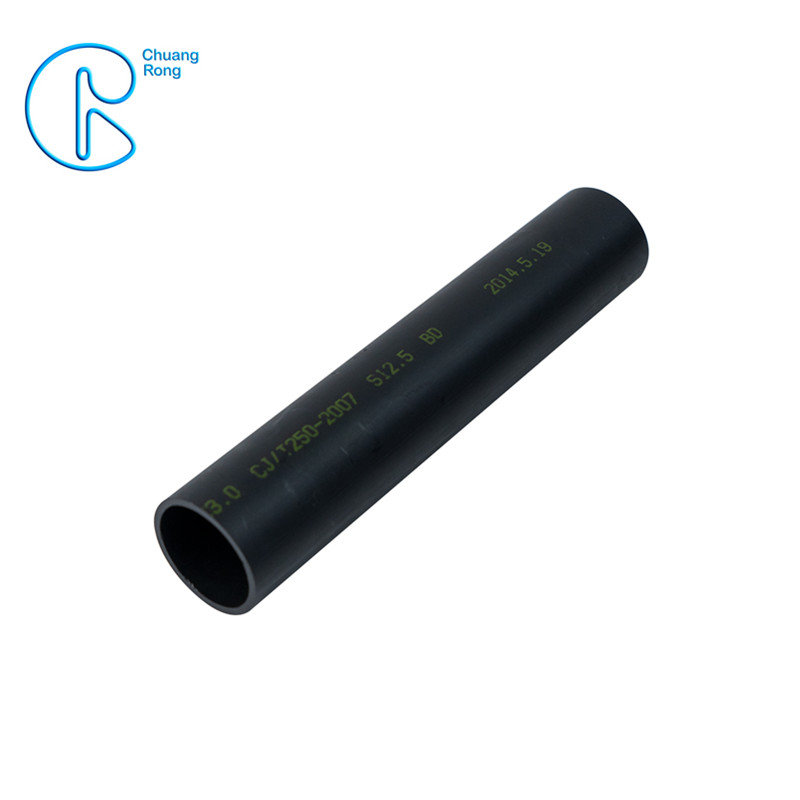
PE-HD Building Drainage and Siphonic Roof Rainwater Drainage Pipe
Get Quote & Info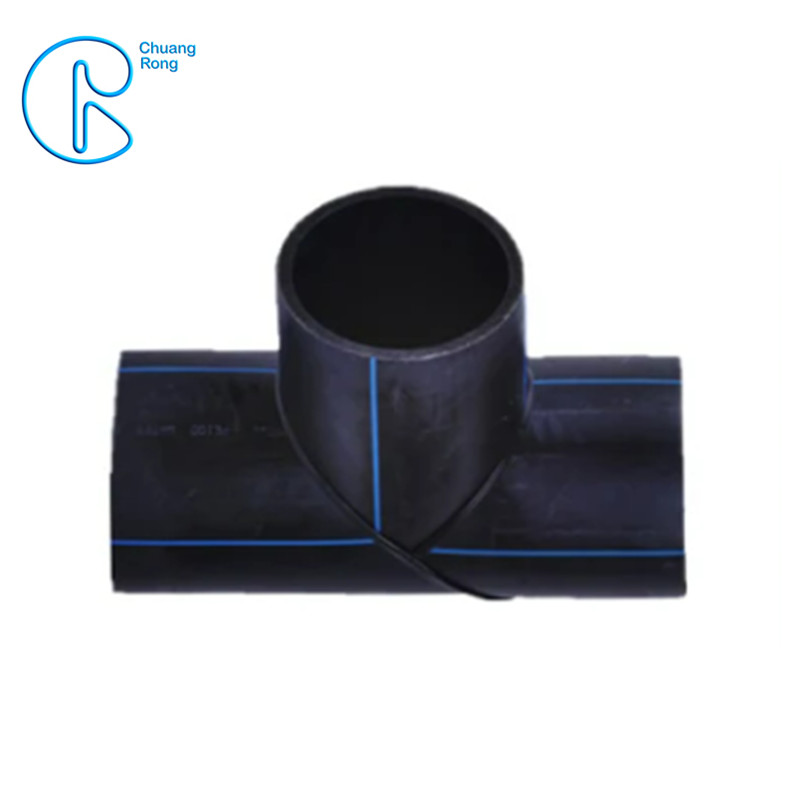
PE100 SDR11/17 Fabricated Welding Tee/ Reducing Tee Water Supply HDPE Pipe Fitting
Get Quote & Info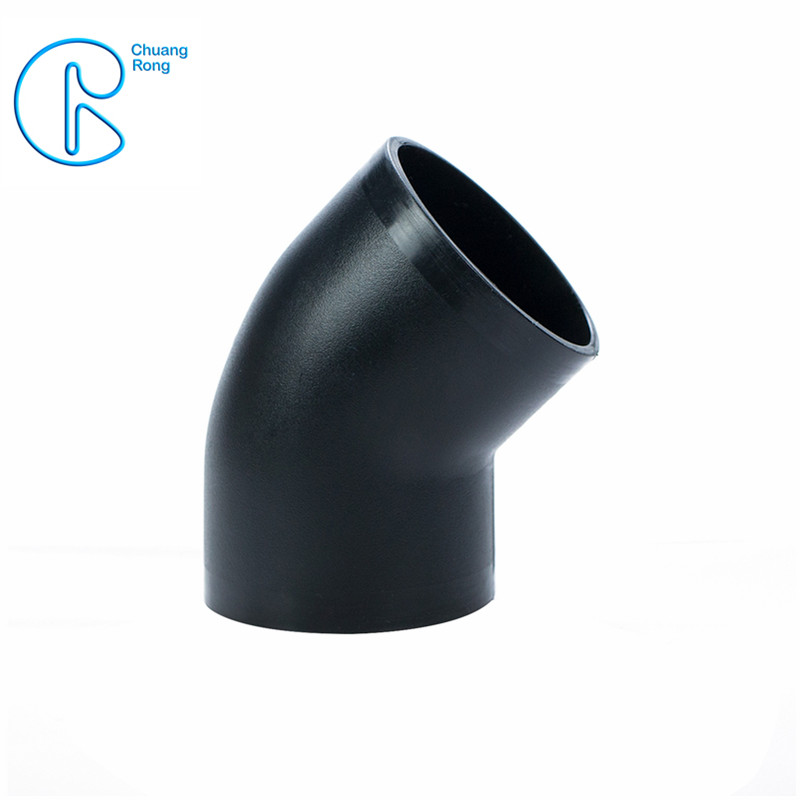
High Impact Resistant Siphonic HDPE 88.5° / 90° Elbow /Bend PN6 50mm-315mm Fittings
Get Quote & Info
Social Links


Our Company
information
Quick Links
contact us
-
ADD:
Room 911, Building T1, The Ring Center, No.333 Dongda Road, Chengdu, China.
- TEL: 0086-18180897627
- EMAIL: chuangrong@cdchuangrong.com
Hot Products - Sitemap - AMP Mobile
Hdpe Pipe Fitting, Hdpe Pipe And Fitting, Male Adaptor, Hdpe Pipe Fittings, Pe Water Pipe, Repair Clamp,
-

Phone
-

E-mail
-

Whatsapp
-

Skype
-

Top
