


Strängsprutning Plast For Trenchless Pipeline Repair: Advanced HDPE Extrusion Solutions
Featured Trenchless Engineering Products
High-performance extruded components and welding systems engineered specifically for non-disruptive trenchless pipeline rehabilitation projects.
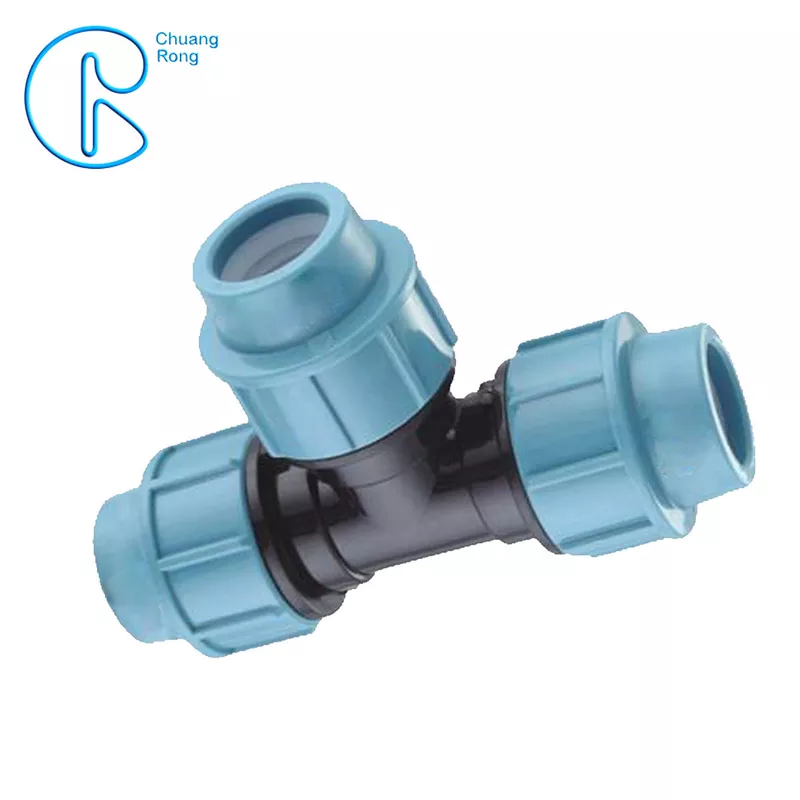
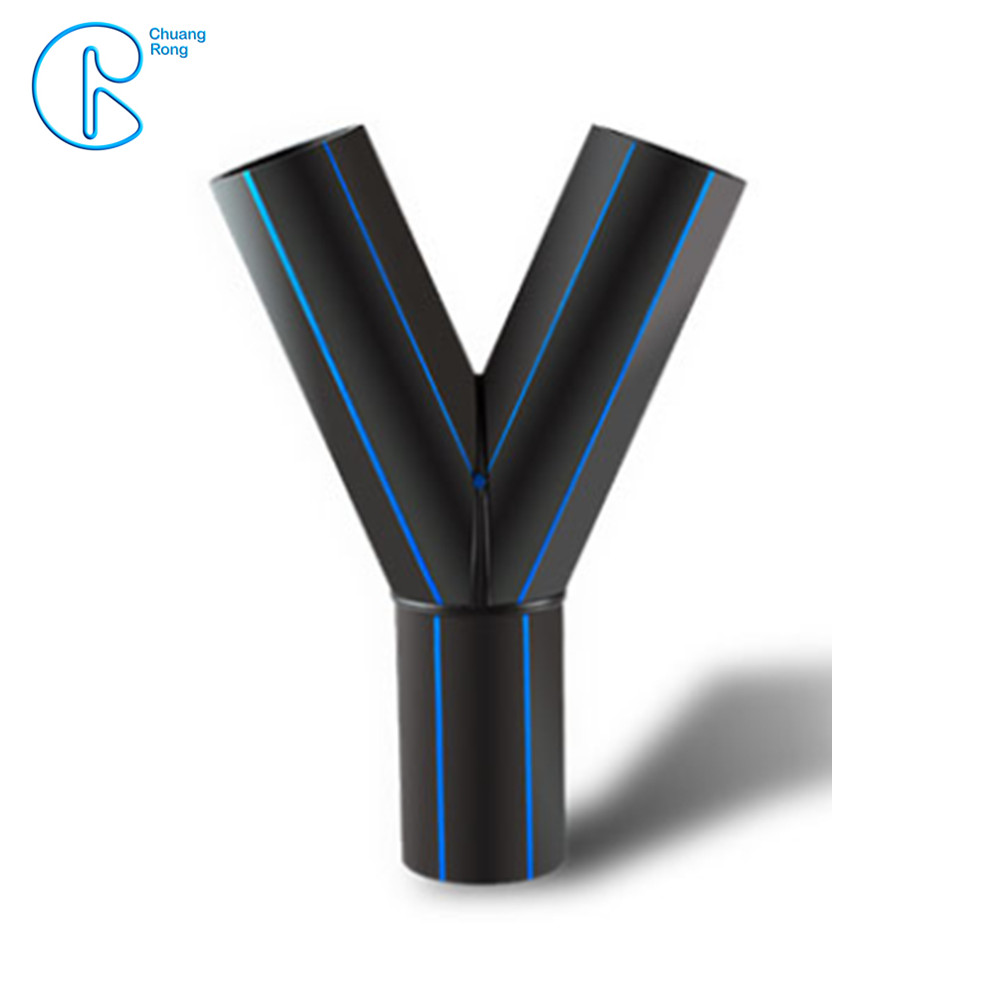
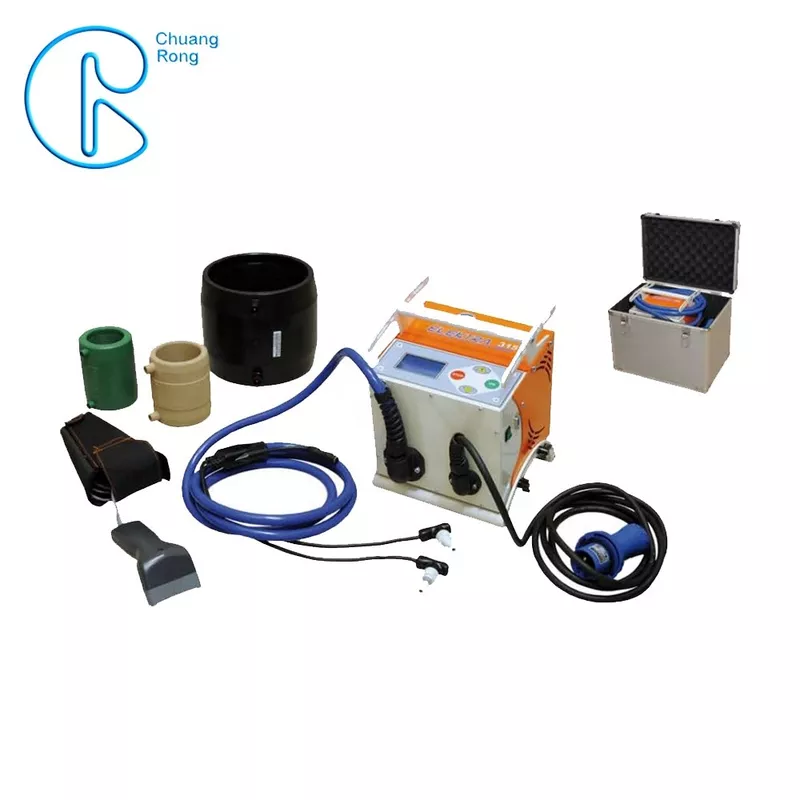
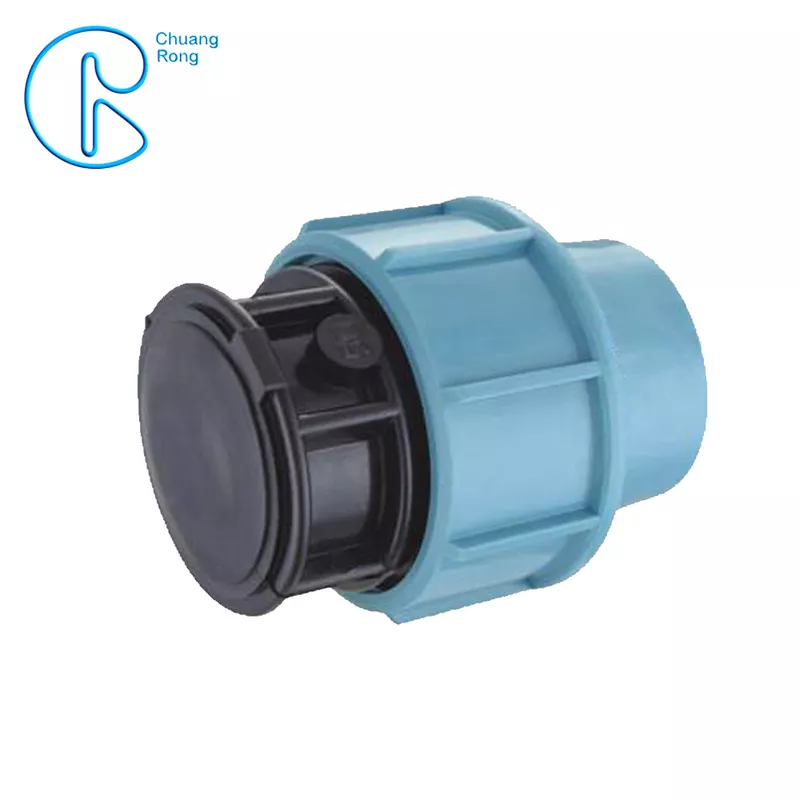
1. The Evolution of Strängsprutning Plast in Trenchless Technology
The global demand for sustainable, cost-effective, and non-disruptive infrastructure rehabilitation has positioned trenchless pipeline repair at the forefront of modern civil engineering. Central to this transformation is the process of strängsprutning plast (plastic extrusion), which produces the high-integrity thermoplastic pipes required to withstand the physical and environmental demands of trenchless installation.
Historically, replacing damaged municipal pipelines meant excavating long trenches, disrupting traffic, damaging local ecosystems, and incurring massive restoration costs. Today, trenchless technologies such as slip-lining, close-fit lining, horizontal directional drilling (HDD), and pipe bursting allow engineers to insert, pull, or form new pipelines directly inside old, deteriorated structures.
1Why Extruded Polyethylene (HDPE)?
Extruded High-Density Polyethylene (HDPE) PE100 offers unparalleled flexibility, tensile strength, and chemical resistance. This makes it the ideal candidate for trenchless repair methods where the pipe must endure significant pulling forces and adapt to bends in existing utility corridors.
2. Commercial & Industrial Status of Trenchless Piping
The industrial landscape for trenchless pipeline repair is expanding rapidly. With aging water, gas, and sewer networks across Europe, North America, and Asia, municipal authorities are heavily prioritizing trenchless rehabilitation over traditional open-cut methods.
From a commercial perspective, using extruded plastic pipelines for trenchless repair reduces project timelines by up to 50% and lowers overall installation costs by minimizing the need for heavy excavation machinery and subsequent road restoration.
Furthermore, the environmental footprint is significantly smaller. Extruded HDPE pipes feature smooth interior walls that reduce friction, optimize hydraulic capacity, and prevent mineral scaling—ensuring a maintenance-free service life of over 100 years. This long-term reliability delivers high ROI for municipal and private utility operators alike.
- Minimal Excavation: Preserves urban environments and historic structures.
- Reduced Social Cost: Prevents traffic congestion and business downtime.
- High Structural Integrity: Resists seismic shifts and ground movement.
One-Stop Solution for Plastic Piping System
CHUANGRONG is a share industry and trade integrated company, established in 2005. We are focused on the production of a full range of quality HDPE pipes & fittings (from 20-1600mm, SDR26/SDR21/SDR17/SDR11/SDR9/SDR7.4), and the sale of PP compression fittings, plastic welding machines, pipe tools, and pipe repair clamps, etc.
We own more than 100 sets of pipe production lines and 200 sets of fitting production equipment. Our production capacity reaches more than 100 thousand tons. CHUANGRONG's main catalog contains 6 systems of water, gas, dredging, mining, irrigation, and electricity, comprising more than 20 series and more than 7,000 specifications.
Our products are designed in strict accordance with ISO4427/4437, ASTMD3035, EN12201/1555, DIN8074, and AS/NIS4130 standards, and are fully approved by ISO9001-2015, CE, BV, SGS, and WRAS.
More than 20 years of experience in 80 countries worldwide.
3. Deep-Dive Application Scenarios in Trenchless Rehabilitation
Plastic extrusion technology (strängsprutning plast) enables a variety of trenchless installation methods. By customizing the thickness (SDR) and flexibility of the pipe, engineers can match the product to the specific geological and structural demands of the site.
ASlip-Lining (Continuous & Segmented)
Slip-lining is one of the most established trenchless methods. A new, extruded HDPE pipe with an outer diameter slightly smaller than the inner diameter of the host pipe is pulled or pushed into the damaged pipeline. The annular space between the two pipes is then grouted to secure the assembly. This method is highly effective for straight runs of water, sewer, or gas pipelines where a minor reduction in carrying capacity is acceptable. The ultra-smooth inner surface of the newly extruded HDPE pipe minimizes friction losses, often maintaining or even increasing flow rates despite the slightly reduced diameter.
BClose-Fit Lining (Fold-and-Form)
To prevent any reduction in the pipeline's cross-sectional area, close-fit lining is employed. An extruded HDPE pipe is temporarily deformed (often folded into a 'U' shape or drawn through sizing dies to reduce its diameter) before insertion. Once in place, the liner is pressurized with steam or hot water, causing it to expand back to its original circular memory and fit tightly against the host pipe. This creates a tight, structural "pipe-within-a-pipe" that utilizes the structural strength of the extruded plastic liner.
CHorizontal Directional Drilling (HDD)
For installing new lines under obstacles like rivers, highways, or existing buildings, HDD is the premier trenchless choice. A pilot hole is drilled along a planned path, enlarged with reamers, and then a continuous string of extruded HDPE pipe—joined via butt fusion or high-performance electrofusion welding—is pulled through the borehole. The high tensile strength and flexibility of extruded PE100 pipes are critical here to withstand the intense pulling forces and bending stresses without structural compromise.
DPipe Bursting
Pipe bursting is a destructive trenchless method used to replace fragile host pipes (like cast iron, clay, or concrete) with a new extruded plastic pipe of the same or larger diameter. A bursting tool is pulled through the host pipe, fracturing it and pushing the fragments into the surrounding soil, while simultaneously pulling the new HDPE pipe into place. This method is ideal for capacity upgrades in municipal water and sewer networks.
One-Stop Supplies and Solutions
As one of the largest PE pipeline manufacturers in China, CHUANGRONG provides customers with a full range of services from design, production, installation, and maintenance to ensure the long-term stable operation of PE pipeline systems.

Complete Product Line

Related Products & Service

Installation & Maintenance

Design & Customization

Technical Support
4. Technological Trends & Future Outlook
As trenchless pipeline repair transitions into a standard engineering practice globally, the extrusion process must innovate to meet increasingly complex demands. The future of strängsprutning plast lies in the integration of smart manufacturing technologies and advanced material science.
ICo-Extrusion and Multi-Layer Pipes
Modern extrusion lines are now capable of co-extruding multi-layer pipes. These pipes typically feature an inner layer designed for low friction and high chemical resistance, a structural core layer, and an outer protective skin (often made of modified polypropylene) that resists scratching and gouging during the trenchless pulling process. This multi-layer approach ensures that the pipe maintains its structural integrity even when dragged over rough debris inside an old host pipe.
IISmart Pipeline Integration
The incorporation of smart sensors and RFID chips directly into the extruded pipe walls during the manufacturing process is another major trend. These embedded components allow operators to monitor pipeline pressure, temperature, flow rate, and structural deformation in real time. In trenchless applications, where visual inspection is difficult or impossible, this digital monitoring provides invaluable data for preventive maintenance and long-term asset management.
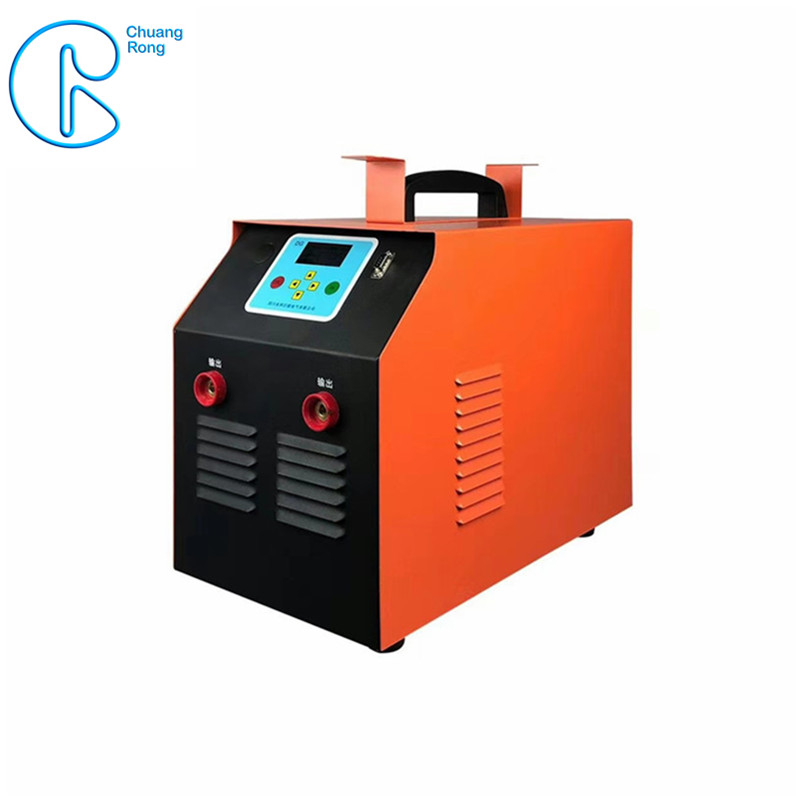
In addition, the automation of jointing technologies represents a major step forward. Modern electrofusion and butt-fusion welding machines, such as the ELEKTRA series, feature automated control systems that adjust welding parameters dynamically based on ambient conditions. This eliminates human error and guarantees a perfectly fused, leak-proof joint every time, which is critical for the high-tensile demands of trenchless pullbacks.
Why Choose Us
Partnering with CHUANGRONG means choosing quality, reliability, and comprehensive support. We are dedicated to providing the best piping solutions for your infrastructure projects.

One-Stop Solution

Production On Demand

Complete Certification

Excellent Team
Full Product Catalog for Trenchless Engineering
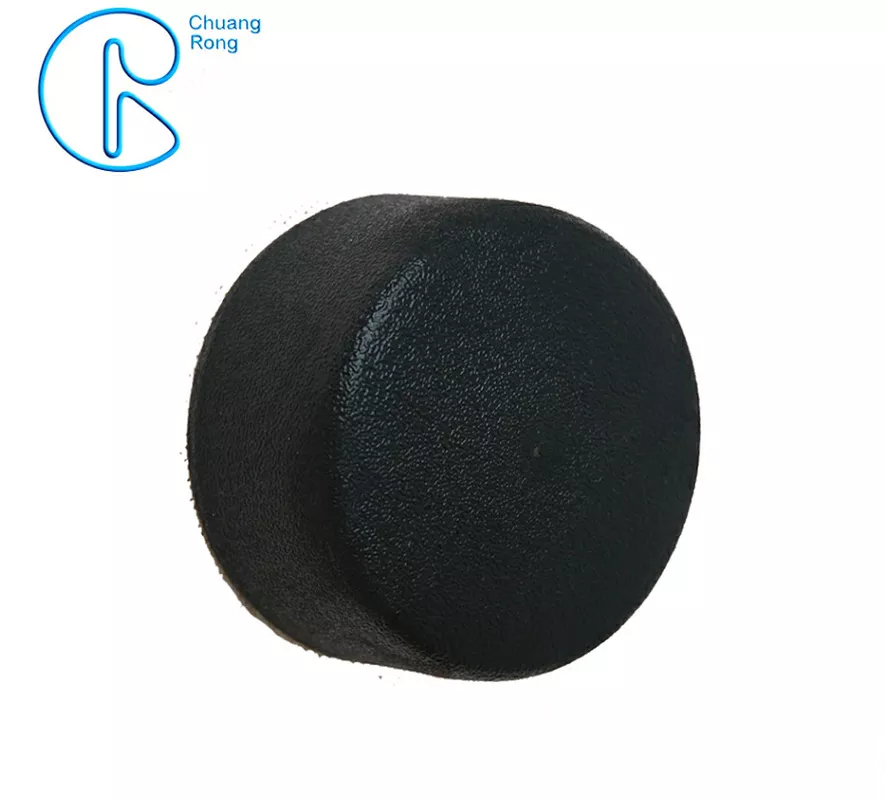
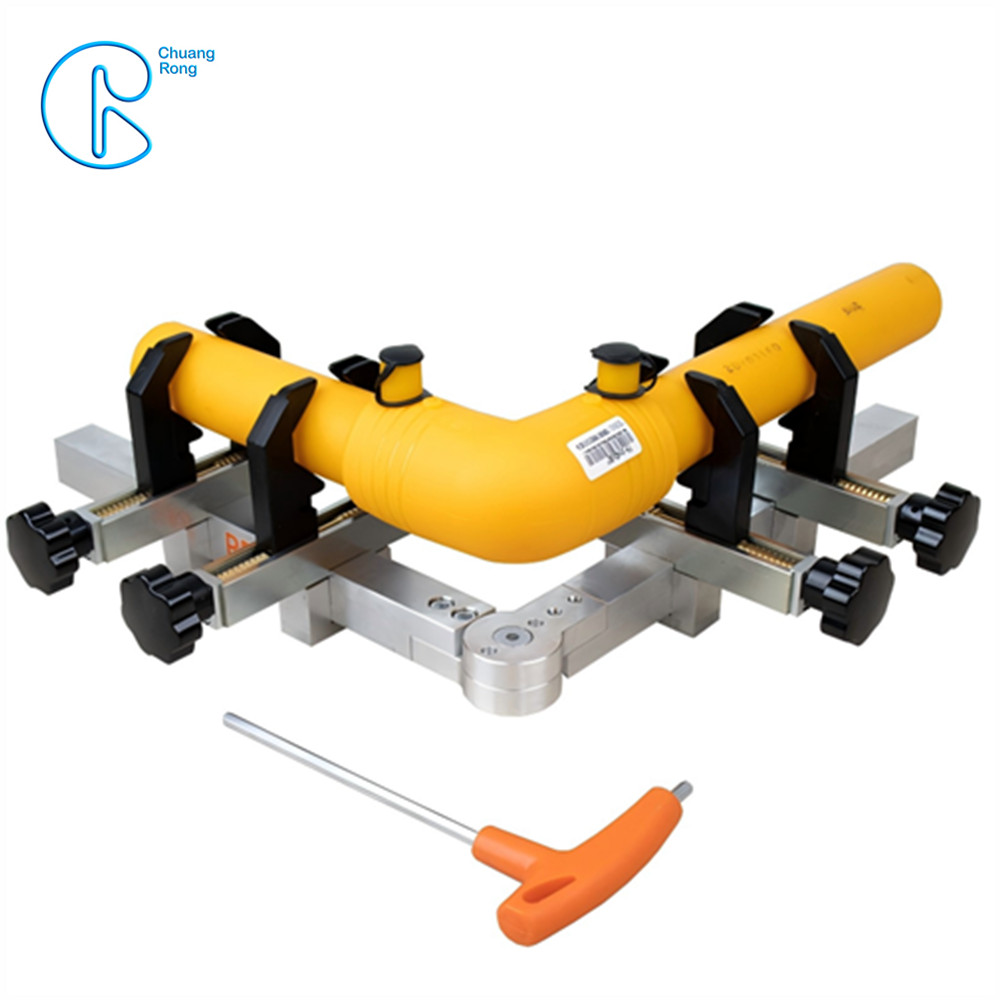
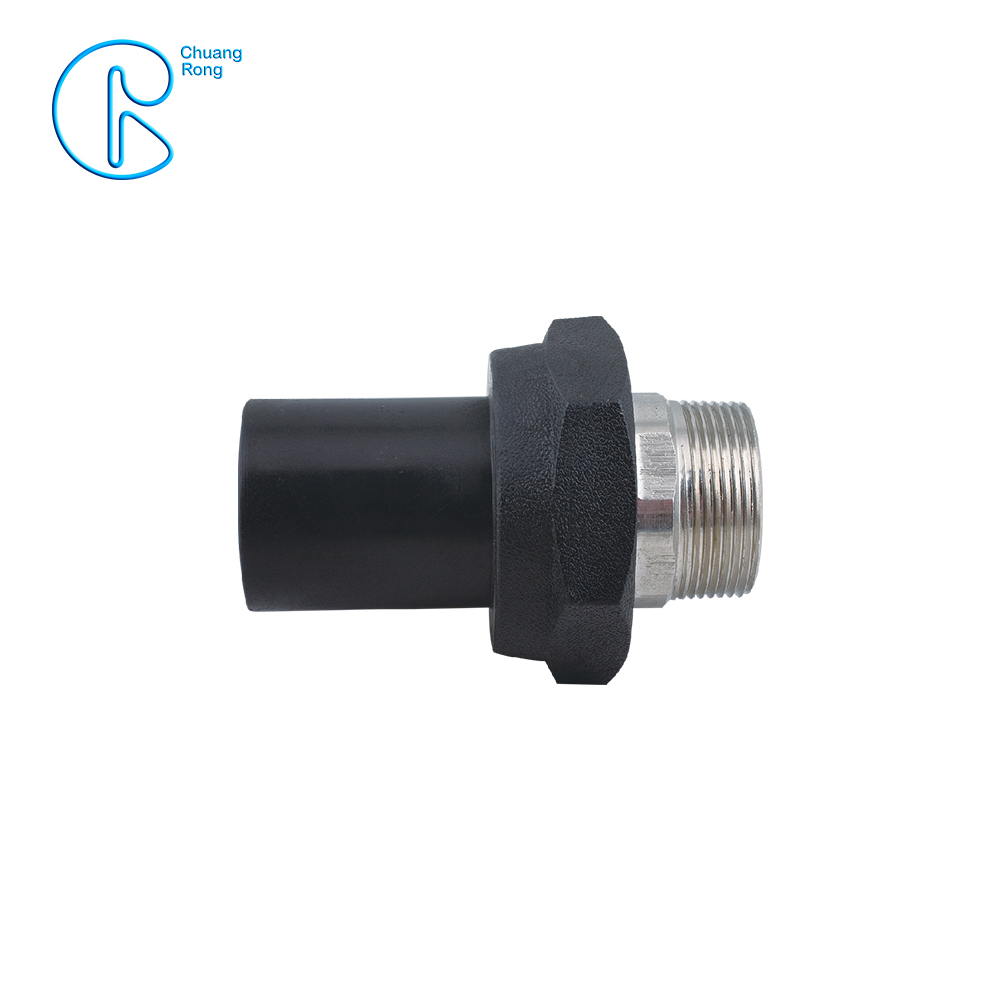
Explore our complete portfolio of high-density extruded pipes, electrofusion fittings, butt-welding systems, and alignment tools built for trenchless pipeline installation.

Social Links


Our Company
information
Quick Links
contact us
-
ADD:
Room 911, Building T1, The Ring Center, No.333 Dongda Road, Chengdu, China.
- TEL: 0086-18180897627
- EMAIL: chuangrong@cdchuangrong.com
Hot Products - Sitemap - AMP Mobile
Pe Water Pipe, Hdpe Pipe Fittings, Hdpe Pipe And Fitting, Repair Clamp, Male Adaptor, Hdpe Pipe Fitting,
-

Phone
-

E-mail
-

Whatsapp
-

Skype
-

Top
