


Featured Gas Network Pipe Repair & Installation Systems
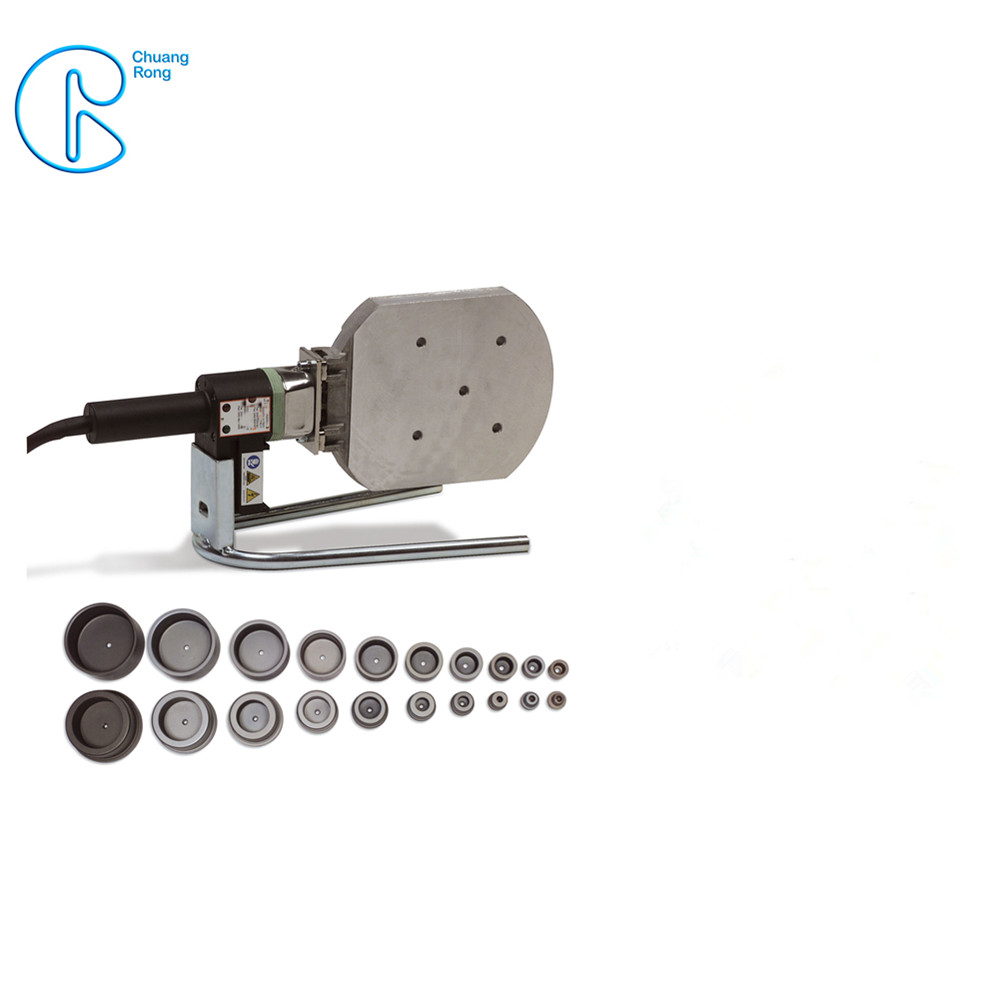
Gas Pipe Repair Socket Fusion Machine 110mm Handheld Welder
View Details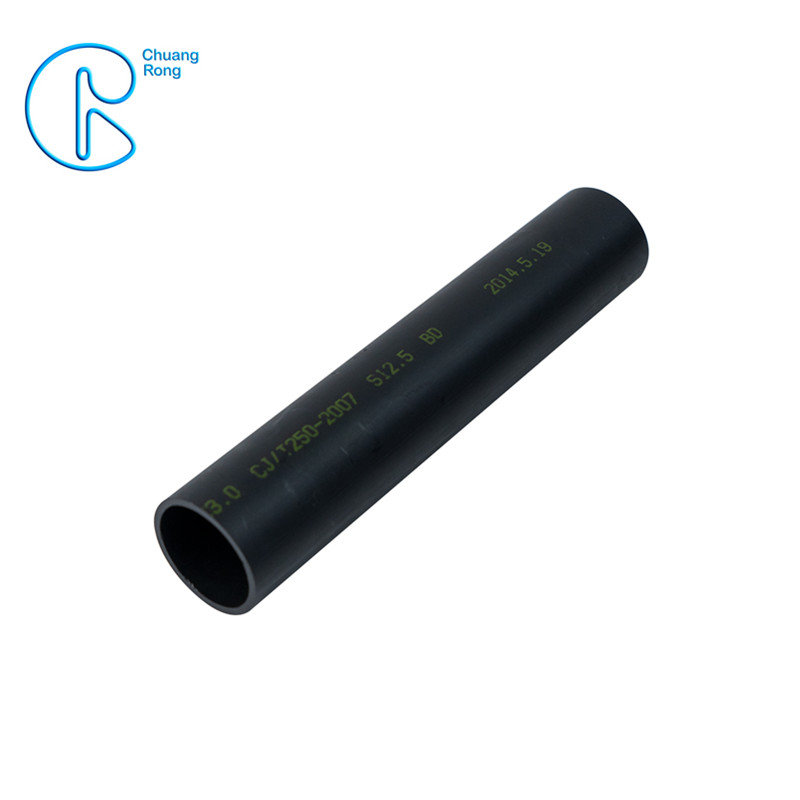
PE-HD High-Density Conduit Pipe for Gas Distribution Network Lining
View Details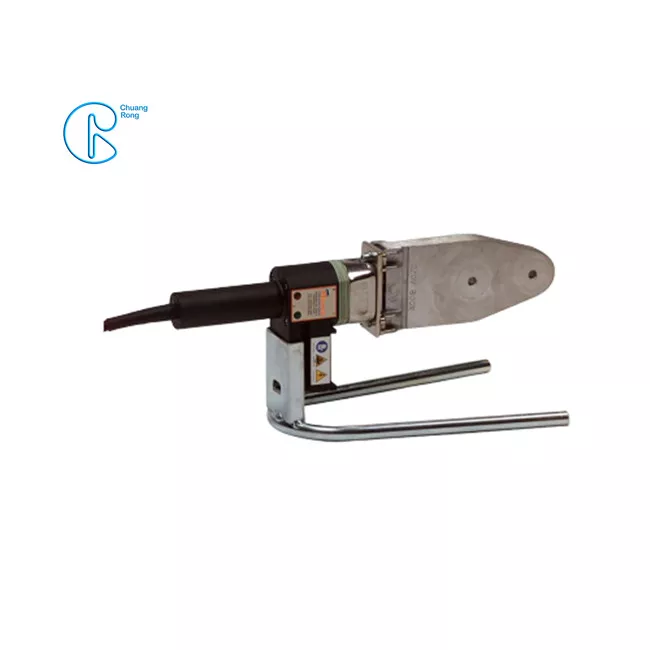
20-32mm Poly Gas Pipe Jointing & Fusion Machine Welder
View Details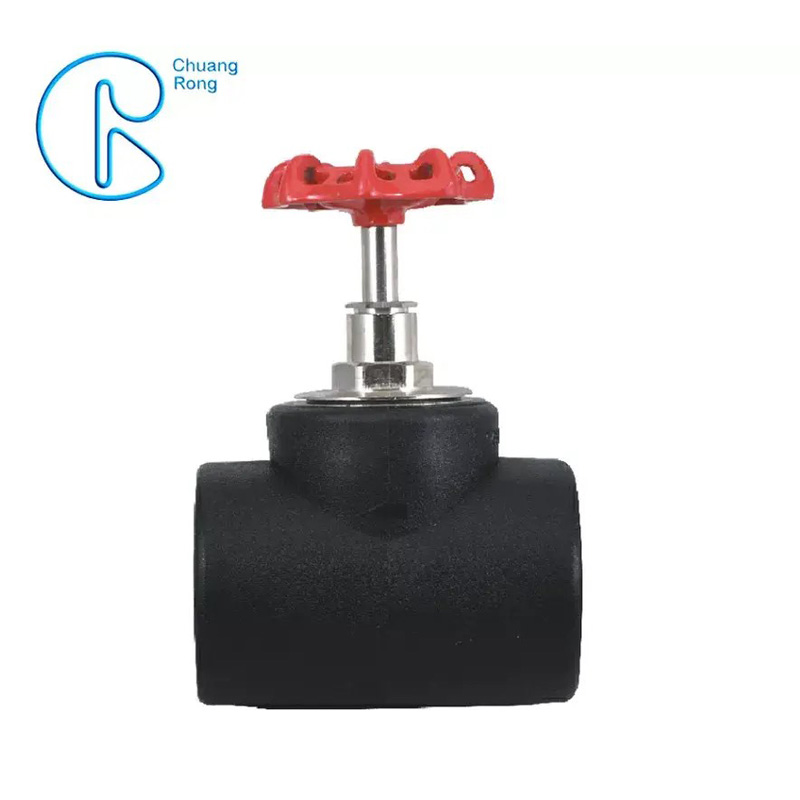
PE80/PE100 20-110mm Gas Distribution Stop Valve & Isolation Fitting
View DetailsThe Critical Challenge of Galvanized Pipes in Modern Gas Distribution
For decades, galvanized steel piping was the gold standard for municipal and industrial gas distribution networks. Its high tensile strength and initial resistance to external mechanical damage made it a preferred choice for transporting natural gas, liquefied petroleum gas (LPG), and other hydrocarbons. However, as these underground infrastructures age past their design life—often exceeding forty to fifty years—the vulnerabilities of galvanized pipes have become a major concern for utility operators, safety regulators, and environmental agencies worldwide.
The primary issue stems from the degradation of the protective zinc coating. Over time, exposure to moisture, soil chemistry, stray electrical currents, and corrosive trace elements within the gas stream leads to the depletion of the galvanized layer. Once this protective barrier is compromised, the underlying carbon steel is subjected to aggressive oxidation, resulting in pitting corrosion, scaling, and eventual structural failure. In gas distribution, even minor pinhole leaks can lead to catastrophic gas migration, soil contamination, and explosive hazards. Consequently, developing efficient, reliable, and cost-effective methods to repair and rehabilitate legacy galvanized pipelines is a paramount priority for modern utility management.
Internal scaling restricts flow and clogs regulators, while external galvanic corrosion leads to localized wall thinning. Threaded joints, which are inherently thinner than the pipe wall, represent the most common point of failure and gas leakage in legacy networks.
Commercial and Industrial Landscape of Gas Network Upgrades
The global energy transition and tightening safety regulations have drastically altered the commercial landscape of gas distribution. Grid operators are now subject to stringent performance metrics, where unaccounted-for gas (UFG) losses are heavily penalized. Furthermore, carbon reduction mandates require the mitigation of fugitive methane emissions, which are frequently traced back to leaking joint connections on legacy steel and galvanized networks.
Replacing entire networks via traditional open-cut excavation is economically prohibitive and socially disruptive, particularly in densely populated urban centers. As a result, the industry has shifted toward hybrid rehabilitation strategies. These strategies combine localized repairs using specialized transition fittings with trenchless technologies like slip-lining and pipe bursting. By utilizing high-density polyethylene (HDPE) pipes and advanced electrofusion fittings, operators can bypass compromised galvanized sections, establishing a leak-free, corrosion-resistant network that is guaranteed to last for over 50 years.
Advanced Rehabilitation Methodologies: Transitioning from Galvanized Steel to Polyethylene
When evaluating the repair of galvanized pipes in gas distribution networks, engineers must choose between localized mechanical repairs and comprehensive system rehabilitation. For localized interventions, specialized steel-to-PE transition fittings are utilized to bridge the gap between legacy metallic systems and modern thermoplastic materials. These transitions feature a factory-tested, pull-out resistant connection that ensures gas-tight integrity even under high mechanical stress and thermal expansion.
For larger-scale upgrades, trenchless rehabilitation is the industry-standard approach. The two most prominent methods are:
1. Slip-Lining (Conduit Insertion)
Slip-lining involves inserting a new, continuous HDPE pipe of a slightly smaller diameter directly into the existing galvanized host pipe. The old galvanized pipe acts as a protective casing, shielding the new PE pipe from external mechanical impacts and soil loads. The annular space between the host pipe and the new liner is often grouted to stabilize the assembly. This method minimizes excavation to small access pits, reducing restoration costs and traffic disruption by up to 80%.
2. Pipe Bursting
In scenarios where maintaining or increasing the original flow capacity is critical, pipe bursting is employed. A static or dynamic bursting tool is pulled through the legacy galvanized pipe, fracturing the metallic structure and pushing the fragments into the surrounding soil. Simultaneously, a new HDPE gas pipe of equal or larger diameter is pulled in directly behind the bursting head. This method allows for a seamless, trenchless upgrade to high-performance thermoplastic piping without reducing the cross-sectional area of the gas main.
Modern polyethylene systems rely on molecular fusion to create homogenous joints that are as strong as the pipe itself. Electrofusion fittings, equipped with integrated heating coils, provide precise, computer-controlled welding that is essential for gas-tight connections in tight trench environments.
One-Stop Solution for Plastic Piping Systems
CHUANGRONG is a shared industry and trade integrated company established in 2005. We focus on the production of a full range of quality HDPE pipes & fittings (ranging from 20mm to 1600mm, with pressure ratings SDR26, SDR21, SDR17, SDR11, SDR9, and SDR7.4), along with the sale of PP compression fittings, plastic welding machines, specialized pipe tools, and pipe repair clamps.
Our state-of-the-art facilities house more than 100 sets of advanced pipe production lines and 200 sets of high-precision fitting production equipment. With an annual production capacity exceeding 100,000 tons, our portfolio encompasses 6 primary systems covering water, gas, dredging, mining, irrigation, and electricity, offering over 20 series and more than 7,000 unique specifications.
All CHUANGRONG products comply strictly with international standards, including ISO4427/4437, ASTM D3035, EN12201/1555, DIN8074, and AS/NZS 4130. Our commitment to quality is backed by global certifications such as ISO9001-2015, CE, BV, SGS, and WRAS, ensuring safe and reliable performance in critical gas distribution networks.
See More About UsOne-Stop Supplies and Solutions
As one of the largest PE pipeline manufacturers in China, CHUANGRONG provides customers with a full range of services from design, production, installation, and maintenance to ensure the long-term stable operation of PE pipeline systems.

Complete Product Line
CHUANGRONG offers the most complete product line including PE pipes, PE butt fittings, PE electrofusion fittings, PE socket fittings, PE syphon drainage fittings, PE valves, PE/steel transition fittings, PE machined fittings, PE fabricated fittings, PP compression fittings, plastic pipe welding machines & tools, pipe connectors & repair clamps, and more.

Related Products & Service
We provide customers with PE pipe/rod extrusion lines, injection molding machines, robotic arms, butt fusion and electrofusion fitting molds, PP back ring molds, CNC control and lathering machines, workshop fitting machines, band saws, testing equipment, resistance testers, steam-diving pin machines, bar code printers, cranes, forklifts, chillers, and central feeding systems.

Installation & Maintenance
CHUANGRONG provides comprehensive pipeline services from construction to commissioning, ensuring firm, leak-free connections through butt fusion, electrofusion, mechanical connection, and other advanced technical means to complete your installation tasks efficiently.

Design & Customization
Our professional engineering team designs custom pipeline layouts to ensure optimal flow, reduce pressure loss, and meet specific project requirements. We offer customized product development, including new molds and tailored piping designs.
Engineering Standards and Material Optimization for Gas Piping Systems
Gas distribution networks operate under strict safety guidelines due to the volatile nature of the medium. Consequently, the materials selected for repairing or replacing legacy galvanized pipes must meet rigorous international standards. The transition to High-Density Polyethylene (HDPE) has been globally standardized under guidelines such as ISO 4437 and EN 1555, which govern plastic piping systems for the supply of gaseous fuels.
Polyethylene materials are classified by their Minimum Required Strength (MRS) over a 50-year design life at 20°C. Modern gas networks primarily utilize PE80 and PE100 resins:
- PE80 (MRS 8.0 MPa): Commonly used for medium and low-pressure gas distribution networks. PE80 offers excellent flexibility, making it highly suited for service lines and insertion projects with tight bending radii.
- PE100 (MRS 10.0 MPa): Formulated for high-pressure gas applications. PE100 features superior resistance to Rapid Crack Propagation (RCP) and Slow Crack Growth (SCG), allowing for higher operating pressures and thinner pipe walls (higher SDR ratings), which optimizes flow capacity.
Furthermore, when connecting new HDPE lines to remaining galvanized steel mains, the integrity of the transition joint is paramount. Steel-to-PE transition fittings must undergo rigorous testing, including tensile strength tests, thermal cycling, and long-term hydrostatic pressure testing, to ensure they do not become weak points in the distribution network.
Future Trends: Hydrogen Blending and Smart Gas Networks
As the global energy sector pivots toward decarbonization, gas network operators are actively preparing for hydrogen blending. Hydrogen molecules are significantly smaller than methane molecules, raising concerns about permeation and leakage through traditional metallic joints and older elastomeric seals.
High-quality PE100 and PE100-RC (Resistant to Crack) piping systems have demonstrated excellent resistance to hydrogen permeation, making them the preferred material for future-proofing gas distribution networks. By replacing or lining legacy galvanized pipes with advanced polyethylene systems, utility companies are not only resolving current corrosion issues but are also laying the groundwork for the distribution of green hydrogen and synthetic natural gas (SNG) in the decades to come.
Why Choose CHUANGRONG
Leveraging over two decades of industry experience, we deliver robust, certified, and fully integrated piping solutions tailored to the demanding conditions of modern gas distribution networks.

One-Stop Solution
We specialize in the R&D, production, sales, and installation of new-type plastic pipes and fittings, providing a complete, professionally designed solution for your PE pipe system projects.

Production On Demand
Operating five factories equipped with over 100 pipe production lines and 200 fitting production sets, we deliver a capacity of over 100,000 tons across 7,000+ specifications.

Complete Certification
Our rigorous quality control processes from raw material to finished product comply with ISO4427/4437, ASTMD3035, EN12201/1555, and DIN8074, approved by CE, SGS, BV, and WRAS.

Excellent Team
Our experienced team operates on principles of integrity, professionalism, and efficiency, maintaining active business relationships across more than 80 countries worldwide.
Comprehensive Product Catalog for Gas System Upgrades & Maintenance
Socket Fusion Machine 110mm Handheld Welder For PPR Pipe Connection
View Details
PE-HD Building Drainage and Siphonic Roof Rainwater Drainage Pipe
View Details
20-32mm Poly Pipe Socket Fusion Machine Handle Small PPR Welding Machine
View Details
PE80/PE100 20-110mm Socket / Fusion Stop Valve Plumbing Water System
View Details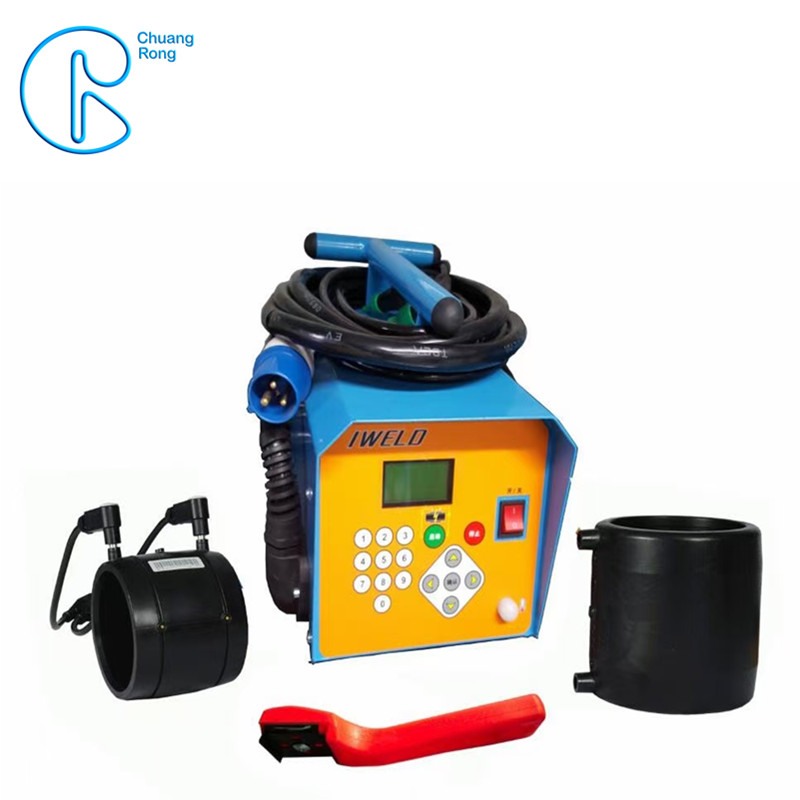
20-400mm Electrofusion Welding Machine For Gas , Water Plastic Pipe Fitting
View Details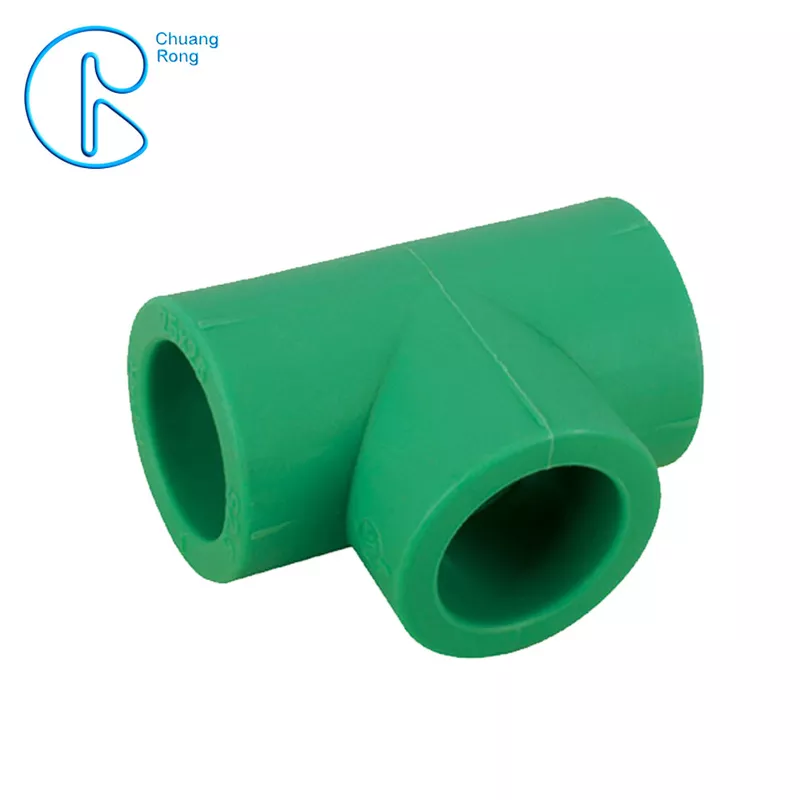
20-160mm PPR Equal Tee Indoor PPR Pipe Fittings With Long Time Service
View Details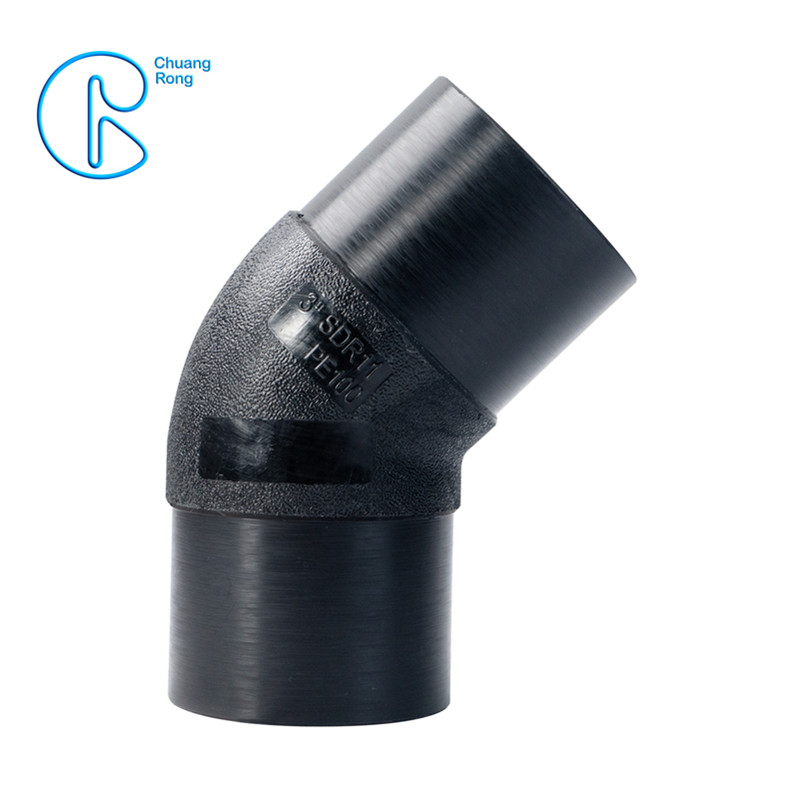
PE100 /PE80 HDPE Butt Fusion 45 Degree Elbow/Bend with CE Approved
View Details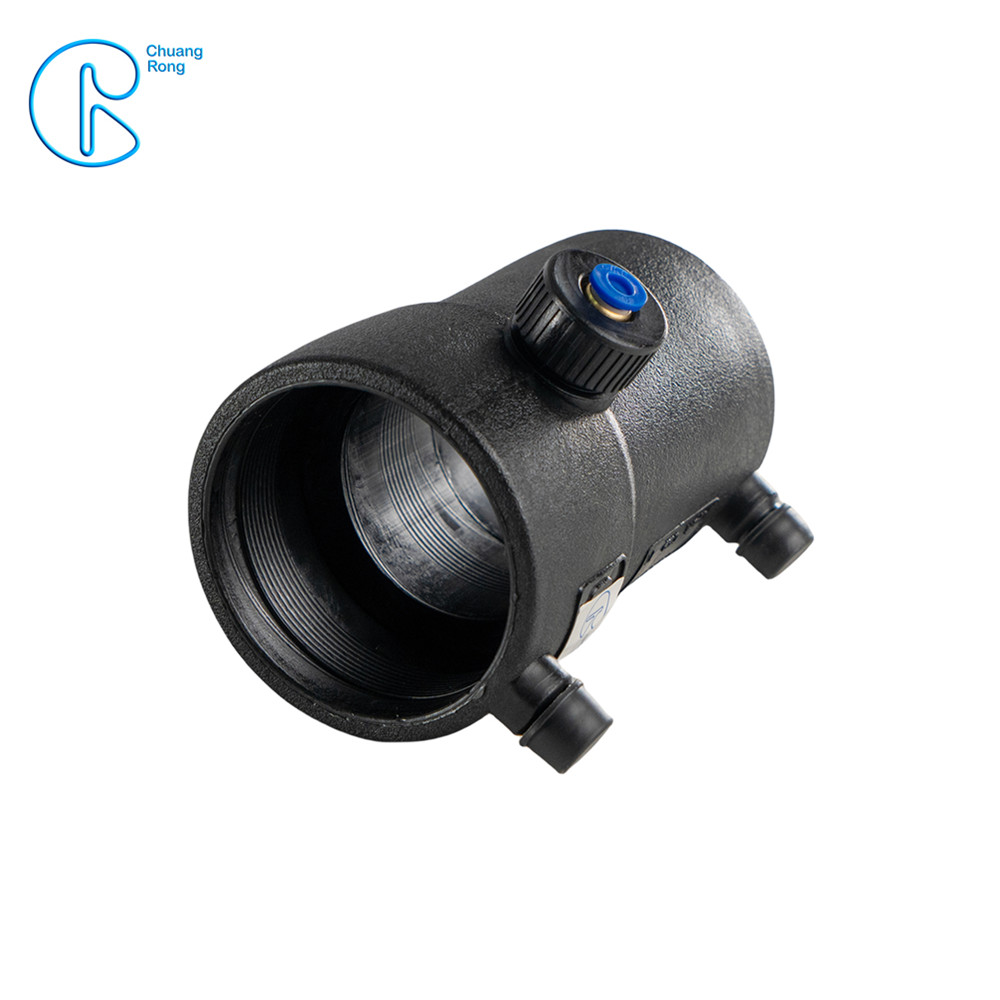
PE/HDPE Double Wall Oil Pipe Electrofusion Fitting Double-layer Reducer Gasoline Fittings
View Details
Social Links


Our Company
information
Quick Links
contact us
-
ADD:
Room 911, Building T1, The Ring Center, No.333 Dongda Road, Chengdu, China.
- TEL: 0086-18180897627
- EMAIL: chuangrong@cdchuangrong.com
Hot Products - Sitemap - AMP Mobile
Pe Water Pipe, Hdpe Pipe Fittings, Hdpe Pipe And Fitting, Repair Clamp, Male Adaptor, Hdpe Pipe Fitting,
-

Phone
-

E-mail
-

Whatsapp
-

Skype
-

Top
