


Featured Agricultural Irrigation Solutions
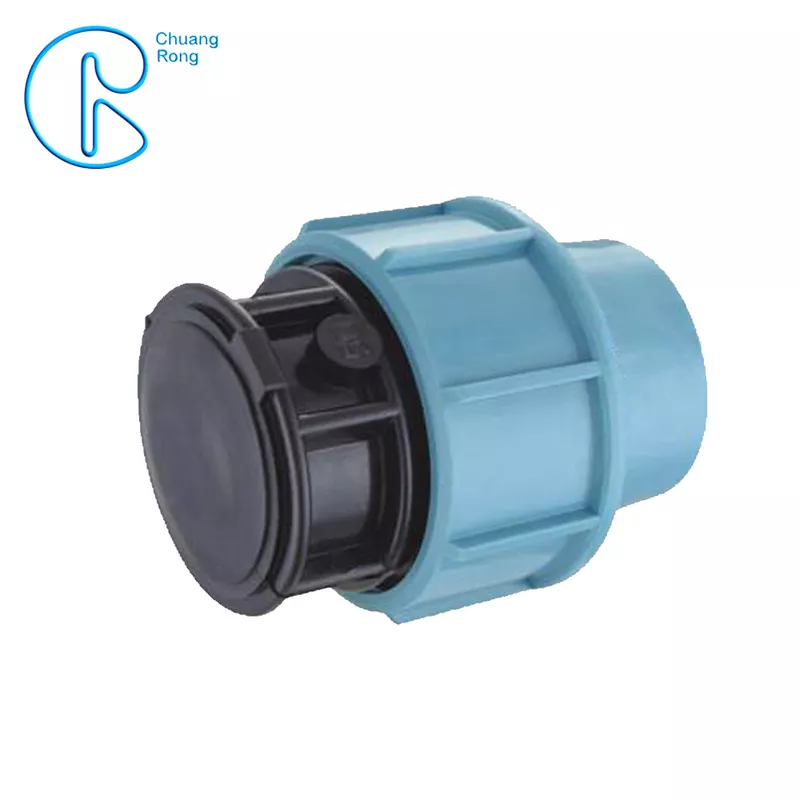
Quick Connector PP Plumbing Fittings Plastic End Cap Adaptor for Agricultural Water Supply
View Details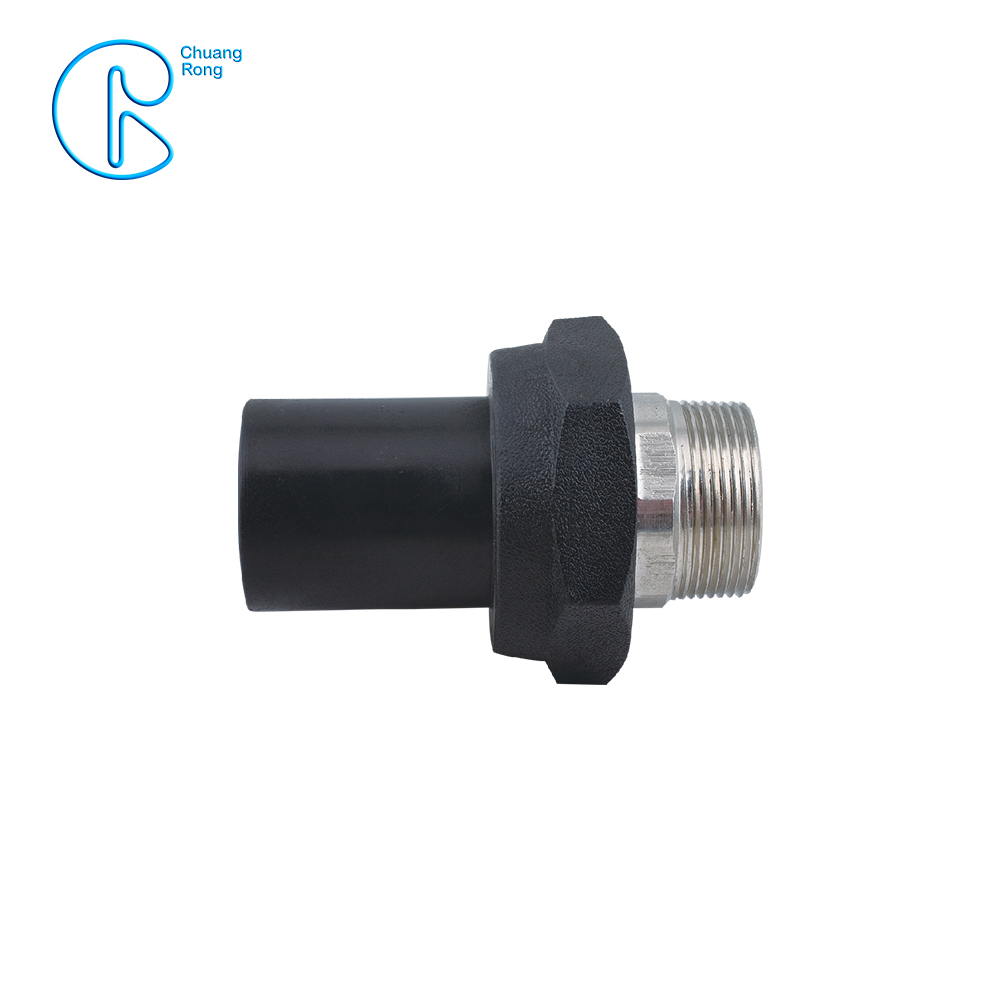
HDPE Pipe Butt Fusion Male Adapter Transition Fitting PE to Brass for Irrigation Networks
View Details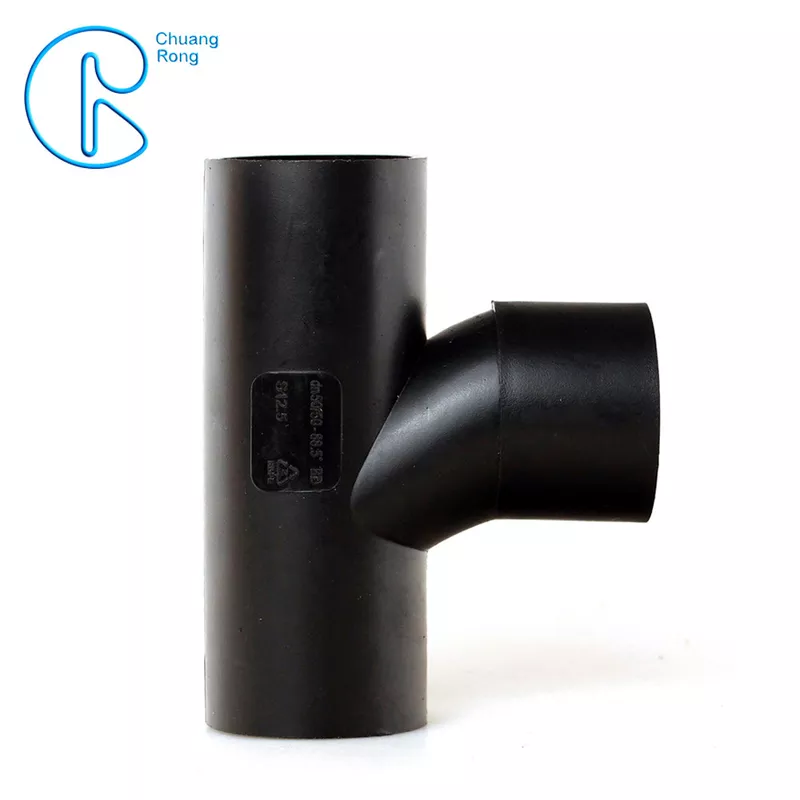
HDPE PN6 SDR26 50-200mm Siphon Downstream 88.5° Tee Branch Irrigation Fitting
View Details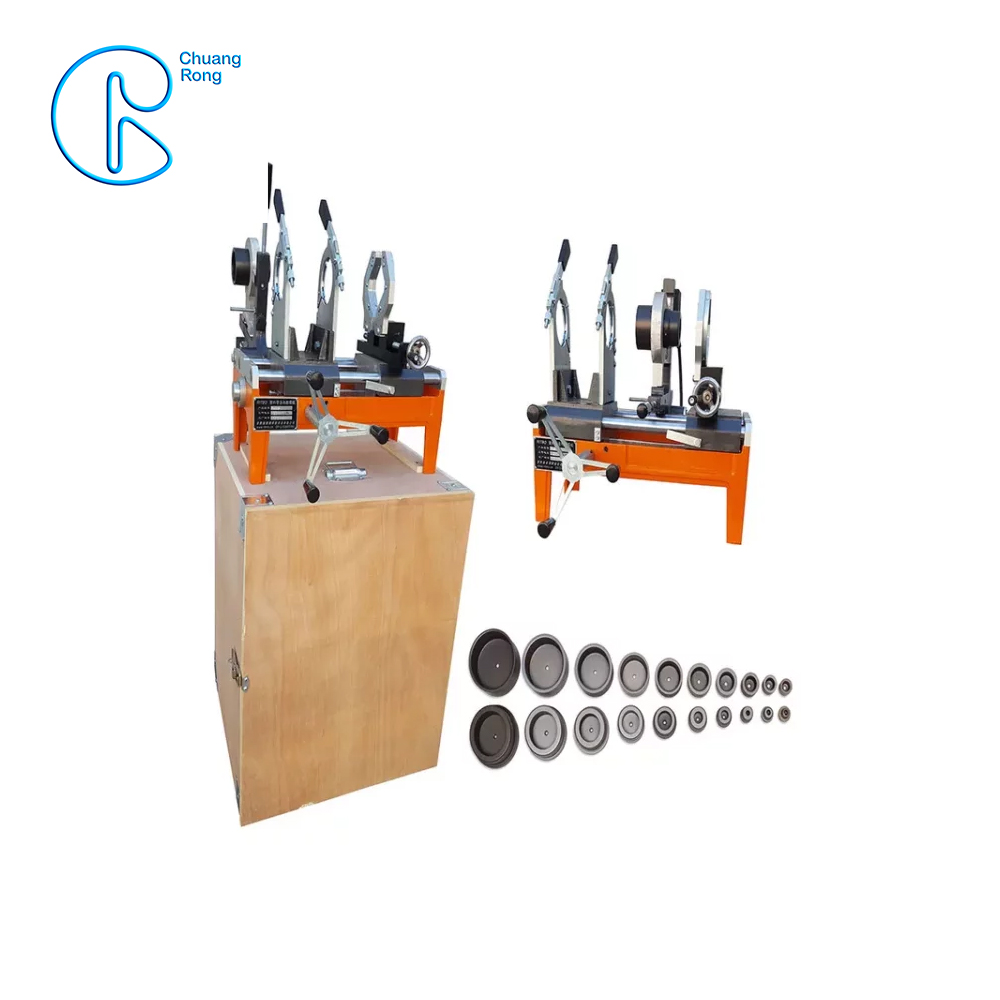
High Performance Socket Fusion Welding Machine (20-125MM Range) for PP-R Systems
View DetailsPP-R Piping & Fittings: Revolutionizing Modern Agricultural Irrigation
In the era of smart agriculture and intensive global farming, the efficiency of water delivery systems has transitioned from an operational detail to a critical competitive parameter. Water scarcity, shifting climate patterns, and the surging global demand for food security require irrigation systems that minimize losses, endure extreme environmental pressures, and integrate seamlessly with dynamic farming operations. Polypropylene Random Copolymer (PP-R) pipes and fittings have emerged as the definitive solution for these modern challenges. Offering exceptional chemical resistance, robust mechanical properties, and long-term economic benefits, PP-R is setting a new standard for sustainable and high-yielding agricultural practices.
1. The Commercial and Industrial Landscape
The global agricultural irrigation piping market is experiencing a significant structural transition. For decades, traditional materials like PVC, galvanized steel, and low-density polyethylene dominated the field. However, industrial farm operators now face rising labor costs, energy overheads, and the continuous decay of older piping networks. Scale, chemical corrosion from fertilizers, and environmental degradation have rendered traditional piping systems increasingly expensive to maintain.
PP-R systems address these structural challenges directly. With a service life exceeding 50 years under standard operating conditions, PP-R allows commercial growers to calculate their infrastructure investments over a multi-decade horizon. This long-term durability significantly reduces the Total Cost of Ownership (TCO) by eliminating recurring replacement costs and minimizing pipe-related downtime during critical crop growth cycles.
2. Material Science and Mechanical Superiority
At the molecular level, PP-R is synthesized via a random copolymerization process that incorporates ethylene links into the polypropylene backbone. This structural design imparts high impact strength, flexibility, and temperature resistance to the material.
Unlike standard PVC, which can become brittle under prolonged exposure to ultraviolet (UV) radiation and fluctuating ambient temperatures, agricultural-grade PP-R is formulated with UV stabilizers and carbon black. This allows the piping to remain structurally sound whether buried deep underground or laid directly on the surface of sun-drenched fields. Furthermore, the low thermal conductivity of PP-R minimizes temperature fluctuations of the water inside the pipe, preventing thermal shock to sensitive plant root systems.
Key Technical Benefits of PP-R in Irrigation Systems
Hydraulic Efficiency: PP-R pipes feature an exceptionally smooth inner surface (roughness coefficient of approximately 0.007 mm). This reduces friction loss to a minimum. In extensive agricultural setups where water must be pumped over long distances or up undulating terrains, this smooth profile lowers the required pumping energy, leading to direct savings in fuel or electricity costs.
Chemical and Fertilizer Resistance (Fertigation): Modern farming relies heavily on fertigation—the practice of applying fertilizers, soil amendments, and water-soluble chemicals directly through the irrigation system. Corrosive chemicals like nitric acid, phosphoric acid, and potassium salts can quickly corrode metal pipes and cause environmental stress cracking in low-grade plastics. PP-R is chemically inert, ensuring it remains uncorroded and functional even when conveying aggressive chemical mixtures.
Fusion Welded Joint Integrity: The primary failure point in traditional agricultural piping is joint leakage. PVC systems rely on chemical adhesives that degrade over time, while mechanical compression fittings can slip under pressure spikes. PP-R pipes are joined via heat fusion (socket or butt fusion), which melts the joint interfaces into a single, continuous, leak-free structure. This eliminates water loss and prevents root intrusion—a common issue where crop roots penetrate joints to reach water, causing blockages and pipe ruptures.
3. Deep-Dive Application Scenarios
Drip Irrigation Networks: Drip irrigation delivers precise amounts of water directly to plant root zones. To operate effectively, drip emitters require consistent pressure across the entire line. Internal scaling or corrosion within the pipes can cause pressure drops, leading to uneven crop growth. PP-R’s smooth interior prevents scale build-up, maintaining constant pressure and ensuring uniform water distribution.
Greenhouse and Hydroponic Cultivation: Controlled-environment agriculture requires high purity and strict temperature control. PP-R is non-toxic and food-grade, ensuring no heavy metals or harmful chemicals leach into the nutrient solutions. Its resistance to algae growth further keeps the closed-loop systems clean and efficient.
4. Integration with Smart Farming and IoT
As agriculture transitions into the Industry 4.0 era, piping systems are becoming integrated components of smart farm networks. Modern PP-R installations are easily fitted with flow meters, pressure sensors, and automated solenoid valves.
Because PP-R maintains stable internal dimensions and hydraulic characteristics over time, management software can accurately calculate water distribution, detect leaks or blockages, and automate watering schedules based on real-time soil moisture data. This integration optimizes water and fertilizer use, maximizing crop yields while conserving natural resources.
5. Future Trends in Agricultural PP-R Piping Systems
The future of agricultural PP-R lies in material innovation and sustainability. Researchers and manufacturers are exploring bio-based polypropylene resins derived from renewable agricultural by-products, aligning the piping industry with the circular economy. Additionally, antimicrobial inner linings are under development to prevent biofilm accumulation, a common cause of emitter clogging when using recycled wastewater for irrigation.
As global environmental regulations tighten, the recyclability of PP-R stands out as a key advantage. Unlike PVC, which is difficult to recycle and releases harmful chlorine compounds when processed, PP-R is a pure polyolefin that can be melted down and repurposed into new plastic products at the end of its long service life, reducing the carbon footprint of agricultural operations.
6. CHUANGRONG's Industrial Production & Support Capabilities
As a leading manufacturer in the plastic piping industry, CHUANGRONG matches these technological demands with robust production capabilities. Operating over 100 pipe production lines and 200 sets of fitting fabrication equipment, CHUANGRONG maintains an annual production capacity exceeding 100,000 tons.
Our products comply with international standards including ISO4427/4437, ASTM D3035, EN12201/1555, DIN8074, and AS/NZS4130. Approved by ISO9001-2015, CE, BV, SGS, and WRAS, CHUANGRONG provides high-quality PP-R and HDPE systems to agricultural projects in over 80 countries worldwide. From initial design and customization to field installation and technical support, we deliver comprehensive piping solutions that empower modern farms to achieve reliable, long-term efficiency.
One-Stop Solution for Plastic Piping Systems
CHUANGRONG is a shared industry and trade integrated company, established in 2005. We focus on the production of a full range of quality HDPE pipes & fittings (from 20mm to 1600mm, SDR26/SDR21/SDR17/SDR11/SDR9/SDR7.4), PP-R pipes and fittings for agricultural irrigation, PP compression fittings, plastic welding machines, pipe tools, and pipe repair clamps.
We own more than 100 sets of pipe production lines and 200 sets of fitting production equipment. Our production capacity reaches more than 100,000 tons annually. Our catalog contains 6 systems for water, gas, dredging, mining, irrigation, and electricity, spanning more than 20 series and over 7,000 specifications.
All products align with ISO4427/4437, ASTM D3035, EN12201/1555, DIN8074, and AS/NZS 4130 standards, and are approved by ISO9001-2015, CE, BV, SGS, and WRAS.
One-Stop Supplies and Solutions
As one of the largest PE and PP-R pipeline manufacturers in China, CHUANGRONG provides customers with a full range of services from design, production, installation, and maintenance to ensure the long-term stable operation of piping networks.

Complete Product Line
CHUANGRONG offers a complete product line including PE/PP-R pipes, butt fittings, electrofusion fittings, socket fittings, siphon drainage fittings, valves, transition fittings, PP compression fittings, and welding machinery.
See More
Related Products & Service
We provide extrusion lines, injection molding machines, robotic arms, electrofusion molds, CNC control machines, testing equipment, resistance testers, and forklift trucks to support your production infrastructure.
See More
Installation & Maintenance
We support PE and PP-R pipeline projects from construction to commissioning, utilizing butt fusion, electrofusion, and mechanical connections to ensure leak-free, long-term operations.
See More
Design & Customization
Our engineering team designs custom pipeline systems to optimize layouts, minimize pressure loss, and meet specific project demands. We also develop new molds and customized products on request.
See More
Technical Support
CHUANGRONG provides reliable expertise and technical data at every stage of your project. Our certified professionals offer training and support to ensure successful installation and operation.
See MoreWhy Choose CHUANGRONG

One-Stop Solution
We specialize in R&D, production, sales, and installation of plastic pipes and fittings, providing customized systems tailored to your specific project needs.

Production On Demand
Operating five factories with over 100 pipe lines and 200 fitting machines, we deliver high-volume orders efficiently across multiple piping systems.

Certified Quality
Our testing processes cover raw materials to finished products, complying with ISO, ASTM, EN, DIN, and AS/NZS standards, backed by CE, BV, SGS, and WRAS.

Excellent Team
Our experienced team operates with integrity and efficiency, serving clients in over 80 countries, including the US, Chile, UAE, Saudi Arabia, and Indonesia.
Full Range of Irrigation Pipes & Fittings
Quick Connector PP Plumbing Fittings Plastic End Cap Adaptor for Agricultural Water Systems
View Details
HDPE Pipe Butt Fusion Male Adapter Transition Fitting PE to Brass for Irrigation Networks
View Details
HDPE PN6 SDR26 50-200mm Siphon Downstream 88.5° Tee Branch Irrigation Fitting
View Details
High Performance Socket Fusion Welding Machine (20-125MM Range) for PP-R Systems
View Details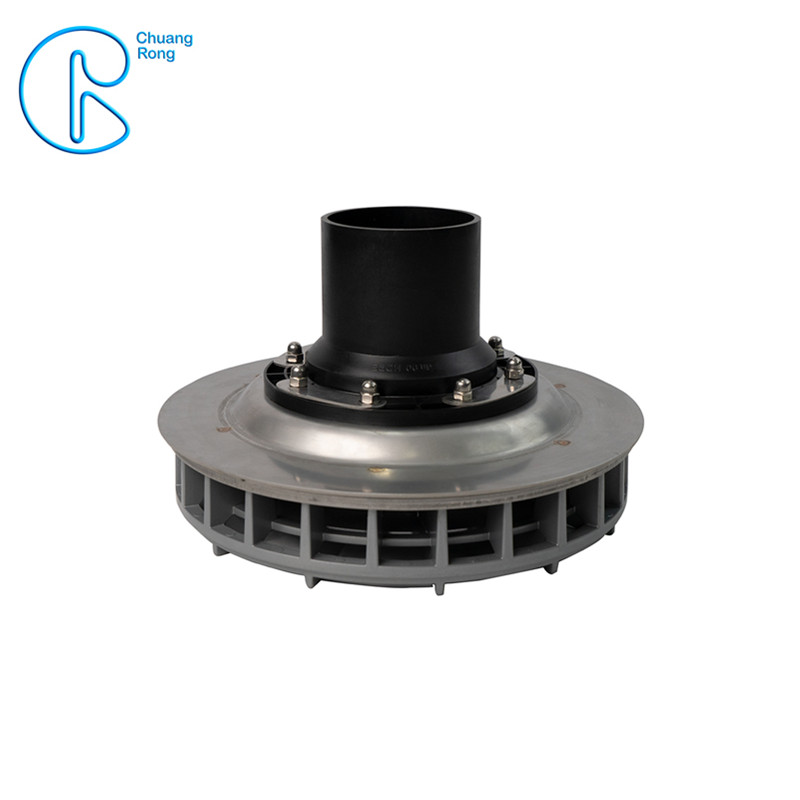
PN6 50mm 90mm 110mm HDPE Drainage Fittings Siphon Roof Outlet for Gutters
View Details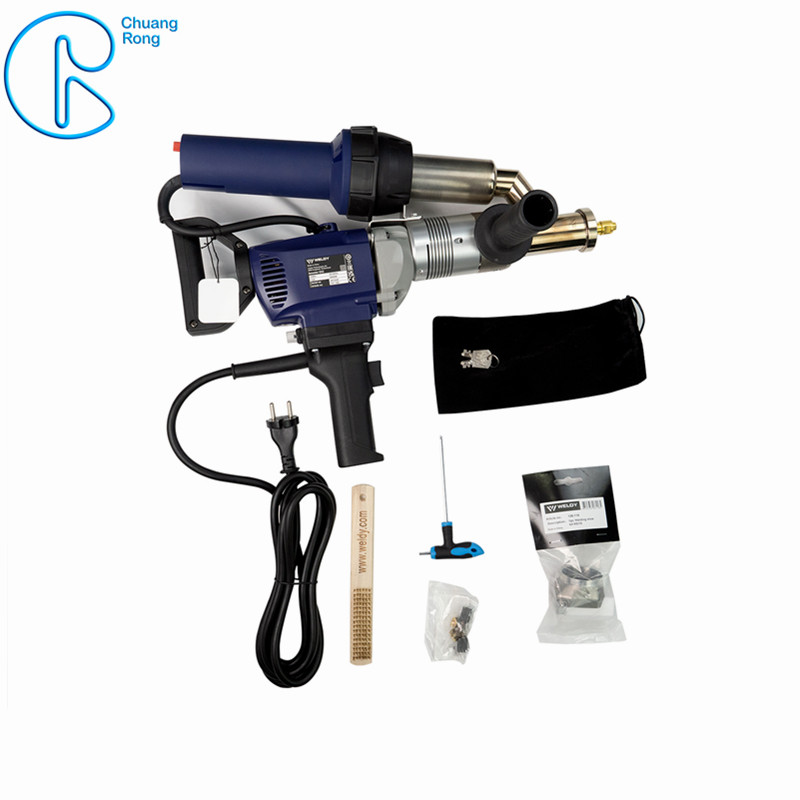
WELDY Booster EX2 Plastic Hand Extrusion Welding Gun for Field Pipe Repairs
View Details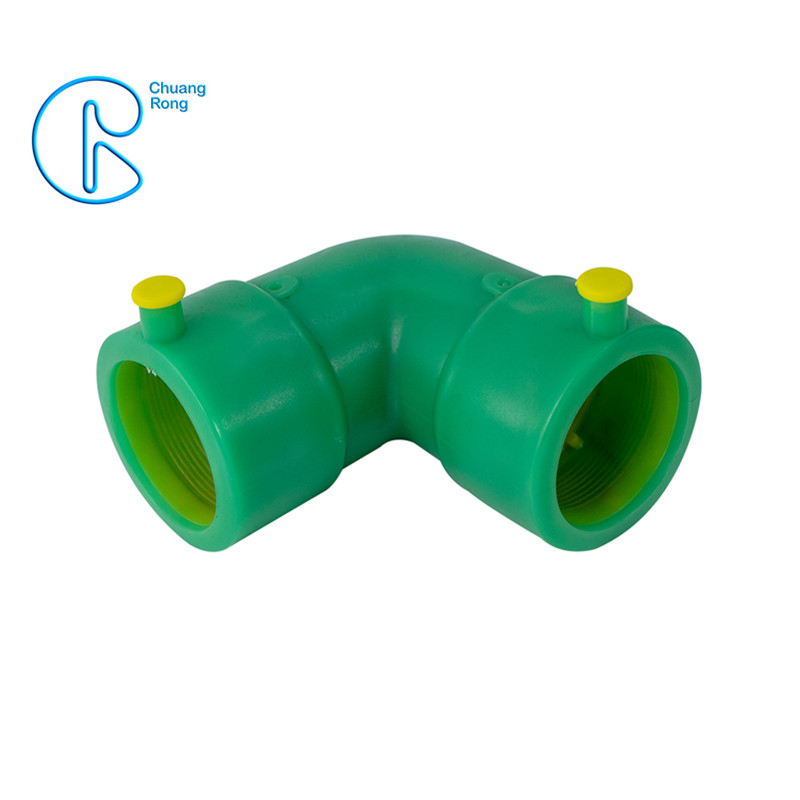
Double-Layer HDPE Electrofusion Fittings (125/110mm, 75/63mm) for High-Pressure Mainlines
View Details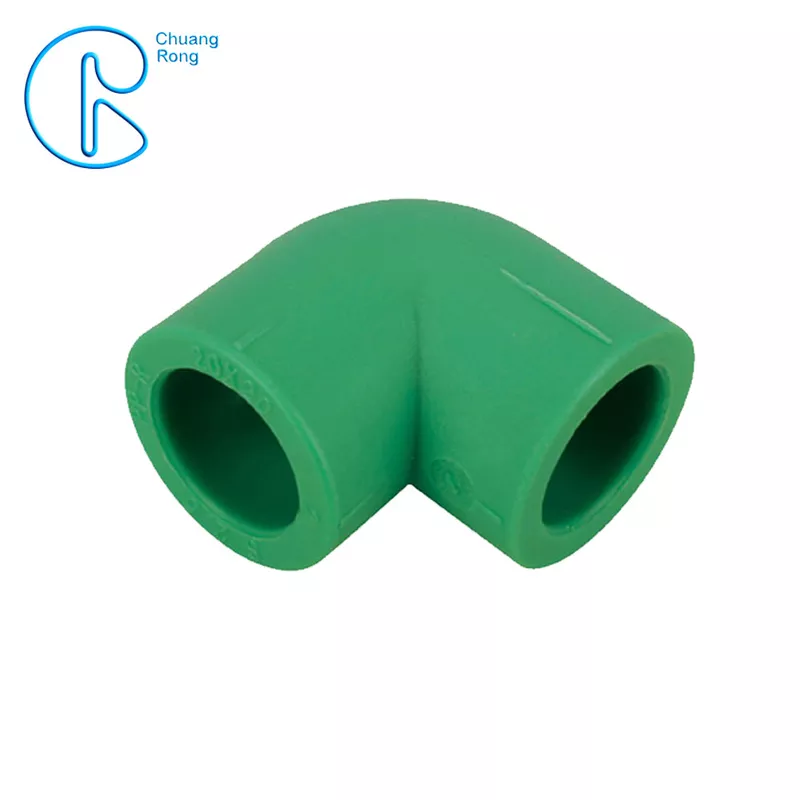
Green Socket Fusion PP-R 90 Degree Elbow Fittings with Smooth Injection Molded Tech
View Details
Social Links


Our Company
information
Quick Links
contact us
-
ADD:
Room 911, Building T1, The Ring Center, No.333 Dongda Road, Chengdu, China.
- TEL: 0086-18180897627
- EMAIL: chuangrong@cdchuangrong.com
Hot Products - Sitemap - AMP Mobile
Pe Water Pipe, Hdpe Pipe Fittings, Hdpe Pipe And Fitting, Repair Clamp, Male Adaptor, Hdpe Pipe Fitting,
-

Phone
-

E-mail
-

Whatsapp
-

Skype
-

Top
