


Featured Marine Outfall Repair & Construction Equipment
Discover our specialized heavy-duty machinery and tools designed to secure joint integrity and perform critical repairs on marine outfall pipelines.
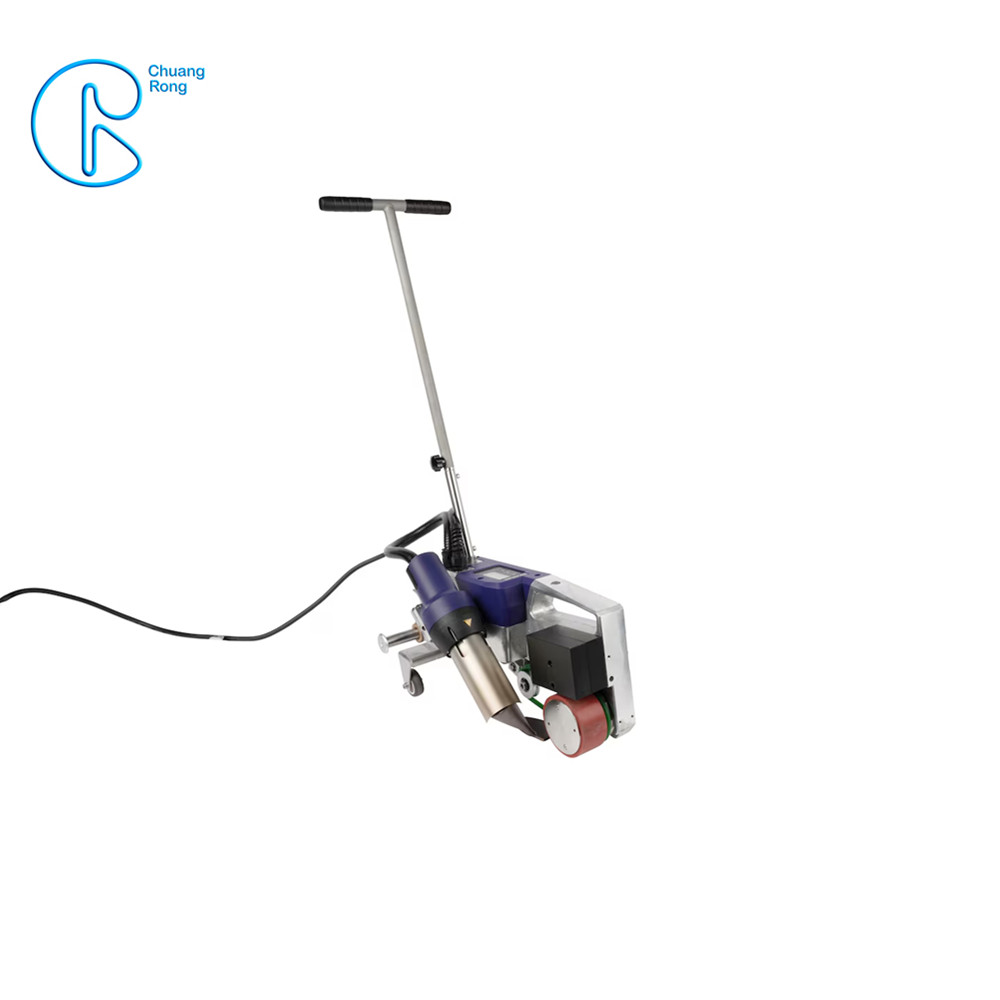
High Welding Performance for Outfall Geomembranes & Plastic Liners
View Details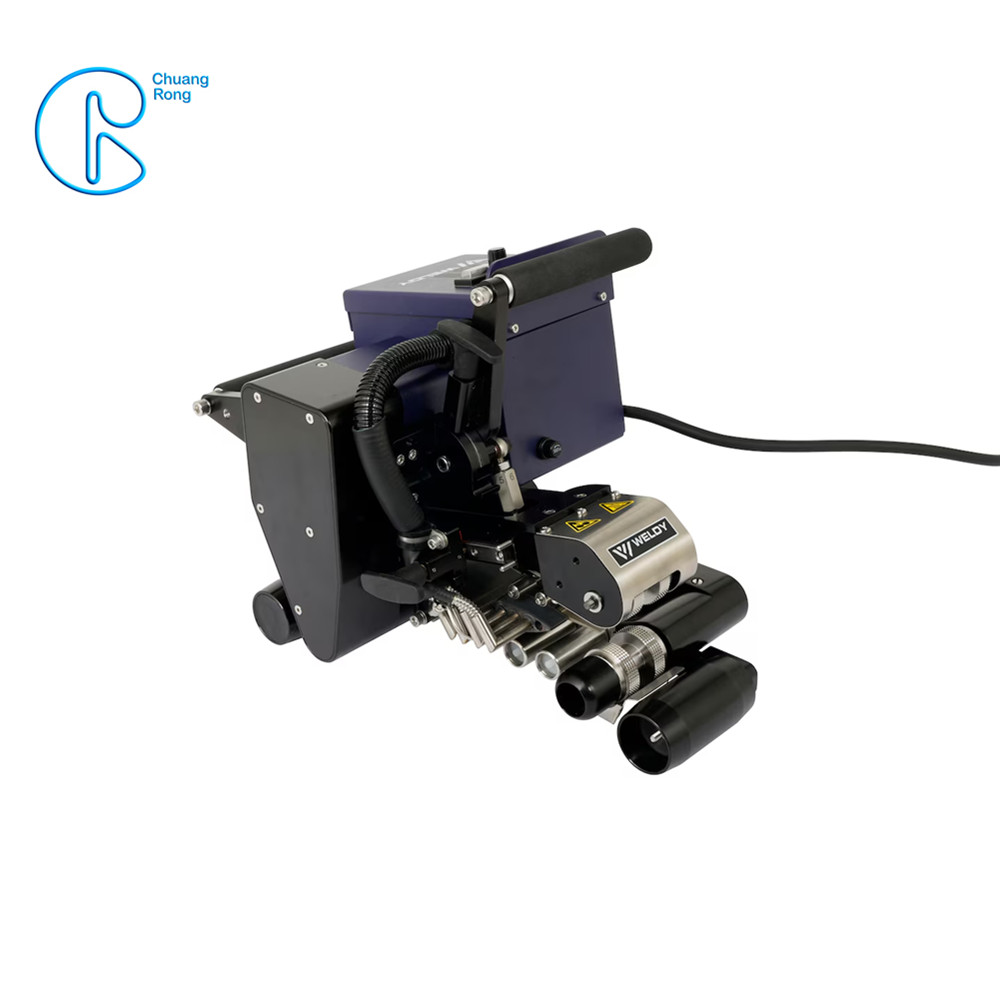
Weldy WGW 300 Hot Wedge Welder for Marine Corrosion Protection Liners
View Details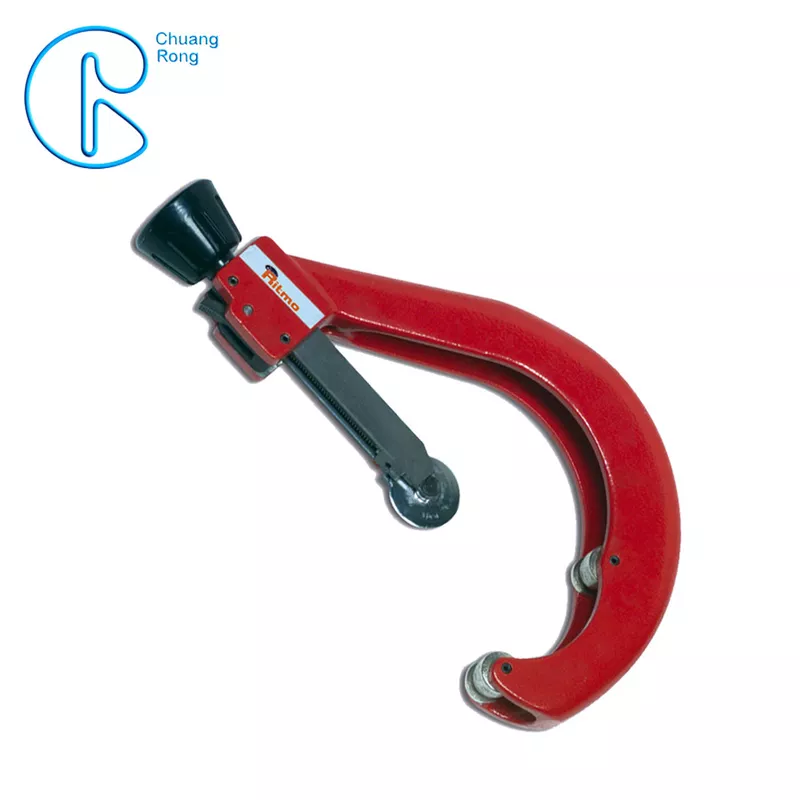
T1 T3 TU140 Heavy Duty Cutters for Marine Outfall Pipe Prep
View Details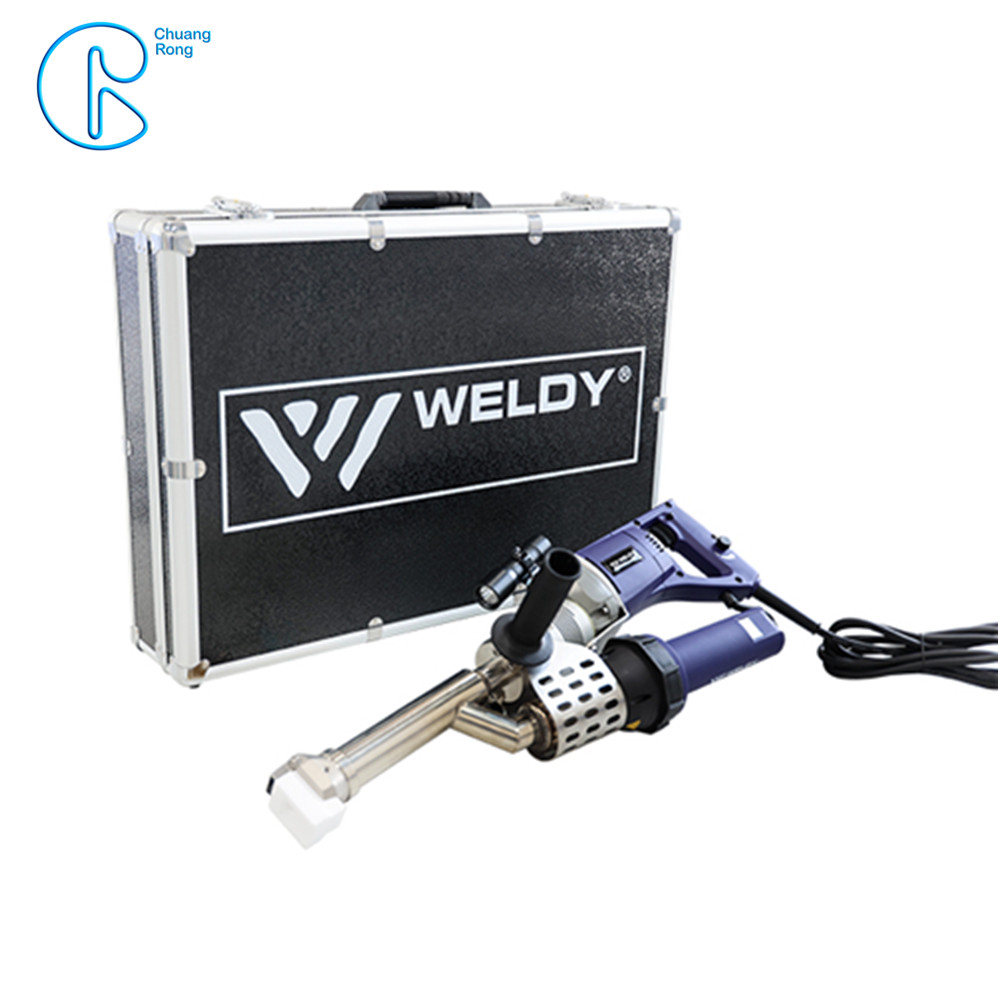
Weldy Booster EX3 Plus Handheld Extrusion Welder for Marine HDPE Sealing
View Details1. The Critical Role of Pipe Leak Repair Clamps in Marine Outfall Systems
Marine outfall systems serve as the final conduit for discharging treated municipal wastewater, industrial effluents, and brine from desalination plants into deep marine waters. These pipelines, often spanning several kilometers offshore and resting on or buried within the seabed, operate under immense environmental stress. When a leak occurs due to physical impacts, shifting seabed topography, corrosion, or joint degradation, the ecological and financial consequences are catastrophic.
In this high-stakes subsea environment, the pipe leak repair clamp is not merely a temporary fix; it is a vital engineering tool for emergency containment and structural rehabilitation. Unlike terrestrial pipelines, subsea outfall systems cannot be easily drained or excavated. Repair operations must be conducted underwater, frequently by commercial divers or Remotely Operated Vehicles (ROVs). Consequently, pipe leak repair clamps engineered specifically for marine outfalls are designed to meet rigorous standards of durability, ease of installation, and long-term mechanical reliability.
Key Engineering Challenge: Marine outfall pipelines are subject to external hydrostatic pressure, internal operating pressure, wave-induced dynamic loads, and biological fouling. A repair clamp must seal the leak while restoring the structural integrity of the pipeline without causing stress concentration points that could lead to secondary failures.
Marine Outfall Pipeline Materials & Clamp Compatibility
Modern marine outfalls are constructed from various materials, with High-Density Polyethylene (HDPE), Steel, and Pre-stressed Concrete Cylinder Pipe (PCCP) being the most common. HDPE is particularly favored for its flexibility and resistance to chemical attack. However, repairing HDPE under water requires clamps that account for the material's thermal expansion, creep, and susceptibility to surface scratching. Marine pipe leak repair clamps feature specialized elastomeric gaskets (typically EPDM or NBR) with grid patterns that flow into surface imperfections, ensuring a gas-tight and liquid-tight seal even on deformed or scratched plastic pipelines.
One-Stop Solution for Plastic Piping Systems
CHUANGRONG is a share industry and trade integrated company, established in 2005. We focus on the production of a full range of quality HDPE pipes & fittings (ranging from 20mm to 1600mm, with SDR ratings SDR26 / SDR21 / SDR17 / SDR11 / SDR9 / SDR7.4), and the sale of PP compression fittings, plastic welding machines, pipe tools, and pipe repair clamps.
CHUANGRONG owns more than 100 sets of advanced pipe production lines and 200 sets of fitting production equipment. Our annual production capacity reaches more than 100 thousand tons. Our portfolio mainly spans 6 major systems: water, gas, dredging, mining, irrigation, and electricity, comprising more than 20 series and over 7000 specifications.
Our products are fully in line with ISO4427/4437, ASTMD3035, EN12201/1555, DIN8074, and AS/NZS4130 standards, and are certified by ISO9001-2015, CE, BV, SGS, and WRAS, ensuring premium quality for critical infrastructure projects worldwide.
2. Material Science in Marine Repair Clamps: Surviving the Ocean Floor
The selection of materials for a marine outfall pipe leak repair clamp is governed by the aggressive nature of marine environments. Seawater is a highly conductive electrolyte that accelerates galvanic, pitting, and crevice corrosion. Additionally, microbiological induced corrosion (MIC) presents a constant threat to metallic components submerged for decades.
1. Stainless Steel and Exotic Alloys
Standard grade stainless steels like 304 are entirely unsuitable for subsea applications. Even Grade 316L, while offering decent resistance in splash zones, can suffer from pitting and crevice corrosion under marine deposits. Therefore, premium marine outfall repair clamps utilize Super Duplex Stainless Steel (e.g., UNS S32750/S32760) or Titanium fasteners and bands. These alloys exhibit high Pitting Resistance Equivalent Numbers (PREN > 40), ensuring that the structural band and bolting assembly remain intact throughout the design life of the repair (often required to be 30 to 50 years).
2. Advanced Elastomeric Sealing Gaskets
The gasket is the heart of the repair clamp. It must maintain constant sealing stress against the pipe wall despite pressure fluctuations and pipe movement. In marine outfall systems, the gasket must resist degradation from raw sewage, industrial chemicals, and saline water. High-grade EPDM (Ethylene Propylene Diene Monomer) and NBR (Nitrile Butadiene Rubber) are the materials of choice. These elastomers are formulated to resist ozone, UV (during storage/installation), and chemical attacks, maintaining their elasticity and preventing cold flow under compression.
3. Insulation and Galvanic Isolation
When metallic clamps are installed on carbon steel or ductile iron marine outfall lines, galvanic corrosion can occur at the contact points. Premium clamps incorporate insulating vulcanized rubber linings that completely encapsulate the metallic body, preventing direct metal-to-metal contact with the host pipe. This isolation is critical to maintaining the efficacy of cathodic protection systems (such as sacrificial anodes) installed along the pipeline.
One-Stop Supplies and Solutions
As one of the largest PE pipeline manufacturers in China, CHUANGRONG provides customers with a full range of services from design, production, installation, and maintenance to ensure the long-term stable operation of PE pipeline systems.

Complete Product Line

Related Products & Service

Installation & Maintenance

Design & Customization

Technical Support
3. Deep Application Scenarios for Marine Outfall Repair Clamps
Marine outfall systems are deployed under diverse geological and oceanographic conditions. Understanding these scenarios helps engineers select the correct configuration of pipe leak repair clamps:
A. Shallow Tidal and Splash Zones
Pipelines running through shallow waters, estuaries, and tidal zones are exposed to wave action, fluctuating water levels, and high oxygen concentration, which dramatically accelerates corrosion. Clamps installed here must handle dynamic bending stress caused by wave impact. Multi-band heavy-duty repair clamps with integrated reinforcing ribs are ideal for these zones, providing structural rigidity to the pipe joint while keeping the seal intact.
B. Deep-Sea Bed Outfalls
At depths exceeding 50 meters, manual diving becomes highly complex and expensive. Operations are increasingly carried out by ROVs. Repair clamps designed for deep-sea beds feature specialized "ROV-friendly" hydraulic locking mechanisms and high-visibility alignment markers. The installation process is simplified to a single-bolt or hydraulic latch design, minimizing subsea operation time and reducing the risk of installation errors.
C. Desalination Plant Brine Discharge Lines
Desalination plants discharge hyper-saline brine back into the ocean. This brine is not only highly corrosive but is also discharged at elevated temperatures. The repair clamps used in these outfall lines must feature specialized fluorocarbon or high-temperature EPDM gaskets capable of resisting thermal degradation and high salt concentrations without losing sealing force.
D. Municipal Wastewater Outfall Diffusion Zones
At the terminal end of the outfall, diffuser ports distribute wastewater into the ocean currents. Leaks near the diffuser section can disrupt the dilution calculations, leading to environmental non-compliance. Repair clamps used in this zone are often customized to accommodate the outfall's diffuser ports, allowing operators to seal adjacent pipe body leaks without blocking the designed discharge ports.
Why Choose CHUANGRONG
We deliver unmatched quality, engineering precision, and a robust global supply chain to support your critical marine and municipal piping projects.

One-Stop Solution
We specialize in the R&D, production, sales, and installation of new-type plastic pipes and fittings, providing customized, professionally designed solutions for your projects.

Production On Demand
With 5 factories, 100+ pipe production lines, and 200+ fitting production units, our capacity exceeds 100,000 tons, covering water, gas, dredging, mining, irrigation, and power.

Complete Certification
We utilize advanced detection equipment to ensure strict quality control from raw materials to finished products, complying with ISO, ASTM, EN, DIN, and AS/NZS standards.

Excellent Team
Our core principles are Integrity, Professionalism, and Efficiency. We have built strong business relationships across more than 80 countries globally.
4. Global Market Trends and Future Innovations in Subsea Pipe Repair
The global market for marine outfall maintenance is growing rapidly, driven by aging municipal infrastructure in coastal cities, expanding desalination capacities in arid regions, and stricter environmental regulations governing marine discharges. Regulatory bodies such as the US EPA and European Environment Agency impose heavy fines for outfall leaks, pushing operators to adopt proactive maintenance strategies and keep emergency repair clamps on standby.
The Rise of "Smart" Repair Clamps
One of the most significant trends in subsea pipeline integrity is the integration of IoT and sensor technologies directly into repair clamps. "Smart Clamps" are equipped with internal strain gauges, acoustic leakage sensors, and cathodic protection monitors. These sensors transmit real-time data back to the surface via acoustic modems or subsea umbilical cables, allowing operators to monitor the clamp's sealing performance, local structural stress, and corrosion rates without sending divers or ROVs down for routine inspections.
Eco-Friendly Sealing Materials
As environmental sustainability becomes a global priority, manufacturers are developing green elastomers that do not leach harmful chemicals or plasticizers into the surrounding marine habitat. These eco-friendly gaskets maintain high resilience and chemical resistance while ensuring compliance with stringent marine conservation laws.
Trenchless and Robotic Repair Integrations
Future outfall repairs will rely heavily on autonomous systems. Clamps are being redesigned to work in tandem with internal pipeline crawlers and external robotic arms. By combining CHUANGRONG's high-quality PE piping components with advanced external clamping technology, operators can execute complex rehabilitation projects with minimal disruption to wastewater treatment plants or industrial facilities.
5. Conclusion: Securing Marine Outfalls for a Sustainable Future
Marine outfall systems are critical municipal and industrial assets that protect coastal sanitation and public health. Maintaining their integrity is paramount. High-performance pipe leak repair clamps represent a vital line of defense against environmental pollution and operational downtime. By leveraging advanced material science, robust structural designs, and smart monitoring technologies, these clamps ensure that even the most severe subsea leaks can be contained safely and permanently. As a global leader in plastic piping systems, CHUANGRONG continues to support marine engineering projects worldwide with high-quality HDPE pipes, electrofusion fittings, and advanced repair solutions tailored for the harshest marine environments.
Complete Marine Outfall & Piping System Product Range
Explore our full catalog of high-performance piping, fusion machinery, and specialized transition fittings engineered for marine and industrial outfall systems.
High Welding Performance for Outfall Geomembranes & Plastic Liners
View Details
Weldy WGW 300 Hot Wedge Welder for Marine Corrosion Protection Liners
View Details
T1 T3 TU140 Heavy Duty Cutters for Marine Outfall Pipe Prep
View Details
Weldy Booster EX3 Plus Handheld Extrusion Welder for Marine HDPE Sealing
View Details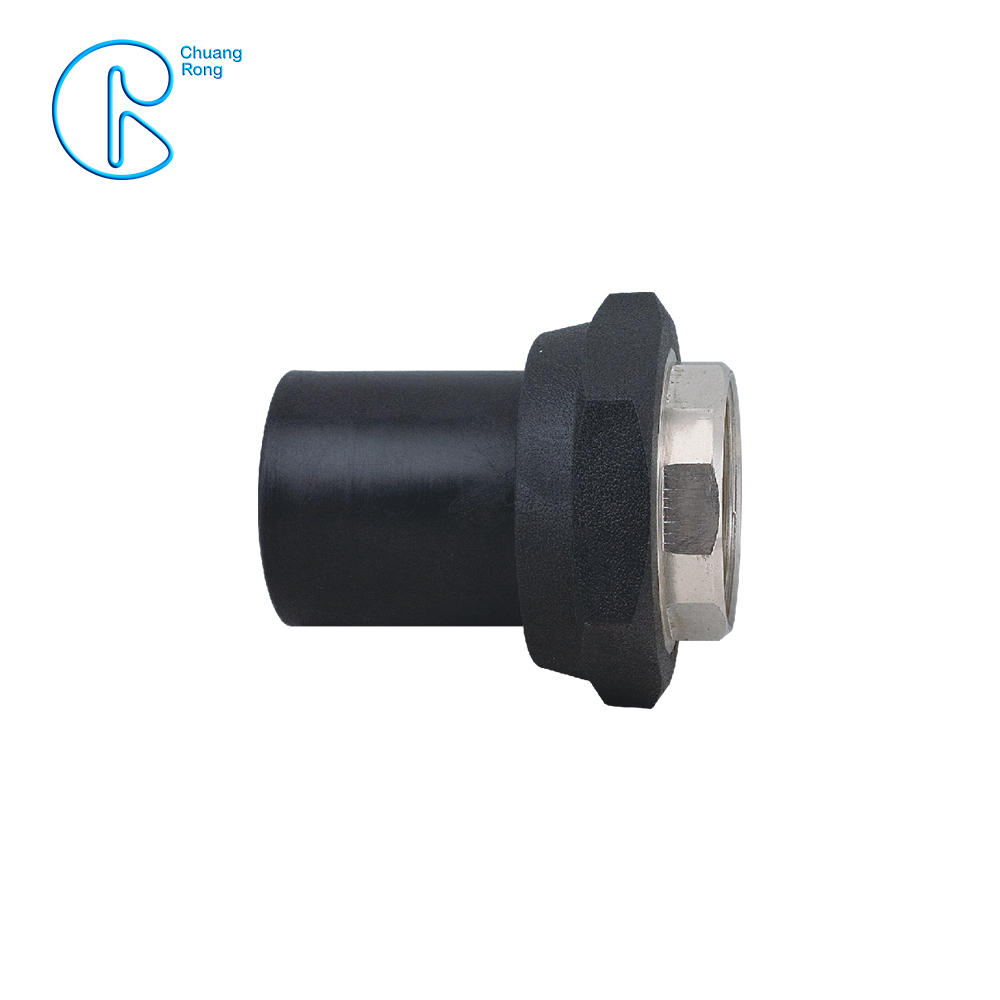
HDPE Female Adapter Transition Fittings for Marine Outfall Pipelines
View Details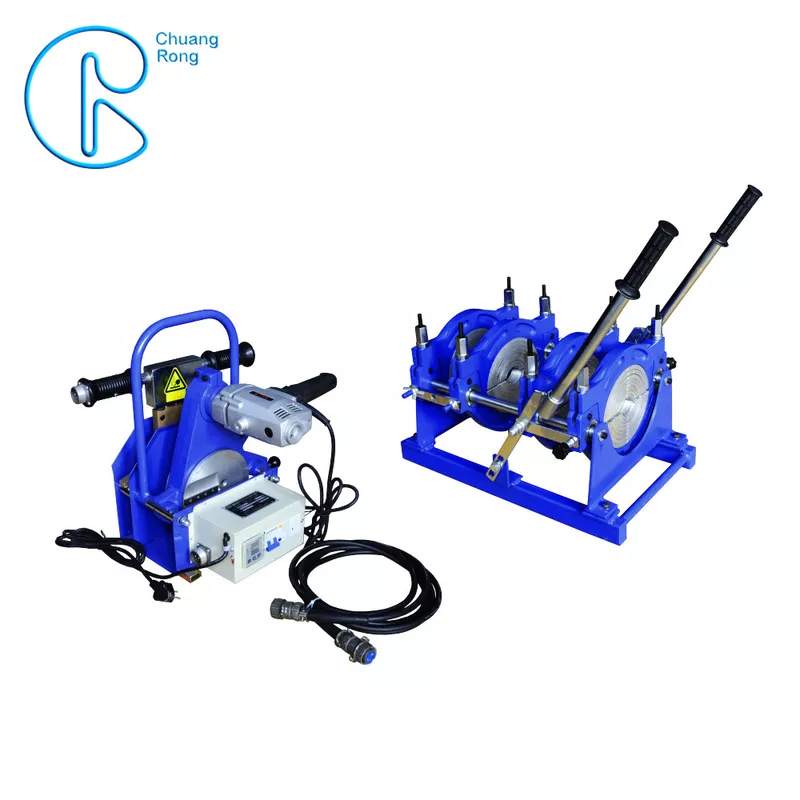
Manual Butt Fusion Machine for Marine Outfall PE Pipe Installation
View Details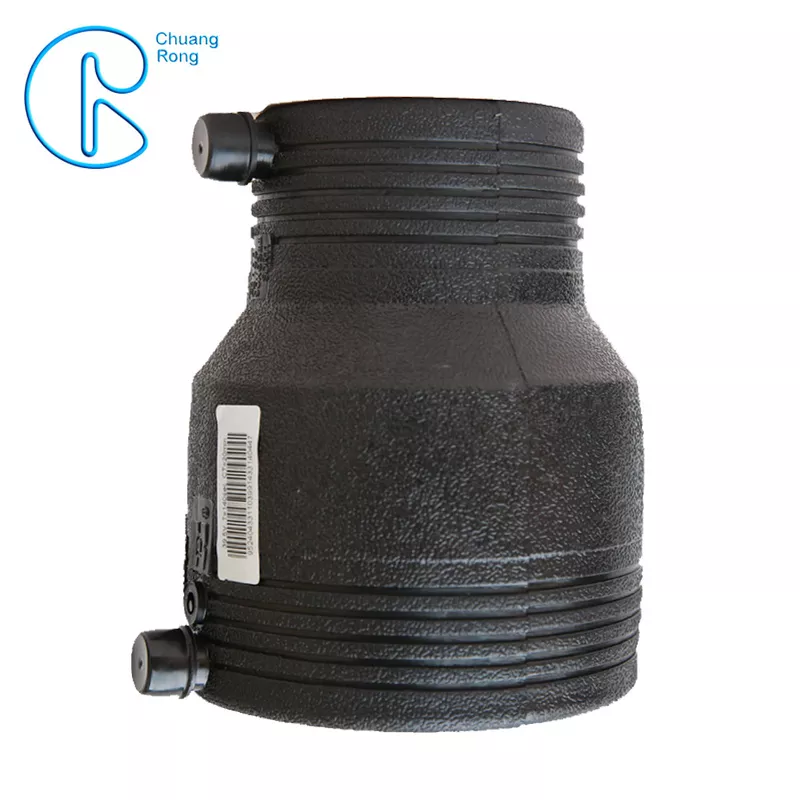
PE100 HDPE Electrofusion Reducer for Deep-Sea Sewage Outfalls
View Details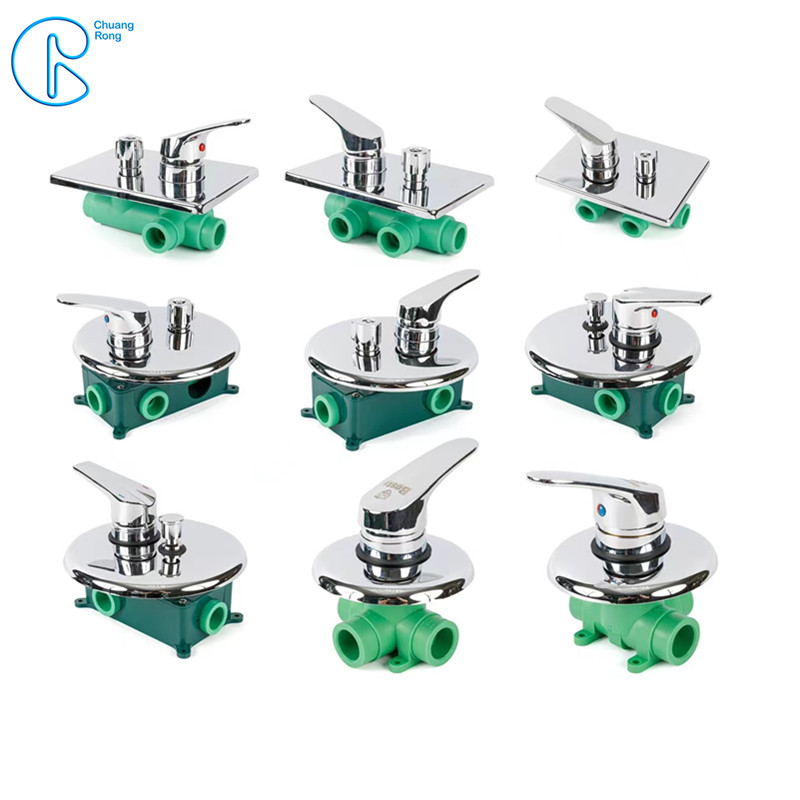
Industrial PPR Mixer Valve & Control Fittings for Outfall Systems
View Details
Social Links


Our Company
information
Quick Links
contact us
-
ADD:
Room 911, Building T1, The Ring Center, No.333 Dongda Road, Chengdu, China.
- TEL: 0086-18180897627
- EMAIL: chuangrong@cdchuangrong.com
Hot Products - Sitemap - AMP Mobile
Pe Water Pipe, Hdpe Pipe Fittings, Hdpe Pipe And Fitting, Repair Clamp, Male Adaptor, Hdpe Pipe Fitting,
-

Phone
-

E-mail
-

Whatsapp
-

Skype
-

Top
