


Precision Machinery & Tooling for Industrial Waste Drainage
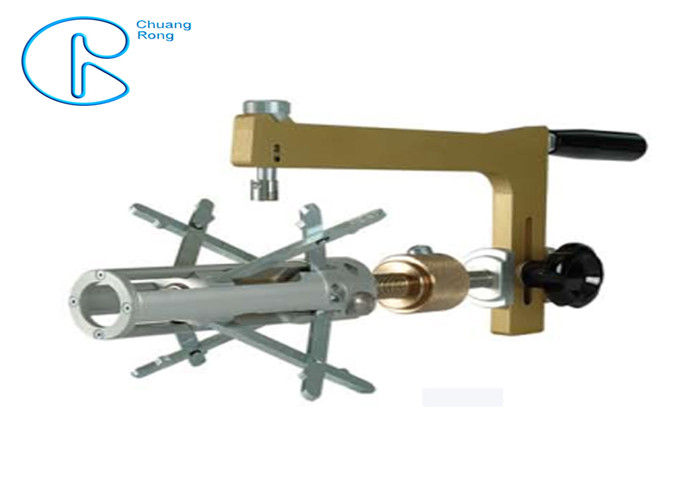
HDPE Joint Preparation: PS180 PS400 Rotary Scraper for Industrial Drainage Pipes
View Details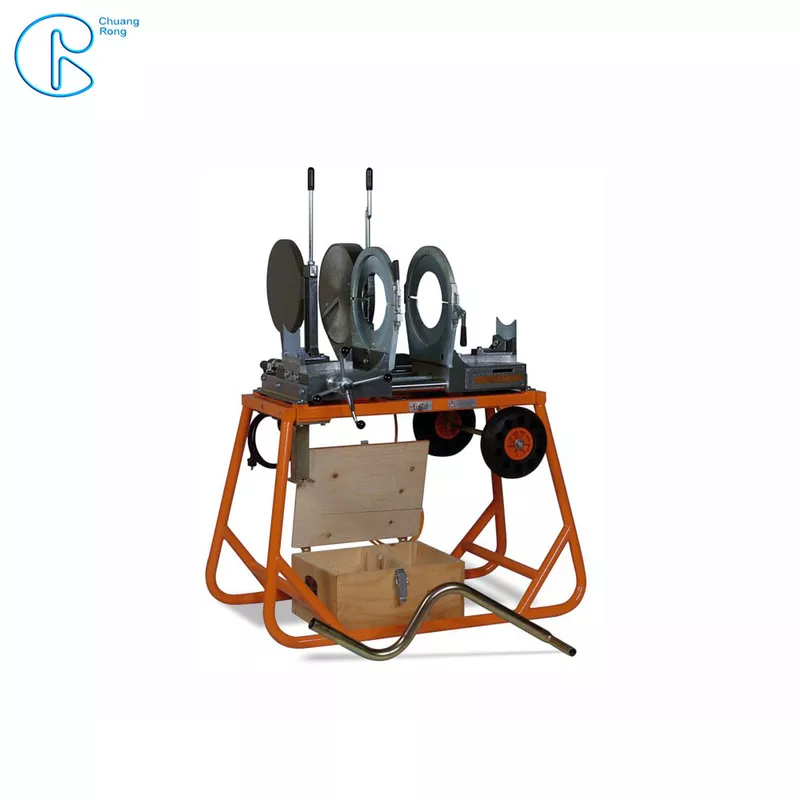
HDPE Waste Drainage Jointing: Professional MINI160Y/MAXI315 Butt Fusion Welding Machine
View Details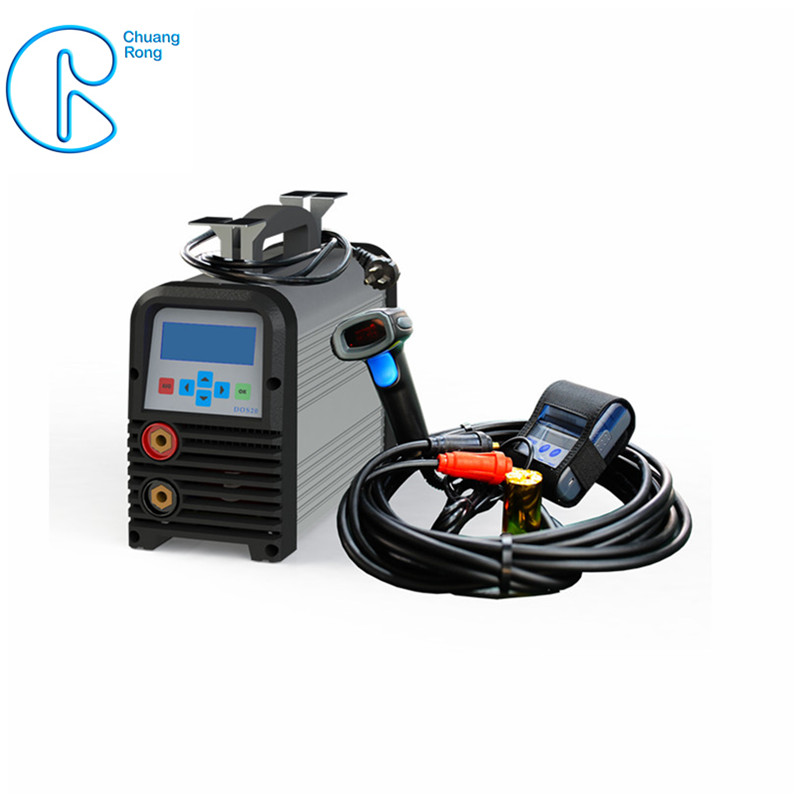
Industrial Drainage Fittings: 20-200 HDPE Electrofusion Welding Machine
View Details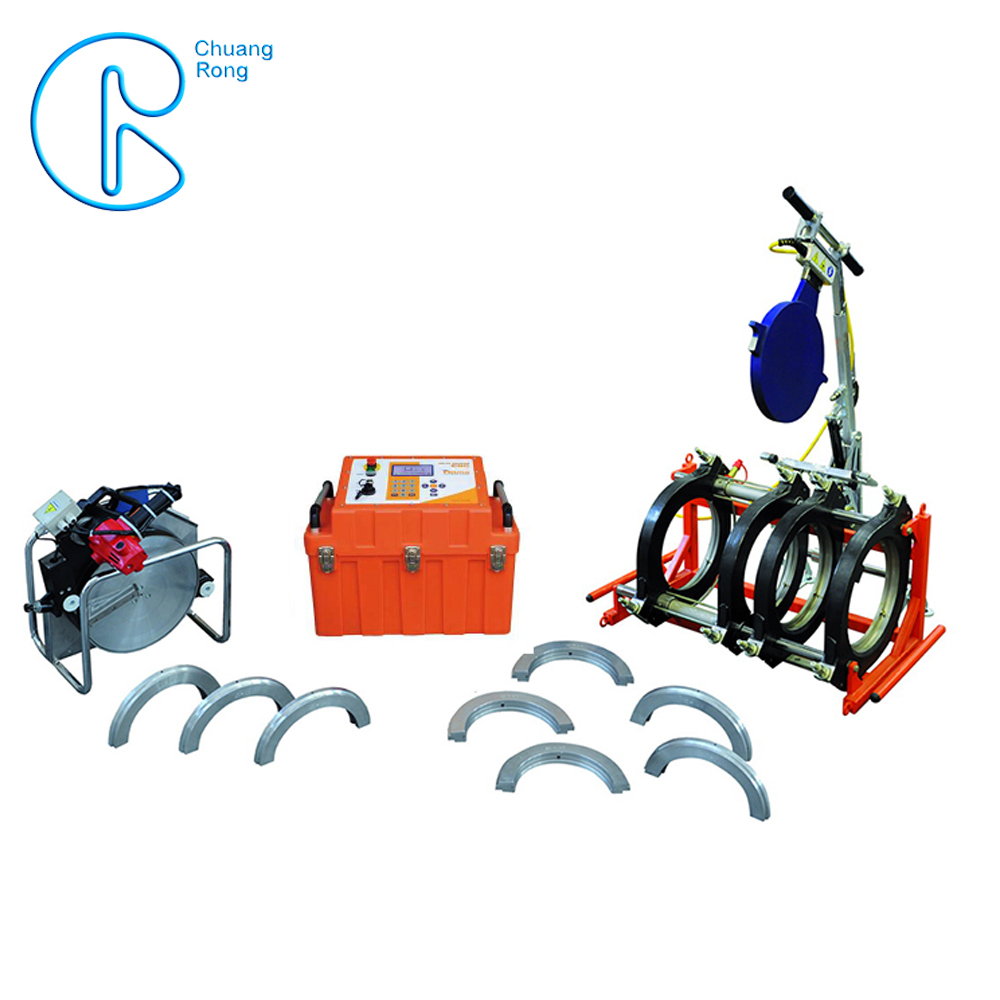
Large-Scale Industrial Waste Drainage: 1200mm Hydraulic Butt Fusion Welder
View DetailsUnderstanding HDPE Water Pipe Sizes for Industrial Waste Drainage
Industrial waste drainage networks face some of the most challenging operating environments in modern engineering. From corrosive chemical effluents and high-temperature process discharges to abrasive mining slurries, the structural and chemical demands placed on piping networks are immense. Consequently, the selection of the correct HDPE water pipe sizes for industrial waste drainage is not merely a matter of flow capacity, but a critical design decision affecting safety, structural integrity, and long-term operating costs. High-Density Polyethylene (HDPE) has become the global standard for these demanding applications, replacing traditional materials such as concrete, clay, PVC, and ductile iron.
When evaluating HDPE pipe sizes, engineers must analyze the system through the lens of Standard Dimension Ratio (SDR) and nominal outer diameter (OD). The SDR represents the ratio between the pipe's outer diameter and its wall thickness. A lower SDR number indicates a thicker pipe wall, which translates to a higher pressure rating and greater resistance to external crushing forces. Conversely, a higher SDR provides a thinner wall and larger internal flow area, making it ideal for gravity-flow drainage systems. For industrial waste drainage, sizes typically range from 110mm to 1200mm, with SDR selections tailored to the depth of burial, soil conditions, and the presence of dynamic traffic loads.
Why HDPE is the Preferred Material for Industrial Effluents
Unlike concrete, which is susceptible to acid attack, or steel, which suffers from oxidation and corrosion, HDPE is chemically inert. This resistance extends to a vast range of chemicals, including hydrogen sulfide, sulfuric acid, organic solvents, and alkaline waste streams. Furthermore, the smooth internal bore of HDPE minimizes friction and prevents the accumulation of scale and biological growth, maintaining optimal hydraulic efficiency over a 50+ year operational lifespan.
Industrial Applications & Diameter Selection Criteria
The choice of HDPE water pipe sizes for industrial waste drainage varies significantly depending on the specific industrial sector and the nature of the waste being transported. Below is an in-depth breakdown of how pipe sizes and configurations are optimized for various industrial environments:
Chemical & Petrochemical Processing
Chemical plants generate corrosive, high-temperature waste streams. Typically, medium-sized pipelines (110mm to 315mm) with a lower SDR (SDR 11 or SDR 17) are selected. The thick walls provide a high factor of safety against chemical permeation and stress cracking, while electrofusion joints guarantee a completely leak-free infrastructure.
Mining Slurry & Acid Runoff
Mining operations require pipes that can withstand highly abrasive mineral slurries and acid mine drainage. Large-diameter pipes (315mm to 800mm) at SDR 9 or SDR 11 are preferred. The thick, tough walls absorb the physical impact of suspended solids, outlasting carbon steel pipes by multiple factors.
Municipal & Industrial Wastewater Treatment (WWTP)
WWTP intake and outfall lines handle massive volumes of water. Here, mega-diameter pipes (800mm to 1600mm) with higher SDRs (SDR 21 or SDR 26) are utilized for gravity-fed systems. These large sizes ensure maximum hydraulic capacity, allowing the facility to handle peak flow events without back-ups.
Power Plant Cooling Tower Blowdown
Power generation facilities discharge large volumes of hot, mineralized blowdown water. HDPE sizes from 400mm to 1000mm are commonly deployed. The material's flexibility allows it to absorb thermal expansion and contraction without requiring expensive expansion joints.
Proper hydraulic calculations must be performed to determine the optimal inner diameter. Using Manning's Equation for gravity flow helps engineers calculate the required slope and diameter to maintain a self-cleaning velocity (typically 0.6 m/s to 0.9 m/s). This prevents suspended solids from settling and causing blockages within the waste drainage line.
Commercial Trends & Future Outlook
The global market for industrial waste piping is experiencing a rapid transition toward sustainable, long-term infrastructure. Environmental regulations regarding groundwater protection have become incredibly strict. Industrial operators can no longer afford the risk of pipeline leaks, which can lead to catastrophic fines and environmental remediation costs. This regulatory landscape has accelerated the adoption of HDPE systems.
In terms of installation, trenchless technology—specifically Horizontal Directional Drilling (HDD)—is becoming the default method for pipeline replacement and expansion. The high tensile strength and flexibility of HDPE make it the only material suitable for being pulled through long, curved boreholes beneath existing factories, highways, and waterways. Furthermore, the integration of smart monitoring technologies, such as fiber-optic leak detection systems embedded along the pipeline, represents the next frontier in industrial waste management, transforming static piping networks into intelligent, reactive assets.
One-Stop Solution for Plastic Piping Systems
CHUANGRONG is a shared industry and trade integrated company, established in 2005. We focus on the production of a full range of quality HDPE pipes & fittings (from 20-1600mm, SDR26/SDR21/SDR17/SDR11/SDR9/SDR7.4), and the sale of PP compression fittings, plastic welding machines, pipe tools, and pipe repair clamps.
We own more than 100 sets of pipe production lines and 200 sets of fitting production equipment. Our production capacity reaches more than 100 thousand tons. CHUANGRONG's offerings mainly contain 6 systems (water, gas, dredging, mining, irrigation, and electricity), comprising more than 20 series and over 7000 specifications.
Our products are designed and manufactured in line with ISO4427/4437, ASTMD3035, EN12201/1555, DIN8074, and AS/NZS 4130 standards, and are approved by ISO9001-2015, CE, BV, SGS, and WRAS.
See More About UsMore than 20 years of experience in 80 countries worldwide.
One-Stop Supplies and Solutions
As one of the largest PE pipeline manufacturers in China, CHUANGRONG provides customers with a full range of services from design, production, installation, and maintenance to ensure the long-term stable operation of PE pipeline systems.

Complete Product Line

Related Products & Service

Installation & Maintenance

Design & Customization

Technical Support
Why Choose Us
Partnering with CHUANGRONG guarantees access to industry-leading manufacturing capacity, comprehensive quality control, and an experienced support team.

ONE-STOP SOLUTION

PRODUCTION ON DEMAND

COMPLETE CERTIFICATION

EXCELLENT TEAM
Featured HDPE Piping, Fittings & Fusion Welding Machinery
HDPE Joint Preparation: PS180 PS400 Rotary Scraper for Industrial Drainage Pipes
View Details
HDPE Waste Drainage Jointing: Professional MINI160Y/MAXI315 Butt Fusion Welding Machine
View Details
Industrial Drainage Fittings: 20-200 HDPE Electrofusion Welding Machine
View Details
Large-Scale Industrial Waste Drainage: 1200mm Hydraulic Butt Fusion Welder
View Details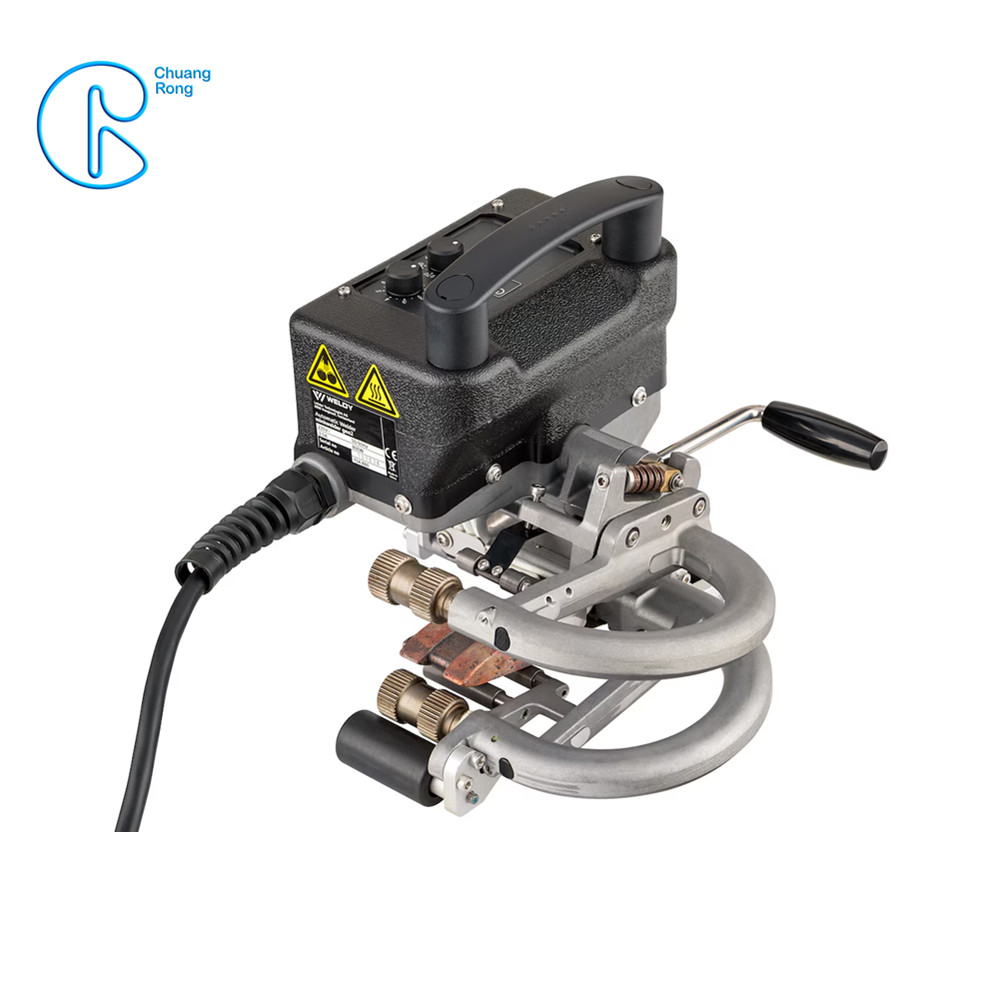
Industrial Containment & Drainage: Geo2 Hot Wedge Geomembrane Seam Welder
View Details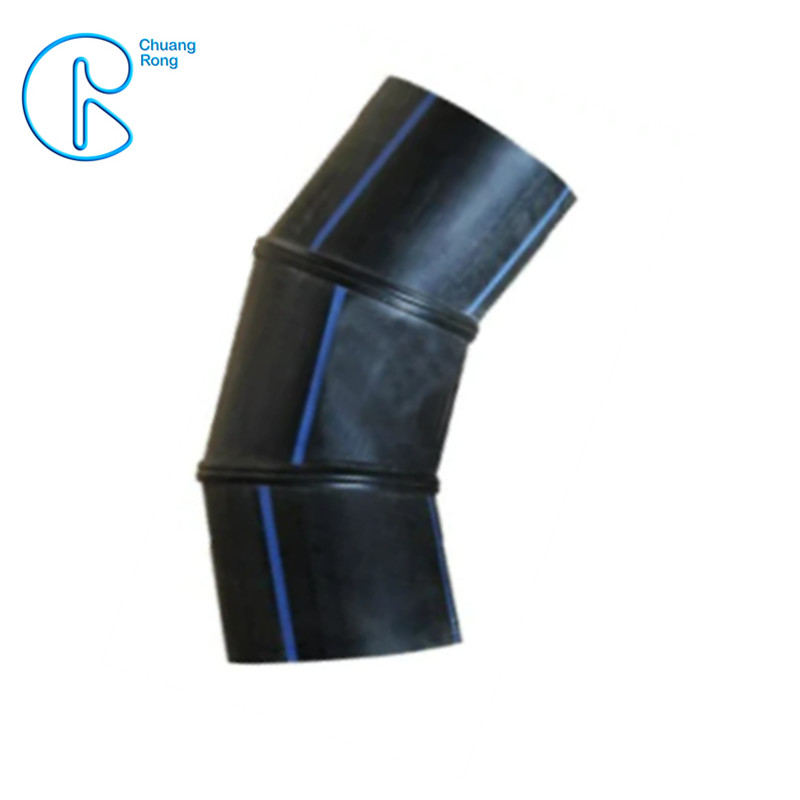
Industrial Waste Flow Directional Control: HDPE Fabricated Segment 45-Degree Elbow
View Details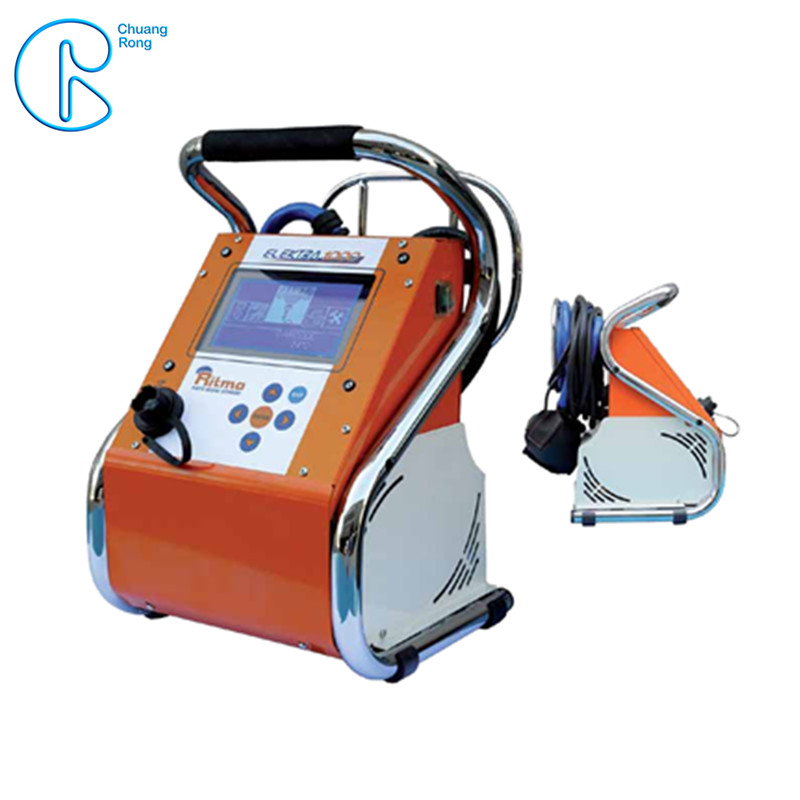
Heavy-Duty Industrial Waste Piping: Universal ELEKTRA 500-1000 Electrofusion Machine
View Details
Specialized Industrial Drainage: Machined Eccentric & Scour Tee HDPE Fittings
View Details
Social Links


Our Company
information
Quick Links
contact us
-
ADD:
Room 911, Building T1, The Ring Center, No.333 Dongda Road, Chengdu, China.
- TEL: 0086-18180897627
- EMAIL: chuangrong@cdchuangrong.com
Hot Products - Sitemap - AMP Mobile
Pe Water Pipe, Hdpe Pipe Fittings, Hdpe Pipe And Fitting, Repair Clamp, Male Adaptor, Hdpe Pipe Fitting,
-

Phone
-

E-mail
-

Whatsapp
-

Skype
-

Top
