


Featured Trenchless Repair Solutions
Explore our core high-density polyethylene components designed to support trenchless pipeline rehabilitation and lateral connections.
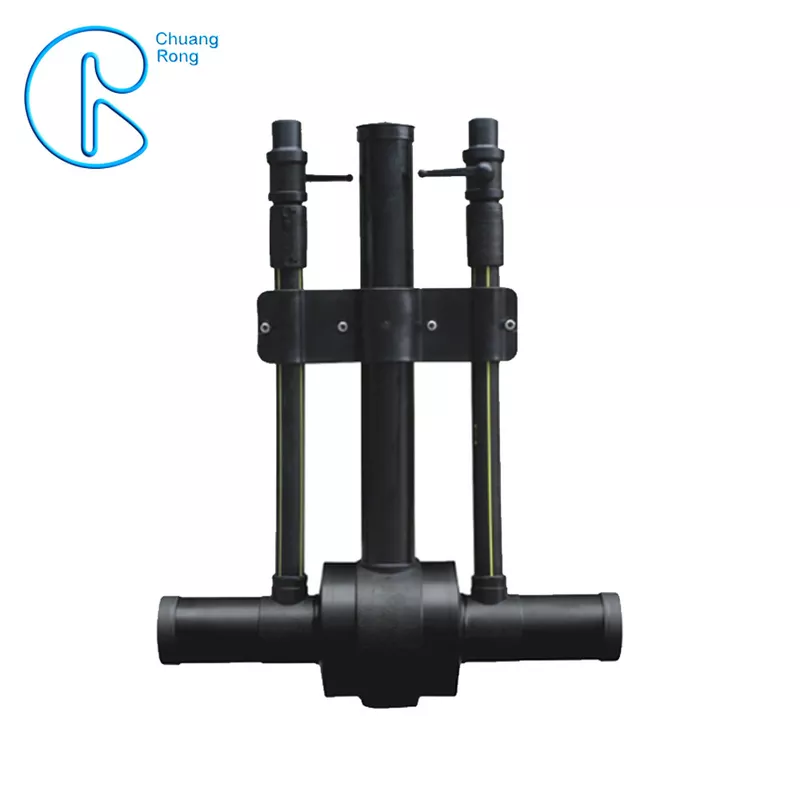
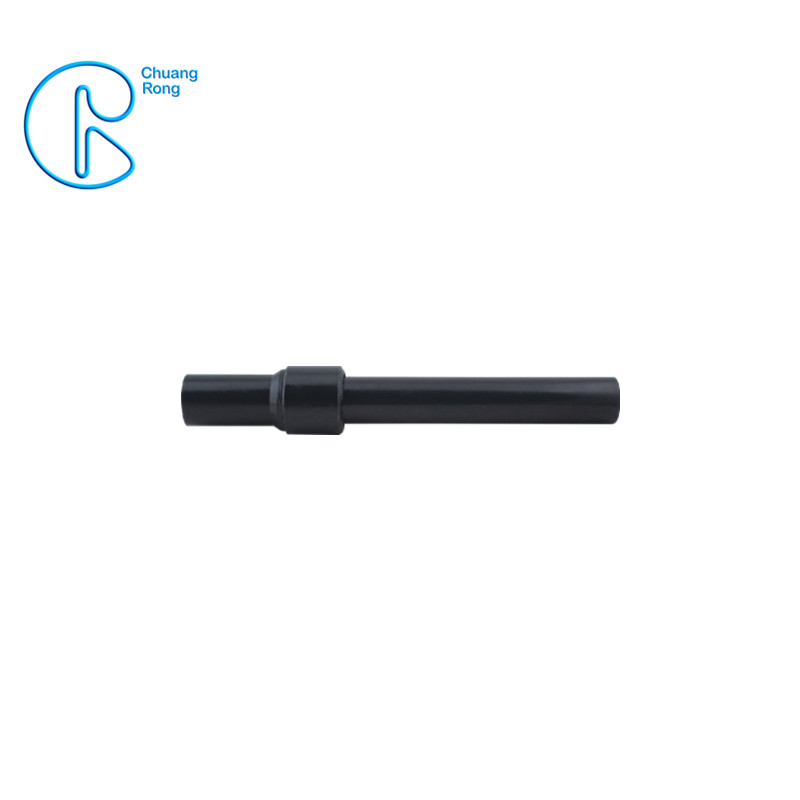
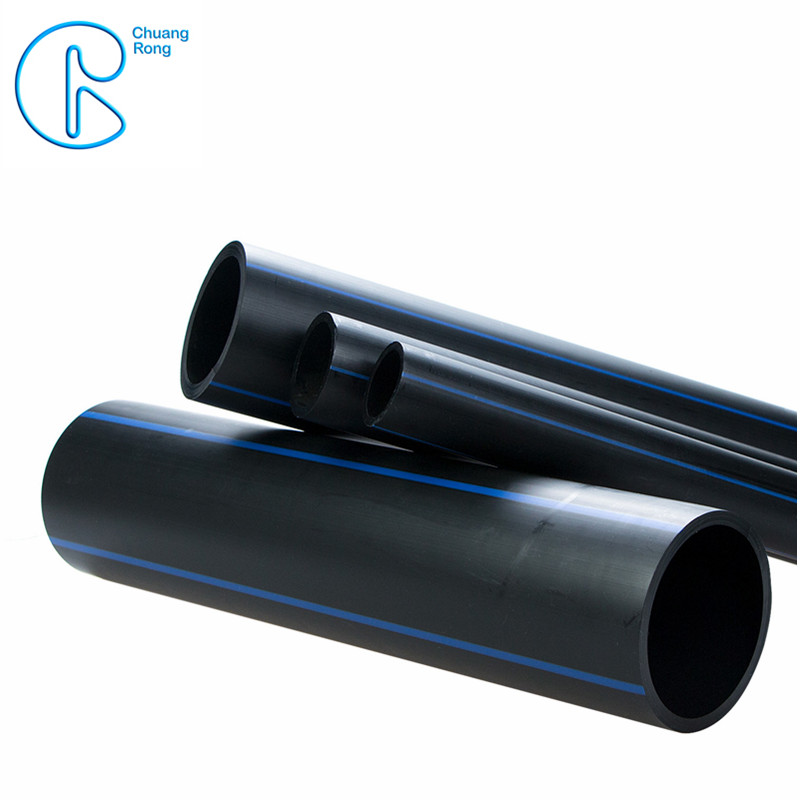
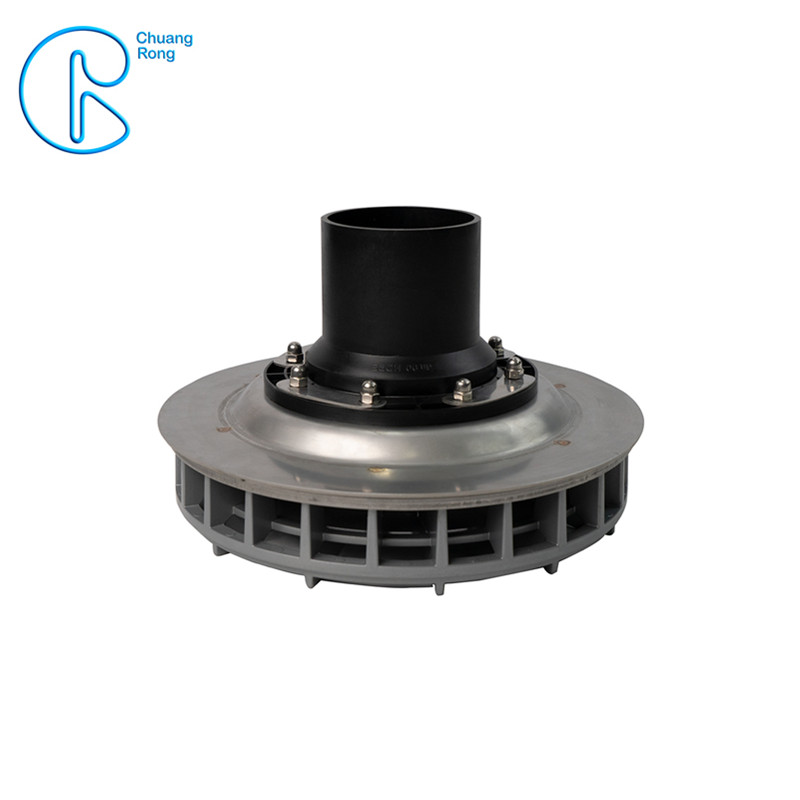
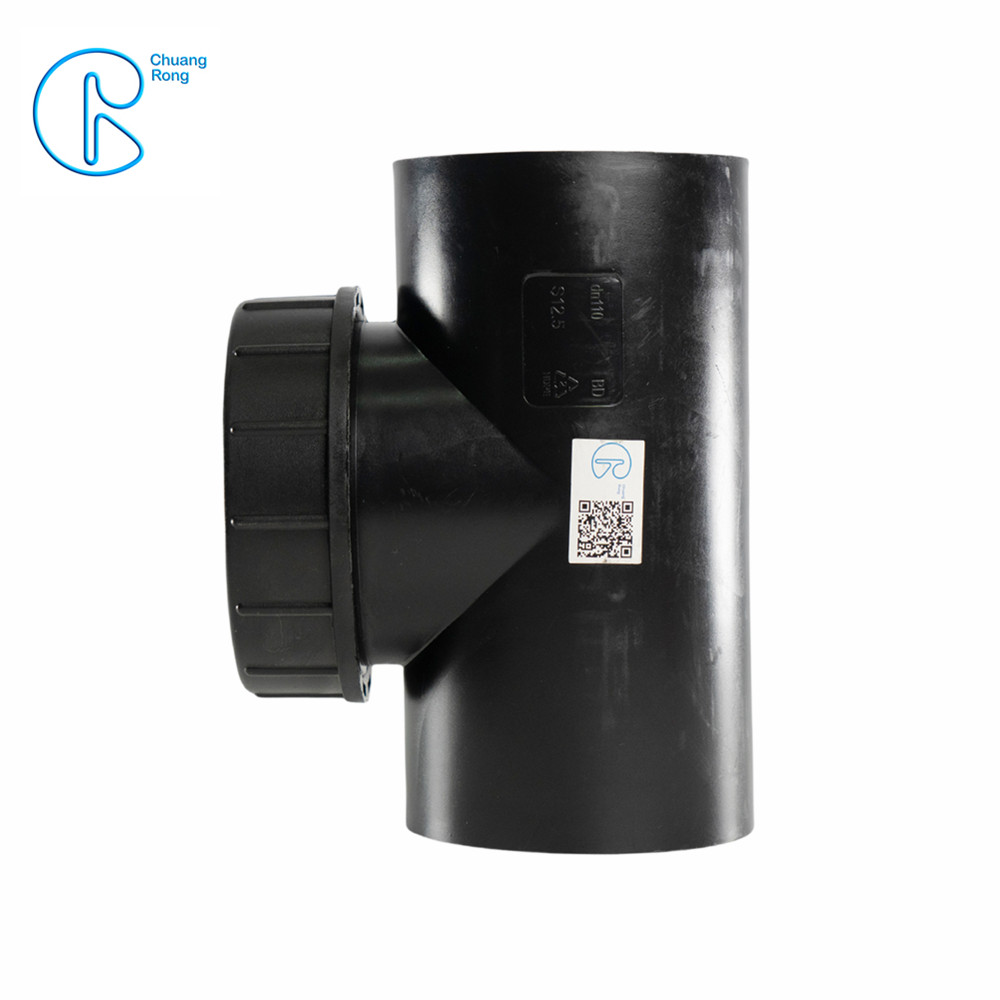
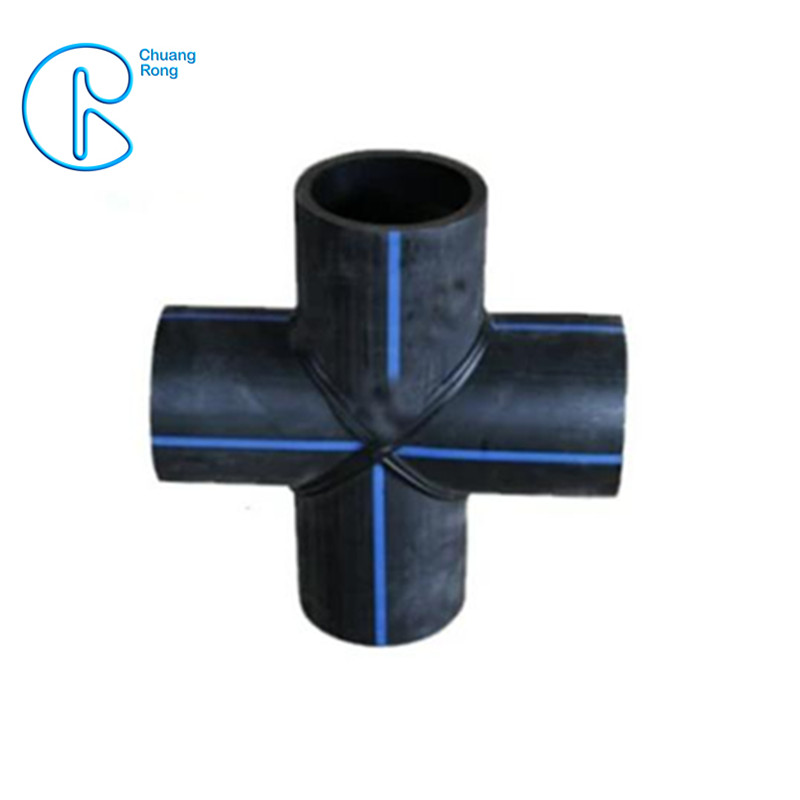
Hdpe Electrofusion Tee For Trenchless Pipeline Repair: The Ultimate Industry Guide
In modern civil engineering, the preservation and rehabilitation of underground infrastructure have shifted from disruptive, traditional open-cut excavation to sophisticated, non-invasive methodologies known collectively as trenchless technology. At the heart of this technological revolution is the HDPE Electrofusion Tee. As cities expand and existing water, gas, and sewer networks age, the demand for trenchless pipeline repair systems has skyrocketed. High-Density Polyethylene (HDPE) has emerged as the premier material for these applications due to its flexibility, chemical resistance, and long-term durability. However, the true strength of an HDPE piping system lies in its joints, and when it comes to creating reliable lateral connections or branching existing mains without digging up entire streets, electrofusion tees are the gold standard.
The Evolution of Trenchless Pipeline Rehabilitation
For decades, repairing a broken water main or upgrading a gas distribution network meant digging massive trenches through roads, sidewalks, and private property. This traditional method not only incurred high labor and restoration costs but also caused massive traffic congestion, business disruptions, and environmental damage. The introduction of trenchless technologies—such as slip-lining, pipe bursting, Horizontal Directional Drilling (HDD), and Cured-in-Place Pipe (CIPP)—has completely transformed the industry.
Trenchless pipeline repair allows contractors to rehabilitate degraded underground pipes by installing a new HDPE pipe directly inside the host pipe or by pulling a new pipe through the path of the old one while shattering it (pipe bursting). In these scenarios, the new pipeline must be continuous, leak-free, and capable of handling high pressures. While straight runs of HDPE pipe are easily pulled through underground paths, branching out to connect residential service lines, commercial properties, or auxiliary mains presents a major engineering challenge. This is where the HDPE Electrofusion Tee plays a vital role. By utilizing localized excavation pits (often just a few square meters), technicians can install electrofusion tees to create structural, leak-free lateral branches without disturbing the surrounding soil or surface infrastructure.
Key Industry Insight: Why Electrofusion is Preferred in Trenchless Projects
Unlike butt fusion, which requires large, heavy machinery and significant linear space to align and heat pipe ends, electrofusion relies on compact fittings with integrated electrical heating coils. This makes electrofusion exceptionally suited for tight access shafts, utility tunnels, and confined urban excavation zones where space is at a premium.
Understanding Electrofusion Technology in Trenchless Applications
Electrofusion is a welding method that uses an electrical current to melt the contact surfaces of an HDPE pipe and an electrofusion fitting (such as a tee, coupler, or elbow) simultaneously, creating a homogeneous molecular bond upon cooling. The electrofusion tee contains internal heating wires connected to external terminals. When an electrofusion processor applies a controlled voltage to these terminals, the coils heat up, melting the surrounding PE100 or PE100-RC material.
In trenchless pipeline repairs, the integrity of these joints is critical. The rehabilitated pipeline is often subjected to ground movement, traffic loads from above, and internal pressure fluctuations. Because the electrofusion process welds the fitting and the pipe at a molecular level, the resulting joint is actually stronger than the pipe itself. Furthermore, the smooth internal bore of an electrofusion tee ensures minimal flow resistance and prevents the accumulation of debris, which is essential for municipal wastewater and water supply applications.
Global Market Trends: Commercial and Industrial Status
The global trenchless pipeline rehabilitation market is experiencing unprecedented growth, driven by aging municipal infrastructure in North America and Europe, rapid urbanization in the Asia-Pacific region, and strict environmental regulations worldwide. Governments are increasingly mandating the use of trenchless methods to reduce carbon emissions and minimize the social costs associated with traffic delays and business closures.
Industrially, the transition from metallic piping systems (such as ductile iron, cast iron, and carbon steel) to HDPE is accelerating. HDPE does not rust, corrode, or support biological growth, offering a service life of over 100 years. Consequently, the demand for high-quality HDPE electrofusion fittings, particularly tees for branching, has surged. Manufacturers are investing heavily in research and development to produce larger-diameter fittings, smart electrofusion processors with GPS and cloud tracking, and fittings made from PE100-RC (Resistant to Crack) resins that offer superior resistance to point loads and scratches—a common occurrence during trenchless pull-in operations.
Deep Application Scenarios for HDPE Electrofusion Tees
1. Municipal Water Main Rehabilitation via Slip-lining
During slip-lining, a new HDPE pipe of slightly smaller diameter is pulled into an existing, deteriorated water main. Once the main line is in place, the lateral connections to individual households must be restored. Instead of digging up the entire street to access each connection, contractors dig small, localized keyhole pits. An HDPE electrofusion tapping tee or branch saddle is installed onto the new HDPE main line through these small pits. The cutter integrated within the tapping tee pierces the main pipe wall, establishing a clean, pressurized flow path to the lateral line without shutting down the entire water distribution network.
2. Urban Natural Gas Distribution Upgrades
Natural gas networks demand the highest levels of safety and leak prevention. Traditional steel pipes are prone to corrosion and joint failure over time. When gas utilities upgrade these lines using trenchless pipe insertion, they rely on HDPE electrofusion tees to connect branch lines. The electrofusion process creates a fully sealed, gas-tight system that eliminates the risk of joint leakage, which could otherwise lead to dangerous gas accumulations under paved surfaces.
3. Industrial Wastewater and Chemical Pipeline Relining
Industrial plants, chemical refineries, and mining operations often have extensive networks of underground process piping carrying corrosive effluents. When these lines fail, open excavation is frequently impossible due to the presence of overhead pipe racks, heavy machinery, and hazardous production zones. Trenchless relining combined with HDPE electrofusion tees allows industrial operators to repair and branch chemical-resistant pipelines safely, maintaining plant uptime and preventing toxic spills into the surrounding soil.
4. HDD Crossings Under Highways and Waterways
Horizontal Directional Drilling (HDD) is commonly used to install pipelines under major geographical obstacles like rivers, highways, and railways. Once the long pull of the HDPE pipe is completed, it must be integrated into the existing grid. HDPE electrofusion tees are used at the entry and exit pits to split the flow or tie in auxiliary pressure relief loops, ensuring that the high-stress transition points of the HDD crossing remain structurally sound and leak-free.
Technical Advantages of CHUANGRONG HDPE Electrofusion Tees
As a leading global manufacturer, CHUANGRONG designs and produces HDPE electrofusion fittings that meet the rigorous demands of trenchless pipeline repair. Our electrofusion tees offer several distinct technical advantages:
- Premium Raw Materials: We utilize high-grade PE100 and PE100-RC materials, ensuring exceptional resistance to slow crack growth, rapid crack propagation, and mechanical stress.
- Optimized Heating Coil Design: The heating wires in CHUANGRONG electrofusion tees are precisely positioned to ensure uniform heat distribution during the welding process, minimizing cold zones and maximizing joint strength.
- Smart Barcode System: Each fitting is equipped with an ISO-compliant barcode containing all fusion parameters (voltage, fusion time, cooling time). This allows smart electrofusion machines to automatically adjust welding parameters, reducing human error.
- Broad Compatibility: Our fittings are designed to work seamlessly with SDR11 and SDR17 piping systems, providing versatility across various pressure ratings (up to PN16 for water and PN10 for gas).
Future Outlook: Smart Piping and AI-Driven Quality Control
The future of trenchless pipeline repair is closely linked with digital transformation and artificial intelligence. Modern municipal and industrial operators are demanding complete traceability of underground assets. Future generations of HDPE electrofusion tees will incorporate embedded RFID chips and smart sensors capable of transmitting real-time temperature, pressure, and stress data back to central monitoring systems. Furthermore, AI-driven electrofusion processors are now being deployed to analyze environmental conditions, pipe preparation quality, and fusion parameters in real-time, instantly flagging potential weld defects before the pipeline is buried and put into service. This level of quality assurance is critical for ensuring the 100-year design life of trenchless infrastructure projects.
One-stop solution for plastic piping system
CHUANGRONG is a share industry and trade integrated company, established in 2005. Which focused on the production full range of quality HDPE pipes & fittings (from 20-1600mm, SDR26/SDR21/SDR17/SDR11/SDR9/SDR7.4), and sale of PP compression fittings, plastic welding machines, pipe tools and pipe repair clamp etc.
Owns more 100 sets pipe production lines, 200 sets of fitting production equipment. The production capacity reaches more than 100 thousand tons. Its main contain 6 systems of water, gas, dredging, mining, irrigation and electricity, more than 20 series and more than 7000 specifications.
The products are in line with ISO4427/4437, ASTMD3035, EN12201/1555, DIN8074, AS/NIS4130 standard, and approved by ISO9001-2015, CE, BV, SGS, WRAS.
One-Stop Supplies and Solutions
As one of the largest PE pipeline manufacturers in China, CHUANGRONG provides customers with a full range of services from design, production, installation and maintenance to ensure the long-term stable operation of PE pipeline systems.

Complete Product Line

Related products & Service

Installation & maintenance

Design & customization

Technical support
Why Choose Us
Partnering with CHUANGRONG guarantees access to high-quality pipeline systems backed by industry-certified production capabilities and global service expertise.

ONE-STOP SOLUTION

PRODCUTION ON DEMAND

CERTIFICATION IS COMPLETE

EXCELLENT TEAM
Complete Trenchless Pipeline System Products
Explore our full range of high-performance HDPE components, transition fittings, and valves engineered for robust underground utility repair.

Social Links


Our Company
information
Quick Links
contact us
-
ADD:
Room 911, Building T1, The Ring Center, No.333 Dongda Road, Chengdu, China.
- TEL: 0086-18180897627
- EMAIL: chuangrong@cdchuangrong.com
Hot Products - Sitemap - AMP Mobile
Pe Water Pipe, Hdpe Pipe Fittings, Hdpe Pipe And Fitting, Repair Clamp, Male Adaptor, Hdpe Pipe Fitting,
-

Phone
-

E-mail
-

Whatsapp
-

Skype
-

Top
