


Key Products for Marine Outfall & Agricultural Systems
Explore our premium selection of highly durable fittings and tools engineered to support marine-grade agricultural outfalls.
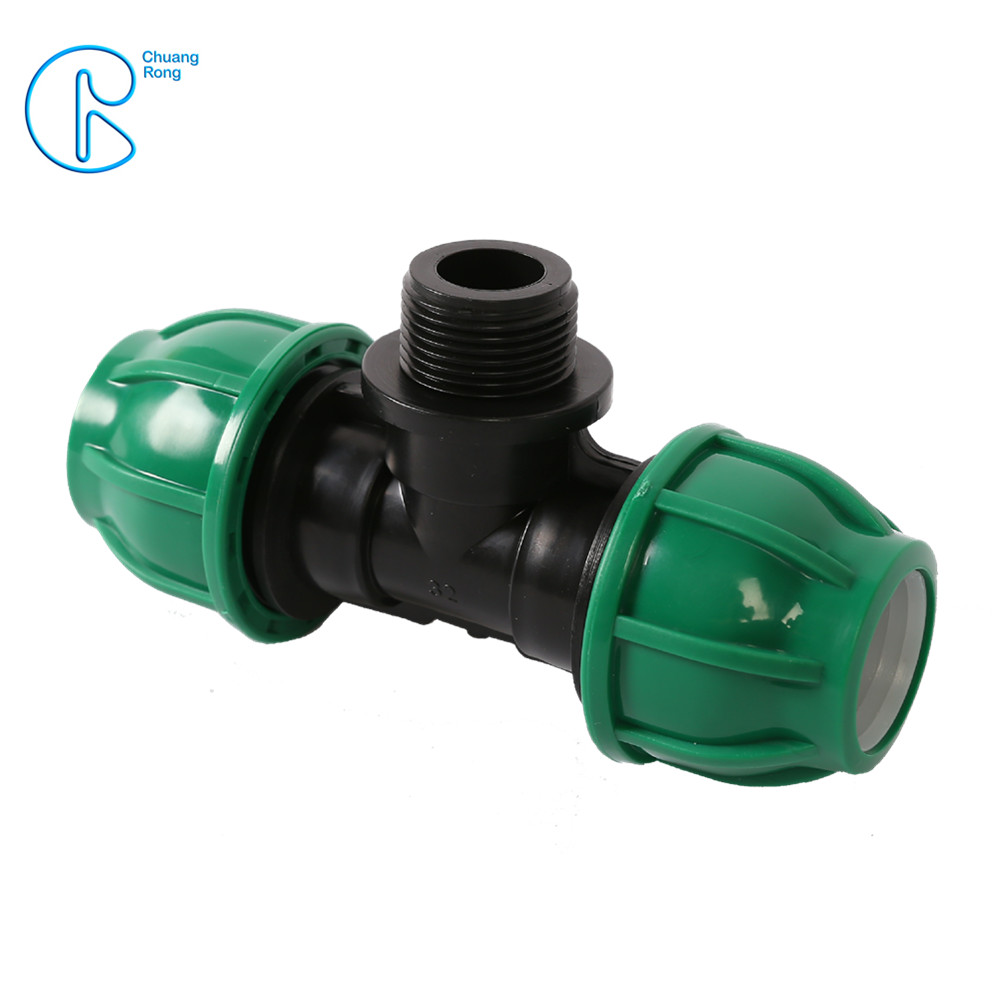
Heavy-Duty PP Compression Male Tee for Marine Outfall & Agricultural HDPE Pipes
View Details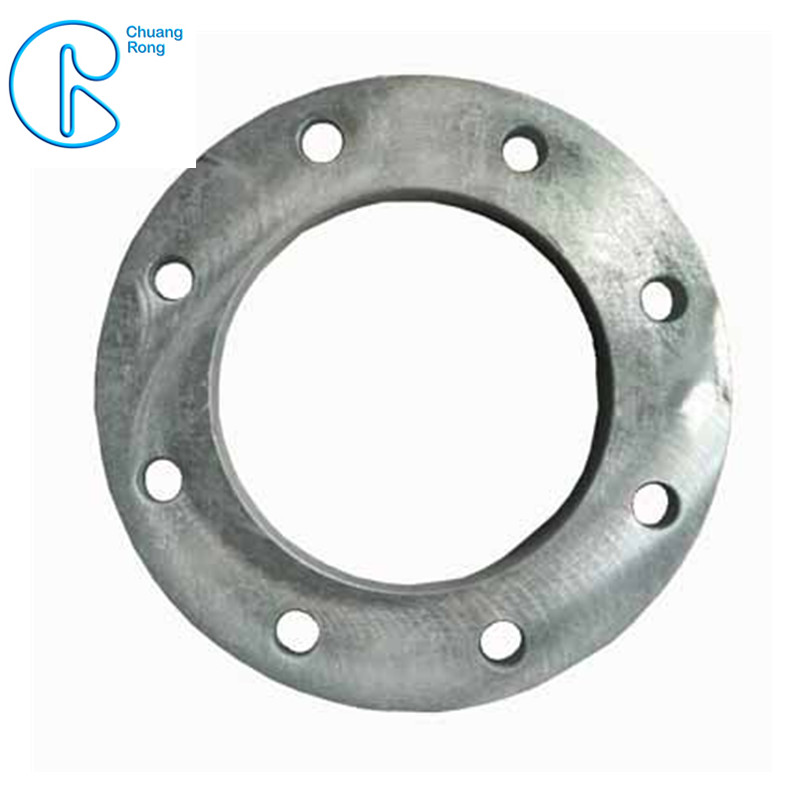
Corrosion-Resistant Galvanized Steel Backing Ring for Marine HDPE Outfall Flange Connections
View Details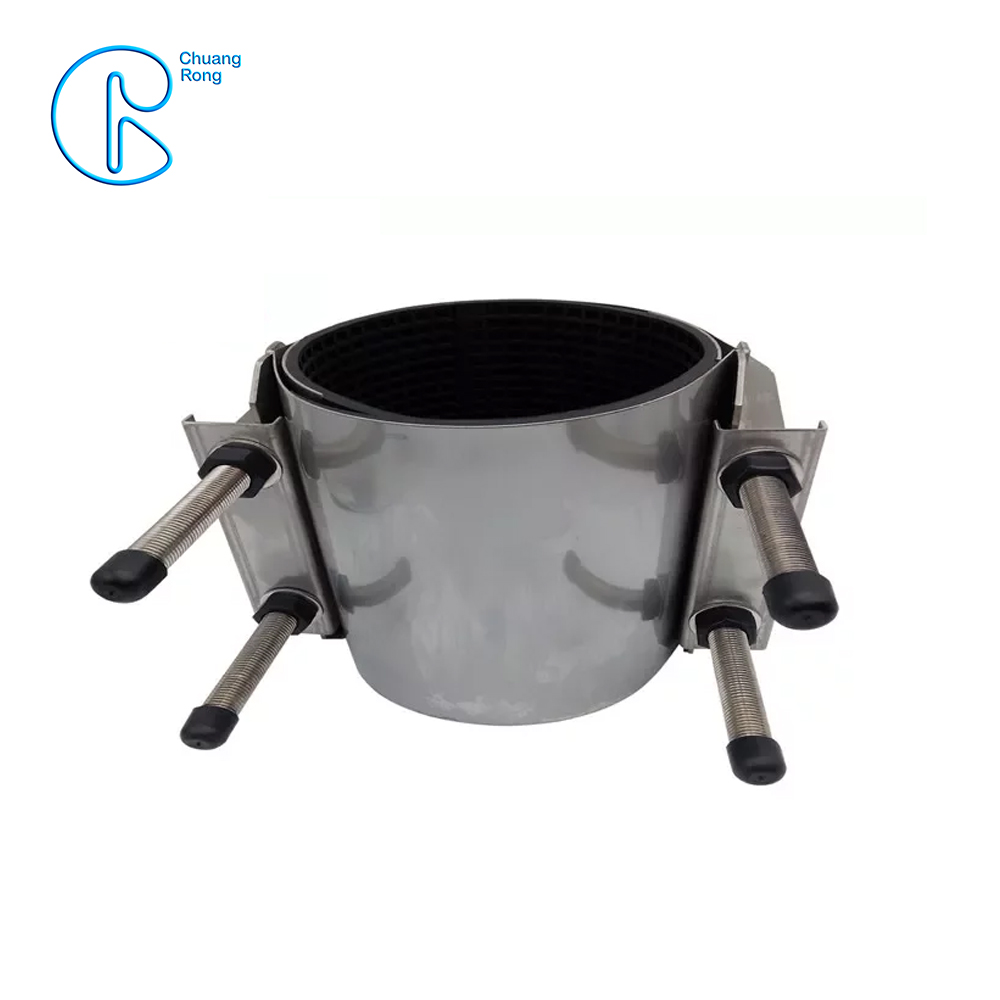
Marine-Grade Stainless Steel Band Repair Clamp for High-Pressure Offshore HDPE Pipes
View Details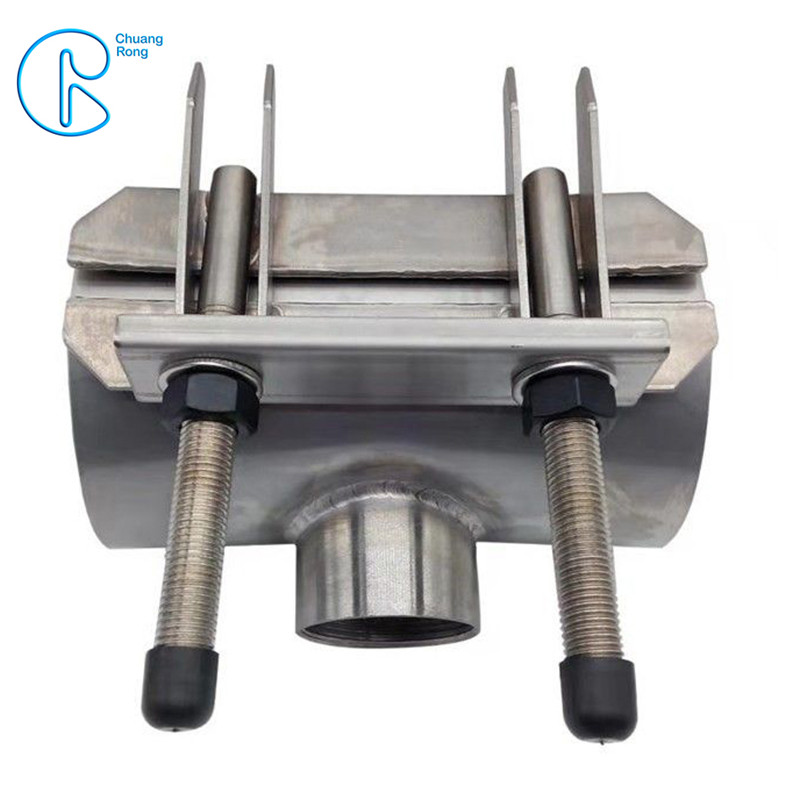
Multi-Functional Stainless Steel Tee Repair Clamp for Coastal Agricultural Outfall Systems
View DetailsIndustrial & Technical Analysis: Agricultural HDPE Pipes in Marine Outfalls
A comprehensive exploration of modern marine engineering, coastal agricultural drainage, and the pivotal role of High-Density Polyethylene.
Why HDPE is the Material of Choice for Marine Environments
Traditional piping materials like concrete, ductile iron, and steel face severe degradation when submerged in highly saline marine environments. HDPE, however, is chemically inert, resisting corrosion, biofouling, and scale build-up. Its natural flexibility allows it to adapt to shifting sea floors and seismic events without cracking, ensuring a service life exceeding 50 to 100 years.
The Commercial and Industrial Status of Marine Outfall Pipelines
Deep-Dive Application Scenarios of Agricultural HDPE in Marine Systems
Hydraulic Efficiency and Smooth Flow Dynamics
HDPE pipes have an exceptionally smooth internal surface (low Hazen-Williams friction coefficient). This minimizes friction losses, meaning pumps require less energy to push agricultural runoff and effluents through long subsea outfall systems, leading to massive operational energy savings over decades.
Technological Trends: Smart Monitoring and Advanced Jointing
Installation Methodologies: The Float-and-Sink Method
Environmental Impact & Carbon Footprint Advantages
One-Stop Solution for Plastic Piping System
One-Stop Supplies & Solutions
As one of the largest PE pipeline manufacturers in China, CHUANGRONG provides customers with a full range of services from design, production, installation, and maintenance to ensure the long-term stable operation of PE pipeline systems.

Complete Product Line
CHUANGRONG offers the most complete product line including PE pipes, PE butt fittings, PE electrofusion fittings, PE socket fittings, PE syphon drainage fittings, PE valves, PE/steel transition Fittings, PE machined fittings, PE fabricated fittings, PP compression fittings, plastic pipe welding machines & tools, pipe connectors & repair, and more.
See More
Related Products & Service
CHUANGRONG can provide customers with PE pipe/rod extrusion lines, injection molding machines, robotic arms, butt fusion fittings molds, electrofusion fittings molds, PP backing rings molds, CNC control machines, CNC lathering machines, workshop fitting machines, band saws, testing equipment, and central feeding systems.
See More
Installation & Maintenance
We provide PE pipeline services from construction to commissioning of the whole process, ensuring that the pipeline connection is firm, avoiding leakage using butt fusion, electrofusion, mechanical connection, and other technical means to efficiently complete the installation task.
See More
Design & Customization
CHUANGRONG’s professional team designs pipeline systems according to customer needs, ensuring reasonable layouts, reducing pressure loss, and meeting specific customer demands. We can provide customized products, develop new molds, and launch new products.
See More
Technical Support
CHUANGRONG provides you with reliable expertise and technical data at every stage of your project. Our certified professionals can provide professional training for your project team to ensure smooth implementation.
See MoreWhy Choose CHUANGRONG
Leveraging decades of production excellence, advanced certifications, and a global footprint to deliver unmatched piping quality.

One-Stop Solution
We specialize in R&D, production, sale, and installation of new-type plastic pipes and fittings. We supply professionally designed, customized services for your project.

Production On Demand
With 5 factories, 100+ pipe lines, and 200+ fitting machines, our capacity exceeds 100k tons. We support water, gas, dredging, mining, irrigation, and electricity systems.

Complete Certification
Our products align with ISO4427/4437, ASTMD3035, EN12201/1555, DIN8074, and AS/NZS4130, and are approved by ISO9001, CE, BV, SGS, and WRAS.

Excellent Team
Operating with Integrity, Professionalism, and Efficiency, we have built strong business relationships across more than 80 countries worldwide.
Complete Product Catalog for Marine & Irrigation Projects
Browse our full range of high-performance HDPE fittings, repair clamps, backing rings, and socket fusion machinery.
Heavy-Duty PP Compression Male Tee for Marine Outfall & Agricultural HDPE Pipes
View Details
Corrosion-Resistant Galvanized Steel Backing Ring for Marine HDPE Outfall Flange Connections
View Details
Marine-Grade Stainless Steel Band Repair Clamp for High-Pressure Offshore HDPE Pipes
View Details
Multi-Functional Stainless Steel Tee Repair Clamp for Coastal Agricultural Outfall Systems
View Details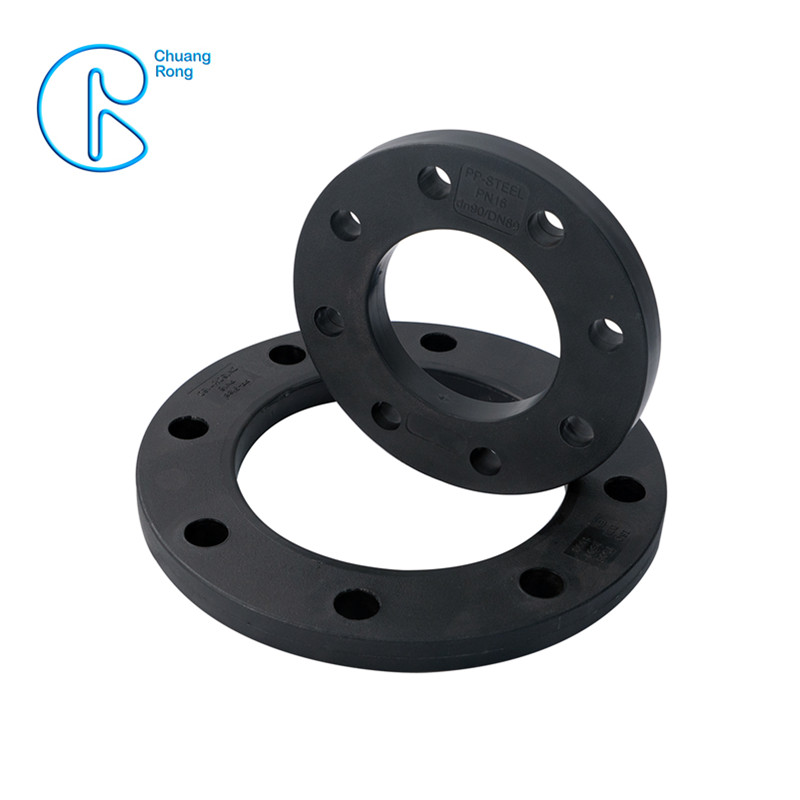
Anti-Corrosive PP Coated-Steel Backing Ring for Deep-Sea HDPE Outfall Stub Ends
View Details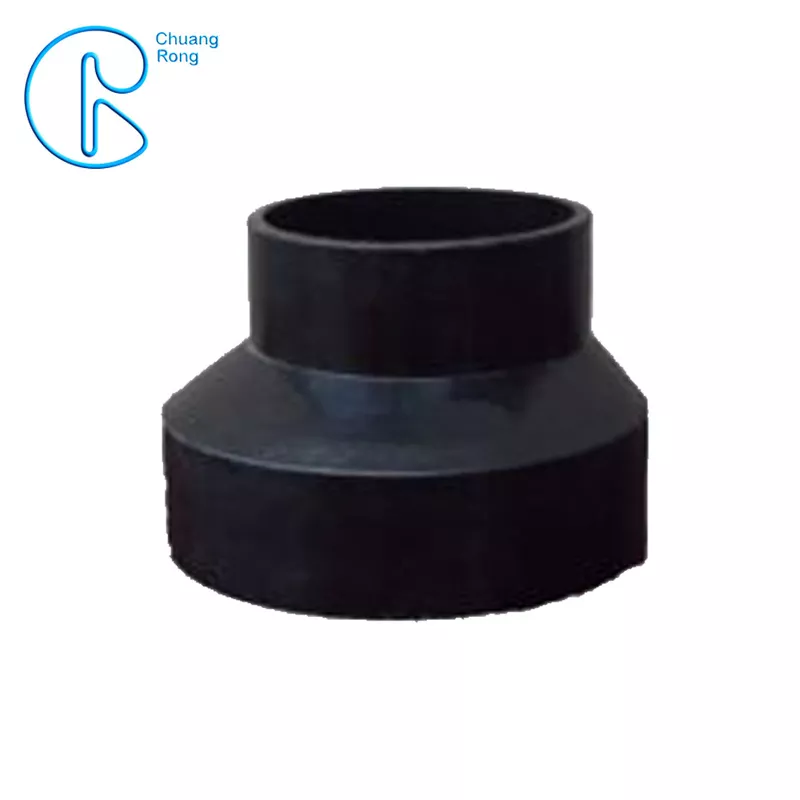
PE100 SDR26 PN6 Marine Eccentric Reducer for Siphon Outfall & Agricultural Drainage
View Details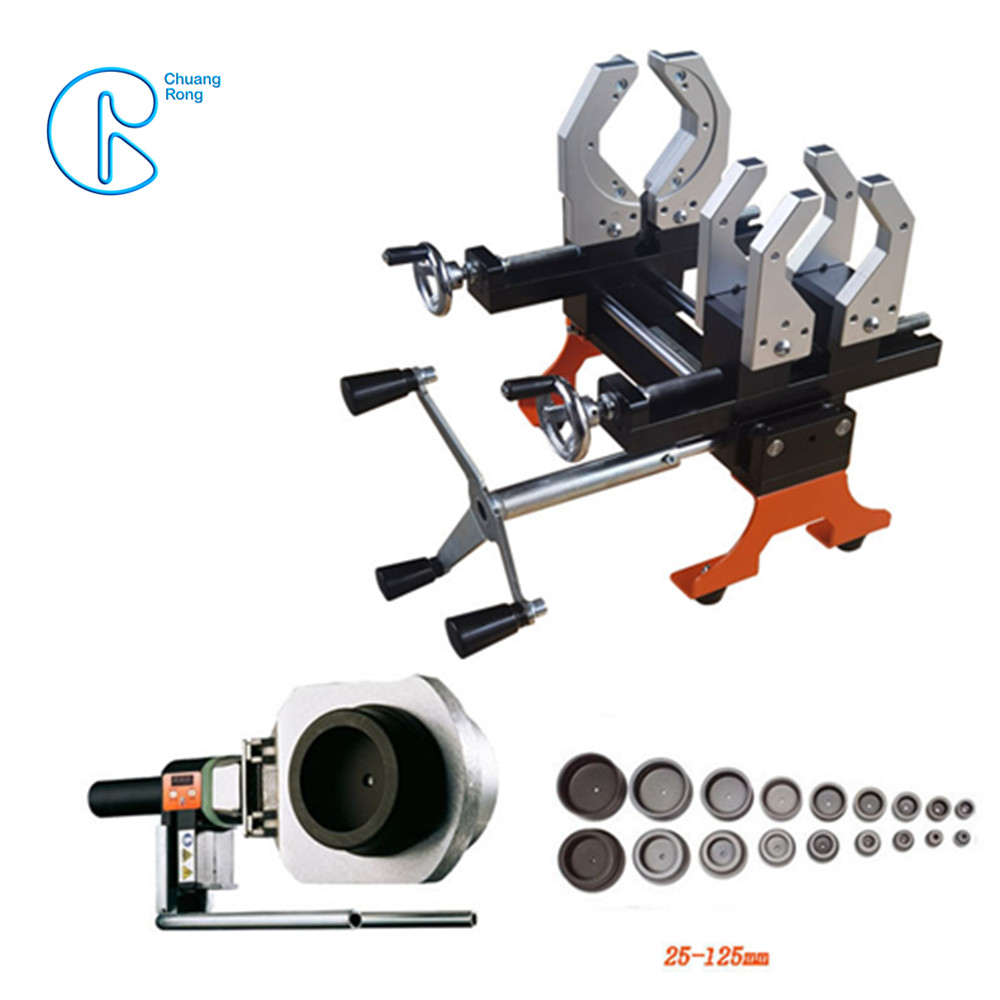
Portable Manual Socket Fusion Machine for Field Jointing of Agricultural & Marine Pipes
View Details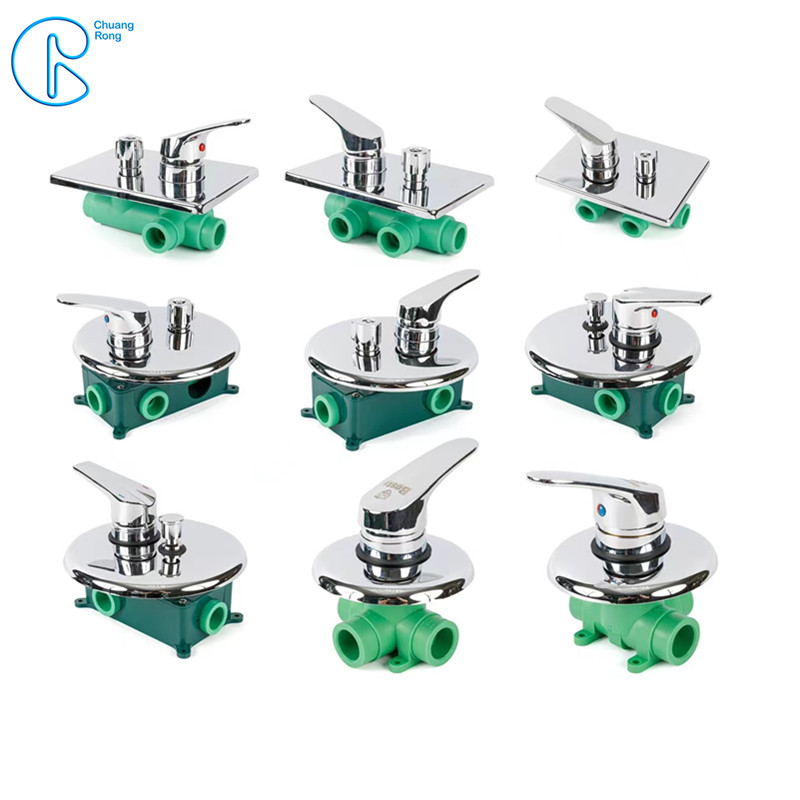
Premium OEM Control Valves & Fittings for Marine Outfall Control Stations
View Details
Social Links


Our Company
information
Quick Links
contact us
-
ADD:
Room 911, Building T1, The Ring Center, No.333 Dongda Road, Chengdu, China.
- TEL: 0086-18180897627
- EMAIL: chuangrong@cdchuangrong.com
Hot Products - Sitemap - AMP Mobile
Pe Water Pipe, Hdpe Pipe Fittings, Hdpe Pipe And Fitting, Repair Clamp, Male Adaptor, Hdpe Pipe Fitting,
-

Phone
-

E-mail
-

Whatsapp
-

Skype
-

Top
