


Precision Fusion Equipment & Core Fittings
Explore our premium selection of socket fusion machines, butt welding systems, and high-strength HDPE/PPR fittings engineered for Peru's rugged environments.
One-Stop Solution for Plastic Piping Systems
CHUANGRONG is a shared industry and trade integrated company, established in 2005. We focus on the production of a full range of quality HDPE pipes & fittings (from 20mm to 1600mm, SDR26/SDR21/SDR17/SDR11/SDR9/SDR7.4), alongside the sale of PP compression fittings, plastic welding machines, pipe tools, and pipe repair clamps.
Our infrastructure includes more than 100 sets of pipe production lines and 200 sets of fitting production equipment, resulting in a production capacity exceeding 100 thousand tons. We proudly serve six core sectors: water, gas, dredging, mining, irrigation, and electricity, offering more than 20 series and 7,000+ technical specifications.
All products strictly conform to international standards, including ISO4427/4437, ASTM D3035, EN12201/1555, DIN8074, and AS/NZS 4130, and carry recognized certifications such as ISO9001-2015, CE, BV, SGS, and WRAS.
One-Stop Supplies & Engineering Solutions
As a leading Chinese manufacturer, CHUANGRONG supports engineering projects from initial design through to installation and maintenance, ensuring stable, leak-free pipeline systems.

Complete Product Line
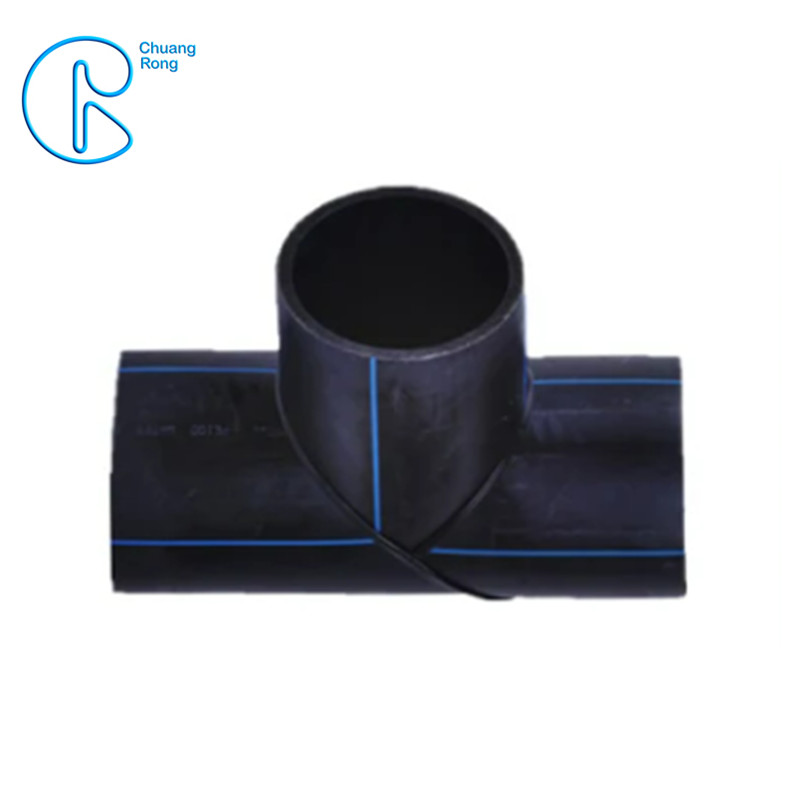
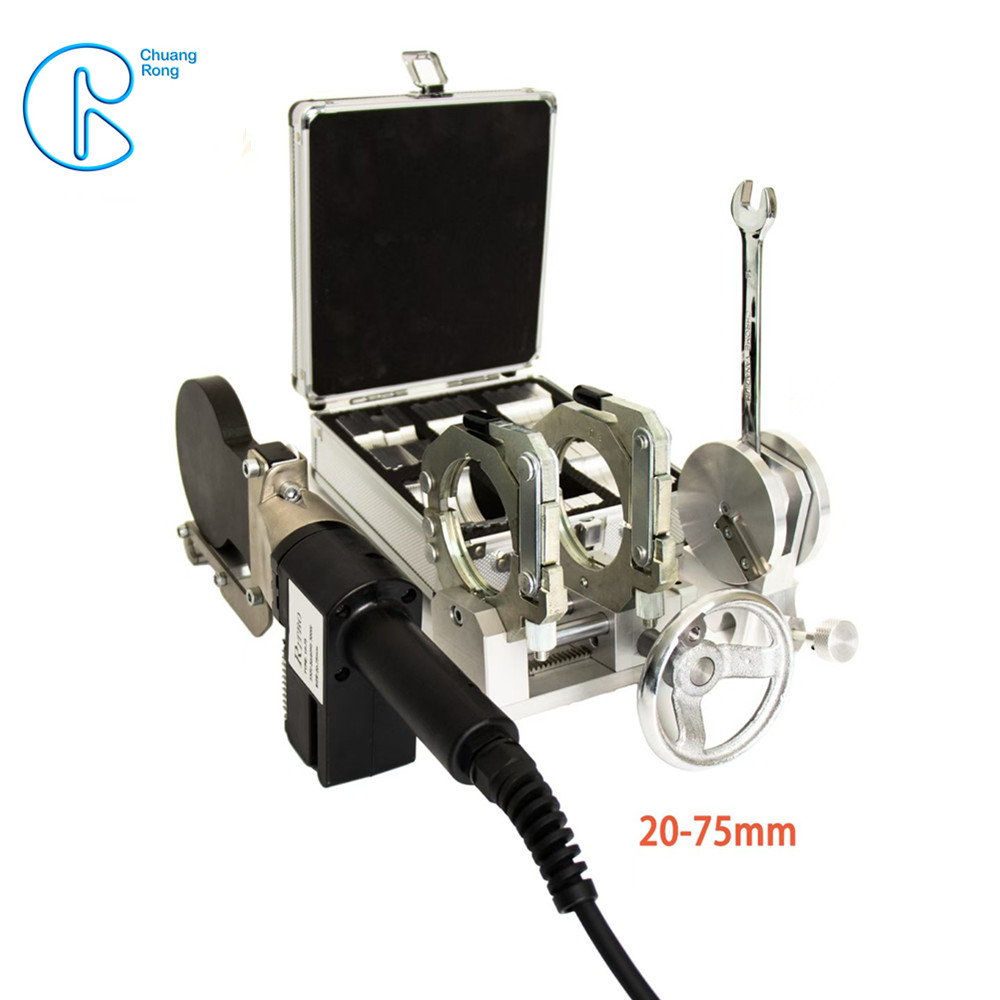
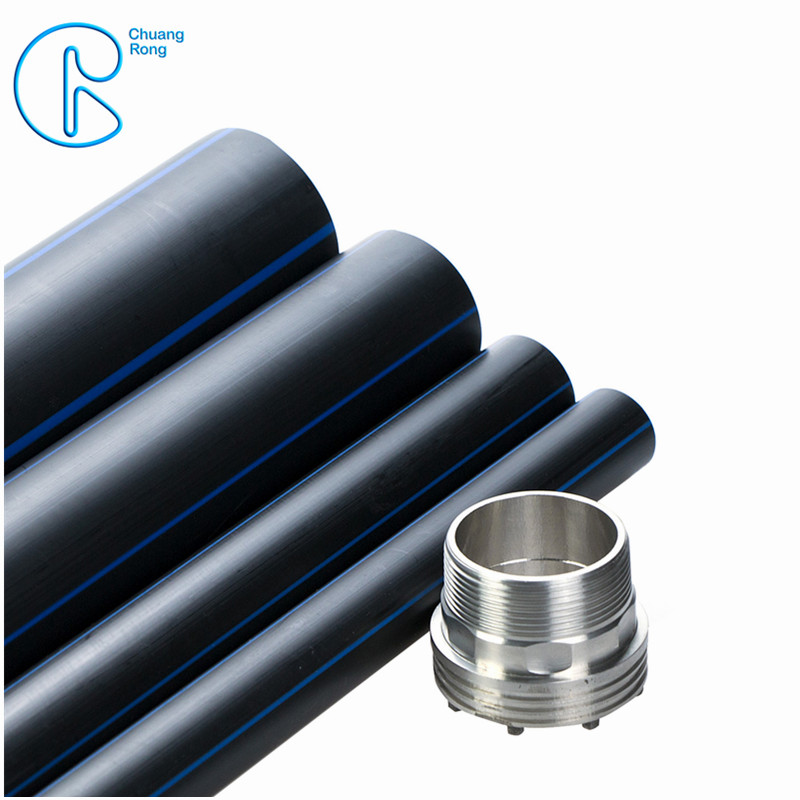
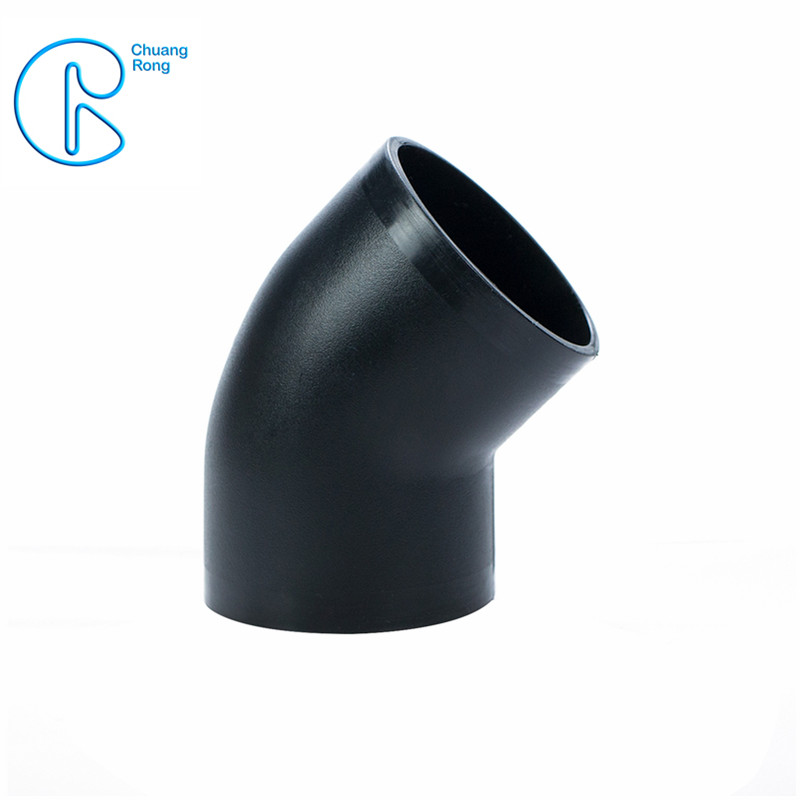
We offer a complete range of PE/PPR pipes, butt fusion fittings, electrofusion fittings, socket fittings, siphonic drainage configurations, specialized valves, steel-to-plastic transition fittings, and professional welding machinery.
Read More →
Related Products & Service
Beyond piping, we supply extrusion lines, injection molding machines, robotic arms, mold setups, CNC lathes, band saws, resistance testing devices, and comprehensive workshop equipment to establish local production capabilities.
Read More →
Installation & Maintenance
We support piping installations from construction through commissioning. Using butt fusion, electrofusion, and mechanical connections, we ensure secure, leak-free joints under high-pressure conditions.
Read More →
Design & Customization
Our engineering team designs custom layouts to reduce pressure loss and optimize fluid dynamics. We also develop custom molds and bespoke products to meet specific project demands.
Read More →Why Engineers Choose CHUANGRONG
With global manufacturing capabilities and strict quality control, we deliver reliable piping systems to infrastructure projects worldwide.

One-Stop Solution
We handle R&D, production, sales, and installation support, providing customized services tailored directly to your project requirements.

Production On Demand
Operating five factories with over 100 pipe extrusion lines and 200 injection machines, we deliver high-volume orders efficiently.

Certified Quality
Our testing processes monitor quality from raw material to finished product, meeting ISO, ASTM, EN, DIN, and AS/NZS standards.

Global Experience
We maintain active business relationships across 80+ countries, including the US, Chile, Guyana, Saudi Arabia, and Peru.
Ppr Pipe Heating Time Manufacturers & Suppliers in Peru: The Ultimate Technical Guide
In modern civil construction, industrial fluid transport, and public infrastructure upgrades, the reliability of piping systems is critical. Across Peru—from the coastal developments in Lima to high-altitude mining operations in Cajamarca and Arequipa—polypropylene random copolymer (PPR) piping has become a standard choice for hot and cold water distribution. However, the integrity of a PPR system depends on the quality of its installation, specifically the PPR pipe heating time during socket fusion welding. Precise control of heating times prevents weak joints, flow restrictions, and premature system failures.
As a leading global manufacturer and supplier of plastic piping systems, CHUANGRONG works with Peruvian contractors, municipal engineers, and industrial buyers. This guide details the technical requirements for PPR socket fusion, analyzes Peru's piping market, and outlines the parameters needed to ensure reliable joints in challenging environments.
The Science of Socket Fusion: Why Heating Time is Critical
Socket fusion welding joins PPR pipes and fittings by heating their mating surfaces to a melt transition state (typically around 260°C) and joining them. During this process, the polymer chains of the pipe and fitting interlace, forming a single, continuous material structure upon cooling. This molecular bond creates a joint that is as strong, or stronger, than the pipe itself.
Controlling the heating phase is critical. If the pipe is heated for too short a time, the material will not reach its melt transition temperature. This leads to a cold joint, which may fail under pressure or during thermal expansion cycles. Conversely, overheating the pipe degrades the polymer structure, reduces the material's pressure rating, and causes the molten plastic to collapse inward, restricting the flow path inside the pipe.
Key Technical Principle: PPR socket fusion relies on a balance of temperature, pressure, and time. Because environmental conditions in Peru vary from humid coastal cities to cold, high-altitude mountain zones, installers must adjust their heating parameters to ensure consistent joint quality.
Comprehensive PPR Pipe Heating Time Reference Chart
Below is a standard technical reference for PPR socket fusion. These parameters apply to standard SDR6, SDR7.4, and SDR11 PPR piping systems at a standard ambient temperature of 20°C. When working in colder regions (such as high-altitude mining locations in the Andes), the heating time should be increased by 50% to compensate for rapid heat dissipation.
| Pipe Outer Diameter (mm) | Heating Depth (mm) | Heating Time (Seconds) | Max. Assembly Time (Seconds) | Cooling Time (Minutes) |
|---|---|---|---|---|
| 20 | 14.0 | 5 | 4 | 2 |
| 25 | 15.0 | 7 | 4 | 2 |
| 32 | 16.5 | 8 | 6 | 4 |
| 40 | 18.0 | 12 | 6 | 4 |
| 50 | 20.0 | 18 | 6 | 4 |
| 63 | 24.0 | 24 | 8 | 6 |
| 75 | 26.0 | 30 | 8 | 6 |
| 90 | 29.0 | 40 | 10 | 8 |
| 110 | 32.5 | 50 | 10 | 8 |
Peru's Piping Market: Commercial, Industrial, and Environmental Demands
Peru's construction and industrial sectors are expanding, driven by urban housing demand, mining investments, and agricultural infrastructure projects. Traditional metal piping systems (such as copper and galvanized iron) are increasingly replaced by high-performance plastics like PPR and HDPE due to lower material costs, ease of installation, and resistance to corrosion.
1. Civil Construction in Coastal Urban Centers
In metropolitan areas like Lima, Callao, and Trujillo, high-density residential towers and commercial centers require durable hot and cold water distribution systems. PPR is preferred for these installations because of its low thermal conductivity, which reduces energy loss in hot water lines, and its resistance to calcification and scaling from local hard water sources. Additionally, PPR's resistance to coastal humidity and saline environments prevents the external corrosion common to metallic pipes in these regions.
2. Industrial and Mining Applications in the Sierra Region
Peru's mining sector operates in demanding environments, often at altitudes exceeding 3,000 meters above sea level (e.g., Cerro de Pasco, Arequipa, and Cajamarca). These locations experience sub-zero temperatures and high UV exposure. For these applications, PPR and HDPE systems are utilized for chemical processing lines, slurry transportation, and camp water supply. In low-temperature environments, using digital display extrusion welders and electrofusion machines is critical to maintaining the precise heating times required to prevent joint cracking.
3. Agricultural Irrigation and Water Management
In Peru's agricultural regions, such as Ica and Piura, water conservation is a priority. PPR and HDPE piping systems are used for drip irrigation, greenhouse water supply, and water transport. The chemical resistance of PPR ensures that fertilizers and soil treatments do not degrade the pipes, while its smooth interior wall minimizes friction losses, reducing pumping energy requirements.
Key Steps for Successful PPR Socket Fusion in Peru
To ensure high-quality installations, contractors should follow a standardized fusion process:
- Preparation and Cutting: Cut the PPR pipe perpendicular to its axis using sharp pipe cutters. Remove any burrs and clean the pipe end and fitting socket with isopropyl alcohol to remove grease, dust, and moisture.
- Marking Fusion Depth: Mark the required heating depth (per the technical table) on the pipe end using a template or caliper. This prevents over-insertion during the heating and joining phases.
- Heating: Push the pipe and fitting simultaneously into the welding machine adapters without twisting. Start timing the heating interval once both components reach the correct depth on the heating matrix (set to 260°C).
- Alignment and Joining: After the heating time elapses, remove the pipe and fitting from the heating adapters. Push them together smoothly and straight, without twisting, until the welding rings meet. Hold the joint in place for the specified assembly time to allow the initial bond to set.
- Cooling: Allow the joint to cool naturally for the specified cooling time before subjecting the system to pressure testing or mechanical stress. Do not accelerate cooling with water, as rapid temperature drops can induce internal stresses in the plastic.
Selecting the Right PPR and HDPE Piping Supplier in Peru
When sourcing piping materials for projects in Peru, selecting a supplier that provides consistent quality and complete systems is key. Contractors should evaluate suppliers based on the following criteria:
- Material Certifications: Ensure the manufacturer complies with international standards such as ISO 4427, ISO 15874, DIN 8077/8078, and ASTM D3035. Certified products are tested for long-term pressure resistance and material purity.
- System Compatibility: Sourcing pipes, fittings, and welding machinery from the same manufacturer reduces compatibility issues, ensuring that welding adapters match pipe tolerances for consistent heating.
- Technical Support and Training: Given the variable environmental conditions in Peru, working with a manufacturer that provides technical documentation, heating time adjustments, and machine calibration support helps ensure successful installations.
CHUANGRONG: Supporting Peru's Infrastructure Development
CHUANGRONG provides comprehensive plastic piping solutions designed to meet the demands of Peru's construction, mining, and agricultural sectors. Our product portfolio includes HDPE and PPR pipes, electrofusion and socket fittings, and digital welding equipment. By offering integrated systems, we help contractors maintain installation quality, manage heating times, and ensure long-term system reliability across Peru's diverse climates.
Complete Piping Systems & Fusion Equipment
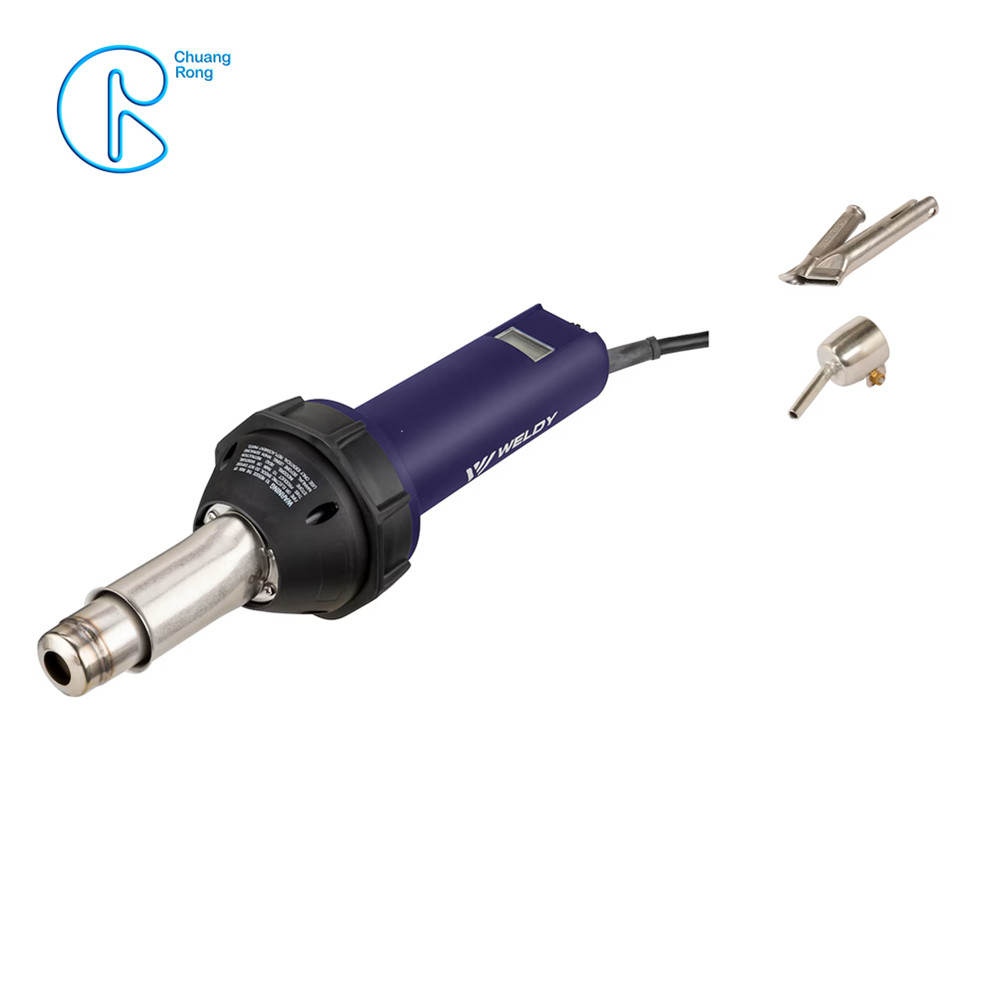
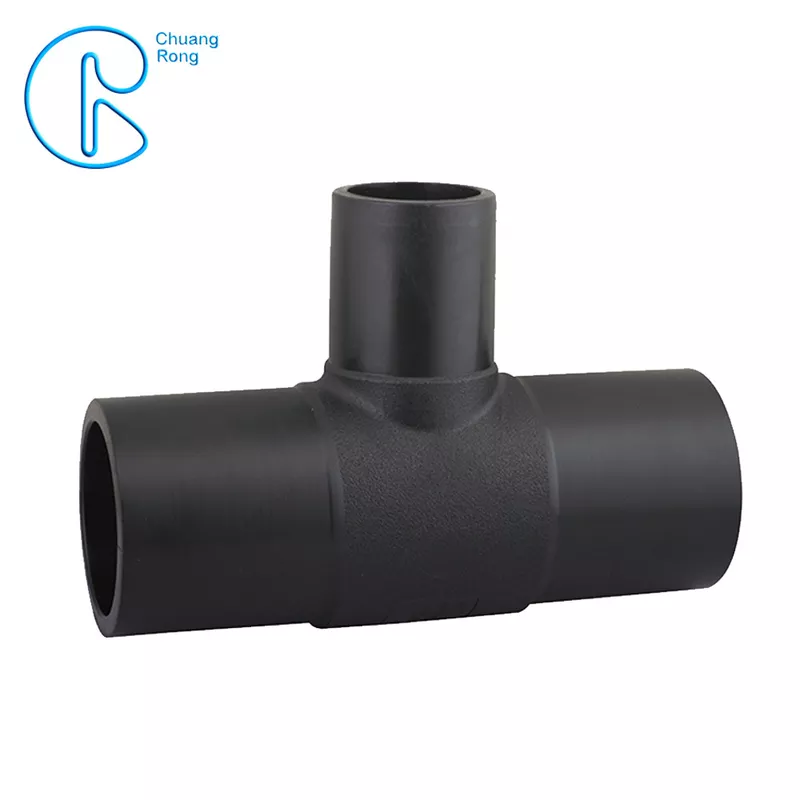
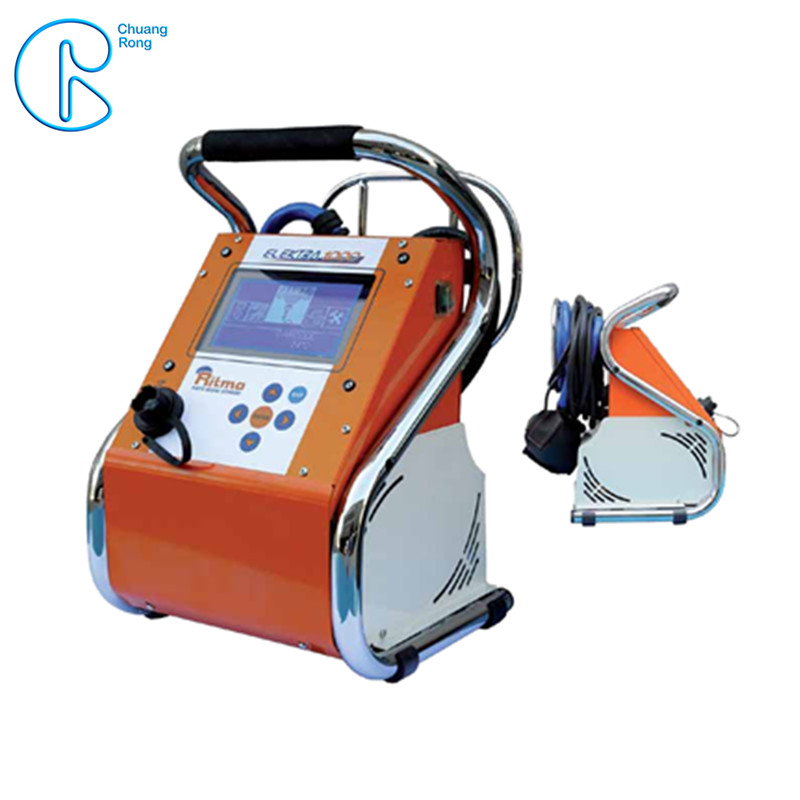
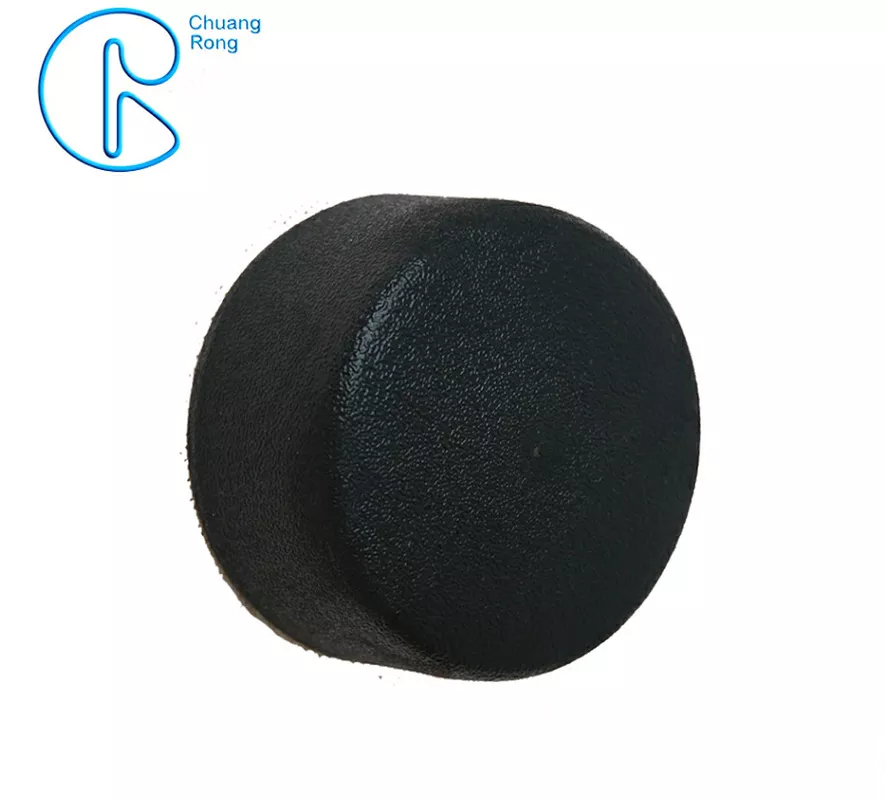
Browse our full range of certified HDPE/PPR pipes, specialized fittings, and digital welding equipment designed for industrial and civil engineering projects.

Social Links


Our Company
information
Quick Links
contact us
-
ADD:
Room 911, Building T1, The Ring Center, No.333 Dongda Road, Chengdu, China.
- TEL: 0086-18180897627
- EMAIL: chuangrong@cdchuangrong.com
Hot Products - Sitemap - AMP Mobile
Pe Water Pipe, Hdpe Pipe Fittings, Hdpe Pipe And Fitting, Repair Clamp, Male Adaptor, Hdpe Pipe Fitting,
-

Phone
-

E-mail
-

Whatsapp
-

Skype
-

Top
