


Featured Socket Fusion & PPR Piping Solutions
Explore our high-precision PPR pipes and fitting systems optimized for standard heating and jointing requirements across Chilean infrastructure projects.
Understanding PPR Pipe Heating Time: The Standard for Chilean Infrastructure
In modern plumbing and industrial fluid transportation, Polypropylene Random Copolymer (PPR) pipes have emerged as a dominant material due to their exceptional durability, chemical resistance, and ease of installation. In Chile—a nation characterized by extreme geographical contrasts, from the arid Atacama Desert in the north to the glacial landscapes of Patagonia in the south—the mechanical integrity of piping systems is of paramount importance. The success of any PPR installation relies heavily on the execution of the thermal socket fusion process, where the key parameter is the PPR pipe heating time.
Why Heating Time is Critical for Joint Integrity
Socket fusion involves heating the outer surface of the PPR pipe and the inner surface of the fitting simultaneously using a specialized welding machine set to approximately 260°C (500°F). If the pipe is heated for too short a duration, the material will not reach its amorphous state, resulting in a weak joint prone to leakage under high pressure. Conversely, if the heating time is exceeded, the polymer degrades, the inner bore of the pipe collapses, restricting flow, and the joint's mechanical strength is severely compromised.
For Chilean engineers, contractors, and municipal developers, adhering to exact heating schedules is not merely a recommendation but a critical compliance factor under local building codes and international standards such as DIN 8077/8078 and ISO 15874. As leading PPR pipe heating time manufacturers and suppliers, CHUANGRONG provides comprehensive guides and high-caliber fusion tools to ensure flawless execution under varying environmental conditions.
One-Stop Solution for Plastic Piping Systems
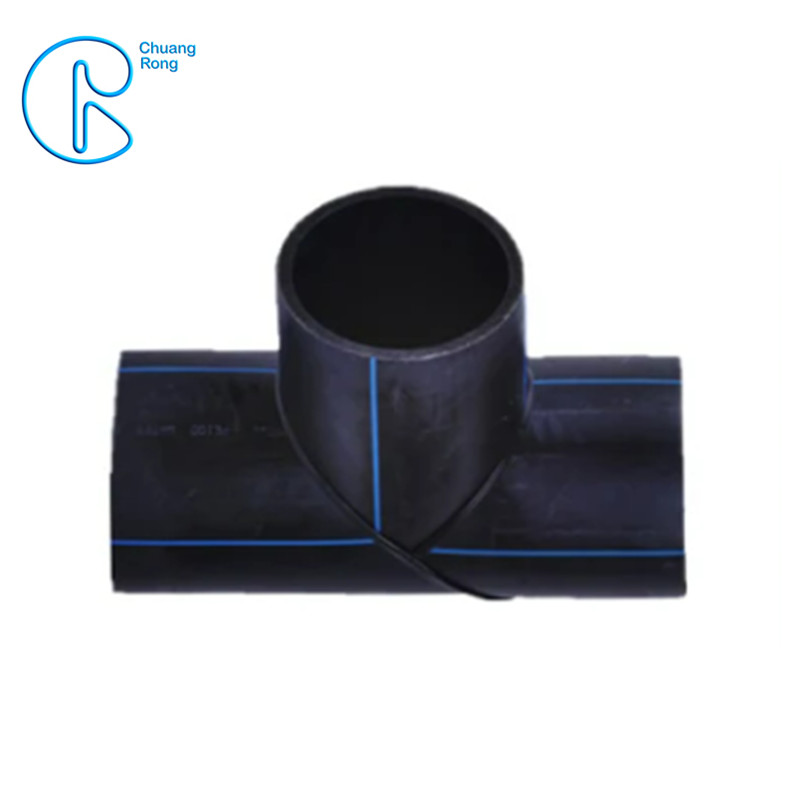
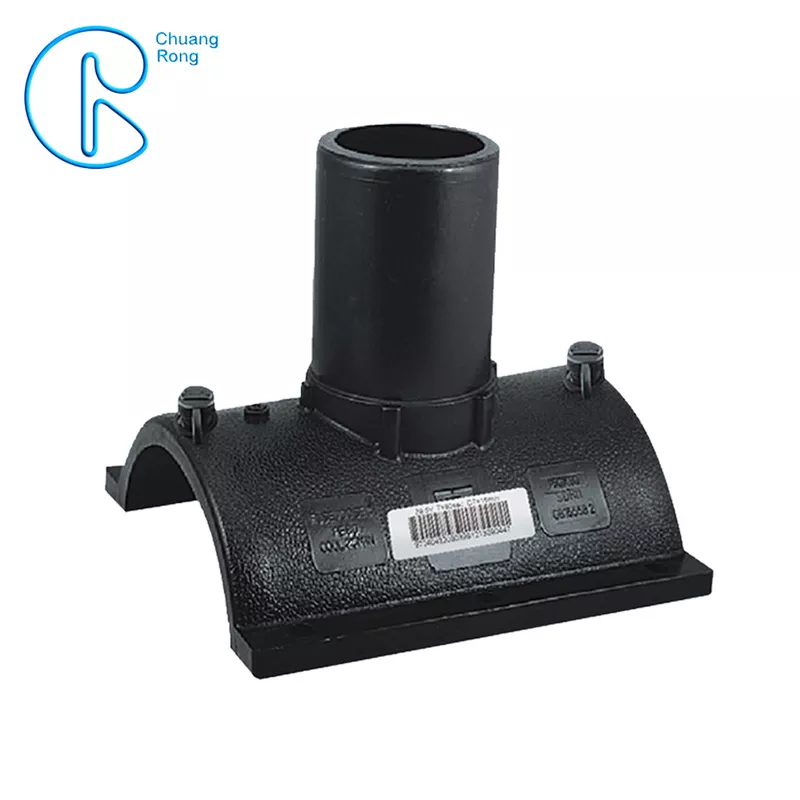
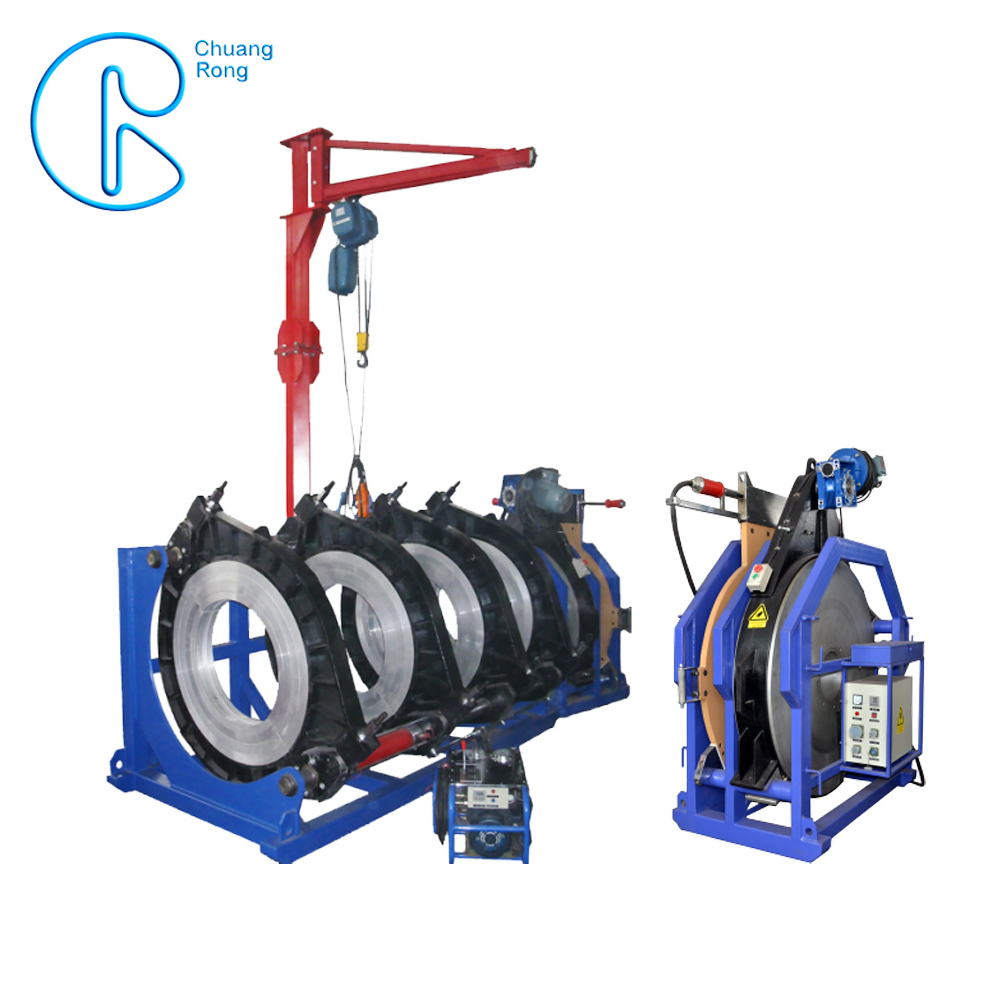
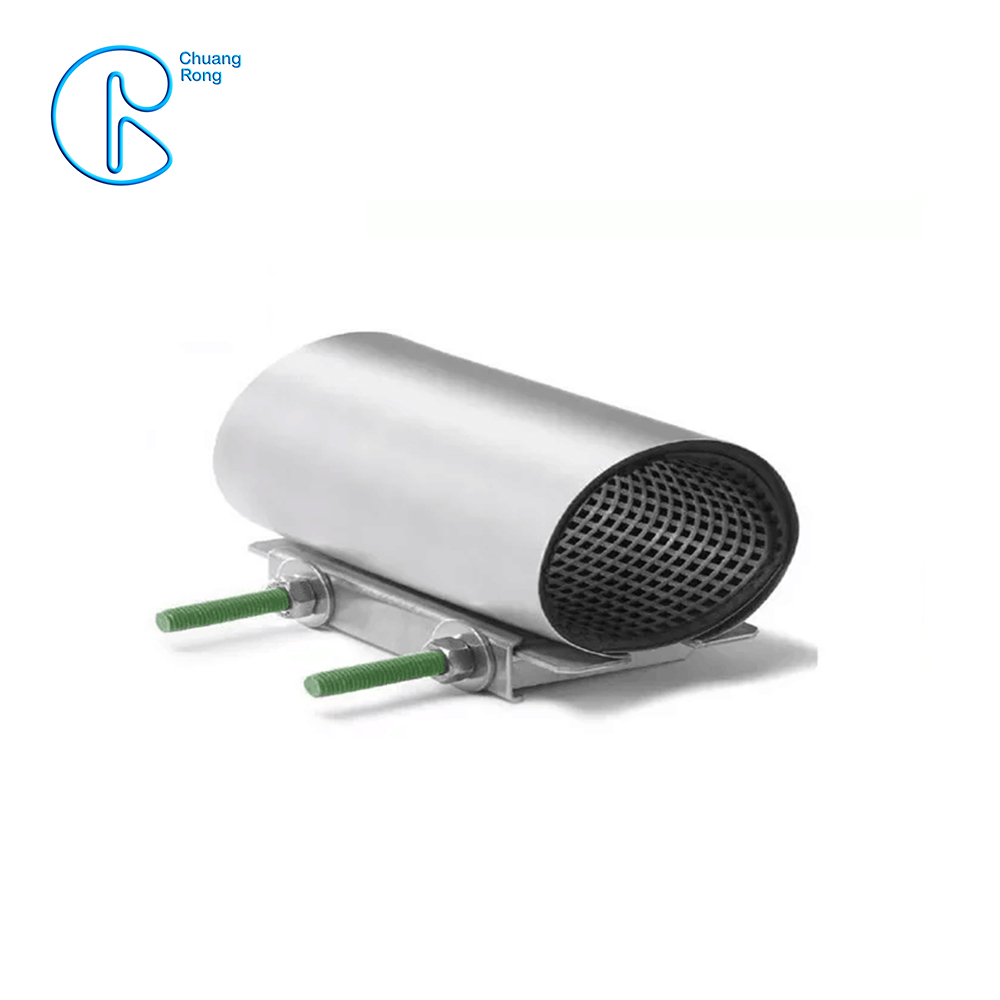
CHUANGRONG is a shared industry and trade integrated company, established in 2005. We focus on the production of a full range of quality HDPE pipes & fittings (ranging from 20mm to 1600mm, with pressure classes SDR26 / SDR21 / SDR17 / SDR11 / SDR9 / SDR7.4), and the sale of PP compression fittings, plastic welding machines, pipe tools, and pipe repair clamps.
Our state-of-the-art facilities house more than 100 sets of advanced pipe production lines and 200 sets of fitting production equipment. With a production capacity reaching more than 100 thousand tons annually, CHUANGRONG supports six major application systems: water supply, gas transmission, dredging, mining, agricultural irrigation, and electrical conduits. Our product catalog features more than 20 series and over 7,000 distinct specifications.
All CHUANGRONG products are engineered in compliance with international standards including ISO4427/4437, ASTM D3035, EN12201/1555, DIN8074, and AS/NZS 4130, and have received prestigious quality approvals from ISO9001-2015, CE, BV, SGS, and WRAS.
Standard PPR Socket Fusion Parameters & Heating Times
Environmental factors in Chile, particularly cold ambient temperatures in high-altitude mining sectors or southern regions, require adjustments to standard heating schedules. Below is the reference parameter chart for standard PPR pipe socket fusion at an ambient temperature of 20°C (68°F). If ambient temperatures fall below 5°C, heating times should be increased by 50% to ensure sufficient heat penetration without overheating the material.
| Pipe Outer Diameter (mm) | Heating Time (Seconds) | Welding / Jointing Interval (Seconds) | Cooling Time (Minutes) | Insertion Depth (mm) |
|---|---|---|---|---|
| 20 | 5 | 4 | 2 | 14.0 |
| 25 | 7 | 4 | 2 | 15.0 |
| 32 | 8 | 6 | 4 | 16.5 |
| 40 | 12 | 6 | 4 | 18.0 |
| 50 | 18 | 6 | 4 | 20.0 |
| 63 | 24 | 8 | 6 | 24.0 |
| 75 | 30 | 8 | 6 | 26.0 |
| 90 | 40 | 10 | 8 | 29.0 |
| 110 | 50 | 10 | 8 | 32.5 |
Note: The heating time starts when both the pipe and fitting are fully inserted into the welding matrix of the fusion machine. Never rotate the pipe or fitting during insertion or cooling.
PPR Piping Systems in Chile: Commercial & Industrial Applications
Chile's unique economic sectors demand robust piping systems that can withstand high pressures, seismic activities, and chemical exposures. PPR pipes have increasingly replaced traditional copper and galvanized steel options due to their cost efficiency, ease of transport, and rust-free characteristics.
1. Mining & Mineral Processing
In the northern copper mining belts of Antofagasta and Calama, piping systems must carry corrosive chemical solutions and process water under high pressure. PPR's resistance to chemical corrosion makes it ideal for chemical transport pipelines, where proper fusion welding ensures zero leakage.
2. Commercial HVAC & Radiant Heating
With cold winters in central cities like Santiago and southern regions like Puerto Montt, commercial buildings rely heavily on hydronic floor heating and central HVAC systems. High-pressure PPR pipes handle hot water distribution with minimal thermal loss compared to metal pipes.
3. Aquaculture & Salmon Farming
In the southern Chilean fjords, aquaculture installations require non-toxic, seawater-resistant pipelines for water intake and circulation. PPR's inert nature ensures no heavy metals leach into the water, protecting marine ecosystems.
Furthermore, Chile is highly seismic. Rigid metal pipelines are prone to cracking and joint detachment during earthquakes. PPR pipes, when joined using the correct socket fusion heating times, form a homogenous joint that is as strong as the pipe itself. The resulting piping system possesses high elasticity and impact resistance, allowing it to bend and absorb seismic ground motion without fracturing.
One-Stop Supplies & Solutions
As one of the largest PE and PPR pipeline manufacturers in China, CHUANGRONG provides customers with a full range of services from design, production, installation, and maintenance to ensure the long-term stable operation of piping systems.

Complete Product Line

Related Products & Service

Installation & Maintenance

Design & Customization

Technical Support & Field Training
Best Practices for PPR Socket Fusion in Chile's Diverse Climates
Chile's geography presents unique challenges for pipeline installation. Standard settings that work in climate-controlled environments must be adapted for site conditions in the Andes, the coastal ports, or the southern plains. Below are critical steps for ensuring joint integrity:
- Temperature Calibration: Always verify the fusion machine's plate temperature with an external digital thermometer. The plate must maintain a stable temperature of 260°C (±10°C). In high-altitude mines (e.g., above 3,000 meters), heat dissipates quickly, necessitating wind shields and insulated heating jackets.
- Wind and Dust Protection: Strong winds in Patagonia or dust in the Atacama Desert can contaminate the melted pipe face. Always clean the pipe ends and fitting sockets with isopropyl alcohol (>99% purity) before heating. Dust particles embedded in the melt will create micro-channels for water leakage.
- No Rotation Rule: When pushing the heated pipe and fitting together, insert them straight along the axis. Never rotate them. Rotating the components twists the polymer chains, weakening the crystalline structure of the cooled joint.
- Marking Insertion Depth: Use a template marker to draw the correct insertion depth on the pipe end. Pushing the pipe too far into the fitting socket causes the melted material to block the internal diameter, restricting water flow and increasing pressure drops.
Pro-Tip for Winter Installations
In regions like Coyhaique or Punta Arenas, where winter temperatures drop below freezing, keep the PPR pipes and fittings in a heated container or tent prior to welding. Cold plastic acts as a heat sink, rapidly cooling the fusion machine's matrix and leading to incomplete melting. Pre-warming the materials ensures the standard heating times remain effective.
Why Choose CHUANGRONG
As one of the largest PE and PPR pipeline manufacturers in China, CHUANGRONG provides customers with a full range of services from design, production, installation, and maintenance to ensure the long-term stable operation of piping systems.

ONE-STOP SOLUTION
CHUANGRONG and its affiliated companies specialize in the R&D, production, sale, and installation of new-type plastic pipes and fittings. We provide different customers with perfect one-stop solutions for PE and PPR pipe systems, supplying professionally designed, customized services for your project.

PRODUCTION ON DEMAND
CHUANGRONG owns five factories, making us one of the largest manufacturers and suppliers of plastic pipes and fittings in China. With over 100 pipe production lines and 200 fitting production systems, our annual capacity exceeds 100 thousand tons across water, gas, dredging, mining, irrigation, and electricity sectors.

COMPLETE CERTIFICATION
CHUANGRONG possesses complete detection methods with advanced testing equipment to ensure quality control from raw materials to finished products. Our products align with ISO4427/4437, ASTM D3035, EN12201/1555, DIN8074, and AS/NZS 4130 standards, approved by ISO9001-2015, CE, BV, SGS, and WRAS.

EXCELLENT TEAM
CHUANGRONG has an experienced staff team operating under the principles of Integrity, Professionalism, and Efficiency. We maintain business relationships with over 80 countries and regions worldwide, including the United States, Chile, Guyana, the UAE, Saudi Arabia, Indonesia, Malaysia, Bangladesh, Mongolia, Russia, and Africa.
PPR Pipe Fusion FAQ
Q1: What happens if the PPR pipe is heated for too long?
Overheating causes the polypropylene material to melt excessively. When the pipe is pushed into the fitting, this excess melted plastic is forced inward, reducing the internal diameter of the pipe or blocking the flow path entirely. It also degrades the polymer structure, making the joint brittle.
Q2: How do cold weather conditions in southern Chile affect PPR welding?
Cold temperatures accelerate the cooling rate of the plastic melt. To compensate, the heating time must be extended (up to 50% longer in temperatures below 5°C) to ensure the core of the plastic reaches the required melting temperature. The fusion machine must also be shielded from wind to prevent temperature drops on the heating plate.
Q3: Can PPR pipes and fittings from different manufacturers be fused together?
While it is physically possible if they are made of the same raw material (PP-R Type 3), it is highly recommended to use pipes and fittings from the same manufacturer. Variations in raw material grades, molecular weight distribution, and manufacturing tolerances can affect the melting temperature and joint reliability.
Q4: What is the pressure testing procedure after socket fusion?
The pipeline should not be pressurized immediately after fusion. Allow the joints to cool completely for at least 2 hours before filling the system with water. Perform a hydrostatic pressure test at 1.5 times the design working pressure, monitoring for pressure drops or visual leaks over a minimum period of 24 hours.
Comprehensive Product Catalog
Browse our complete portfolio of PPR, HDPE, and metallic repair products designed for municipal water, gas, mining, and civil engineering projects.

Social Links


Our Company
information
Quick Links
contact us
-
ADD:
Room 911, Building T1, The Ring Center, No.333 Dongda Road, Chengdu, China.
- TEL: 0086-18180897627
- EMAIL: chuangrong@cdchuangrong.com
Hot Products - Sitemap - AMP Mobile
Pe Water Pipe, Hdpe Pipe Fittings, Hdpe Pipe And Fitting, Repair Clamp, Male Adaptor, Hdpe Pipe Fitting,
-

Phone
-

E-mail
-

Whatsapp
-

Skype
-

Top
