


Featured Piping Products & Jointing Systems
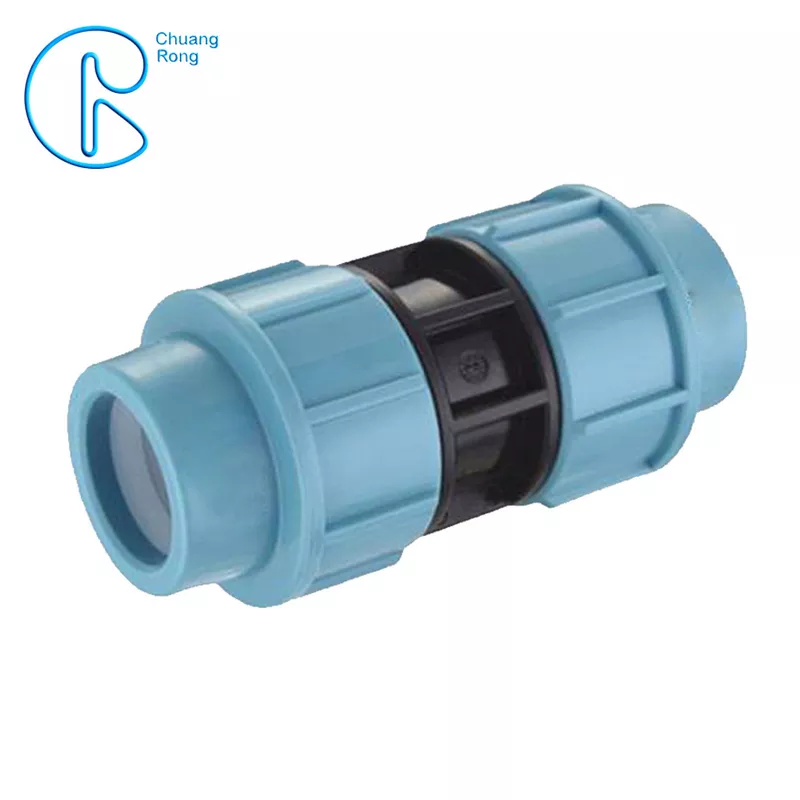
ISO Approved PP Compression Fitting, Polypropylene Coupling For Water Supply
Get Quote & Info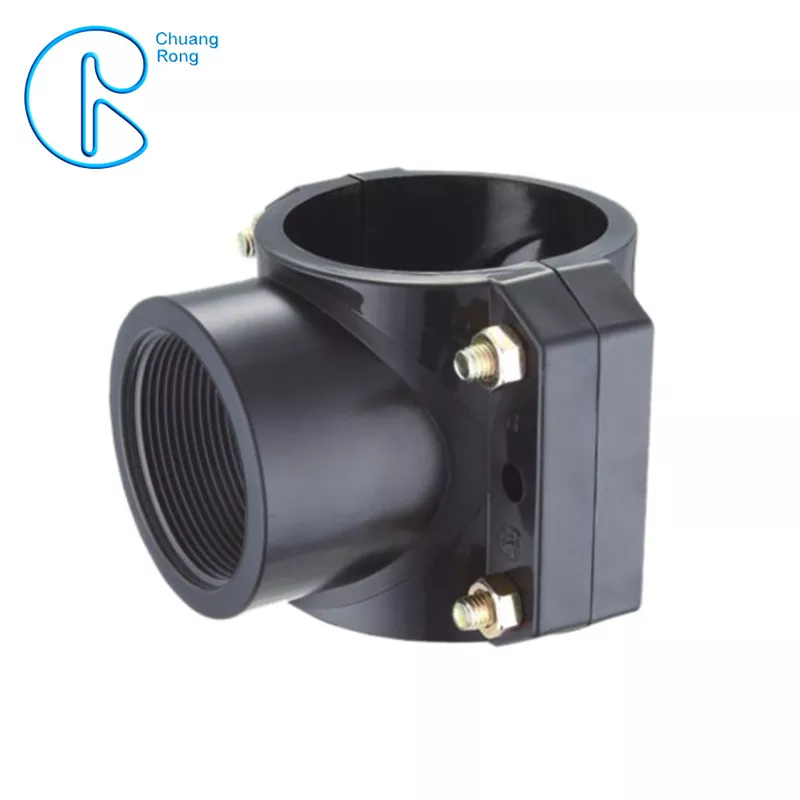
20 - 315mm PP Compression Fitting PN16 PP Clamp Saddle High Stability
Get Quote & Info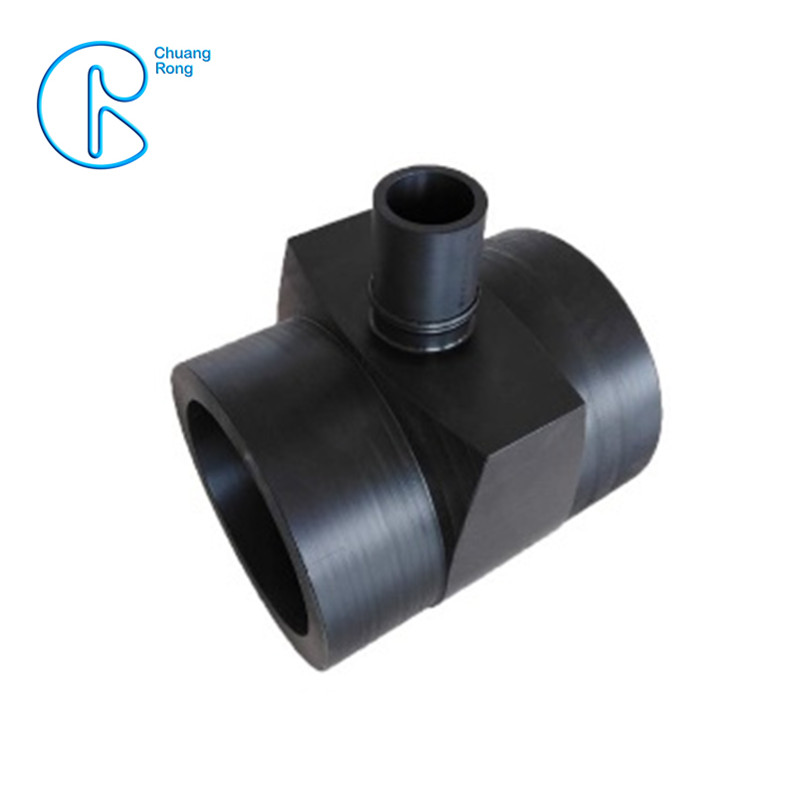
PE100 SDR11 Large Size Machined Reducing Tee - Short Spigot Fittings From Hollow Bar/Billet & Solid Rod
Get Quote & Info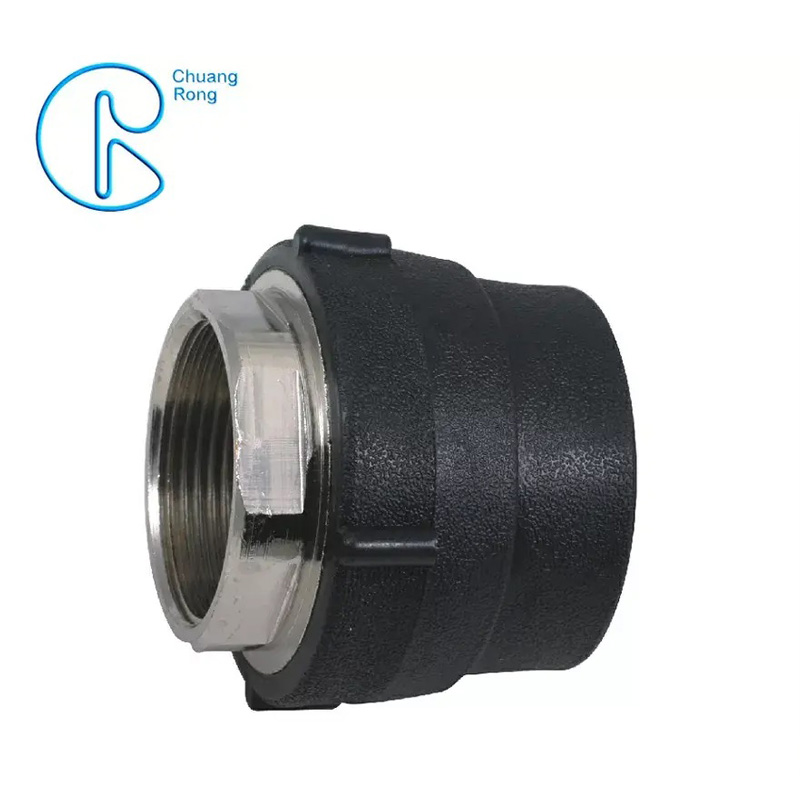
ISO Approved HDPE Socket Fusion Fittings PE100 PN16 SDR11 Socket Female Threaded Adaptor
Get Quote & InfoThe Industrial and Commercial Status of Pipe Connector Machines in Algeria
Algeria, as the largest country in Africa by landmass, is currently undergoing a monumental shift in its municipal, agricultural, and industrial infrastructure. The Algerian government's sustained investments in public works, water distribution networks, and the oil and gas sector have directly triggered a massive demand for robust piping systems. Among these systems, high-density polyethylene (HDPE) and polypropylene (PP) pipes have emerged as the preferred materials due to their corrosion resistance, flexibility, and durability. However, the integrity of any piping network relies heavily on its joints. Consequently, the market for pipe connector machines—including butt fusion machines, electrofusion systems, and socket fusion tools—has witnessed exponential growth.
Historically, Algeria relied heavily on imported technical expertise and machinery for pipeline installations. Today, the focus is shifting toward domestic empowerment. Local contractors, municipal water authorities (such as L'Algérienne des Eaux - ADE), and gas distribution giants (like Sonelgaz) are actively seeking reliable, high-performance pipe connector machine manufacturers. The goal is to acquire machinery that can withstand the harsh climatic conditions of the Algerian Sahara while maintaining precise, standardized welding outputs. Manufacturers who can provide not only the machinery but also comprehensive technical support, certification, and localized quotes are gaining significant competitive advantages in the Algerian market.
With the Algerian government prioritizing water security through massive seawater desalination plants and extensive regional water transfer projects, the demand for secure, leak-free pipe connections has never been higher. High-quality pipe welding machines are now considered critical national assets for municipal development.
Emerging Trends in the Algerian Piping and Fusion Machine Industry
The piping industry in Algeria is transitioning from traditional mechanical jointing to advanced thermal fusion technologies. This shift is driven by the need to minimize water loss (which remains a key challenge in municipal grids) and ensure absolute containment in natural gas networks. Several key trends are shaping the future of pipe connector machines in the country:
- Automation and Data Logging: Modern projects in Algeria increasingly mandate the use of CNC-controlled butt fusion machines and electrofusion processors equipped with data-logging capabilities. This technology records welding parameters (temperature, pressure, time) to ensure compliance with international standards like ISO 12176, allowing project managers to verify every joint's quality.
- Adaptability to Extreme Environments: Algeria's diverse geography—ranging from Mediterranean coastal zones to the hyper-arid Sahara Desert—demands machinery that can operate under extreme ambient temperatures. Manufacturers are now designing machines with advanced cooling systems and dust-proof enclosures.
- Shift Toward Polyethylene (PE100): The transition from PE80 to PE100 materials for high-pressure water and gas applications requires machines capable of managing higher clamping forces and precise heating cycles.
- Local Training and Certification: There is a growing demand for manufacturer-backed training programs. Algerian contractors prefer partners who can certify local operators, ensuring the equipment is used correctly on-site to reduce installation failures.
Localized Application Scenarios in Algeria
1. Municipal Water Distribution & Desalination Pipelines
To combat water scarcity, Algeria has constructed multiple mega seawater desalination plants along its 1,200 km coastline. Transporting desalinated water from the coast to inland cities requires massive HDPE pipelines, often exceeding 1000mm in diameter. Butt fusion machines capable of handling large-diameter pipes (up to 1600mm) are essential for these projects. The joints must withstand high pressures (PN16 and above) and continuous operation, making precise jointing critical to prevent catastrophic line breaks.
2. Natural Gas Distribution Networks (Sonelgaz Initiatives)
Sonelgaz continues to expand its domestic gas distribution network to connect rural and remote communities across the High Plateaus and Southern regions. Because natural gas transport demands zero-leakage tolerance, electrofusion fittings and high-precision electrofusion welding machines are standard protocol. The reliability of the pipe connector machine is paramount here, as even a minor joint defect can lead to hazardous gas leaks.
3. Large-Scale Agricultural Irrigation in the Sahara
In southern provinces like Biskra and El Oued, agriculture is thriving due to underground aquifer exploitation. Connecting these vast water resources to pivot irrigation systems requires extensive networks of PP compression fittings and HDPE pipes. Since agricultural projects often operate on tight budgets and in remote locations, contractors rely heavily on portable, manual, or semi-automatic pipe connector machines and easy-to-install PP clamp saddles that do not require continuous electrical power.
4. Mining and Industrial Effluent Management
Algeria's mining sector, including phosphate and iron ore extraction, utilizes HDPE pipelines for slurry transport and acidic wastewater management. The abrasive nature of mining effluents requires robust piping systems. Machined reducing tees, spigot fittings, and specialized pipe repair couplings are frequently deployed to maintain and repair these critical industrial lines.
CHUANGRONG is a shared industry and trade integrated company, established in 2005. We focus on the production of a full range of quality HDPE pipes & fittings (from 20-1600mm, SDR26/SDR21/SDR17/SDR11/SDR9/SDR7.4), and the sale of PP compression fittings, plastic welding machines, pipe tools, and pipe repair clamps, etc.
We own more than 100 sets of pipe production lines and 200 sets of fitting production equipment. Our production capacity reaches more than 100 thousand tons. It mainly contains 6 systems of water, gas, dredging, mining, irrigation, and electricity, spanning more than 20 series and more than 7,000 specifications.
Our products are in line with ISO4427/4437, ASTMD3035, EN12201/1555, DIN8074, AS/NZS4130 standards, and are approved by ISO9001-2015, CE, BV, SGS, and WRAS.
See More About UsAs one of the largest PE pipeline manufacturers in China, CHUANGRONG provides customers with a full range of services from design, production, installation, and maintenance to ensure the long-term stable operation of PE pipeline systems.

Complete Product Line

Related Products & Service

Installation & Maintenance

Design & Customization
Partnering with CHUANGRONG means securing reliability, efficiency, and world-class engineering for your pipelines.

ONE-STOP SOLUTION
CHUANGRONG and its affiliated companies specialize in the R&D, production, sale, and installation of new-type plastic pipes and fittings. We provide perfect, professionally designed, and customized services for your PE pipe systems.

PRODUCTION ON DEMAND
Owning 5 factories, we are one of China's largest plastic piping manufacturers. With 100+ pipe production lines and 200+ fitting production sets, our capacity exceeds 100,000 tons, covering water, gas, dredging, mining, irrigation, and electricity.

COMPLETE CERTIFICATION
We maintain advanced detection equipment to ensure strict quality control from raw materials to finished products. Our products comply with ISO4427/4437, ASTMD3035, EN12201/1555, DIN8074, and AS/NZS4130, and are certified by CE, BV, SGS, and WRAS.

EXCELLENT TEAM
Our team brings rich experience under the principles of Integrity, Professionalism, and Efficiency. We have built strong business relationships in over 80 countries, including the USA, Chile, Saudi Arabia, Indonesia, Russia, and across Africa.
How to Choose the Right Pipe Connector Machine Manufacturer for Algeria
Selecting a manufacturer for pipe connector machines destined for Algerian job sites requires careful evaluation of technical specifications, support structures, and logistics. Here are the core factors local purchasing managers and engineers must consider:
1. Compliance with International Standards
Algeria's major infrastructure projects are strictly regulated. Pipe connector machines must comply with international standards such as ISO and CE. When requesting quotes, verify that the manufacturer can provide certifications for their welding machines, ensuring that they can operate within the parameters required for ISO 4427 (for water) and ISO 4437 (for gas) piping systems.
2. Voltage and Power Grid Compatibility
The standard electrical grid in Algeria operates at 230V/400V at a frequency of 50Hz. Ensure that the pipe connector machines—especially large butt fusion machines that require hydraulic units and heating plates—are configured for these electrical specifications. For remote desert sites, the compatibility of the machines with field generators is a critical factor.
3. Comprehensive Tooling and Accessories
A reliable connection requires more than just the fusion machine. A complete solution includes pipe cutters, scrapers, de-beading tools, and alignment clamps. Choosing a manufacturer like CHUANGRONG, who offers a complete product line from pipes and fittings to the actual welding machinery, ensures component compatibility and simplifies procurement logistics.
4. After-Sales Support and Consumables Availability
Downtime on a pipeline project in regions like Hassi Messaoud or Ouargla can be extremely costly. Buyers should prioritize manufacturers who offer robust warranties, readily available spare parts (such as heating plates, hydraulic seals, and inserts), and remote technical troubleshooting.
Understanding Quotes and Cost Factors in Algeria
When requesting quotes for pipe connector machines in Algeria, it is essential to look beyond the initial purchase price. The total cost of ownership (TCO) includes shipping, customs clearance at Algerian ports (such as Algiers, Oran, or Skikda), import duties, and operational efficiency.
Opting for high-quality machinery reduces the frequency of joint failures, which are incredibly expensive to repair once a pipeline is buried. Furthermore, buying directly from integrated manufacturers who produce both the fittings (such as PP compression fittings and electrofusion couplings) and the jointing machines often yields significant bundle discounts and ensures seamless system integration.
Complete Piping Systems & Connectors Catalog
ISO Approved PP Compression Fitting, Polypropylene Coupling For Water Supply
Get Quote & Info
20 - 315mm PP Compression Fitting PN16 PP Clamp Saddle High Stability
Get Quote & Info
PE100 SDR11 Large Size Machined Reducing Tee - Short Spigot Fittings From Hollow Bar/Billet & Solid Rod
Get Quote & Info
ISO Approved HDPE Socket Fusion Fittings PE100 PN16 SDR11 Socket Female Threaded Adaptor
Get Quote & Info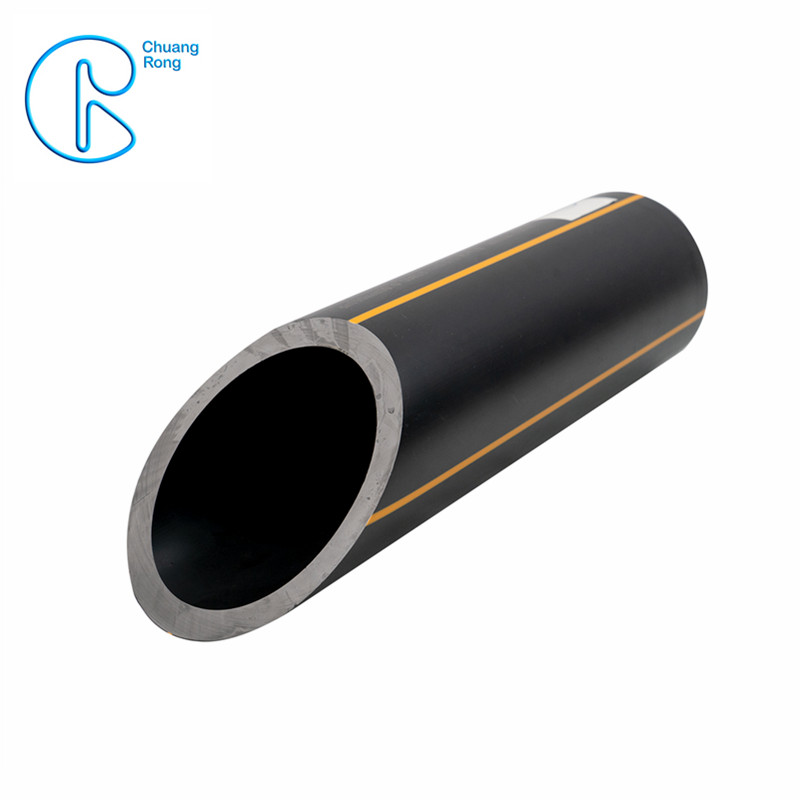
Polythylene PE80 / PE100 / MDPE Pipe For Natural Gas & Oil Pipe System
Get Quote & Info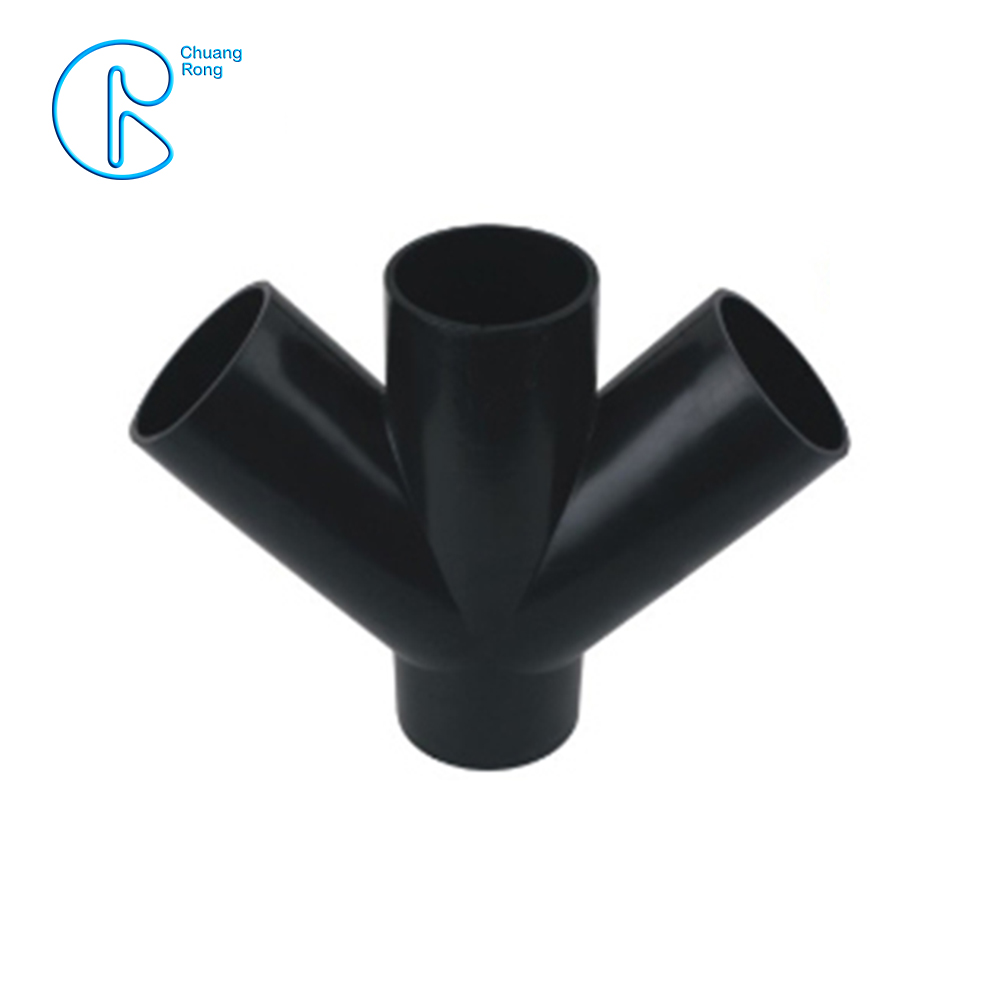
PN6 110mm HDPE Drainage Fittings Siphon Double Y Tee With Injection Technic
Get Quote & Info
Nontoxic Plastic Ppr Bridge Bend Pipe Bend Various Length For Water Supply
Get Quote & Info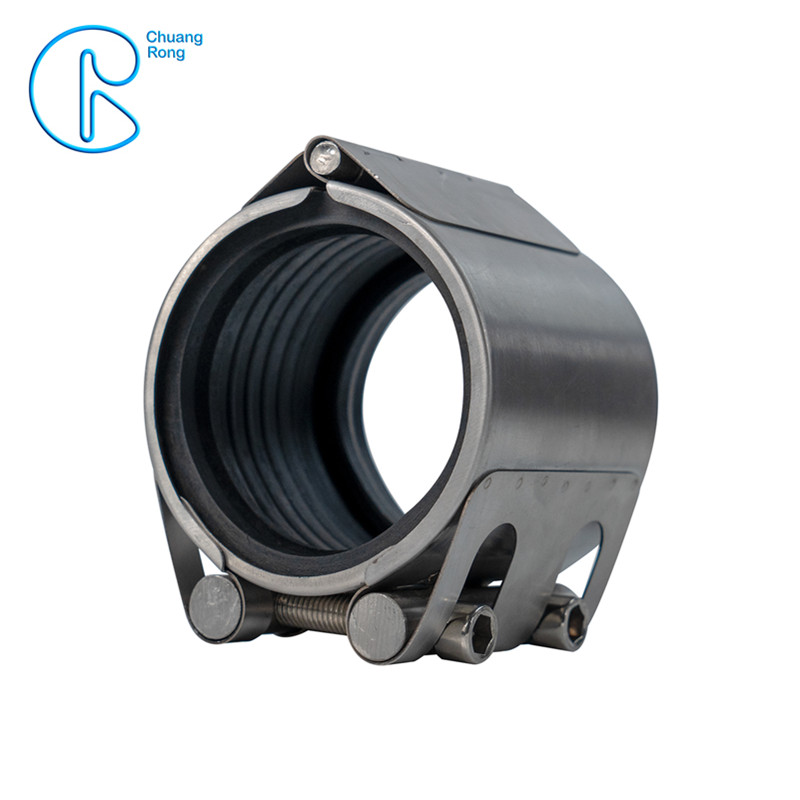
Double-Section Pipe Repair Coupling RCD Used On New Pipelines And Repairing Pipe Leaks
Get Quote & Info
Social Links


Our Company
information
Quick Links
contact us
-
ADD:
Room 911, Building T1, The Ring Center, No.333 Dongda Road, Chengdu, China.
- TEL: 0086-18180897627
- EMAIL: chuangrong@cdchuangrong.com
Hot Products - Sitemap - AMP Mobile
Pe Water Pipe, Hdpe Pipe Fittings, Hdpe Pipe And Fitting, Repair Clamp, Male Adaptor, Hdpe Pipe Fitting,
-

Phone
-

E-mail
-

Whatsapp
-

Skype
-

Top
