


Featured Geothermal Piping Tools & Components
1. Introduction to Geothermal Heating and the Role of HDPE Pipes
As the global community accelerates its transition away from fossil fuels, geothermal energy has emerged as a cornerstone of sustainable building design and district energy infrastructure. Geothermal heating and cooling systems, also known as ground-source heat pump (GSHP) systems, leverage the relatively constant temperature of the earth to provide highly efficient space heating, air conditioning, and domestic hot water. Unlike conventional HVAC systems that generate heat through combustion or electrical resistance, geothermal systems simply transfer heat to and from the earth.
At the heart of any closed-loop geothermal system lies the ground heat exchanger—a network of pipes buried deep underground. The efficiency, safety, and longevity of the entire geothermal system depend directly on the structural integrity and thermal properties of these pipes. High-Density Polyethylene (HDPE) has established itself as the absolute industry standard for this critical application. Hdpe Underground Pipe For Geothermal Heating Systems offers a unique combination of flexibility, chemical inertness, impact resistance, and seamless jointing capabilities, ensuring that the system operates maintenance-free for over half a century.
According to recent global energy reports, the market for geothermal heat pumps is projected to grow at a CAGR of over 8% through 2032. The demand for high-performance HDPE pipes is scaling proportionally as commercial developers, municipal planners, and residential builders seek to reduce carbon footprints and achieve net-zero building certifications.
2. Global Market Dynamics: Commercial and Industrial Landscape
The commercial and industrial landscape for geothermal heating systems is undergoing a profound transformation. Globally, governments are enacting strict building decarbonization mandates and offering lucrative tax incentives, such as the Investment Tax Credit (ITC) in the United States and the European Green Deal initiatives. These policies make ground-source heat pumps financially attractive for large-scale projects, including university campuses, corporate headquarters, high-density residential complexes, and industrial manufacturing plants.
In large-scale commercial installations, district heating networks are increasingly utilizing geothermal energy. These networks require miles of large-diameter underground piping to distribute thermal energy from centralized borehole fields to multiple buildings. HDPE pipes, ranging from SDR11 to SDR17, are selected for these massive district loops due to their ability to withstand high soil loads, ground movement, and hydraulic pressures without cracking or leaking.
Furthermore, industrial facilities are integrating geothermal loops to manage process heat. The chemical resistance of HDPE makes it ideal for industrial environments where the surrounding soil may be contaminated or where the heat transfer fluid contains corrosion inhibitors or glycol. The durability of HDPE under these harsh conditions ensures that the upfront capital investment in geothermal infrastructure is protected for generations.
3. Deep-Dive: Why HDPE is the Superior Choice for Geothermal Systems
To understand why HDPE is the gold standard for geothermal installations, one must examine its material science properties. Geothermal piping must endure extreme physical stresses during installation and operation. It is subjected to high external pressures from soil backfill and groundwater, internal pressures from circulating fluids, and thermal stresses from temperature fluctuations.
Thermal Efficiency and Heat Transfer
While metals like copper and steel have higher thermal conductivity than plastics, they are completely unsuitable for direct burial in geothermal applications due to corrosion and cost. HDPE strikes the perfect balance between thermal performance and structural durability. The wall thickness of HDPE pipes, determined by their Standard Dimension Ratio (SDR), is engineered to optimize heat transfer between the circulating fluid and the surrounding soil while maintaining the necessary pressure rating. Modern advancements in polymer technology have also led to the development of thermally enhanced HDPE resins, which incorporate conductive additives to further improve heat exchange efficiency.
Exceptional Durability and Lifespan
HDPE is inherently ductile and flexible. This flexibility allows the pipe to bend without breaking, accommodating soil settlement, seismic activity, and the directional changes required during horizontal loop installation. Unlike rigid pipe materials that can crack under localized stress, HDPE distributes loads evenly. Under normal operating pressures and temperatures, HDPE geothermal pipes have a design life exceeding 50 to 100 years, making them a permanent asset once buried.
Corrosion and Chemical Resistance
Underground environments can be highly corrosive. Acidic soils, high moisture content, and stray electrical currents can rapidly degrade metal pipes. HDPE is completely immune to biological attack, rust, rot, and chemical corrosion. It does not support the growth of algae, bacteria, or fungi, ensuring that the internal flow characteristics remain clean and efficient over decades of continuous circulation.
Leak-Free Joint Integrity
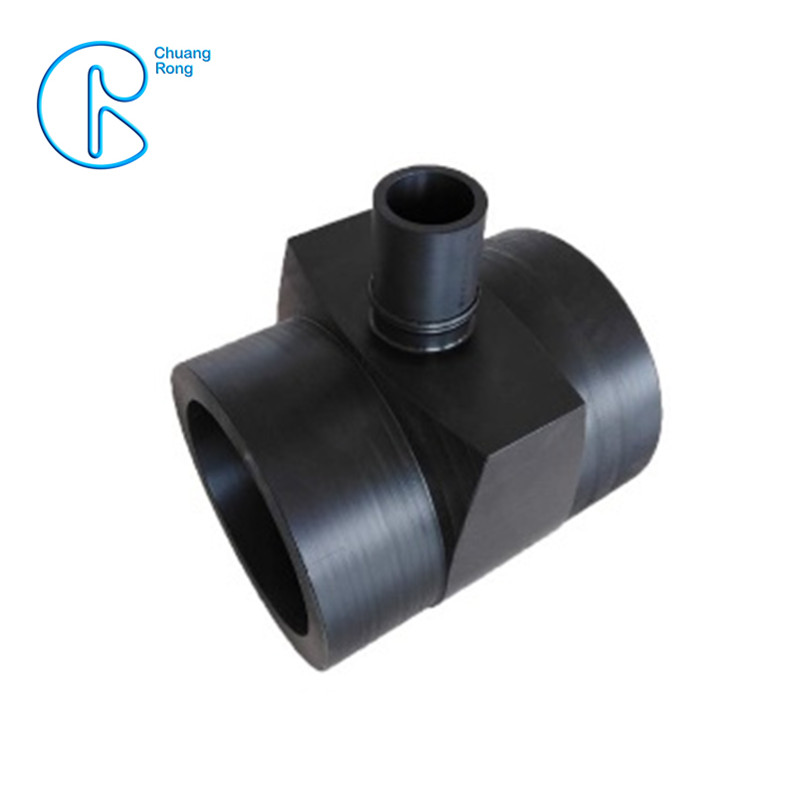
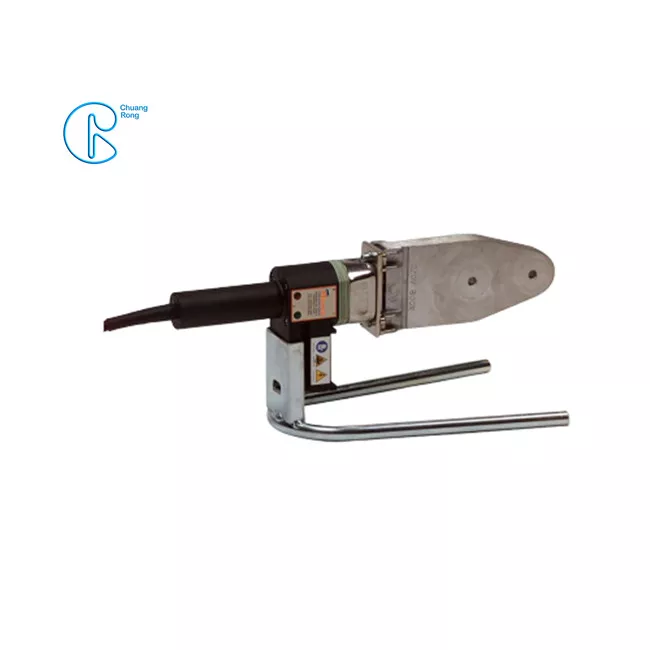
The most vulnerable point in any piping system is the joint. In geothermal systems, where pipes are buried under concrete slabs or deep in boreholes, a leak can be catastrophic and prohibitively expensive to repair. HDPE resolves this vulnerability through heat fusion technology. Using butt fusion, electrofusion, or socket fusion, HDPE pipes are welded together to form a single, continuous, monolithic structure. The fused joint is chemically and physically identical to the pipe itself, and is actually stronger than the pipe in tensile and pressure tests. This eliminates the risk of joint separation or leakage.
4. Comprehensive Analysis of Geothermal Loop Configurations
Geothermal heating systems are highly adaptable, with several loop configurations designed to match the geological, spatial, and thermal requirements of different projects. HDPE pipes perform exceptionally well in all configurations.
Vertical Loop Systems
Vertical loops are the preferred choice for projects with limited surface area, such as urban office buildings, schools, and retrofitted residential properties. In a vertical system, a drilling rig bores holes ranging from 100 to 500 feet deep. A U-bend assembly made of HDPE pipe is inserted into the borehole, which is then filled with thermally conductive grout. Because of the extreme depths and hydrostatic pressure, vertical loops typically require high-strength HDPE pipes (such as PE100 SDR11) to prevent collapse during the grouting process and to withstand the long-term hydraulic head.
Horizontal Loop Systems
Where land is abundant, horizontal loops offer a highly cost-effective installation method. Trenches are excavated to a depth of 4 to 8 feet, and HDPE pipes are laid out in flat runs or looped configurations (often called "slinky" loops). Horizontal installations are highly dependent on the flexibility of HDPE, as the pipes must be coiled and laid in tight radii within the trenches. This configuration is widely used in suburban residential developments, agricultural facilities, and sprawling industrial parks.
Surface Water (Pond/Lake) Loops
If a sufficiently large and deep body of water is located near the building, a surface water loop can be deployed. HDPE pipes are coiled, anchored to the bottom of the lake or pond, and connected to the heat pump. The water acts as an excellent heat transfer medium. In this scenario, the chemical inertness of HDPE is crucial, as it will not release any harmful substances into the aquatic ecosystem, nor will it degrade from prolonged exposure to freshwater or marine environments.
District Geothermal Energy Networks
Also known as 5th Generation District Heating and Cooling (5GDHC) networks, these systems connect multiple buildings to a shared geothermal resource. These networks rely on large-diameter HDPE distribution mains to transport ambient temperature water throughout a district. The low thermal loss of HDPE, combined with its ease of installation in congested urban utility corridors, makes it the ideal piping material for modern municipal energy planning.
5. Technical Specifications and Installation Engineering
Successful geothermal installation requires meticulous engineering design and adherence to strict installation standards. The choice of HDPE material grade is critical; PE100 (Polyethylene 100) is the globally preferred material due to its high hydrostatic strength and resistance to slow crack growth.
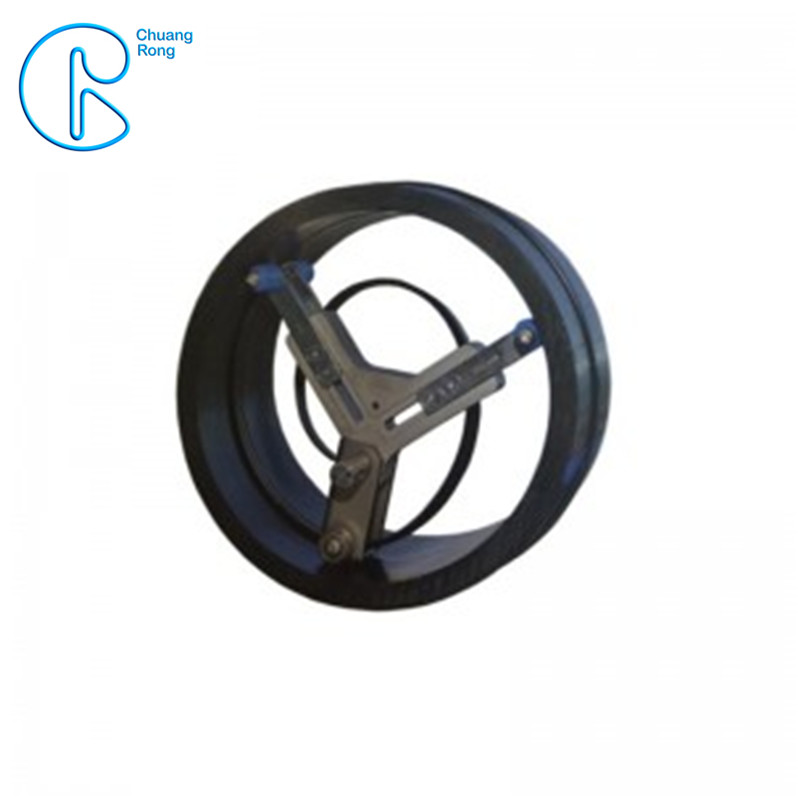
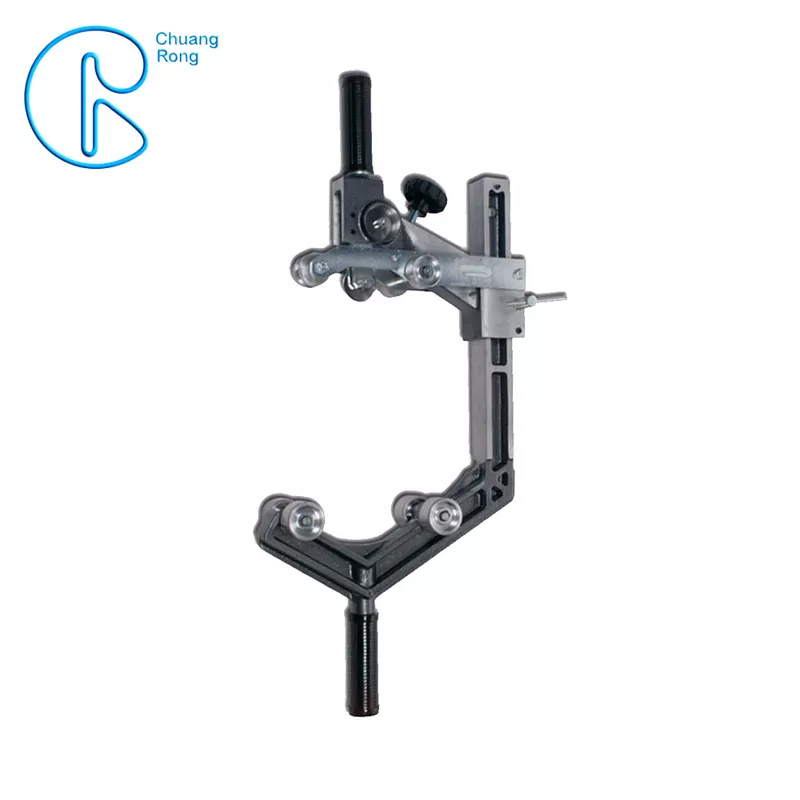
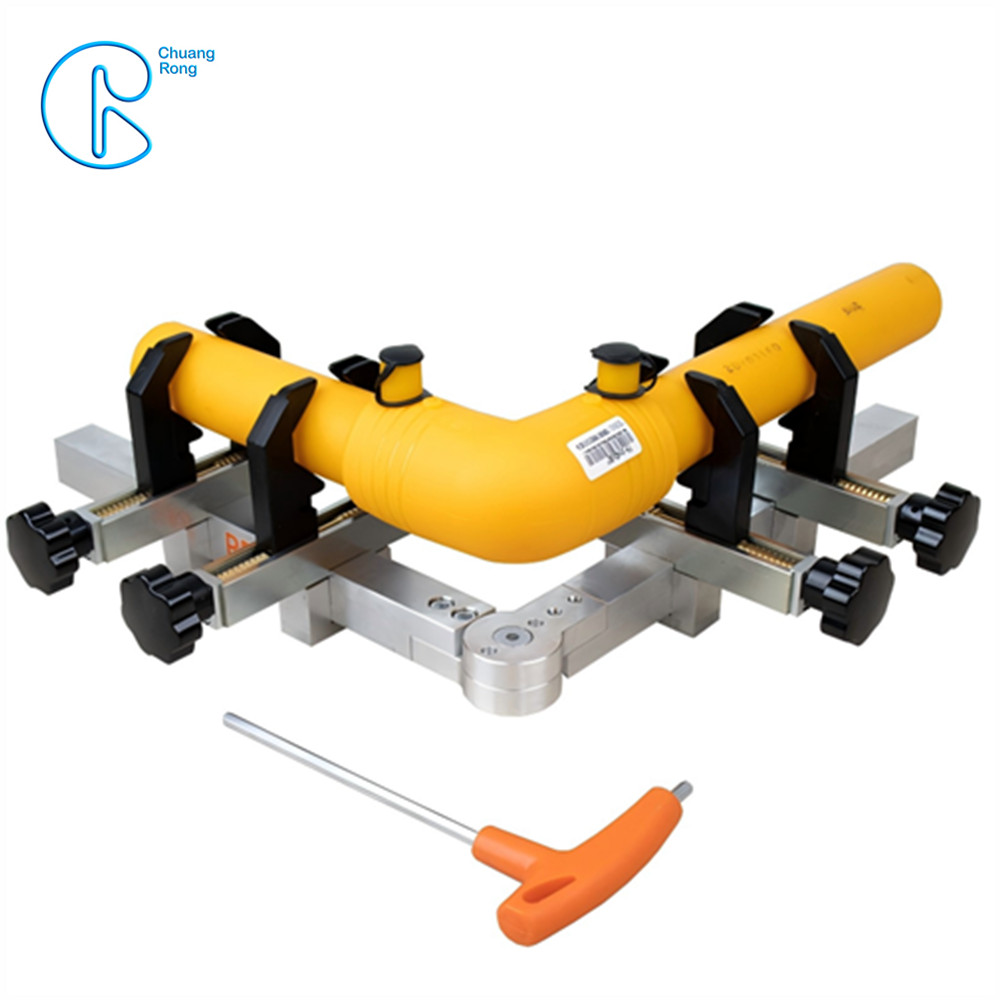
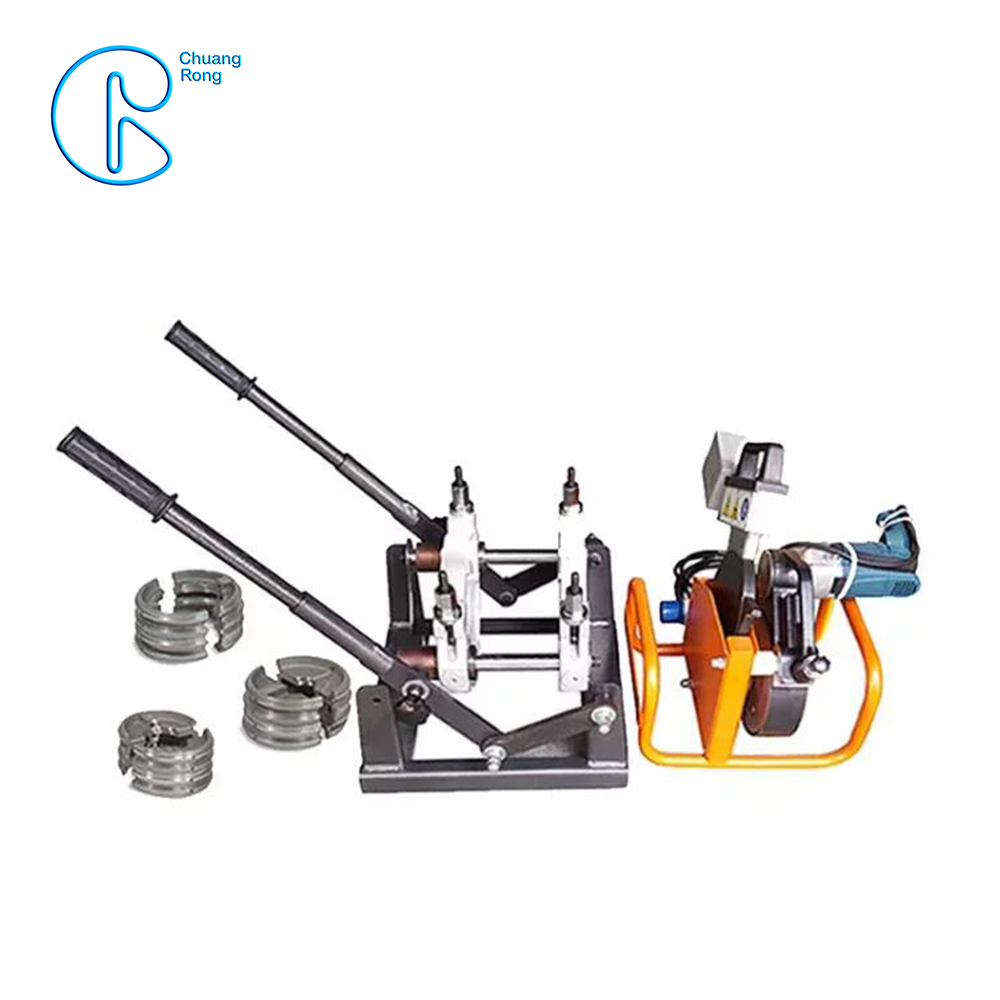
During installation, proper pipe preparation is vital. Tools such as internal and external debeaders, pipe cutters, and professional aligners must be used to ensure that the pipe ends are perfectly clean, square, and aligned before fusion. Any contamination or misalignment during the welding process can compromise the integrity of the joint. Furthermore, pressure testing the loop before backfilling or grouting is a standard quality control measure to verify that the system is 100% leak-free.
6. Future Trends: Smart Geothermal Pipes and Enhanced Polymers
The future of geothermal piping is closely tied to materials science innovation. Researchers are currently developing HDPE composites with integrated fiber-optic sensors. These "smart pipes" can monitor temperature profiles, pressure drops, and strain along the entire length of the loop in real-time. This allows system operators to optimize heat pump performance and detect potential issues long before they cause system failure.
Additionally, the industry is moving towards the adoption of PE100-RC (Resistance to Crack) resins. These materials offer outstanding resistance to point loads and slow crack growth, allowing for trenchless installation methods like horizontal directional drilling (HDD) without the need for protective sand bedding. This significantly reduces installation time, cost, and environmental disruption, further paving the way for geothermal heating to become the dominant global heating technology.
One-Stop Solution for Plastic Piping Systems
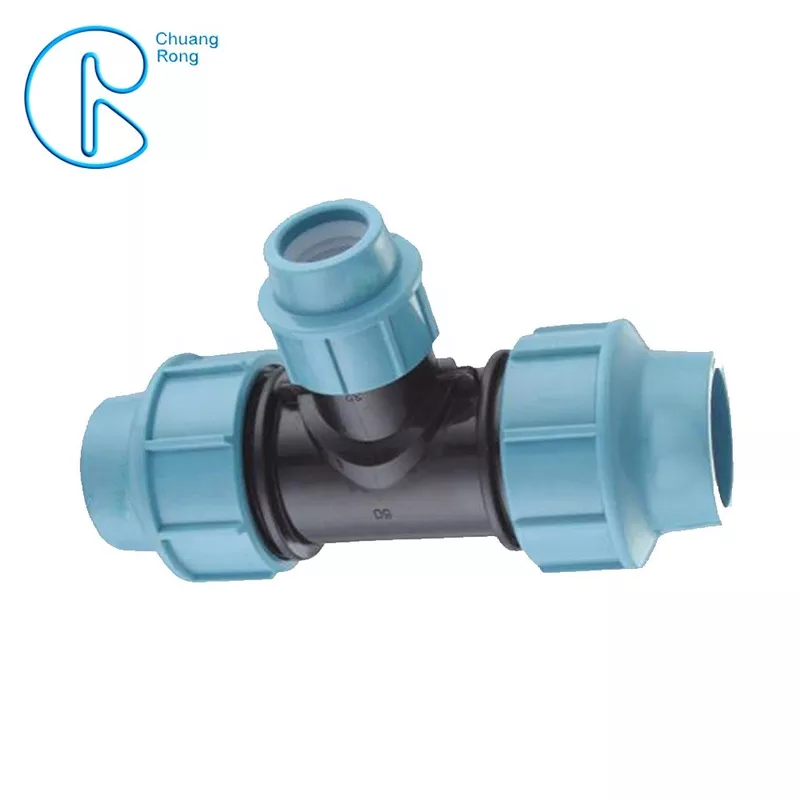
CHUANGRONG is a shared industry and trade integrated company, established in 2005. We focus on the production of a full range of quality HDPE pipes & fittings (from 20-1600mm, SDR26/SDR21/SDR17/SDR11/SDR9/SDR7.4), and the sale of PP compression fittings, plastic welding machines, pipe tools, and pipe repair clamps, etc.
We own more than 100 sets of pipe production lines and 200 sets of fitting production equipment. Our production capacity reaches more than 100 thousand tons. It mainly contains 6 systems of water, gas, dredging, mining, irrigation, and electricity, covering more than 20 series and more than 7000 specifications.
Our products are in line with ISO4427/4437, ASTM D3035, EN12201/1555, DIN8074, and AS/NZS 4130 standards, and are approved by ISO9001-2015, CE, BV, SGS, and WRAS.
See More About UsOur One-Stop Supplies & Solutions
As one of the largest PE pipeline manufacturers in China, CHUANGRONG provides customers with a full range of services from design, production, installation, and maintenance to ensure the long-term stable operation of PE pipeline systems.

Complete Product Line

Related Products & Service

Installation & Maintenance

Design & Customization

Technical Support
Why Choose CHUANGRONG

One-Stop Solution

Production On Demand

Certification Complete

Excellent Team
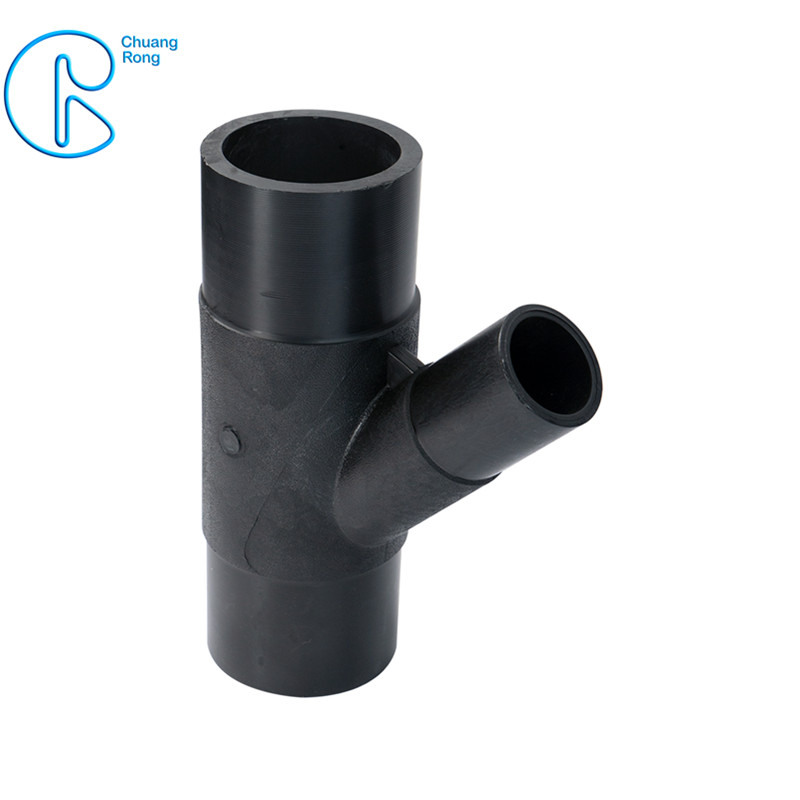
Complete Geothermal System Equipment & Fittings

Social Links


Our Company
information
Quick Links
contact us
-
ADD:
Room 911, Building T1, The Ring Center, No.333 Dongda Road, Chengdu, China.
- TEL: 0086-18180897627
- EMAIL: chuangrong@cdchuangrong.com
Hot Products - Sitemap - AMP Mobile
Pe Water Pipe, Hdpe Pipe Fittings, Hdpe Pipe And Fitting, Repair Clamp, Male Adaptor, Hdpe Pipe Fitting,
-

Phone
-

E-mail
-

Whatsapp
-

Skype
-

Top
