


Featured Geothermal Piping Components
High-performance piping solutions engineered to withstand extreme thermal stresses and maintain maximum hydraulic efficiency.
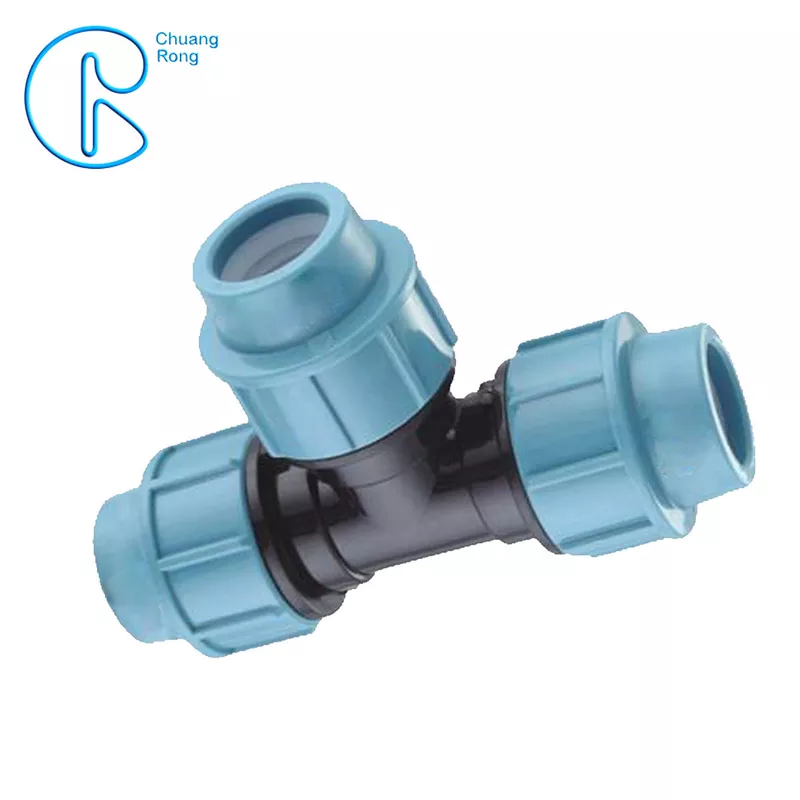
High-Density PP Fitting Tee (20-110mm) for Geothermal Connection & Irrigation Loops
View Details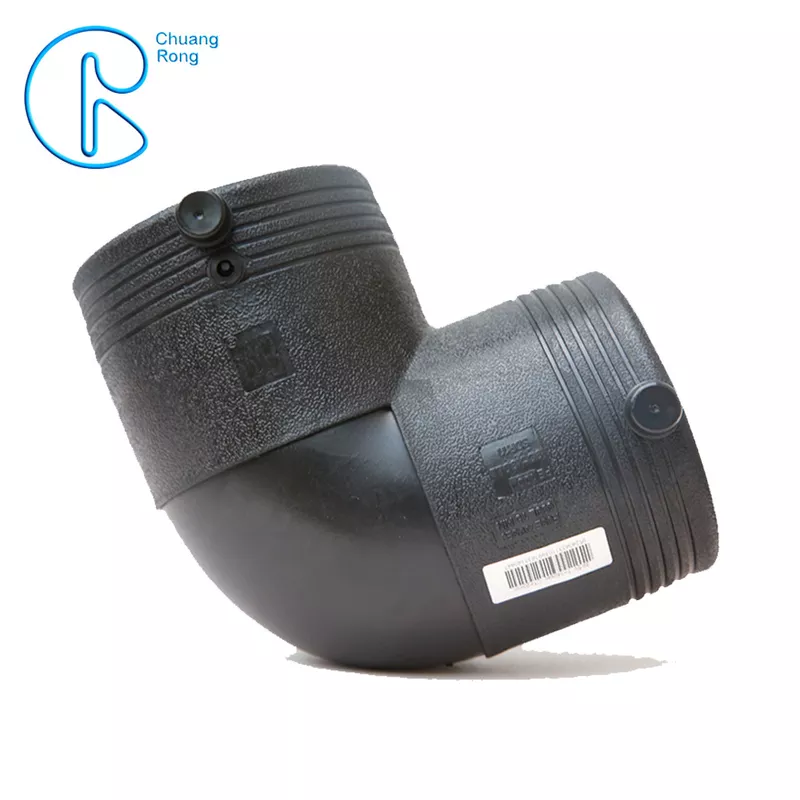
PN16 SDR11 PE100 90 Degree Electrofusion HDPE Elbow for Geothermal Ground Loops
View Details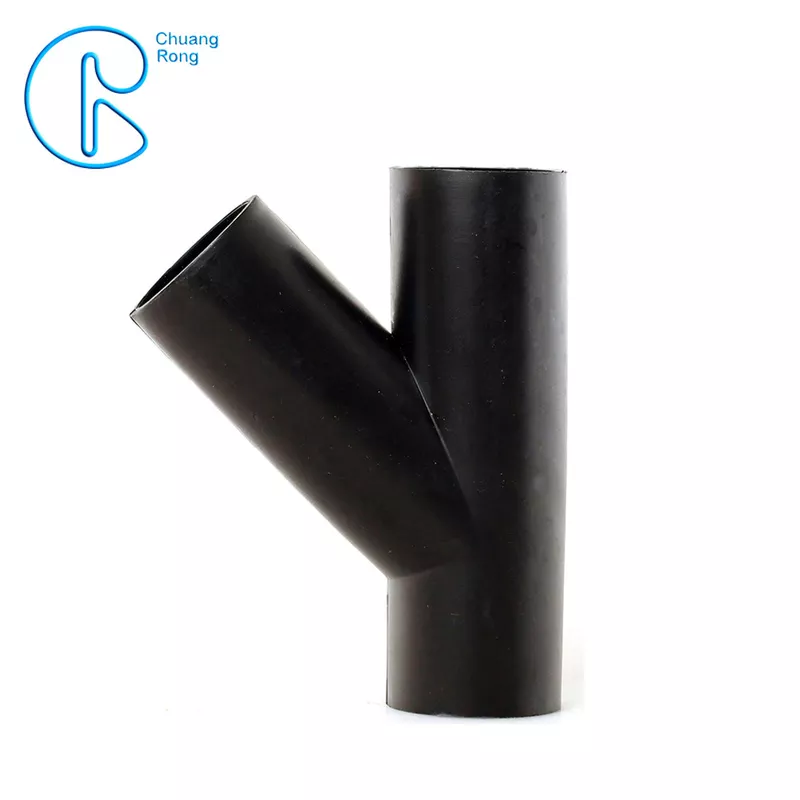
Butt-Fusion HDPE Y-Tee (45 Degree PN6 PE100) for Geothermal Drainage & Siphon Piping
View Details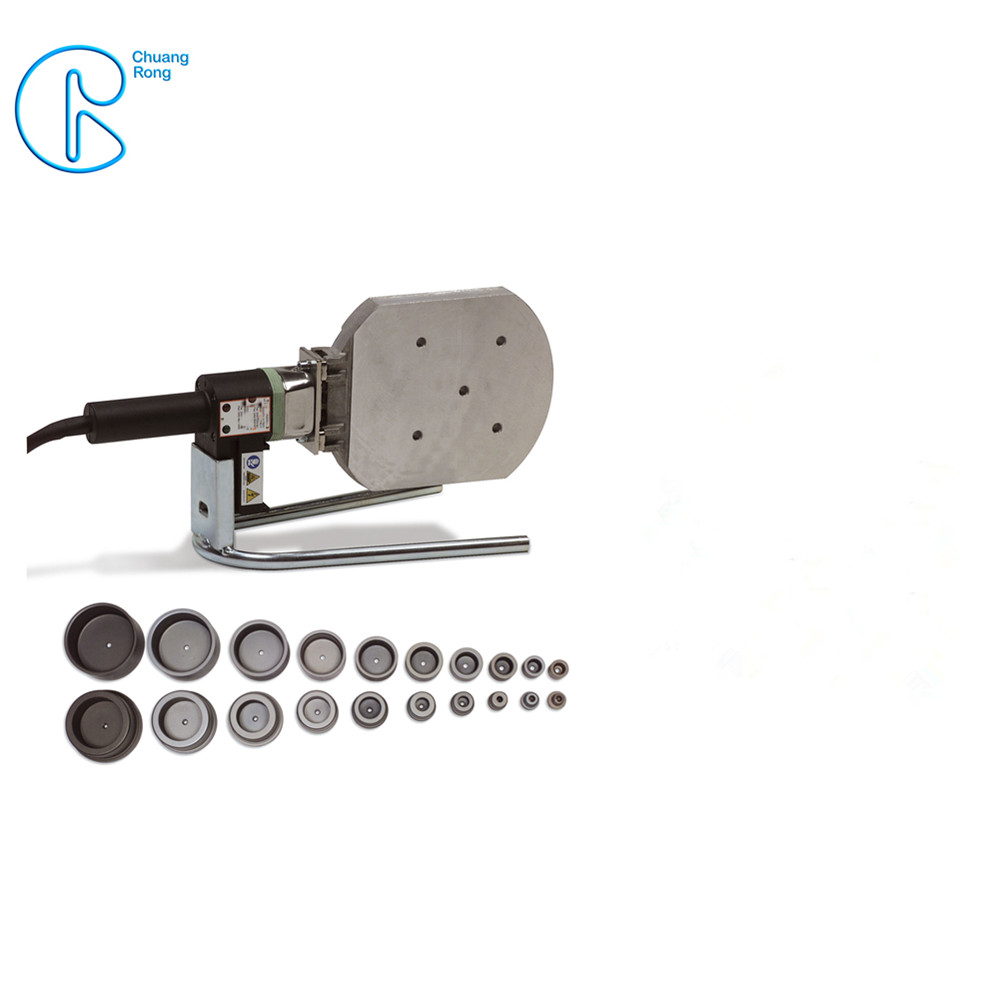
CRJQ-110mm Handheld Socket Fusion Machine for Geothermal PPR & HDPE Pipe Connections
View DetailsThe Critical Role of Eccentric Reducer HDPE in Geothermal Heating Infrastructure
Geothermal heating systems represent the vanguard of sustainable, low-carbon HVAC technology. By leveraging the constant temperature of the earth, these systems provide highly efficient heating and cooling for residential, commercial, and industrial facilities. However, the efficiency of a ground-source heat pump (GSHP) or district geothermal network is heavily dependent on the integrity and hydraulic design of its underground piping network. Among the various specialized components used in these systems, the Eccentric Reducer HDPE (High-Density Polyethylene) stands out as a critical element for flow optimization, system safety, and long-term reliability.
An eccentric reducer is a fitting used to connect pipes of different diameters. Unlike concentric reducers, which align the centerlines of both pipes, an eccentric reducer features an offset design where one side remains flat. In horizontal piping installations—which constitute the vast majority of geothermal header systems and distribution manifolds—maintaining a flat top or bottom alignment is crucial. Using an eccentric reducer prevents the accumulation of air pockets at high points and ensures smooth condensate or fluid drainage, mitigating the risk of cavitation and thermal performance degradation.
High-Density Polyethylene (HDPE) PE100 is widely recognized as the industry standard for geothermal applications. Its exceptional resistance to corrosion, chemical degradation, and physical stress, combined with its flexibility and leak-free heat fusion joints, makes it uniquely suited for burial depths exceeding several meters and service lifetimes spanning over 50 years.
Commercial & Industrial Landscape of Geothermal Piping
The global transition toward carbon neutrality has accelerated the adoption of geothermal heating systems across commercial and industrial sectors. Governments worldwide are implementing strict building codes and offering lucrative incentives—such as the United States' Inflation Reduction Act (IRA) and the European Union's Green Deal—to encourage the replacement of fossil-fuel boilers with ground-source heat pumps. Consequently, the demand for robust, high-performance geothermal infrastructure components has surged.
In large-scale commercial developments, such as university campuses, airport terminals, and district energy networks, geothermal systems require massive piping networks. These networks transport heat transfer fluids (typically water mixed with eco-friendly antifreeze agents like propylene glycol) across kilometers of buried loops. Managing fluid dynamics in these complex systems is paramount. Engineers rely on large-diameter HDPE pipes and precision-engineered fittings, including eccentric reducers, to transition flow rates smoothly between main header pipes and individual boreholes. Proper flow management directly translates to lower pumping costs, minimized system wear, and maximized Coefficient of Performance (COP) for the heat pump units.
One-Stop Solution for Plastic Piping Systems
CHUANGRONG is a shared industry and trade integrated company established in 2005. We focus on the production of a full range of quality HDPE pipes & fittings (ranging from 20mm to 1600mm, with pressure ratings SDR26, SDR21, SDR17, SDR11, SDR9, and SDR7.4), along with the supply of PP compression fittings, plastic welding machines, specialized pipe tools, and repair clamps.
With over 100 sets of advanced pipe production lines and 200 sets of precision injection molding equipment, our annual production capacity exceeds 100,000 tons. Our product ecosystem covers 6 core systems: water supply, natural gas, dredging, mining, agricultural irrigation, and electrical conduits, comprising over 20 product series and 7,000+ unique specifications.
All CHUANGRONG products comply with rigorous international standards, including ISO4427/4437, ASTM D3035, EN12201/1555, DIN8074, and AS/NZS 4130, and carry certifications from ISO9001-2015, CE, BV, SGS, and WRAS.
Deep-Dive Application Scenarios of Eccentric Reducers in Geothermal Loops
To fully appreciate the necessity of eccentric reducers in geothermal systems, it is essential to explore their specific deployment scenarios within various loop configurations:
1. Horizontal Ground Loops and Trenching
Horizontal ground loops are common where land area is abundant. In these installations, pipes are laid in horizontal trenches at depths ranging from 1.5 to 3 meters. Because the ground level may fluctuate slightly and trenches are rarely perfectly flat, air trapping is a constant risk. When transitioning from smaller collector pipes to larger header pipes, utilizing a concentric reducer creates a step on both the top and bottom of the pipe interior, trapping air at the top. An eccentric reducer HDPE installed with the flat side up ensures that air bubbles flow freely along the crown of the pipe back to the manifold location, where they can be safely purged via automatic air vent valves.
2. Header Manifolds in Vertical Borehole Fields
For commercial buildings, vertical closed-loop systems are often preferred due to space constraints. Dozens or hundreds of boreholes are drilled, each containing a U-tube loop. These loops feed into a central horizontal header pipe that carries the thermal fluid to the mechanical room. As the header pipe collects fluid from successive loops, its diameter must increase to handle the rising volume. Eccentric reducers are used at each diameter change. By maintaining a flat bottom alignment, the pipe can rest evenly on the trench bed, preventing localized stress concentrations and ensuring uniform thermal expansion along the trench floor.
3. District Geothermal Heating Networks
In district heating, geothermal energy is distributed from a central generation plant to multiple residential and commercial buildings. The distribution pipes carry hot water under pressure. Changes in pipe sizing are frequent as the network branches out to individual properties. In these industrial-scale operations, eccentric reducers prevent turbulent flow at transition zones. Turbulence increases friction losses, which forces circulation pumps to work harder and consume more electricity. By providing a smooth, streamlined transition, eccentric reducers help optimize the hydraulic efficiency of the entire district network.
One-Stop Supplies & Solutions
As a leading PE pipeline manufacturer in China, CHUANGRONG offers end-to-end services including design, manufacturing, installation support, and maintenance.

Complete Product Line
We offer PE pipes, butt fusion fittings, electrofusion fittings, socket fittings, siphon drainage systems, valves, and transition fittings to cover all geothermal project requirements.
See More
Related Equipment & Services
We supply PE pipe extrusion lines, injection molding machinery, CNC lathes, workshop fitting machines, testing equipment, and chillers for comprehensive quality control.
See More
Installation & Maintenance
Our technical teams provide support from construction to commissioning, utilizing butt fusion and electrofusion techniques to guarantee leak-free joints.
See More
Design & Customization
Our engineering team designs pipeline systems that minimize pressure loss and optimize layout. We also develop custom molds to meet unique client specifications.
See MoreWhy Choose CHUANGRONG
Partner with a global leader in high-density polyethylene piping systems, serving projects in over 80 countries.

One-Stop Solution
R&D, production, sales, and installation support for new-type plastic pipes and fittings, tailored to your geothermal project.

Production on Demand
5 modern factories, 100+ pipe production lines, and 200+ fitting production units deliver over 100,000 tons of capacity annually.

Certification Complete
Strict quality control compliant with ISO4427/4437, ASTM D3035, EN12201, and approved by CE, BV, SGS, and WRAS.

Excellent Team
Experienced professionals operating with integrity and efficiency across the US, Chile, UAE, Saudi Arabia, Indonesia, and beyond.
Technical Advantages of HDPE PE100 for Geothermal Reducers
Selecting the correct material grade is vital for geothermal piping buried deep underground. PE100 (Polyethylene 100) represents the third generation of pipe-grade HDPE and offers several key advantages over alternative materials like PVC, steel, or copper:
- High Crack Propagation Resistance: Geothermal pipes are subjected to external soil loads, rocks, and thermal expansion forces. PE100 has excellent resistance to Rapid Crack Propagation (RCP) and Slow Crack Growth (SCG), preventing premature failures.
- Optimal Elasticity and Flexibility: Soil movement, seismic activity, and temperature-induced contractions can cause rigid pipes to crack. HDPE is flexible enough to bend with the earth, absorbing stresses without joint damage.
- Thermal Conductivity: While HDPE acts as an insulator compared to metal, its thermal conductivity is optimized for geothermal loop efficiency when combined with thin-walled SDR11 or SDR17 profiles, allowing efficient heat exchange between the fluid and the surrounding ground.
- Zero Corrosion and Scaling: Geothermal fluids can contain minerals that cause scaling or corrosion in metal pipes. HDPE is chemically inert, maintaining a smooth internal surface (Hazen-Williams C factor of 150) that prevents scaling and keeps pumping energy low over the system's life.
Designing Geothermal Systems with Eccentric Reducers: Engineering Considerations
When designing a piping network for a geothermal heat pump system, engineers must perform precise hydraulic calculations. Standard concentric reducers can cause sudden changes in flow velocity and pressure, leading to turbulence. By using an eccentric reducer HDPE, the flow transition is more gradual along the sloping side, while the flat side maintains a continuous alignment with the adjacent piping. This design choice is critical in horizontal layouts to prevent the accumulation of air pockets, which can act as blockages, reduce heat transfer efficiency, and potentially damage circulating pumps through cavitation.
Furthermore, joining methods are crucial. HDPE allows for heat fusion, creating a monolithic joint that is stronger than the pipe itself. For eccentric reducers, butt fusion and electrofusion are the primary methods used. Butt fusion is highly cost-effective for larger diameters, whereas electrofusion provides excellent control in tight trenches where maneuvering heavy equipment is difficult. High-quality fittings with precise dimensional tolerances are necessary to ensure uniform heating during the fusion process, preventing weak points that could leak under long-term thermal cycling.
Future Trends in Geothermal Piping and Infrastructure
The geothermal industry is evolving rapidly, driven by technological innovations and the need for greater efficiency. One prominent trend is the development of thermally enhanced HDPE resins. By incorporating conductive additives, manufacturers aim to increase the thermal conductivity of the pipe wall, allowing for shorter borehole depths and lower installation costs. Additionally, the integration of smart sensors within piping networks is gaining traction. These sensors can monitor temperature profiles, pressure drops, and flow rates in real-time, enabling operators to optimize system performance and detect leaks instantly.
Sustainability is also influencing manufacturing practices. The industry is exploring the use of bio-based or recycled HDPE resins that maintain the mechanical properties of virgin PE100 while reducing the carbon footprint of the production process. As district heating networks expand and integrate with other renewable energy sources, the demand for pre-fabricated header manifolds and custom-engineered fittings will continue to grow, streamlining field installation and ensuring consistent quality.
Our Complete Product Portfolio
Explore our full range of high-performance HDPE fittings, pipes, and welding equipment engineered for geothermal and industrial piping systems.
High-Density PP Fitting Tee (20-110mm) for Geothermal Connection & Irrigation Loops
View Details
PN16 SDR11 PE100 90 Degree Electrofusion HDPE Elbow for Geothermal Ground Loops
View Details
Butt-Fusion HDPE Y-Tee (45 Degree PN6 PE100) for Geothermal Drainage & Siphon Piping
View Details
CRJQ-110mm Handheld Socket Fusion Machine for Geothermal PPR & HDPE Pipe Connections
View Details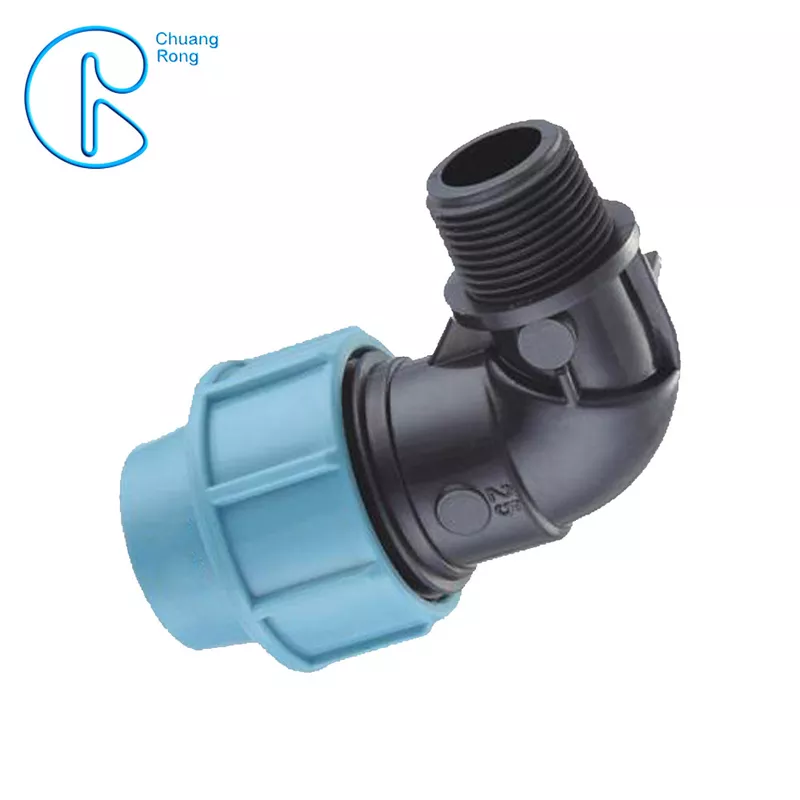
Flexible PP Compression Male Elbow Connectors for Geothermal Collector Manifolds
View Details
1600W Dual-Heating Plastic Welder & Heat Gun for HDPE Geothermal Membrane & Liner Fusion
View Details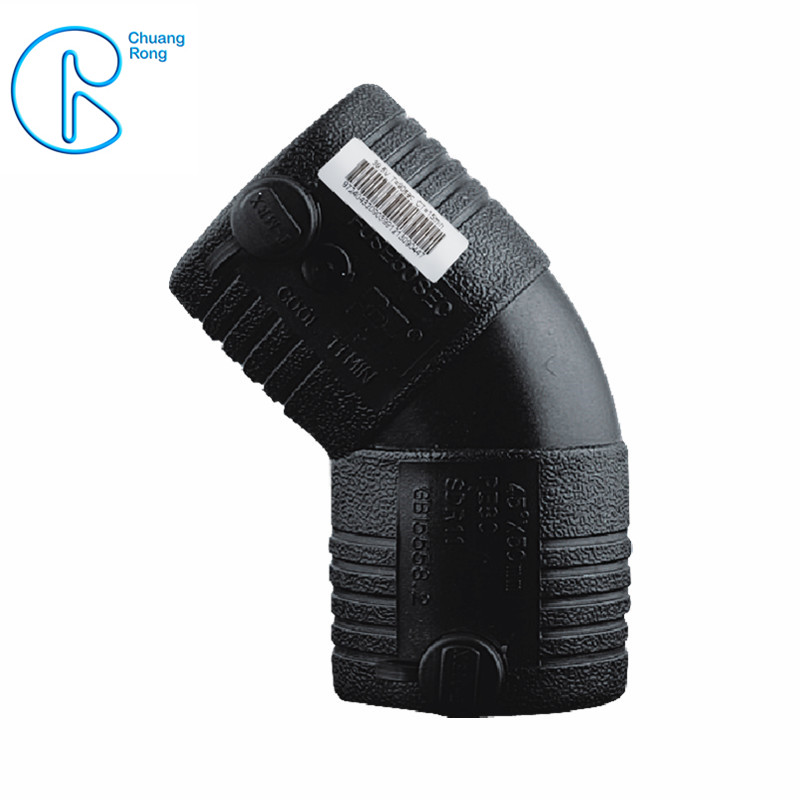
Custom Electrofusion HDPE 45-Degree Elbow for Geothermal Loop Pipe Networks
View Details
High-Pressure PP-RCT Pipe (PN25 SDR6, 20-160mm) for Indoor Geothermal Hot Water Distribution
View Details
Social Links


Our Company
information
Quick Links
contact us
-
ADD:
Room 911, Building T1, The Ring Center, No.333 Dongda Road, Chengdu, China.
- TEL: 0086-18180897627
- EMAIL: chuangrong@cdchuangrong.com
Hot Products - Sitemap - AMP Mobile
Pe Water Pipe, Hdpe Pipe Fittings, Hdpe Pipe And Fitting, Repair Clamp, Male Adaptor, Hdpe Pipe Fitting,
-

Phone
-

E-mail
-

Whatsapp
-

Skype
-

Top
