


Premium Fire Mains Pipe Systems & Tooling
Explore our high-performance segment cross fittings, hydraulic fusion machinery, and advanced PE pipelines engineered for critical fire protection mains.
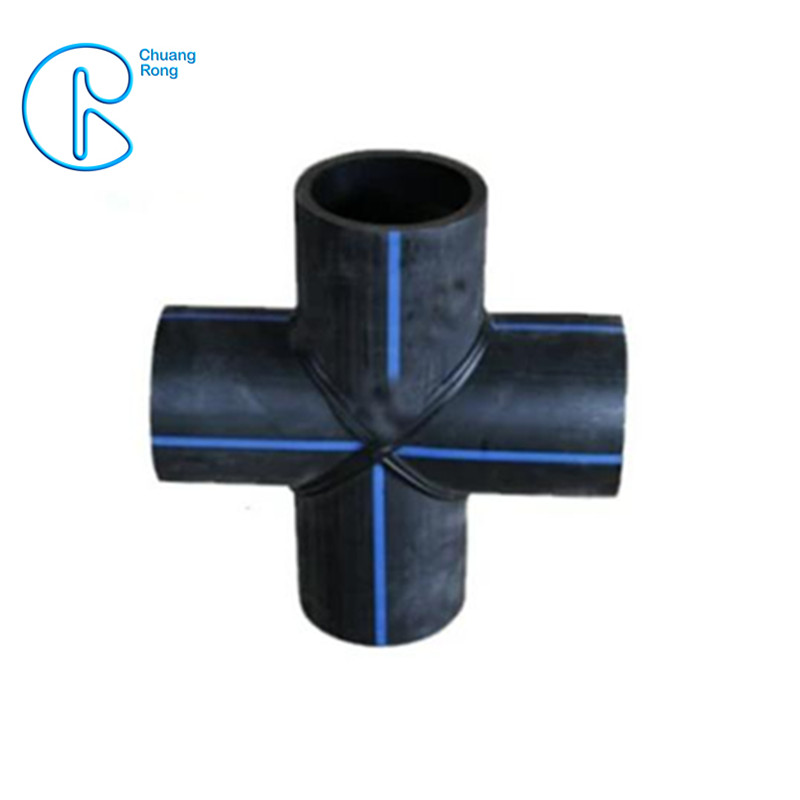
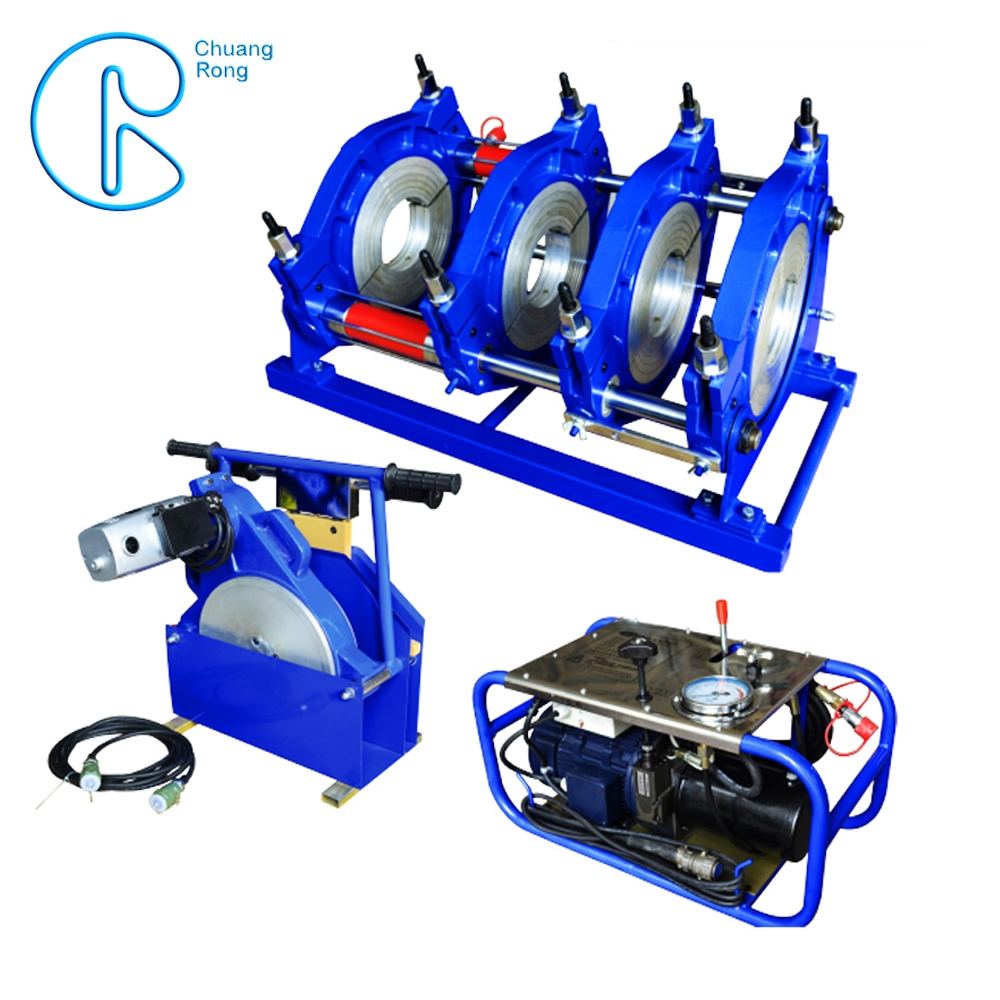
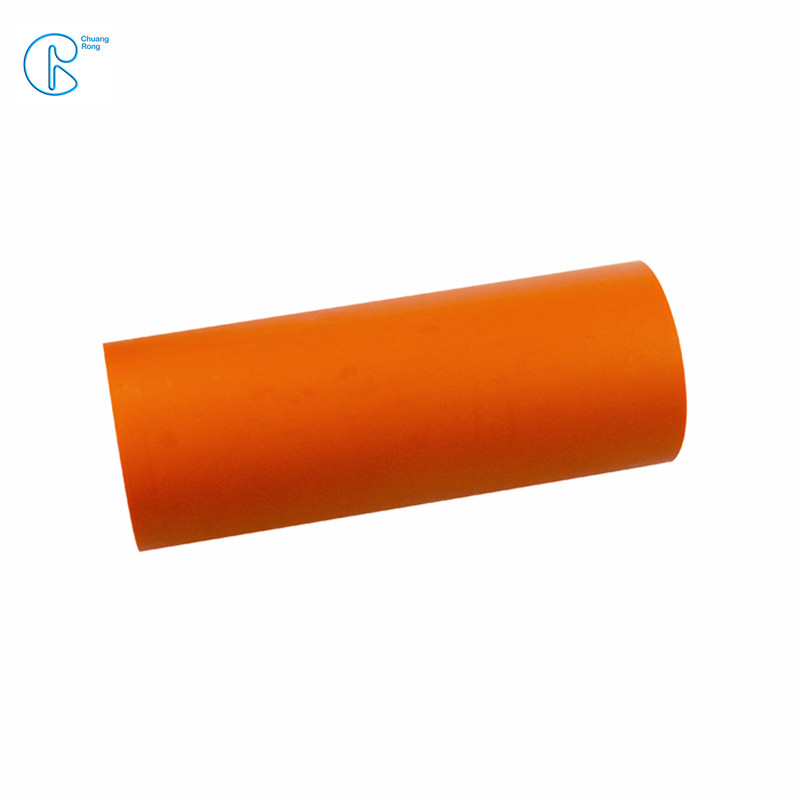
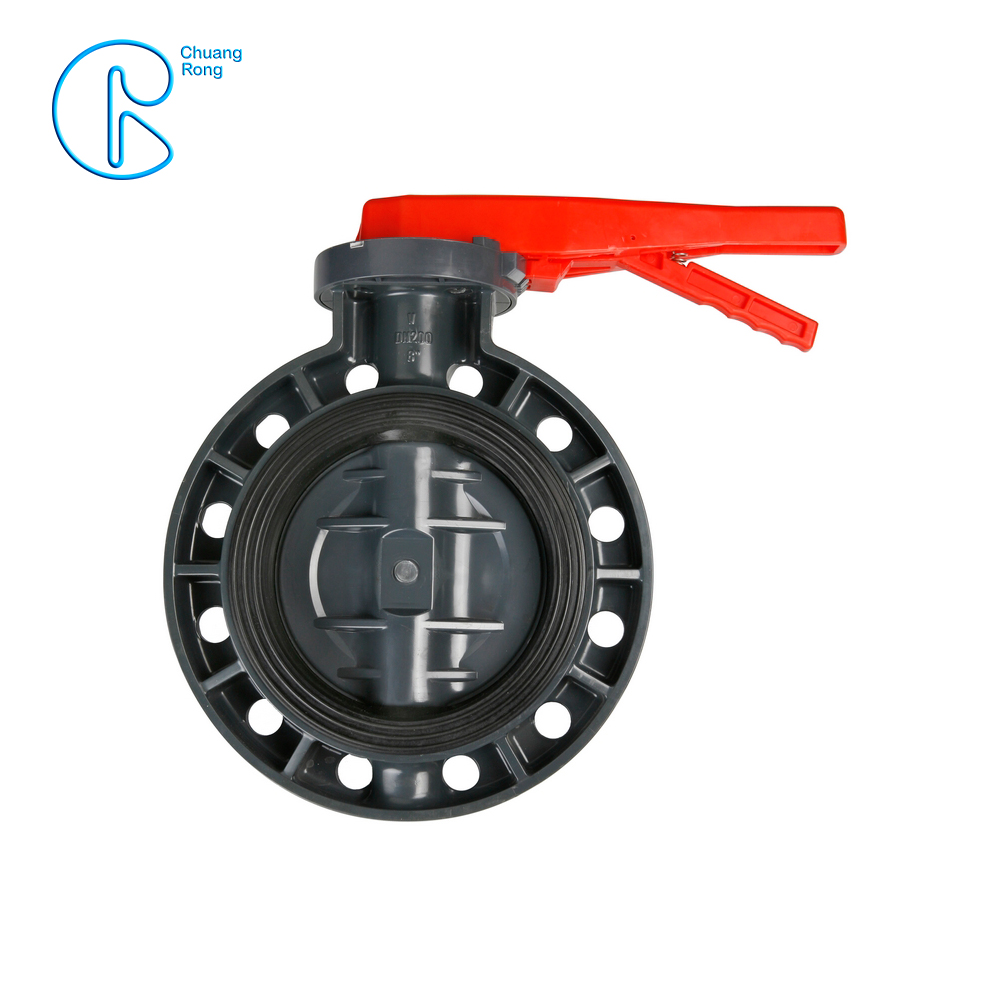
The Critical Role of Compression Clamp Pipe Systems in Modern Fire Protection Mains
Fire protection systems represent the ultimate defense mechanism for industrial complexes, high-rise residential buildings, and municipal infrastructure. Within these configurations, fire protection mains form the primary arteries that supply pressurized water to sprinklers, hydrants, and standpipe systems. The structural integrity, longevity, and response speed of these mains are vital to safeguarding lives and billions of dollars in property assets. In recent decades, the piping industry has transitioned from traditional carbon steel and ductile iron pipes to high-density polyethylene (HDPE) and polypropylene (PP) solutions, utilizing advanced joining mechanisms such as compression clamps and electrofusion.
A compression clamp pipe system for fire protection mains offers a robust, mechanical connection that eliminates the need for hot work, specialized welding permits, and time-consuming installation processes. Designed to handle high-pressure surges (often exceeding PN16 ratings), these specialized systems leverage high-strength elastomeric seals, mechanical grip rings, and heavy-duty clamp bodies to lock the pipe elements together. This structural setup ensures that even during seismic shifts, soil movements, or extreme thermal variations, the joints remain completely leak-proof and structurally sound.
Commercial & Industrial Status of Fire Safety Piping
The global market for fire protection piping is experiencing rapid expansion, driven by stringent building safety codes, municipal updates, and the continuous growth of massive logistical warehouses. Traditionally, metal piping dominated this space. However, metal mains suffer from a major vulnerability: corrosion. Over time, internal oxidation (rust) and microbiological corrosion (MIC) narrow the pipe's interior diameter, drastically reducing water flow rates and clogging fire sprinkler heads. This makes the system unreliable when an emergency arises.
As a result, municipal engineers and industrial safety planners are increasingly specifying HDPE and PP-based systems. These polymer pipes are completely immune to electrochemical corrosion and scale buildup. When combined with heavy-duty compression clamp fittings and electrofusion joints, they deliver a service life exceeding 50 years with zero maintenance. Commercially, this translates to a massive reduction in the Total Cost of Ownership (TCO) for facility managers. Insurance companies also favor corrosion-free polymer systems because they dramatically lower the risk of system failures during fire emergencies.
Key Industry Insight: Zero-Maintenance Infrastructure
By replacing traditional metallic fire mains with HDPE pipelines joined by compression clamps and electrofusion couplers, industrial facilities eliminate the need for cathodic protection and regular anti-corrosion flushing, saving up to 60% in lifetime maintenance overheads.
Deep Application Scenarios: Where Compression Clamps Excel
1. Underground Municipal Fire Mains
Municipal fire mains are buried deep beneath city streets, where they are subjected to external loads, chemical soil dynamics, and fluctuating water table levels. Traditional jointing methods are highly susceptible to leakage under these conditions. Compression clamp pipes and electrofusion fittings create a continuous, homogenous pipeline that bends and flexes with soil movement without rupturing. The smooth internal surface of PE100 pipes maintains a high Hazen-Williams flow coefficient (C=150), ensuring maximum hydraulic efficiency and water delivery during peak fire-fighting demands.
2. Retrofitting Commercial and Industrial Facilities
Upgrading fire protection systems in existing, active facilities presents severe logistical challenges. Traditional welding or soldering creates hazardous fumes and presents a fire risk, requiring complete building evacuation or expensive fire watches. Compression clamp piping systems offer a "cold connection" alternative. Technicians can rapidly cut, align, and clamp the pipes in place using hand tools or compact hydraulic equipment. This minimizes downtime for businesses, making it the preferred method for retrofitting hospitals, data centers, and historical structures.
3. High-Risk Industrial Hydrant Loops
Chemical processing plants, oil refineries, and marine ports operate in extremely harsh environments where corrosive chemicals and saltwater degrade standard pipelines. Fire protection mains in these zones must remain operational under extreme conditions. Using heavy-duty PP compression fittings and PN16-rated HDPE pipes guarantees that the fire protection loop remains unaffected by ambient chemical exposure. The mechanical grip of the compression clamp ensures that pressure spikes—often caused by the rapid opening and closing of hydrant valves (water hammer)—are absorbed safely without joint separation.
One-Stop Solution for Plastic Piping Systems
CHUANGRONG is a shared industry and trade integrated company, established in 2005. We focus on the production of a full range of quality HDPE pipes & fittings (from 20-1600mm, SDR26/SDR21/SDR17/SDR11/SDR9/SDR7.4), and the sale of PP compression fittings, plastic welding machines, pipe tools, and pipe repair clamps, etc.
We own more than 100 sets of pipe production lines and 200 sets of fitting production equipment. Our production capacity reaches more than 100 thousand tons. It mainly contains 6 systems of water, gas, dredging, mining, irrigation, and electricity, spanning more than 20 series and more than 7,000 specifications.
Our products are in line with ISO4427/4437, ASTM D3035, EN12201/1555, DIN8074, and AS/NZS 4130 standards, and are approved by ISO9001-2015, CE, BV, SGS, and WRAS.
One-Stop Supplies and Solutions
As one of the largest PE pipeline manufacturers in China, CHUANGRONG provides customers with a full range of services from design, production, installation, and maintenance to ensure the long-term stable operation of PE pipeline systems.

Complete Product Line
CHUANGRONG offers the most complete product line including PE pipes, PE butt fittings, PE electrofusion fittings, PE socket fittings, PE syphon drainage fittings, PE valves, PE/steel transition fittings, PE machined fittings, PE fabricated fittings, PP compression fittings, plastic pipe welding machines & tools, pipe connectors & repair, and so on.
Explore Products
Related products & Service
CHUANGRONG can provide customers with PE pipe/rod extrusion lines, injection molding machines, robotic arms, butt fusion fittings molds, electrofusion fittings molds, PP back rings molds, CNC control machines, CNC lathering machines, workshop fitting machines, band saws, testing equipment, resistance testers, steam-diving pin machines, bar code printing machines, cranes, forklift trucks, chillers, mold controlling machines, central feeding systems, etc.
View Services
Installation & maintenance
CHUANGRONG provides PE pipeline services from construction to commissioning of the whole process to ensure that the pipeline connection is firm, avoiding leakage. Through the use of butt fusion, electrofusion, mechanical connection, and other technical means, we complete the installation task efficiently.
Installation Guide
Design & customization
CHUANGRONG's professional team designs the pipeline system according to customer needs, ensuring a reasonable layout, reducing pressure loss, and meeting the specific needs of customers. We can provide customers with customized products, developing new molds and new products.
Request Custom Design
Technical Support
CHUANGRONG can provide you with reliable expertise and technical data at every stage of your project, and our certified professionals can provide professional training for your project.
Get SupportWhy Choose Us
With over two decades of plastic piping experience, we deliver unmatched value, production capacity, and internationally certified quality.

ONE-STOP SOLUTION
CHUANGRONG and its affiliated companies specialize in the R&D, production, sale, and installation of new-type plastic pipes and fittings. We provide different customers with perfect one-stop solutions for PE pipe systems. We can supply professionally designed, customized services for your project.

PRODUCTION ON DEMAND
CHUANGRONG owns five factories and is one of the largest manufacturers and suppliers of plastic pipes and fittings in China. It owns more than 100 sets of pipe production lines and 200 sets of fitting production equipment. The production capacity reaches more than 100 thousand tons. It mainly contains 6 systems of water, gas, dredging, mining, irrigation, and electricity, spanning more than 20 series and more than 7,000 specifications.

CERTIFICATION COMPLETE
CHUANGRONG possesses complete detection methods with all kinds of advanced detection equipment to ensure quality control in all processes from raw material to finished product. The products are in line with ISO4427/4437, ASTM D3035, EN12201/1555, DIN8074, and AS/NZS 4130 standards, and are approved by ISO9001-2015, CE, BV, SGS, and WRAS.

EXCELLENT TEAM
CHUANGRONG has an excellent staff team with rich experience. Our principles are Integrity, Professionalism, and Efficiency. We have established business relationships with more than 80 countries and zones in the industry, such as the United States, Chile, Guyana, the United Arab Emirates, Saudi Arabia, Indonesia, Malaysia, Bangladesh, Mongolia, Russia, Africa, and so on.
Technological Trends & Future Outlook in Fire Piping Systems
As smart cities and industrial automation continue to evolve, fire protection mains are becoming increasingly integrated with digital monitoring frameworks. The future of fire safety piping lies in the hybridization of materials and the incorporation of smart diagnostic sensors. Modern compression clamp pipes are now being designed with integrated pressure transducers and leak-detection pathways. These smart components communicate directly with building management systems (BMS), alerting facility managers to pressure drops or joint compromises before they lead to critical system failures.
Additionally, the development of fire-retardant polymer compounds is expanding. While HDPE and PP have traditionally been confined to underground burial for fire safety due to thermal exposure limits above ground, new polymer formulations with halogen-free fire retardants are emerging. These advanced materials allow compression clamp plastic systems to be used in above-ground exposed installations, offering the same rust-proof, lightweight advantages without compromising fire resistance ratings.
Material Standards & Quality Control
For any piping system to be integrated into a fire protection main, it must pass rigorous international certification protocols. Standards such as ISO 4427 and ASTM D3035 govern the raw material properties, tensile strength, and hydrostatic design basis of the pipes. Furthermore, organizations like WRAS (Water Regulations Approval Scheme) and FM (Factory Mutual) approvals are vital for validating that the compression clamps and pipe components can withstand sustained high pressures under thermal stress.
Quality control begins at the molecular level. CHUANGRONG utilizes 100% virgin PE100 raw materials, ensuring that every batch of pipes and fittings maintains maximum crystalline stability. This strict material selection prevents slow crack growth (SCG) and rapid crack propagation (RCP), two common failure modes in lower-grade plastic piping systems. During production, ultrasonic wall thickness monitors and automated pressure testing rigs verify that every millimeter of pipe meets the specified SDR (Standard Dimension Ratio) tolerances.
Installation Best Practices for Compression Clamp Fire Mains
Ensuring the long-term reliability of a fire protection main requires strict adherence to installation best practices. Unlike fusion welding, which requires thermal energy, mechanical compression clamp installation relies on precise torque management and correct pipe preparation. Key steps include:
- Pipe Chamfering: The pipe end must be cut square and chamfered at a precise angle to prevent the elastomeric O-ring seal from being damaged or displaced during insertion.
- Depth Marking: Installers must mark the insertion depth clearly on the pipe exterior to guarantee that the pipe is fully seated within the clamp body past the grip rings.
- Torque Verification: Using calibrated tensioning tools ensures that the compression nut is tightened to the manufacturer's specified torque, establishing a permanent seal without over-stressing the plastic threads.
- Pressure Testing: Once installed, the entire fire main loop must undergo hydrostatic testing at 1.5 times the maximum working pressure to verify the integrity of every mechanical joint before backfilling or enclosing the system.
By following these protocols, contractors can leverage the speed of mechanical connections while achieving the structural reliability of a fully welded system. This balance of efficiency and safety is why compression clamp systems continue to capture market share in global fire protection infrastructure.
Complete Product Catalog for Fire Protection Mains
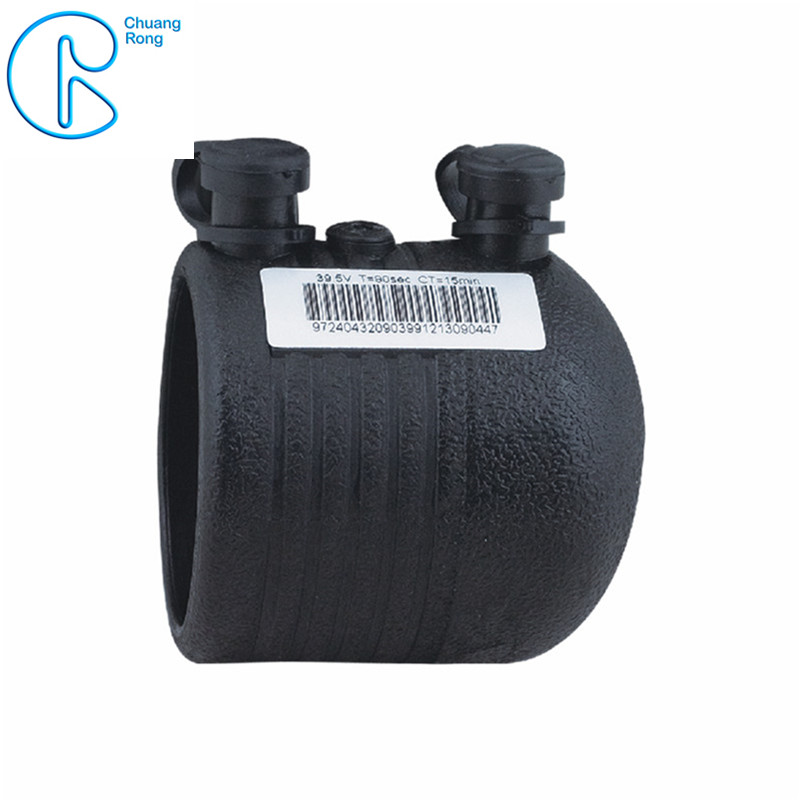
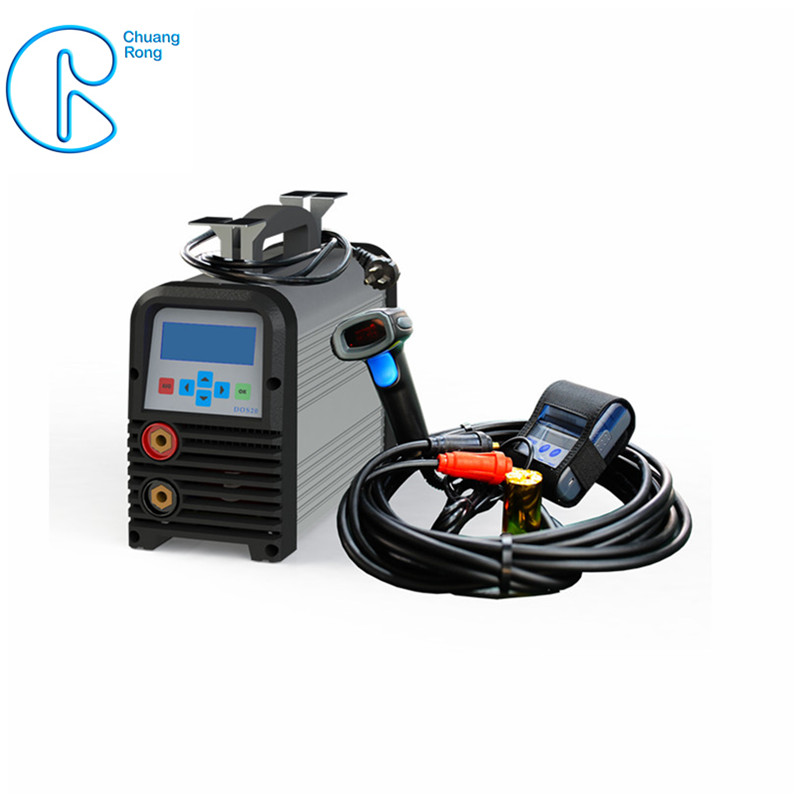
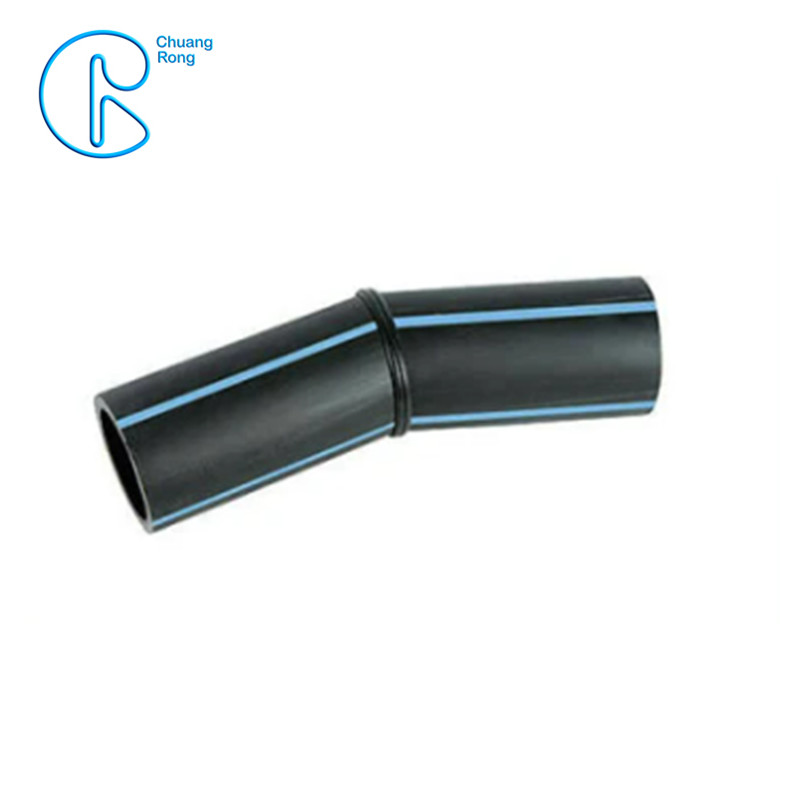
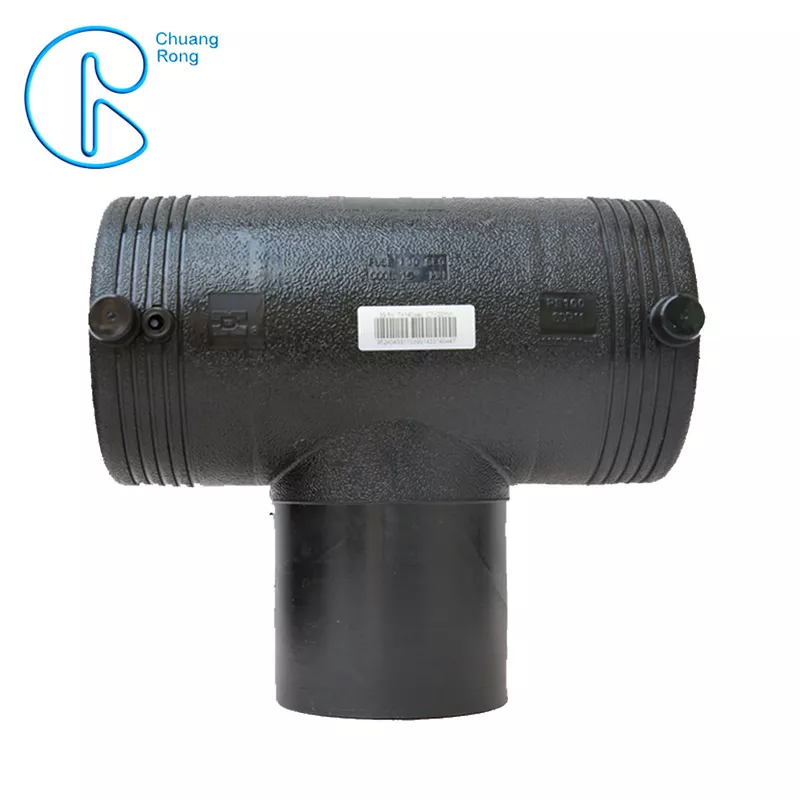
Explore our complete range of high-performance HDPE pipes, electrofusion fittings, valves, and professional welding machinery designed to build resilient fire safety systems.

Social Links


Our Company
information
Quick Links
contact us
-
ADD:
Room 911, Building T1, The Ring Center, No.333 Dongda Road, Chengdu, China.
- TEL: 0086-18180897627
- EMAIL: chuangrong@cdchuangrong.com
Hot Products - Sitemap - AMP Mobile
Pe Water Pipe, Hdpe Pipe Fittings, Hdpe Pipe And Fitting, Repair Clamp, Male Adaptor, Hdpe Pipe Fitting,
-

Phone
-

E-mail
-

Whatsapp
-

Skype
-

Top
