


Geothermal Loop Installation & Prep Systems
Essential high-precision tools and support systems optimized for geothermal pressurized pipeline setups.
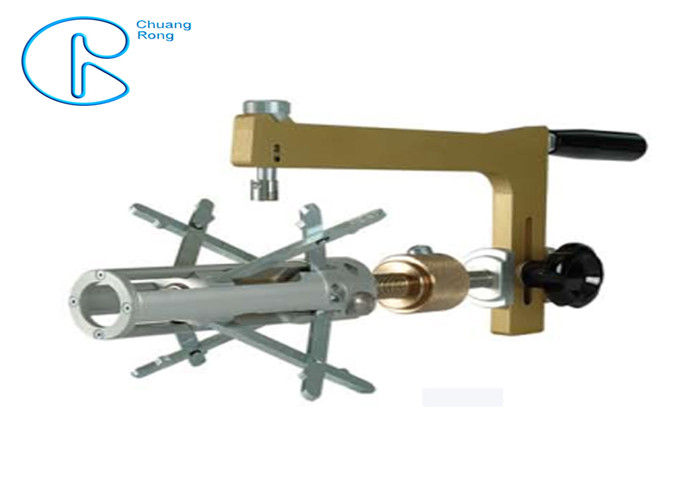
PS180 PS400 Scraper for Geothermal Pressurized Pipe Fusion Prep
View Details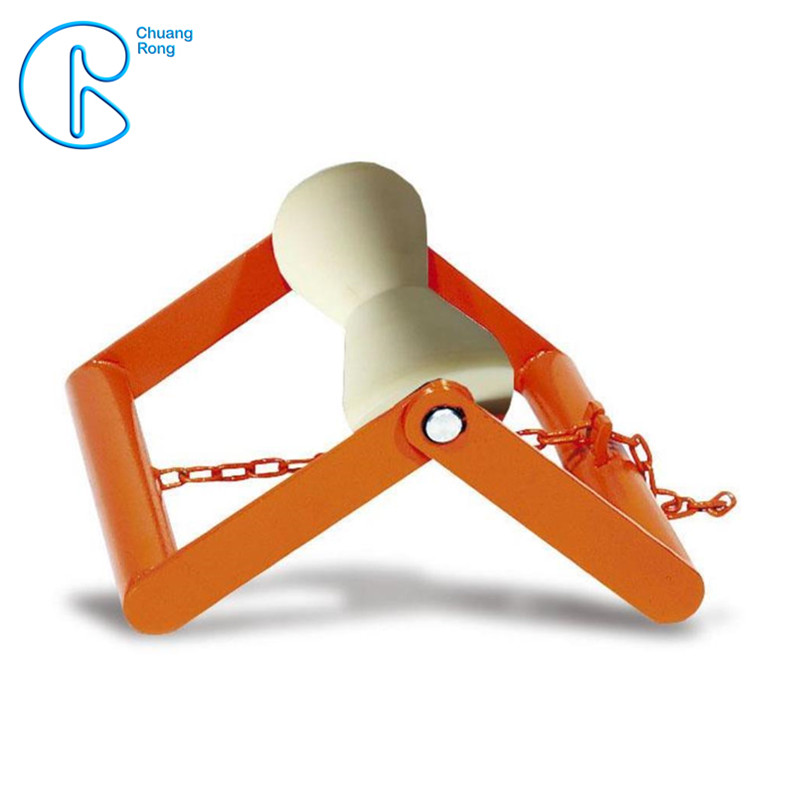
Heavy-Duty Pipe Roller Support System for Geothermal Pipelines
View Details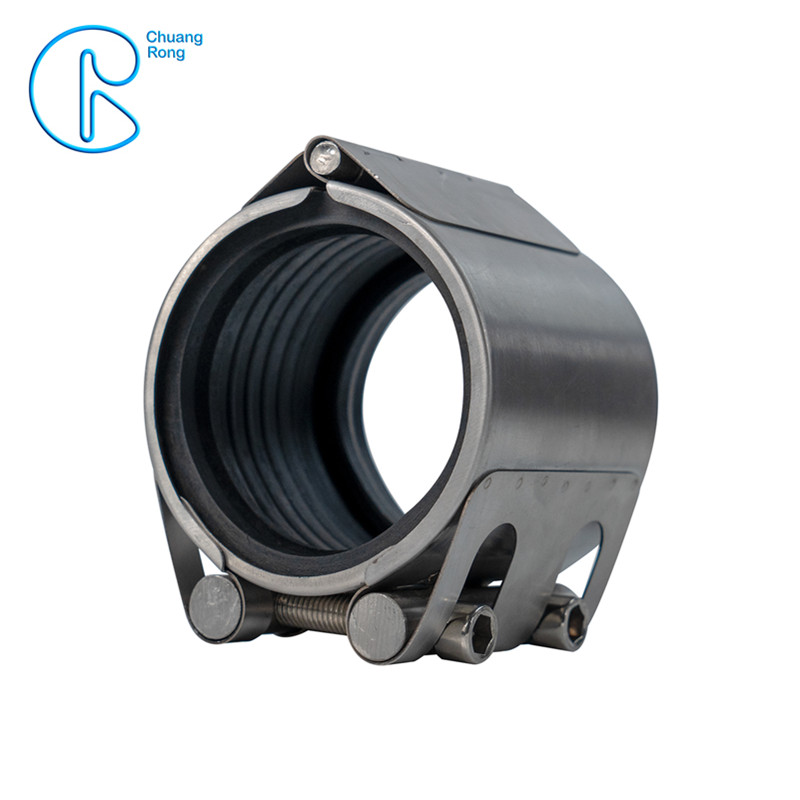
Double-Section Pressurized Loop Repair Coupling for Geothermal Systems
View Details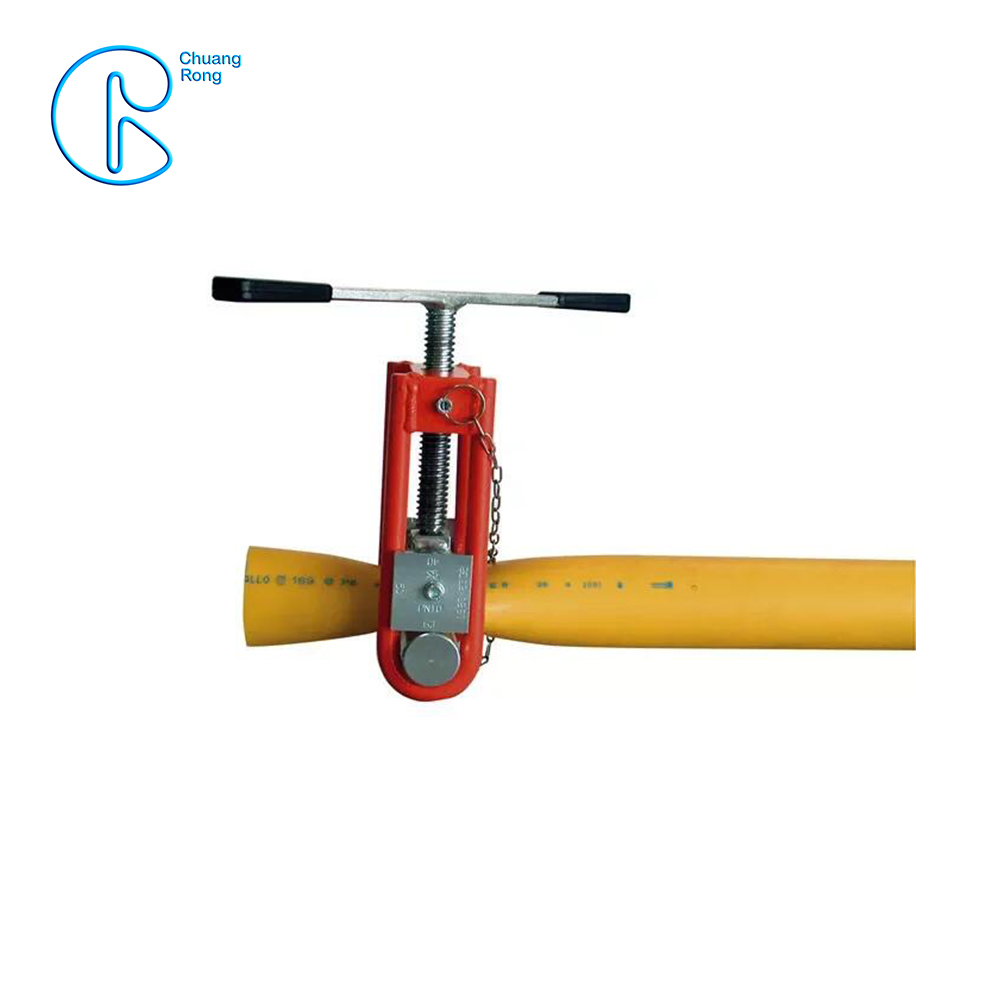
Hydraulic Flow Squeezer for Geothermal Pressurized Water Loop Maintenance
View DetailsOptimizing Pressurized Water Pipe Systems for Geothermal Heating
A comprehensive analysis of technical requirements, industrial applications, and market dynamics.
1. Introduction to Geothermal Energy and Piping Infrastructure
Geothermal energy has emerged as a cornerstone of the global transition toward sustainable, low-carbon heating and cooling solutions. By harvesting the constant thermal energy stored beneath the Earth's crust, ground-source heat pump (GSHP) systems offer unparalleled coefficient of performance (COP) metrics compared to conventional combustion-based heating. However, the operational viability, thermodynamic efficiency, and overall lifespan of these systems depend fundamentally on the subsurface heat exchanger loop. The pressurized water pipe for geothermal heating systems acts as the vital circulatory system of this technology, carrying heat-transfer fluids (typically water mixed with eco-friendly antifreeze agents) between the subterranean heat source and the surface heat exchange equipment.
Because these pipe networks are buried deep underground—often vertically in boreholes extending 50 to 200 meters or horizontally in wide, shallow trenches—they are subjected to continuous external soil pressures, internal fluid pressures, thermal cycles, and chemical stress. Consequently, selecting the correct pressurized water pipe is one of the most critical engineering decisions in any geothermal project, directly influencing the return on investment (ROI) and environmental safety of the installation.
Key Technical Insight: Geothermal loop piping must maintain absolute structural integrity for over 50 years under constant cyclic thermal stress and pressure fluctuations. There is zero tolerance for underground leakage, as repairs are economically prohibitive.
2. The Critical Role of Pressurized Water Pipes in Geothermal Applications
In a closed-loop geothermal system, the pressurized water pipe is tasked with two primary physical functions: efficient thermal conduction and robust containment of pressurized fluids. The fluid inside the loop must be kept under constant pressure (typically between 2 to 6 bar, depending on the system design and depth) to prevent vapor locks, maintain uniform flow velocities, and maximize heat transfer rates. Any drop in pressure can lead to cavitation within circulation pumps, reduced thermal efficiency, or systemic failure.
Furthermore, the material properties of the pipe must balance thermal conductivity with insulation requirements. While the subterranean loop requires high thermal conductivity to readily absorb or discard heat from the surrounding earth, the header pipes leading from the borehole field to the building require thermal insulation to prevent energy loss. Pressurized plastic piping, particularly High-Density Polyethylene (HDPE), provides an optimized balance of moderate thermal conductivity, exceptional flexibility, and complete corrosion resistance, making it the global standard for geothermal loop installations.
3. Industrial and Commercial Landscape of Geothermal Piping
The industrial market for geothermal infrastructure is experiencing unprecedented growth. Driven by stringent municipal decarbonization mandates, rising fossil fuel prices, and corporate Environmental, Social, and Governance (ESG) targets, commercial developers are increasingly adopting large-scale District Heating Networks (DHN) powered by shallow and deep geothermal reservoirs. According to global market analyses, the geothermal heat pump market is projected to expand at a compound annual growth rate (CAGR) exceeding 8% over the next decade.
This commercial surge has shifted the manufacturing focus toward larger diameter, high-pressure rated pipes (SDR 11 and SDR 9) that can withstand the hydraulic demands of multi-borehole fields. Manufacturers are now investing in advanced co-extrusion technologies to produce pipes with integrated barrier layers that prevent oxygen permeation, thereby protecting sensitive mechanical components within the plant room from corrosion. Additionally, the industry is standardizing on PE100 and PE100-RC (Resistant to Crack) resins, which offer superior resistance to slow crack growth (SCG) and point loads, allowing for safer installation in rocky soils without the need for extensive sand bedding.
4. Materials Analysis: Why HDPE is the Leading Standard
When evaluating materials for pressurized water pipes in geothermal heating systems, engineers compare HDPE, Cross-linked Polyethylene (PEX), Polypropylene (PP), and traditional metals. HDPE (specifically PE100) consistently outperforms other materials due to several distinct advantages:
- Frictionless Fusion Jointing: HDPE pipelines can be joined using butt fusion or electrofusion techniques. These thermal welding methods fuse the molecular chains of the pipes together, creating a continuous, homogenous joint that is structurally stronger than the pipe itself. This eliminates mechanical joints, which are the primary failure points in underground piping.
- High Flexibility and Impact Strength: Geothermal loops must endure significant bending stresses during installation, particularly when lowered into vertical boreholes. HDPE's low elastic modulus allows it to bend easily without cracking, accommodating ground movement and seismic shifts over time.
- Chemical and Corrosion Resistance: Geothermal fluids often contain glycol, ethanol, or saline solutions to prevent freezing. HDPE is chemically inert to these additives and will not rust, scale, or corrode when exposed to aggressive soil chemistry or acidic groundwater.
- Slow Crack Growth Resistance (PE100-RC): The newer generation of PE100-RC materials features enhanced molecular structures that resist stress cracking induced by localized point loads from rocks or uneven backfilling, reducing installation costs by permitting native soil backfill.
5. Advanced Application Scenarios
A. Large-Scale District Heating and Cooling (DHC)
In modern urban planning, individual geothermal systems are being replaced by centralized district networks. A central geothermal well field distributes pressurized hot or cold water through a network of pre-insulated HDPE pipes to multiple residential and commercial buildings. These systems require large-bore pressurized header pipes (often up to 1600mm in diameter) to handle massive volumetric flow rates. The thermal stability of HDPE ensures minimal heat loss over kilometers of distribution piping.
B. Agricultural Geothermal Integration
Greenhouse farming requires precise, constant temperature control to maximize crop yields. Pressurized geothermal loops buried beneath the greenhouse floor or integrated into hydroponic feeding lines provide stable, low-cost heating. Because these pipes are constantly exposed to moisture, fertilizers, and microbial activity in the soil, HDPE's chemical inertness is vital for preventing degradation.
C. Industrial Process Heat Recovery
Many manufacturing plants generate vast amounts of low-grade waste heat. By utilizing pressurized geothermal piping, this waste heat can be pumped into underground thermal energy storage (UTES) systems during summer and extracted for space heating or process pre-heating during winter. This cyclic storage demands pipes that can handle elevated temperatures (up to 40°C or 60°C for specialized PE-RT materials) under constant pressure.
6. Engineering Challenges and Solutions in Geothermal Piping Installation
Installing a geothermal loop system involves complex geotechnics and precise piping mechanics. One of the main challenges is ensuring the integrity of the vertical U-bend at the bottom of the borehole. This bend experiences the highest hydrostatic pressure and is most susceptible to installation damage. Engineers solve this by utilizing factory-molded, heavy-wall HDPE U-bends that are butt-welded to the straight pipes under controlled factory conditions.
Another challenge is the management of thermal expansion and contraction. As the fluid temperature fluctuates between seasons, the pipes expand and contract. If constrained by grout in the borehole, this creates internal axial stresses. Proper pipe design must calculate these thermal stresses to ensure they do not exceed the yield strength of the HDPE material. Using high-quality electrofusion fittings with precise welding parameters ensures that joints can easily handle these cyclic forces without fatigue.
7. Future Trends: Smart Pipes and Enhanced Thermal Conductivity
The future of pressurized water pipes for geothermal heating systems lies in material science innovations and digital integration. Research is currently focused on developing thermally enhanced HDPE resins. By incorporating conductive nanoparticles (such as carbon nanotubes or graphite) into the polymer matrix, manufacturers aim to increase the thermal conductivity of the pipe wall by up to 50% without sacrificing flexibility or pressure ratings. This would allow for shorter borehole depths, drastically reducing drilling costs.
Additionally, "smart piping" systems are being trialed, where fiber-optic temperature and strain sensors are co-extruded directly into the pipe wall. These sensors allow operators to monitor the thermal profile of the ground source in real-time, detecting localized heat depletion or structural shifts before they result in system inefficiencies or failures. This level of data integration aligns perfectly with the rise of AI-driven building management systems (BMS), ensuring optimal performance of the geothermal loop throughout its operational lifespan.
One-Stop Solution for Plastic Piping Systems
CHUANGRONG is a shared industry and trade integrated company, established in 2005. We focus on the production of a full range of quality HDPE pipes & fittings (ranging from 20mm to 1600mm, with pressure ratings SDR26 / SDR21 / SDR17 / SDR11 / SDR9 / SDR7.4), alongside the sale of PP compression fittings, plastic welding machines, specialized pipe tools, and robust pipe repair clamps.
We operate more than 100 sets of advanced pipe production lines and 200 sets of high-precision fitting production equipment. Our annual production capacity exceeds 100 thousand tons. CHUANGRONG's comprehensive catalog spans 6 core application systems: water, gas, dredging, mining, irrigation, and electricity, comprising more than 20 series and over 7,000 unique specifications.
All products strictly conform to international standards including ISO4427/4437, ASTMD3035, EN12201/1555, DIN8074, and AS/NIS4130. Our manufacturing excellence is verified and approved by ISO9001-2015, CE, BV, SGS, and WRAS certifications.
One-Stop Supplies and Solutions
As a leading PE pipeline manufacturer, CHUANGRONG provides comprehensive support from engineering design to field installation.

Complete Product Line

Related Equipment & Service

Installation & Maintenance

Design & Customization

Technical Support
Why Partner With CHUANGRONG
Providing world-class plastic piping systems backed by rigorous quality control and global logistics capabilities.

One-Stop Solution

Production On Demand

Complete Certification

Excellent Team
Complete Geothermal Piping & Installation Components
Explore our full range of pressurized pipes, high-performance fusion fittings, and field-proven installation tools.
PS180 PS400 Scraper for Geothermal Pressurized Pipe Fusion Prep
View Details
Heavy-Duty Pipe Roller Support System for Geothermal Pipelines
View Details
Double-Section Pressurized Loop Repair Coupling for Geothermal Systems
View Details
Hydraulic Flow Squeezer for Geothermal Pressurized Water Loop Maintenance
View Details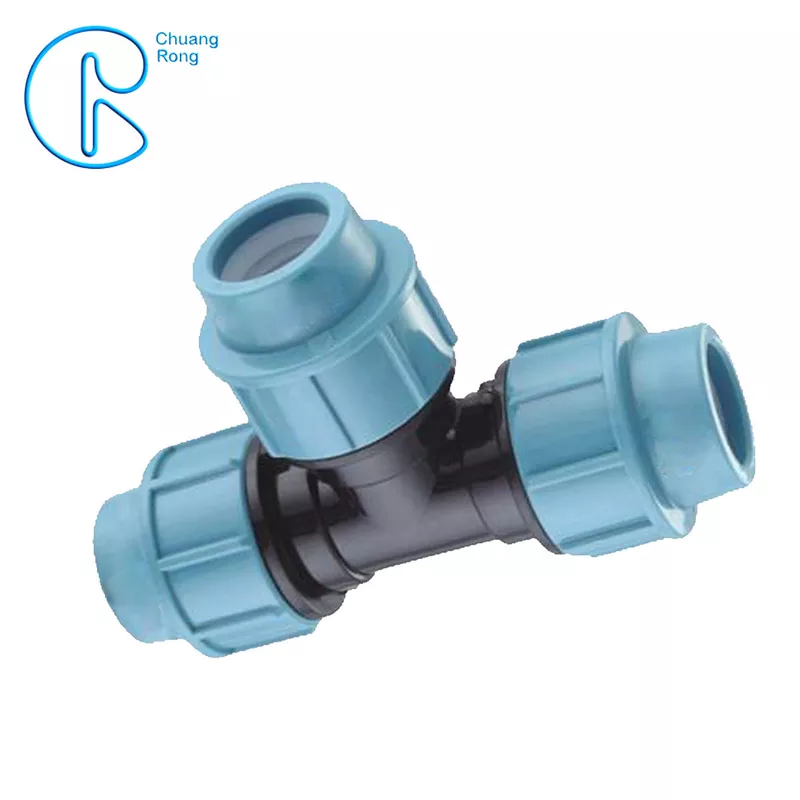
High-Density PP Compression Tee for Geothermal Loop Quick Connection
View Details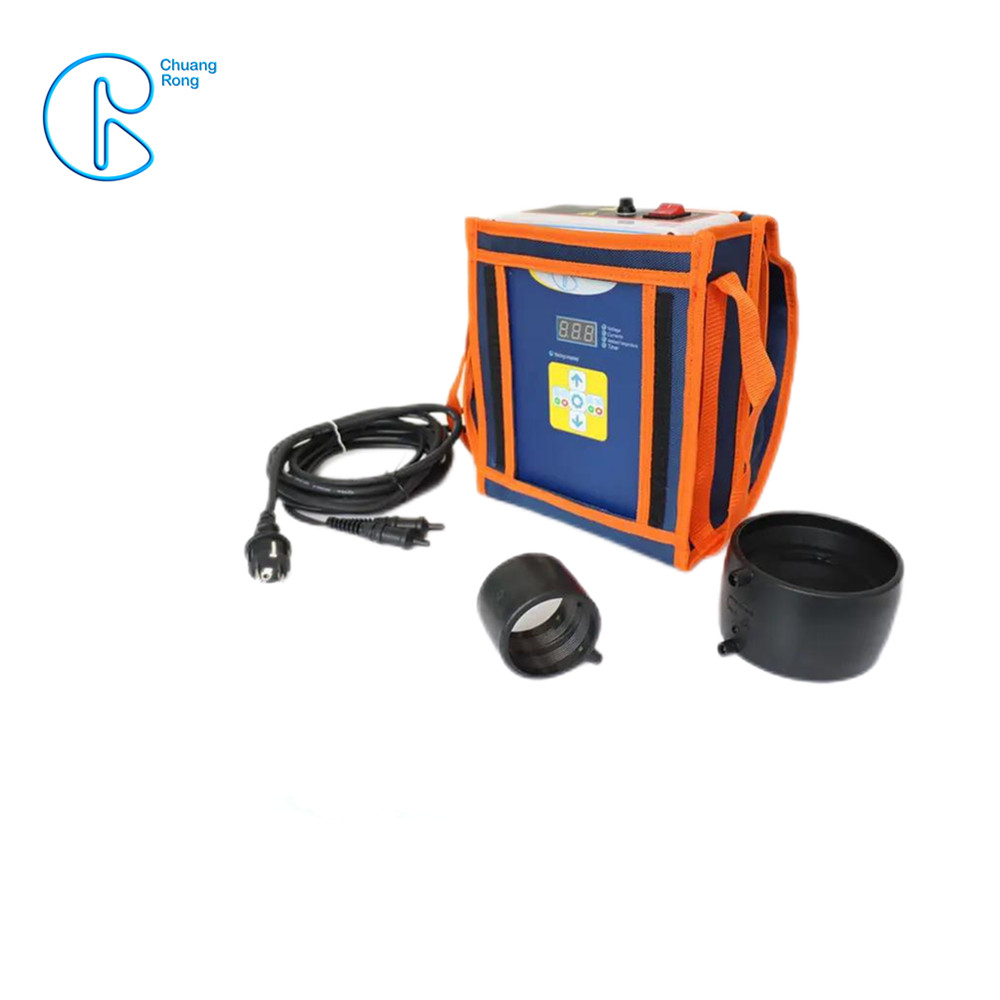
HDPE Electrofusion Welder for Geothermal Pressurized Loop Jointing
View Details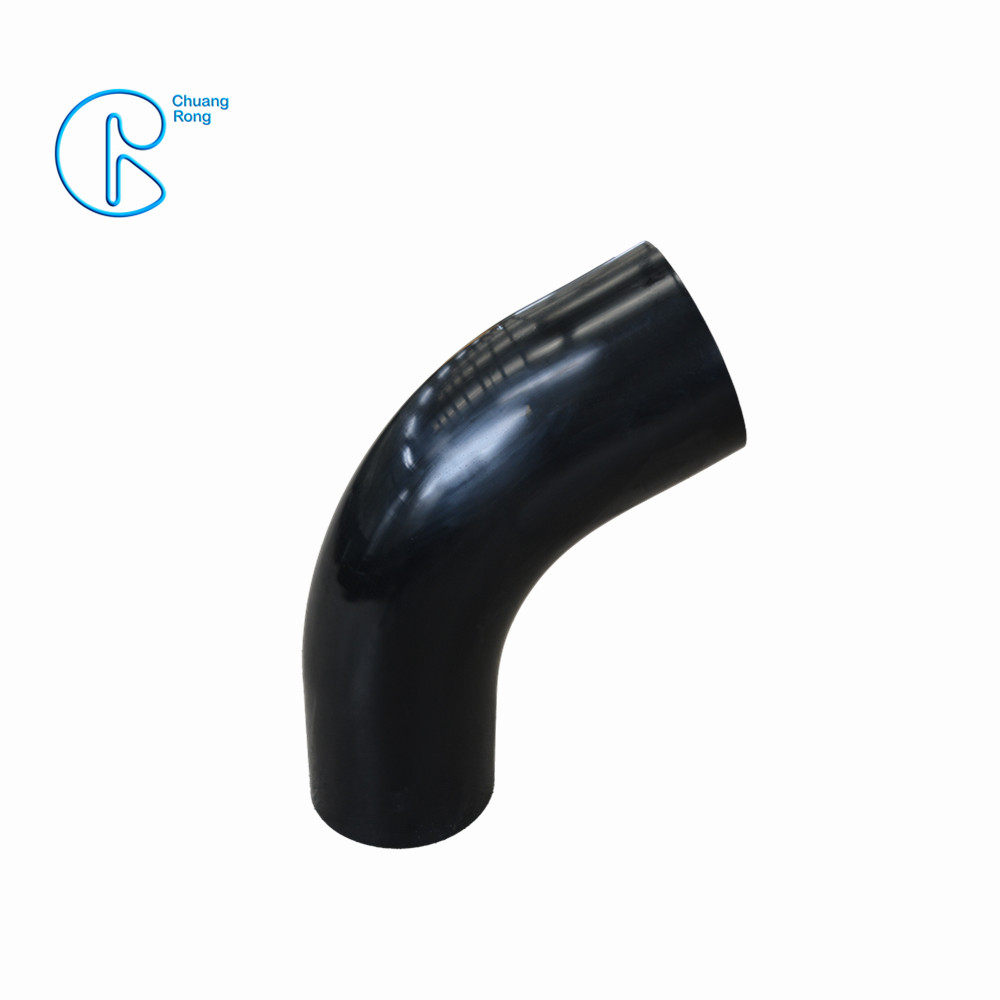
Large Size High Pressure Butt Fusion 11°-90° Sweep Seamless Bend for Geothermal Headers
View Details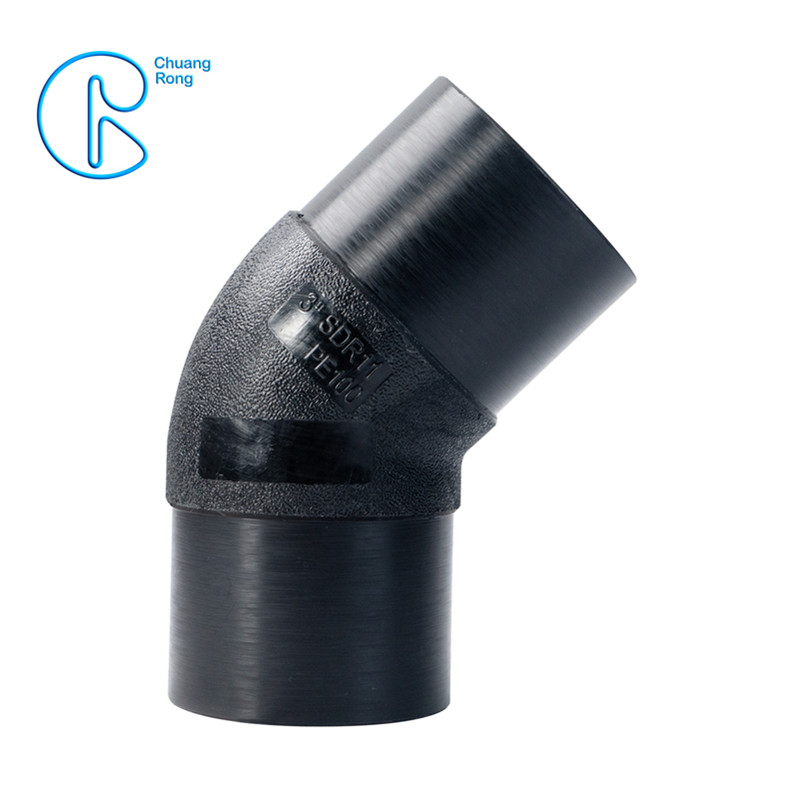
PE100 / PE80 HDPE Butt Fusion 45 Degree Elbow for Geothermal Loop Directional Changes
View Details
Social Links


Our Company
information
Quick Links
contact us
-
ADD:
Room 911, Building T1, The Ring Center, No.333 Dongda Road, Chengdu, China.
- TEL: 0086-18180897627
- EMAIL: chuangrong@cdchuangrong.com
Hot Products - Sitemap - AMP Mobile
Pe Water Pipe, Hdpe Pipe Fittings, Hdpe Pipe And Fitting, Repair Clamp, Male Adaptor, Hdpe Pipe Fitting,
-

Phone
-

E-mail
-

Whatsapp
-

Skype
-

Top
