


Featured Gas Distribution Pipeline Components
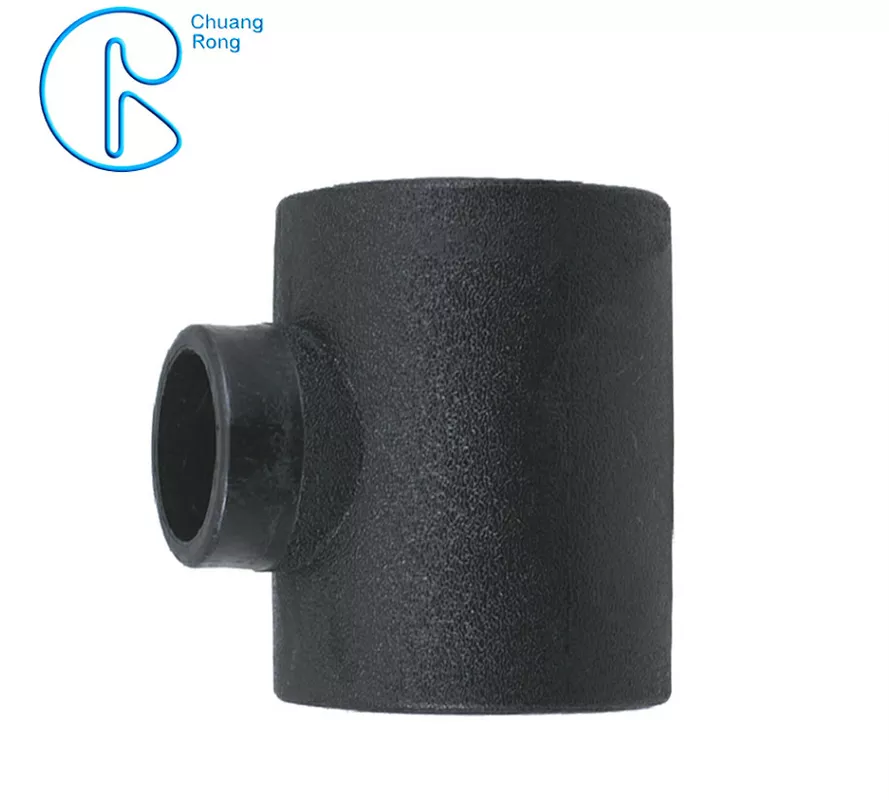
Black HDPE Socket Fusion Reducing Tee PE100 PN16 SDR11 for Gas Networks
View Details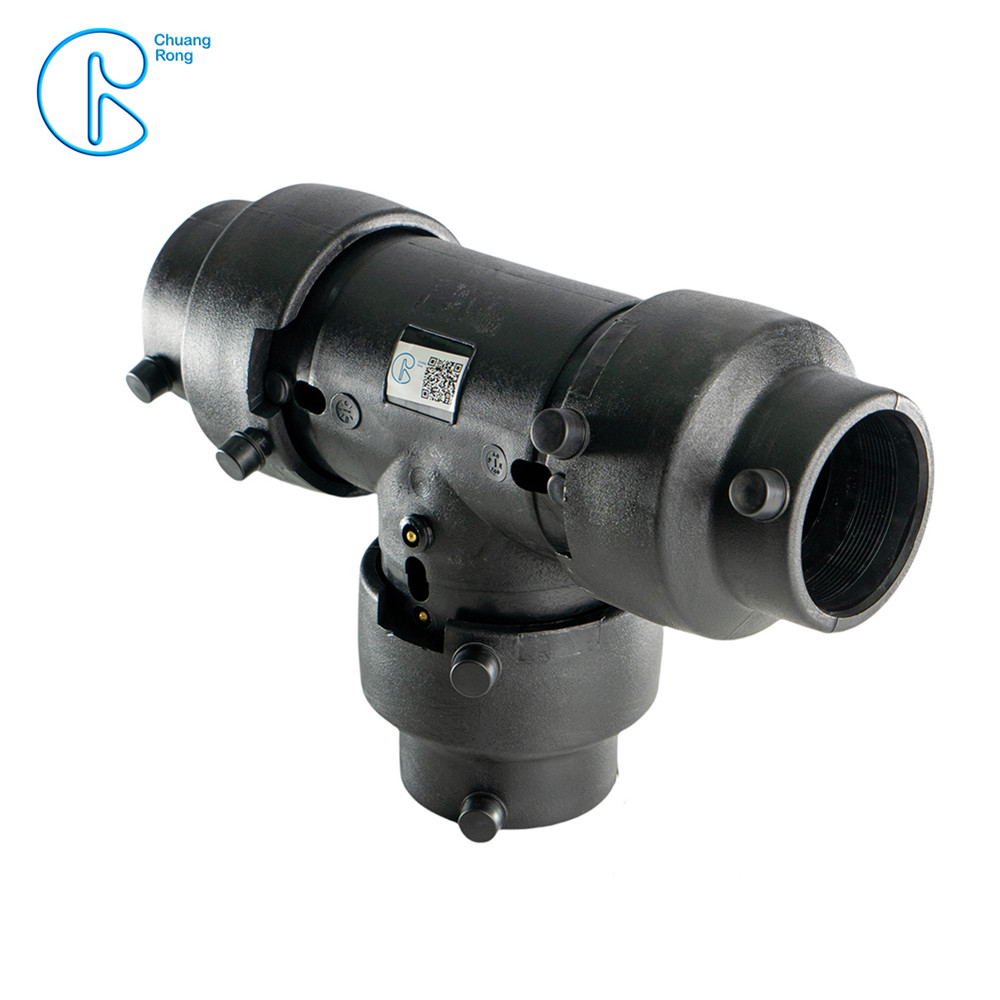
75/63mm Double-layer PE Electrofusion UPP Fittings for Gas Stations
View Details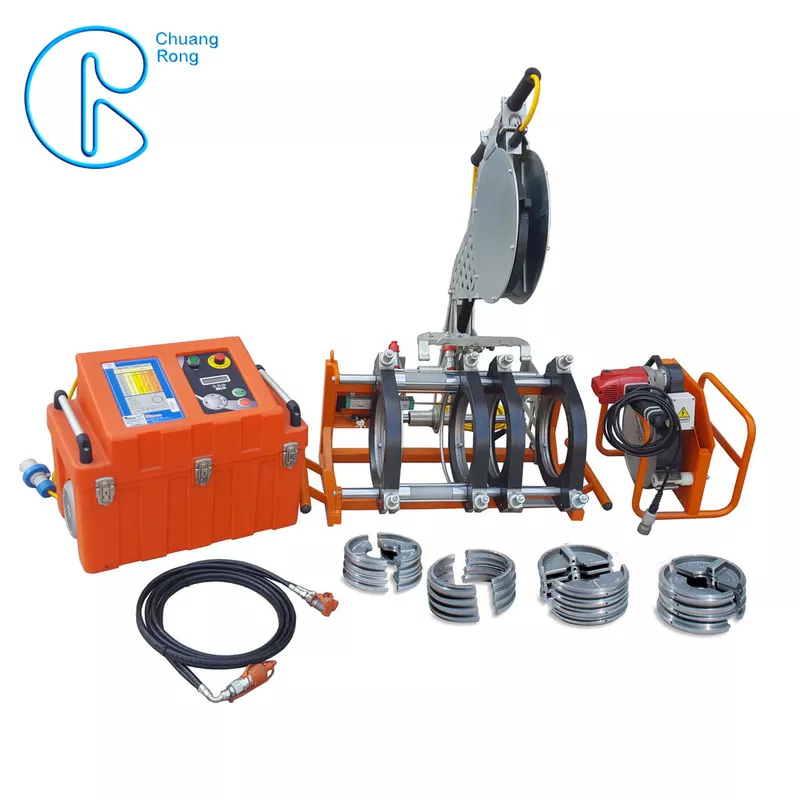
CNC 250 - 315 HDPE Pipeline Automatic Welding Machine for Gas Mains
View Details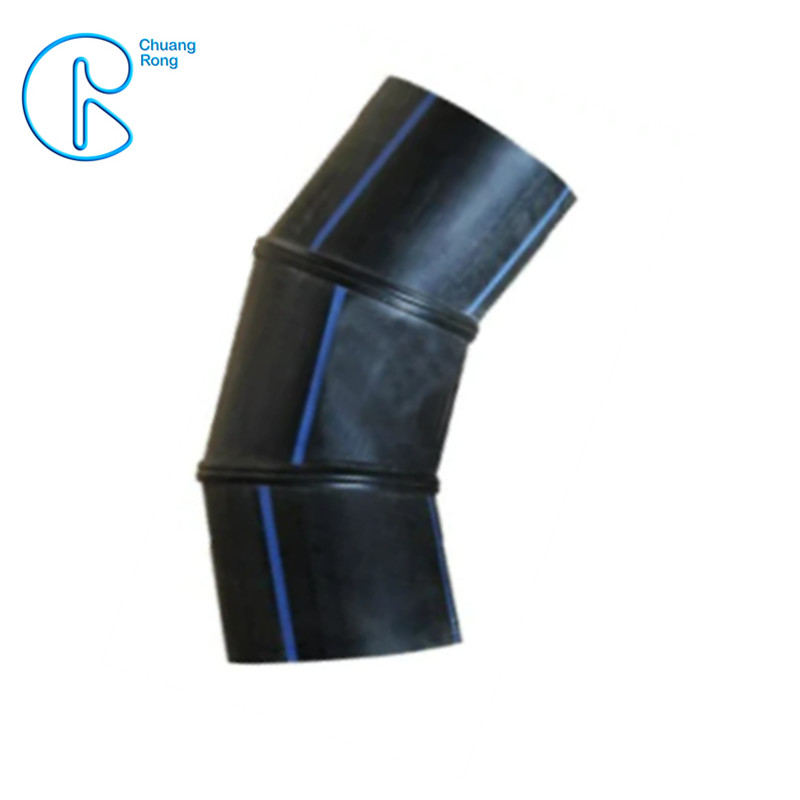
HDPE Fabricated Segment 45 Degree Elbow/Bend Welded Fittings for Gas Lines
View DetailsThe Revolution of Plastic Fusion Welding in Gas Distribution Networks
Modern energy infrastructures rely heavily on the integrity and safety of distribution pipelines. Historically, gas distribution networks constructed from steel and ductile iron suffered from corrosion, environmental cracking, and high maintenance costs. Today, the global energy transition has accelerated the adoption of Polyethylene (PE) pipelines, particularly High-Density Polyethylene (HDPE) PE100. At the heart of this technological shift is plastic fusion welding, a jointing methodology that creates homogenous, leak-free, and seismically resistant piping systems capable of transporting natural gas, liquefied petroleum gas (LPG), and emerging hydrogen blends.
According to industrial market research, the global gas distribution piping market is experiencing a compound annual growth rate (CAGR) of over 6%, driven primarily by the replacement of aging metal pipelines with advanced HDPE systems utilizing high-precision electrofusion and butt fusion welding techniques.
The Critical Role of Polyethylene (PE) in Modern Gas Distribution
Polyethylene is uniquely suited for gas distribution. Its inherent flexibility allows pipelines to be laid in challenging terrains without excessive fittings, accommodating ground movements and seismic activities that would otherwise rupture rigid metal lines. HDPE's chemical inertness prevents internal corrosion from sour gas components and external degradation from aggressive soils. Furthermore, its smooth internal surface minimizes friction loss, optimizing gas flow rates.
However, the strength of a piping network is only as secure as its weakest joint. Traditional mechanical fittings pose leakage risks under high pressure and thermal cycling. Plastic fusion welding solves this vulnerability by melting the interface of the pipe and fitting, allowing the polymer chains to intermingle and recrystallize. The resulting joint is chemically and structurally identical to the pipe itself, often exhibiting higher tensile strength than the parent pipe.
The Science Behind Plastic Fusion: Molecular Entanglement
To understand the reliability of plastic fusion welding in gas networks, one must look at the molecular level. Polyethylene is a semi-crystalline thermoplastic. When heat is applied during the welding process, the crystalline zones melt, entering an amorphous state where the long-chain polymer molecules gain high mobility. Under controlled interface pressure, the molten polymer chains from the two mating surfaces diffuse across the boundary. As the joint cools under pressure, these chains recrystallize, intertwining to form a continuous, monolithic molecular structure.
This process requires strict adherence to three critical parameters: temperature, pressure, and time. Deviation in any of these variables can lead to cold joints, void formations, or excessive bead size, compromising the pipeline's pressure rating. Consequently, the industry has transitioned toward automated CNC welding machines that log data and control parameters in real time, minimizing human error in critical gas utility applications.
Industrial & Commercial Status of Plastic Fusion
The commercial landscape for plastic fusion welding in gas networks is expanding rapidly due to urbanization, industrial development, and gas grid expansions in emerging economies. Utility companies worldwide are mandating PE100 pipelines for medium and low-pressure gas distribution networks (typically up to 10 bar).
Furthermore, the global consensus on carbon reduction has positioned natural gas as a crucial transition fuel. Governments are investing billions in upgrading urban distribution grids. In Europe, North America, and the Asia-Pacific region, stringent environmental safety regulations require zero-leakage tolerances. This has made high-quality electrofusion fittings and automatic butt fusion machinery the standard requirement for utility contractors.
Future Trends: Hydrogen-Ready Infrastructure and Smart Welding
As the world explores hydrogen as a clean energy carrier, the compatibility of existing gas distribution networks with hydrogen blends is a major area of development. Unlike steel pipelines, which are susceptible to hydrogen embrittlement, polyethylene pipelines do not suffer from this degradation mechanism. Testing has shown that HDPE PE100 pipes and fusion joints maintain their mechanical integrity when transporting hydrogen-methane blends or 100% pure hydrogen.
Simultaneously, the integration of Internet of Things (IoT) technology into plastic welding is transforming quality control. Modern CNC welding machines record GPS coordinates, operator ID, pipe batch numbers, and exact heating profiles. This data is uploaded to cloud databases, creating a "digital twin" of the gas network. This traceability is invaluable for asset management, allowing utility operators to verify the quality of every single weld before burying the pipeline.
Deep Dive: Electrofusion vs. Butt Fusion in Gas Networks
Within gas distribution networks, two main fusion methods dominate:
1. Butt Fusion: Used for joining pipes of the same outer diameter and wall thickness. The pipe ends are planed, heated against a hot plate, and pressed together. It is highly cost-effective for long, straight runs of large-diameter mainlines.
2. Electrofusion: Involves fittings with built-in electrical heating coils. When an electric current is applied, the coil heats the surrounding plastic, melting the outer surface of the pipe and the inner surface of the fitting. This method is preferred for service connections, repairs, tie-ins, and installations in confined urban trenches where maneuverability is limited.
One-Stop Solution for Plastic Piping System
CHUANGRONG is a share industry and trade integrated company, established in 2005. We focus on the production of a full range of quality HDPE pipes & fittings (from 20mm to 1600mm, SDR26/SDR21/SDR17/SDR11/SDR9/SDR7.4), and the sale of PP compression fittings, plastic welding machines, pipe tools, and pipe repair clamps.
We own more than 100 sets of pipe production lines and 200 sets of fitting production equipment. Our production capacity reaches more than 100 thousand tons. CHUANGRONG's catalog contains 6 systems covering water, gas, dredging, mining, irrigation, and electricity, comprising more than 20 series and over 7000 specifications.
Our products are designed and manufactured in line with international standards, including ISO4427/4437, ASTM D3035, EN12201/1555, DIN8074, and AS/NZS 4130. They are fully approved by ISO9001-2015, CE, BV, SGS, and WRAS.
One-Stop Supplies and Solutions
As one of the largest PE pipeline manufacturers in China, CHUANGRONG provides customers with a full range of services from design, production, installation, and maintenance to ensure the long-term stable operation of PE pipeline systems.

Complete Product Line
CHUANGRONG offers the most complete product line including PE pipes, PE butt fittings, PE electrofusion fittings, PE socket fittings, PE syphon drainage fittings, PE valves, PE/steel transition Fittings, PE machined fittings, PE fabricated fittings, PP compression fittings, plastic pipe welding machines & tools, pipe connectors & repair components, and more.
Explore Range
Related Products & Service
We can provide customers with PE pipe/rod extrusion lines, injection molding machines, robotic arms, butt fusion fitting molds, electrofusion fitting molds, PP back ring molds, CNC control machines, CNC lathering machines, workshop fitting machines, band saws, testing equipment, resistance testers, steam-diving pin machines, bar code printing machines, cranes, forklift trucks, chillers, mold controlling machines, and central feeding systems.
View Services
Installation & Maintenance
CHUANGRONG provides PE pipeline services from construction to commissioning. We ensure that pipeline connections are firmly sealed to avoid leakage, utilizing butt fusion, electrofusion, and mechanical connection technologies to complete installation tasks efficiently.
Learn More
Design & Customization
Our professional engineering team designs pipeline systems according to client needs, ensuring reasonable layouts, reduced pressure loss, and customized products. We develop new molds and products to meet specific project demands.
Custom Request
Technical Support
CHUANGRONG provides reliable expertise and technical data at every stage of your project. Our certified professionals offer professional training and on-site support for your engineering teams.
Get SupportWhy Choose Us
Discover how CHUANGRONG stands out as a leading global supplier of high-quality PE piping systems, ensuring safety and efficiency in critical gas distribution infrastructures.

One-Stop Solution
We specialize in the R&D, production, sale, and installation of new-type plastic pipes and fittings. We provide perfect, professionally designed, and customized solutions for your PE pipe systems.

Production On Demand
With 5 factories, 100+ pipe lines, and 200+ fitting production units, we reach a capacity of over 100,000 tons, supplying water, gas, dredging, mining, irrigation, and electricity systems.

Complete Certification
Our processes are strictly controlled from raw materials to finished products. Our products align with ISO4427/4437, ASTM D3035, EN12201/1555, DIN8074, and AS/NZS 4130, approved by CE, BV, SGS, and WRAS.

Excellent Team
We have a highly experienced, professional, and efficient team. We have established solid business relationships with partners in more than 80 countries worldwide, including the US, Chile, UAE, and Indonesia.
Complete Plastic Fusion & Piping Product Portfolio
Black HDPE Socket Fusion Reducing Tee PE100 PN16 SDR11 for Gas Networks
View Details
75/63mm Double-layer PE Electrofusion UPP Fittings for Gas Stations
View Details
CNC 250 - 315 HDPE Pipeline Automatic Welding Machine for Gas Mains
View Details
HDPE Fabricated Segment 45 Degree Elbow/Bend Welded Fittings for Gas Lines
View Details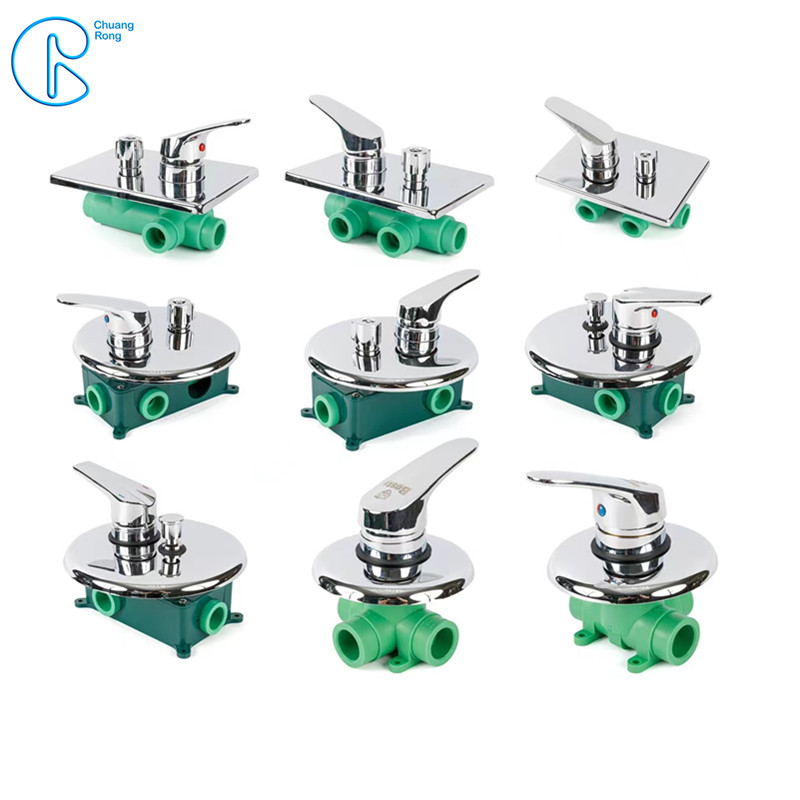
Factory OEM PPR Mixer Valve and Utility Piping Systems for Industrial Stations
View Details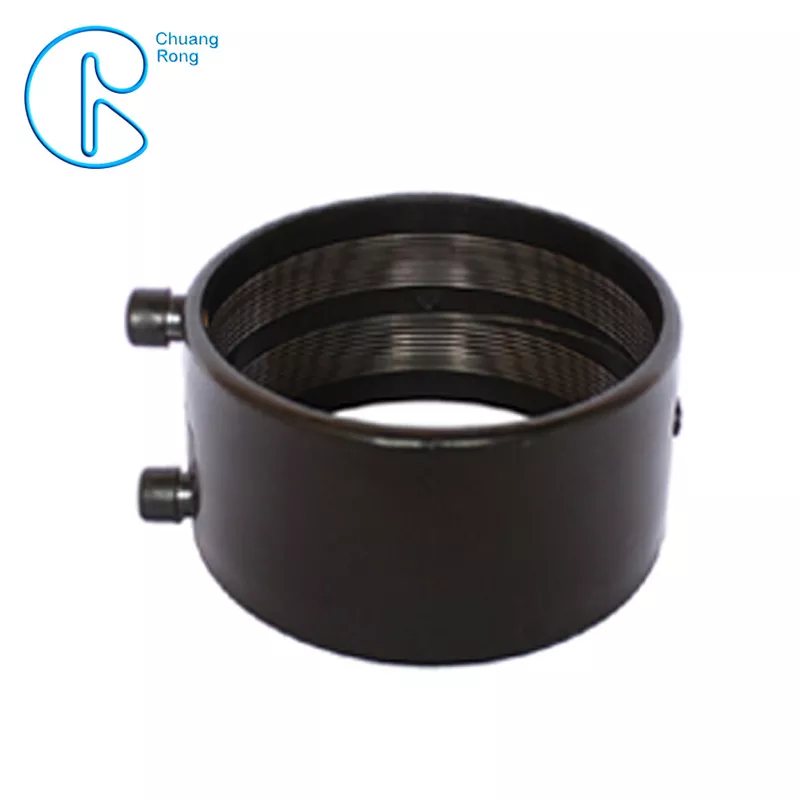
PE100 PN6 SDR26 Siphonic Electrofusion Coupler HDPE Utility Fittings
View Details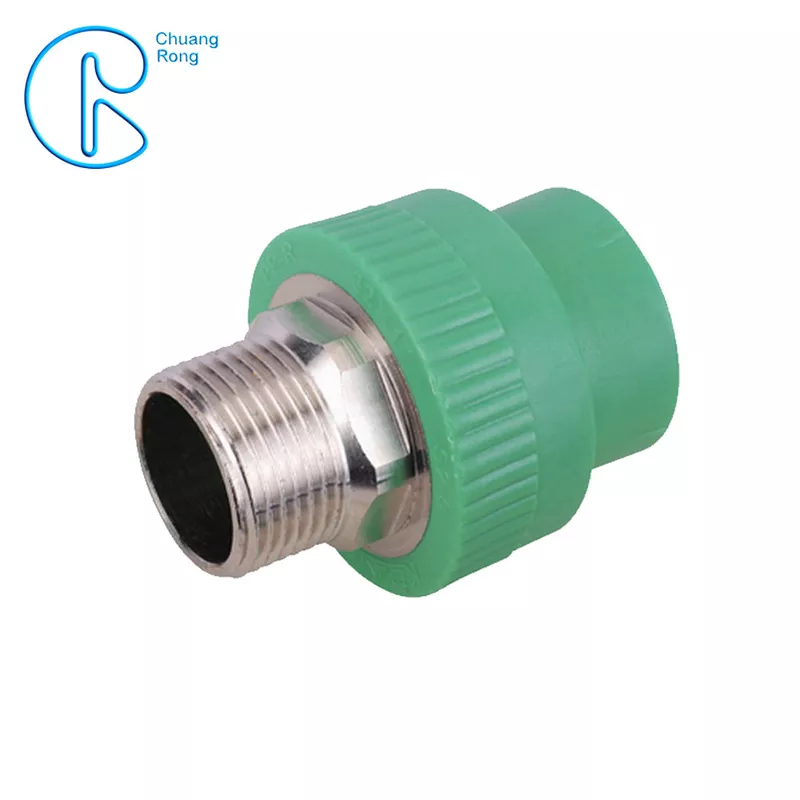
Environment Friendly PPR Pipe Socket Coupling Fitting with Metal Thread
View Details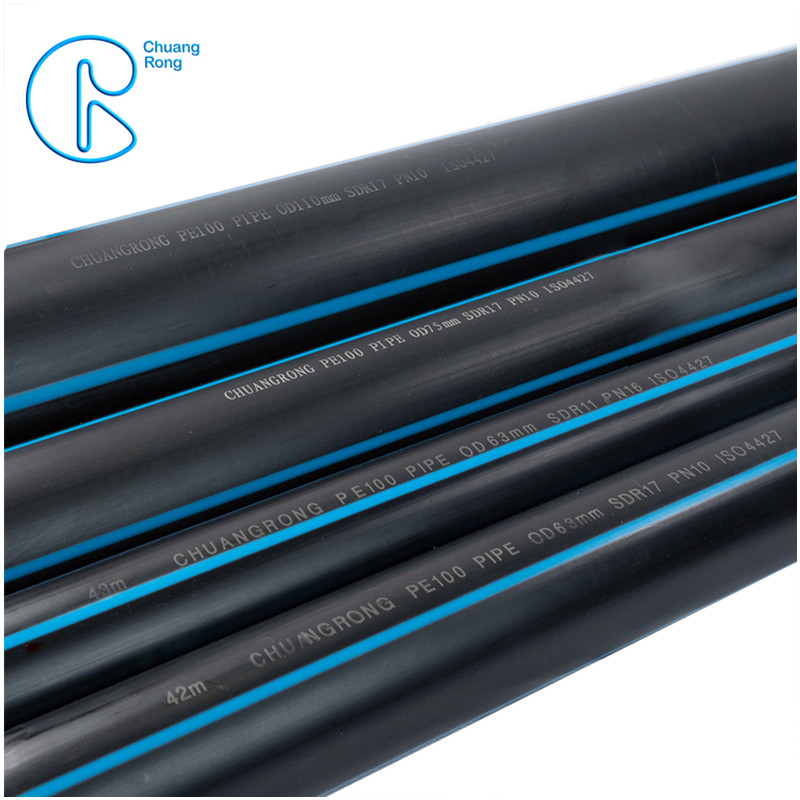
High-Density PE100 PN16 HDPE Pipes and Specialized Structures for Gas Utilities
View Details
Social Links


Our Company
information
Quick Links
contact us
-
ADD:
Room 911, Building T1, The Ring Center, No.333 Dongda Road, Chengdu, China.
- TEL: 0086-18180897627
- EMAIL: chuangrong@cdchuangrong.com
Hot Products - Sitemap - AMP Mobile
Pe Water Pipe, Hdpe Pipe Fittings, Hdpe Pipe And Fitting, Repair Clamp, Male Adaptor, Hdpe Pipe Fitting,
-

Phone
-

E-mail
-

Whatsapp
-

Skype
-

Top
